
 English
 简体中文
简体中文



I. The Mechanical Era: The Naive Beginning of Electrical Energy Measurement
In the early days of electricity's widespread use, mechanical induction meters were the absolute rulers. Their core principle was based on electromagnetic induction: when current passed through the voltage coil and current coil, an alternating magnetic field was generated, driving an aluminum disc to rotate. The disc's shaft, through a worm gear mechanism, drove the mechanical counter to accumulate electricity. This structure was intuitive and reliable, but it had significant limitations: its accuracy was easily affected by installation angle, environmental temperature, and mechanical wear; it had a single function, only providing cumulative electricity; it relied on manual on-site meter reading at regular intervals, which was inefficient and prone to errors; it had almost no anti-electricity theft capability, and data security was fragile. They faithfully recorded the total electricity consumption, but were "information islands" in grid management.
II. Electronic Meters: The Prelude to Digital Transformation
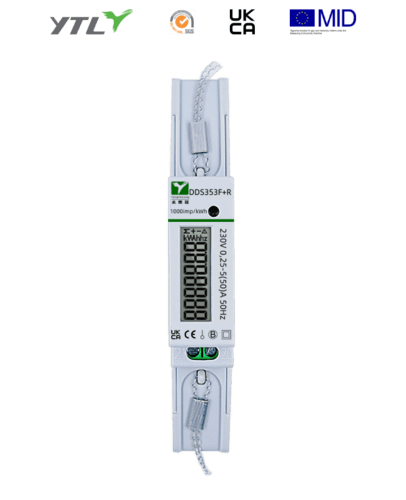
With the rapid advancement of electronic technology, electronic (static) meters emerged on the scene in the late 20th century. Their core technology lies in the use of high-precision dedicated metering chips to perform high-speed sampling of grid voltage and current, and through real-time calculation of the integral of the product of voltage and current, accurately measure active energy. Compared with mechanical meters, they represent a qualitative leap: accuracy has significantly improved (generally reaching 1.0 grade or even 0.5S grade), environmental adaptability has greatly enhanced; power consumption has been significantly reduced; they began to integrate pulse output functions, providing the physical basis for the nascent automatic meter reading systems; and they initially acquired the ability to measure energy based on time periods and rates. This marked the transition of energy metering from the purely mechanical era to the electronic and digital era.
III. First-Generation Smart Meters: Communication Empowerment and Initial Intelligence
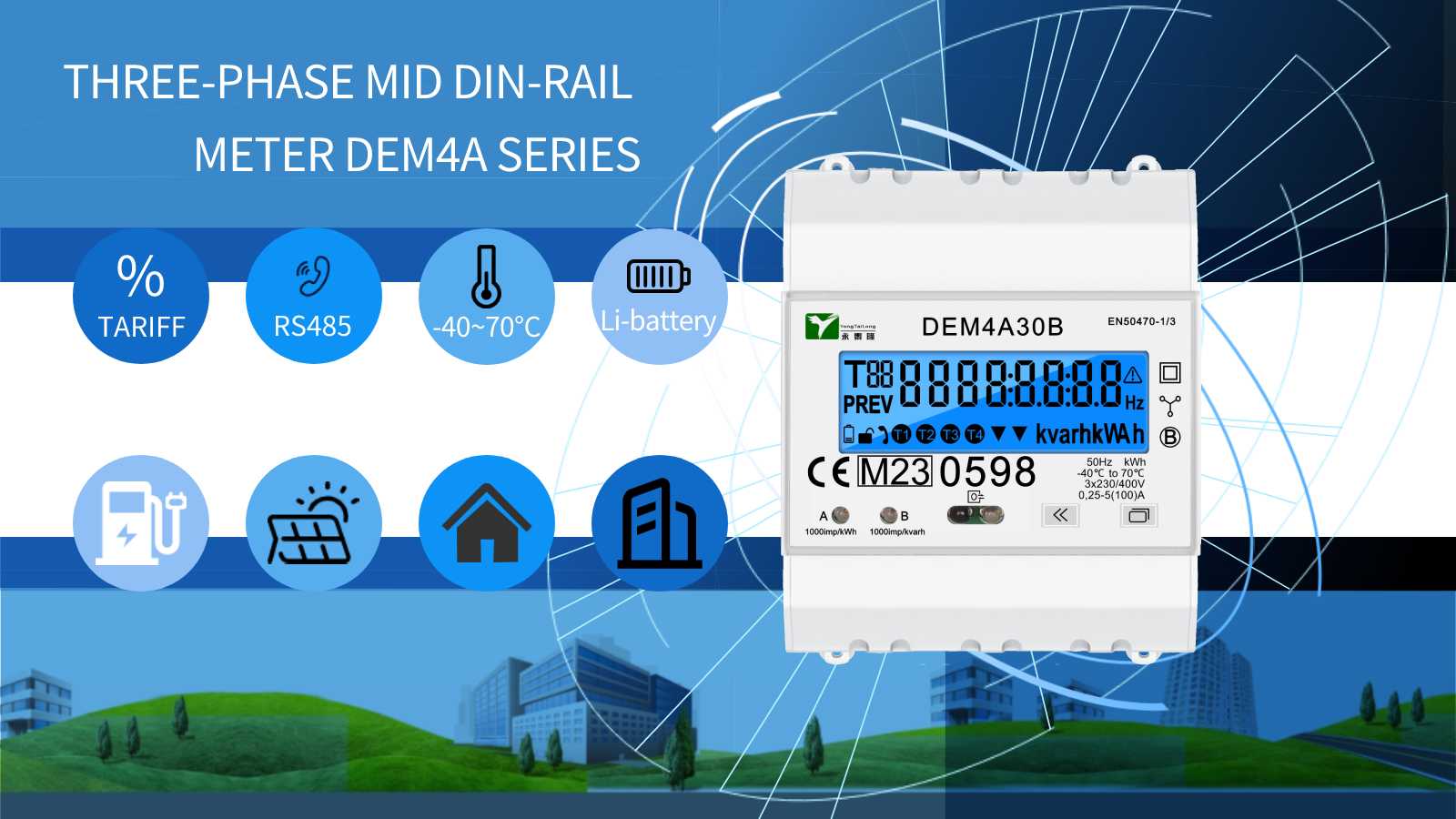
At the beginning of the 21st century, the first-generation smart meters, driven by the core function of "remote automatic meter reading", began to be deployed on a large scale. The core evolution lay in the integration of communication modules:
Key communication technologies: The mainstream RS-485 bus (stable and reliable, used for concentrator networking), low-voltage power line carrier (PLC, utilizing existing power lines without additional wiring), and the early GPRS wireless public network (wide coverage but high power consumption and cost).
Function deepening: On the basis of electronic metering, it has strengthened time-of-use (TOU) metering and storage, supporting tiered electricity pricing; it has achieved basic remote on/off control (fee control); it has started to record key events (such as cover opening, voltage loss, power failure); it has local infrared or key query interfaces.
Initial industry value: For power companies, the cost of manual meter reading has dropped sharply, line loss analysis is more accurate, and the efficiency of electricity fee recovery has improved; users have obtained more transparent electricity usage data. However, its communication rate, data interaction depth, and local computing power are still limited, making it a "feature phone" for specific tasks.
IV. Modern Smart Meters: Ubiquitous Sensing and Edge Intelligence Nodes
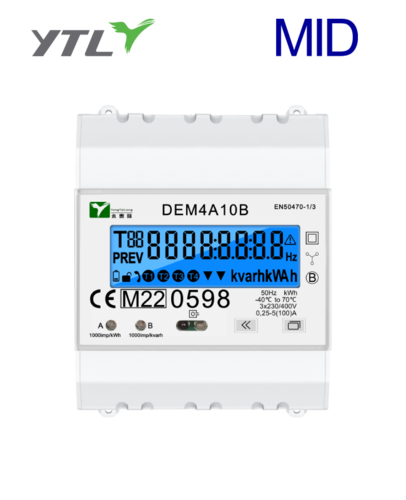
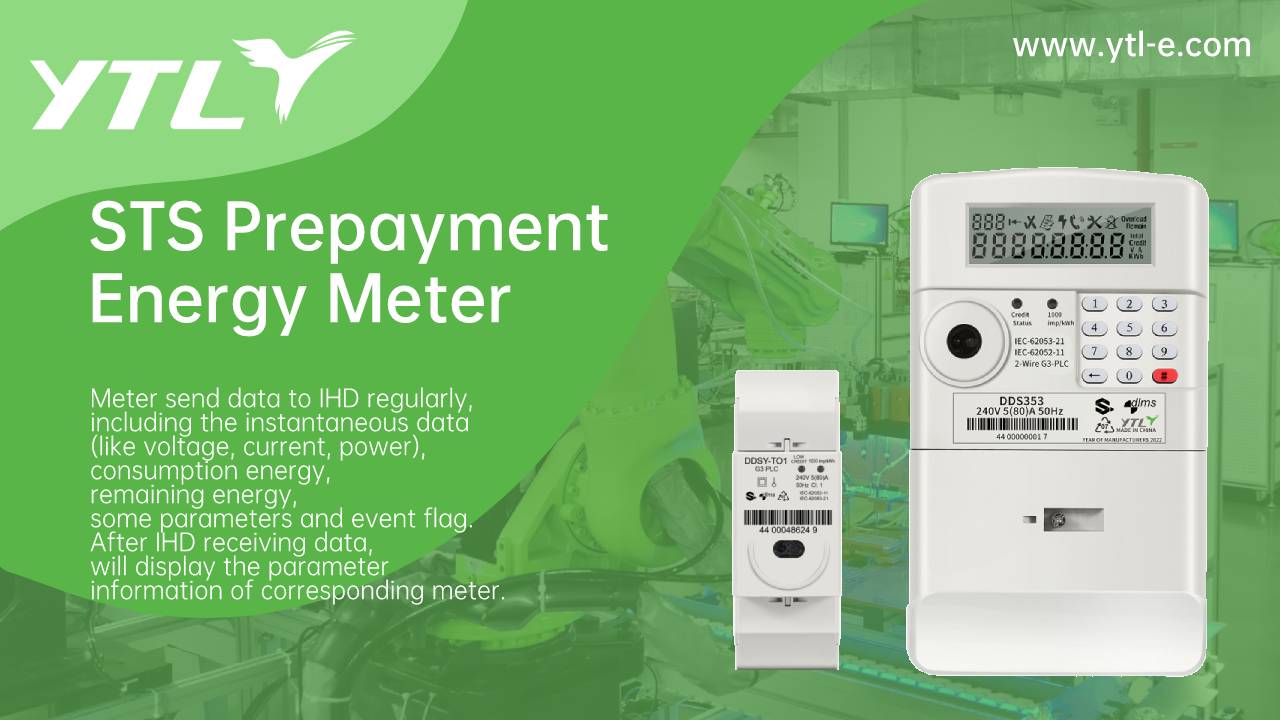
The mainstream smart meters currently deployed have evolved into intelligent sensing and execution units at the end of the power grid.
High-speed and reliable communication: HPLC (High-speed Power Line Carrier), HRF (High-speed low-power wireless such as 470MHz band), and dual-mode communication (HPLC + HRF as backup for each other) have become mainstream. The transmission rate has increased by a hundredfold, supporting high-frequency data collection and stable two-way interaction.
Powerful local processing: Equipped with a high-performance MCU, it has edge computing capabilities: real-time monitoring of voltage and current harmonics (THD), voltage sag/rise events; precise phase positioning (providing data for three-phase imbalance management); immediate identification of abnormal power consumption patterns (providing clues for anti-theft of electricity).
The core of advanced metering infrastructure: It is the cornerstone of the AMI network, enabling:
High-frequency data collection: Supports the upload of minute-level or even second-level electricity load curves (load profiles), providing data support for demand response and precise load forecasting.
Bidirectional information flow: Not only uploads data but also receives and executes instructions from the master station (such as remote parameter setting, software upgrade, rate switching, emergency power cut/reconnection).
Distributed energy resource (DER) interface: Supports net metering, accurately measuring the grid-connected electricity of users' distributed generation such as photovoltaic power.
V. Future Vision: Convergence of Openness and Smart Energy Gateways
The next evolution of smart meters is clear:
Deep Integration of Internet of Things (IoT): Serves as the natural entry point for Home/Building Energy Management Systems (HEMS/BEMS), seamlessly connecting smart circuit breakers, smart sockets, thermostats, photovoltaic inverters, energy storage systems, etc., through local communication (such as Wi-SUN, M-Bus, Zigbee), to achieve coordinated optimization of energy-consuming devices.
Open Platform and Data Sharing: Adhering to open standards, it provides richer energy consumption data to authorized third parties (such as Energy Service Companies - ESCOs) under the premise of ensuring security and privacy, fostering innovative energy services.
Empowerment by Artificial Intelligence (AI): Deploys lightweight AI algorithms at the edge to achieve more accurate load decomposition, equipment fault prediction, and smarter electrical safety protection.
Neural Endings of Virtual Power Plants (VPP): Acts as the metering and control terminal for massive distributed resources, playing a key role in VPP dispatching and aggregating dispersed flexible resources to participate in power market transactions.
Conclusion
From the rotation of mechanical disks to the flow of data within chips, the development history of smart meters is a microcosm of the digitalization, networking, and intelligence of power systems. It has long transcended its single function of "measurement" and grown into a smart energy node integrating precise perception, reliable communication, local computing, and strategy execution. For industrial and commercial users, a deep understanding of the powerful data collection and analysis capabilities of smart meters is the cornerstone for tapping into energy-saving potential, optimizing electricity costs, participating in flexible power markets, and achieving green and sustainable development. In the era of the power Internet of Things, smart meters will continue to evolve, providing underlying support for building a more efficient, resilient, and clean modern energy system, and their value will be continuously unleashed in the grand picture of smart energy.
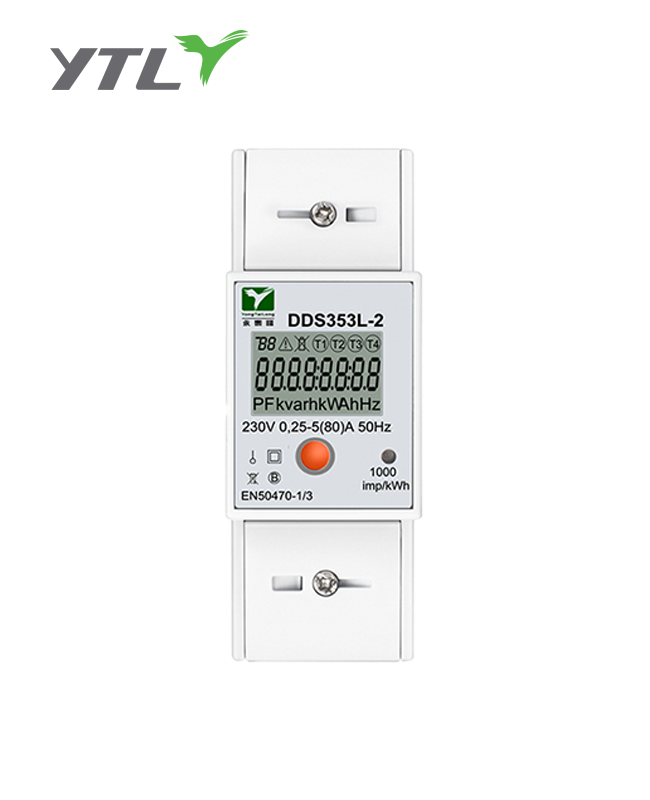
.jpg?imageView2/2/w/500/h/500/format/png/q/100 "YTL Company DTS353C DIN Rail 3P 4 Model Electricity Meter MID")
.png?imageView2/2/w/500/h/500/format/png/q/100 "YTL China Single Phase IC card Prepayment Electricity Meter")