
 English
 简体中文
简体中文



The digital transformation of the global energy system is driving a profound value chain reshaping of the electricity meter industry. The traditional business model centered on hardware manufacturing is facing double pressure: on the one hand, the standardization level of smart meters has increased, and hardware profit margins continue to decline (the industry average gross profit margin has dropped from 32% in 2015 to 18% in 2023); On the other hand, emerging scenarios such as energy IoT and virtual power plants have generated a strong demand for data services. The International Energy Agency (IEA) predicts that by 2030, the global energy management services market will exceed $500 billion, with value-added services based on electricity meter data accounting for over 60%. This trend forces energy meter companies to reposition their roles - whether to stick to the red ocean competition of hardware manufacturing or to transition towards energy management service providers? This strategic choice will determine the survival space of the enterprise in the next decade.
Industry Transformation: The Necessity of Moving from Equipment Sales to Data Empowerment
The technological iteration of electric energy meters has broken through the single metering function. The new generation smart meter is equipped with edge computing chip and multi protocol communication module, which can analyze the power load in real time, diagnose equipment status, predict maintenance cycle, and even participate in grid demand response. This capability extension has upgraded the electricity meter from a "metering terminal" to an "energy data portal", shifting its value focus from hardware itself to data derived services.
There are three core factors driving transformation:
Hardware profit peaks: The annual growth rate of global smart meter shipments has dropped below 5%, and price competition is fierce. Relying solely on hardware sales is difficult to support sustained growth;
Customer demand evolution: Industrial and commercial users are no longer satisfied with basic metering, but instead seek comprehensive solutions such as energy efficiency optimization, carbon emission management, and electricity trading;
Policy and regulatory pressures: The European Union's Energy Efficiency Directive (EED) requires large buildings to deploy energy management systems, while China's "dual carbon" goals promote companies to establish carbon accounting systems. These policies directly expand the market space for data services.
The financial report of a European energy meter company confirms this trend: its service revenue accounted for 58% in 2023, surpassing hardware sales for the one time, with a customer renewal rate of up to 91%, forming a stable cash flow moat.
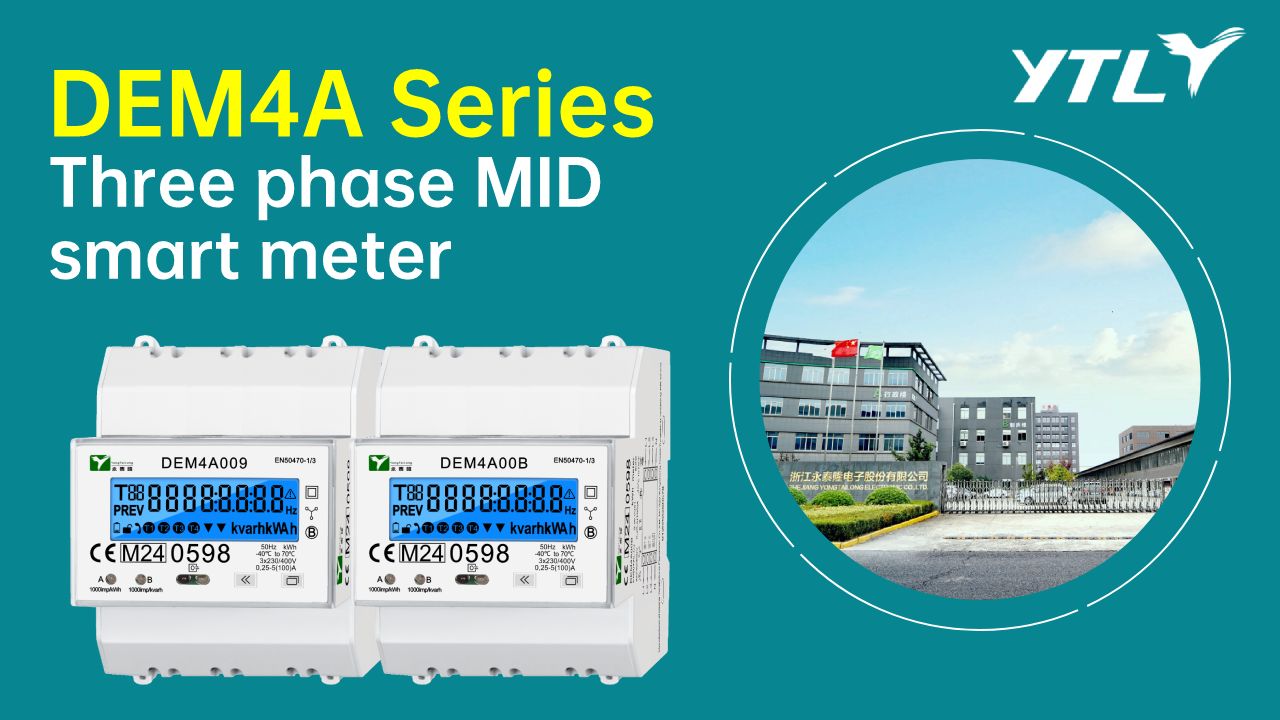
Comparison of paths between two modes
Hardware manufacturer mode
Core competencies: precision manufacturing, cost control, and large-scale delivery
Profit structure: Equipment sales are mainly based on one-time income, with a gross profit margin of 15% -25%
Competitive barriers: production automation level, raw material supply chain management
Typical risks: intensified price war, inventory depreciation caused by technological iteration
Energy Management Service Provider Model
Core competencies: data analysis, software platform development, ecological resource integration
Profit structure: subscription based service fee (ARR), data value-added sharing, transaction commission
Competitive barriers: algorithm model accuracy, industry knowledge accumulation, customer stickiness
Typical risks: high initial R&D investment, data security compliance pressure
The two modes are not completely opposed, but have a progressive evolutionary path. Leading enterprises often adopt a hybrid strategy of "hardware diversion+service monetization": quickly occupying market share through cost-effective hardware, and then charging annual fees through SaaS platforms. For example, a certain Asian energy meter company provides free energy audits to industrial customers, and extracts a 20% share of the electricity saved through optimized solutions, resulting in a 400% increase in service revenue within 3 years.
Refactoring Logic of Technical Architecture
Transforming into a service provider requires restructuring three major technological pillars:
Edge Intelligence: Integrating lightweight AI chips (such as Google Edge TPU) into electricity meters to achieve local load forecasting, anomaly detection, and reduce cloud computing costs;
Open platform: Build an API ecosystem that supports data exchange with third-party systems such as ERP, MES, BMS, etc., such as connecting industrial equipment through OPC UA protocol;
Security Architecture: Adopting a zero trust security model, SE security chips are embedded in the hardware, and homomorphic encryption is implemented in the software layer to meet global privacy regulations such as GDPR and CCPA.
The direct value of technological upgrades is reflected on the customer side: a chemical enterprise optimized the operation strategy of its refrigeration unit through electricity meter data, saving an annual electricity fee of 2.3 million yuan, while the service fee paid only accounted for 15% of the energy-saving revenue.
Innovative Practice of Business Models
Subscription based service (Meter-as-a-Service)
Customers pay annual fees based on the number of electricity meters or data points, covering equipment maintenance, software upgrades, and data analysis. This model increases customer LTV (life cycle value) by 3-5 times, enabling a North American company to achieve 85% of annual recurring revenue (ARR).
Transaction sharing model
In the open areas of the electricity spot market, electricity meter companies participate in demand response by aggregating user adjustable loads and extracting commissions from grid compensation. A company in Australia has achieved an average annual revenue sharing of $1200 per household through this model.
Carbon service value-added
Generate enterprise carbon emission reports based on electricity meter data and provide emission reduction certification services. T Ü V Germany has recognized this type of digital report for EU carbon tariff (CBAM) declaration, becoming a new revenue growth point.
The way to challenge and break through the game
The transformation process faces three challenges:
Cross domain integration of technology: It is necessary to integrate measurement technology, data science, and energy trading knowledge. Traditional hardware teams need to supplement AI engineers and energy economists;
Organizational capability upgrade: shifting from product orientation to customer success orientation, establishing a 7 × 24-hour energy custody service team;
Ecological cooperation bottleneck: It is necessary to establish a data sharing mechanism with power grid companies, cloud service providers, and vertical industry ISVs to solve the problem of "data silos".
The key to breaking the deadlock lies in building differentiated capabilities——
Industry verticalization: Deeply cultivate high energy consuming industries such as steel and data centers, and develop specialized analysis models;
Platform openness: Attracting developers to enrich the application ecosystem through open source SDKs;
Service lightweighting: Launching standardized "plug and play" service modules to lower the usage threshold for small and medium-sized customers.
Future vision: core nodes of energy Internet
The ultimate goal of the electric energy meter company is to become the "operating system" of the energy Internet. By connecting billions of terminal devices in real-time, its data platform will support three core functions:
Dynamic energy pricing: Generate minute level electricity price signals based on supply and demand relationships to guide users in optimizing energy consumption;
Decentralized trading: Implementing direct sales of household photovoltaic surplus electricity based on blockchain, eliminating intermediary price differences;
City level scheduling: coupling traffic, building, and meteorological data to achieve regional comprehensive energy optimization.
When meter data can drive efficient allocation of energy assets, the value of energy meter companies will no longer be measured by "meter sales", but by "managing energy flow" as the core indicator. The essence of this transformation is the upgrading competition from "manufacturing products" to "operating energy ecology". For decision-makers, the urgency of strategic choices has become prominent - in the second half of the energy revolution, only companies with both hardware foundations and service genes can win the right to define industry rules.
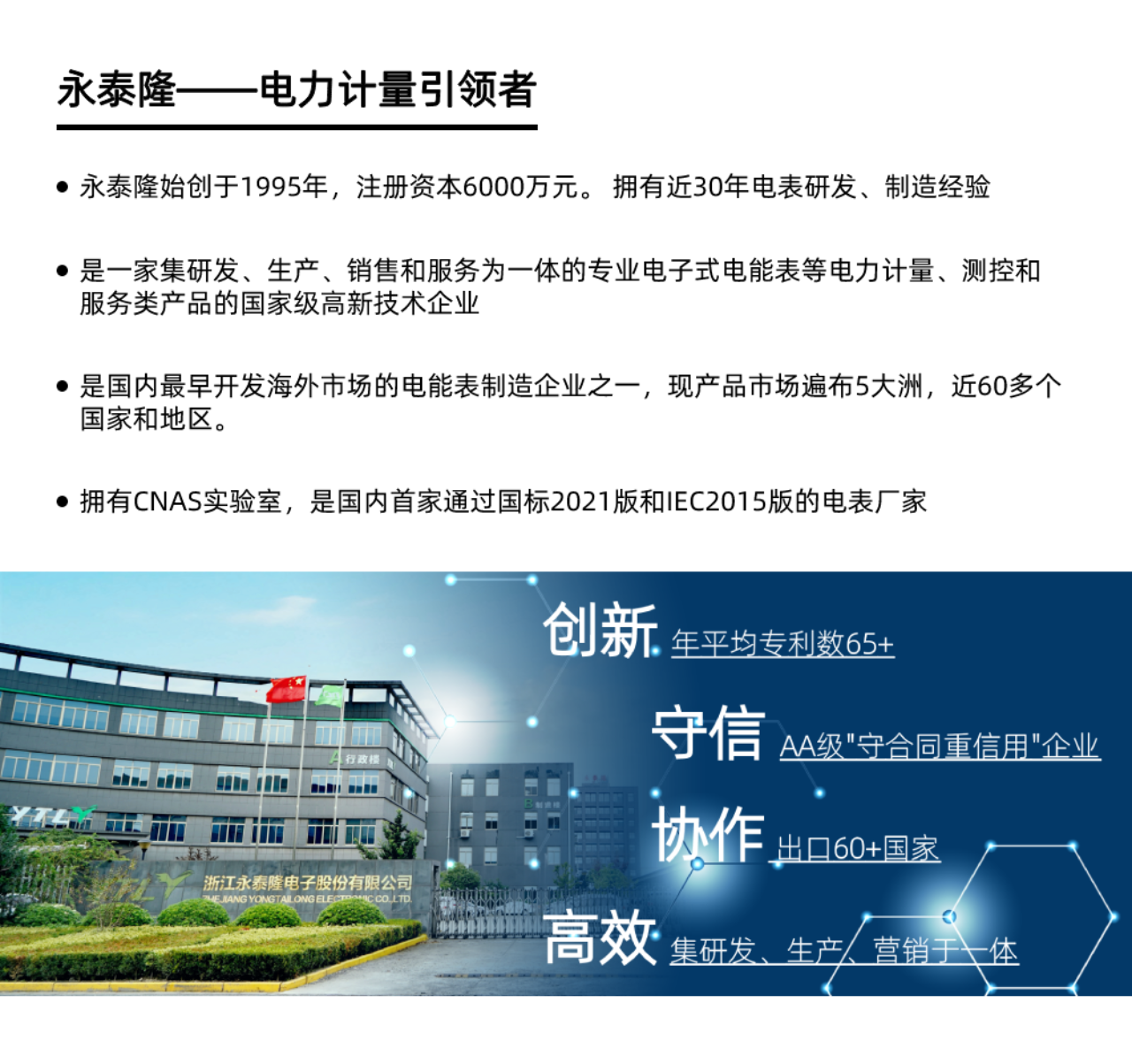
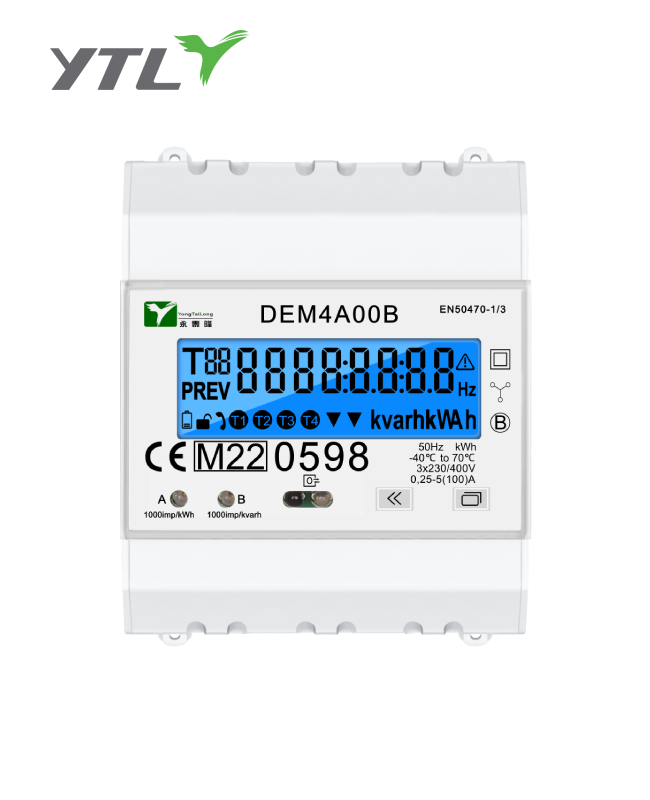
.jpg?imageView2/2/w/500/h/500/format/png/q/100 "YTL Company DTS353C DIN Rail 3P 4 Model Electricity Meter MID")
.png?imageView2/2/w/500/h/500/format/png/q/100 "YTL Two Phase Three Wire LCD Shunt sampling Energy Meter")
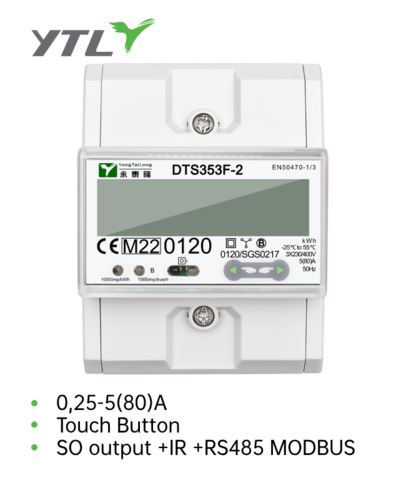
.png?imageView2/2/w/500/h/500/format/png/q/100 "YTL China Single Phase IC card Prepayment Electricity Meter")