
 English
 简体中文
简体中文



The century long development history of electric energy meters is essentially a microcosm of the transition of energy management technology from mechanical perception to digital intelligence. From the birth of inductive mechanical electric meters in the late 19th century to the intelligent terminals that support the Energy Internet of Things (EIoT) today, the technological evolution of electric energy meters has always revolved around two core propositions: improving measurement accuracy and mining data value. This century long transformation not only reshapes the functional boundaries of electric energy meters, but also redefines the strategic role of electric energy meter companies in the global energy system.
1、 The Era of Mechanical Metrology: The Foundation of Accuracy and Reliability
Mechanical energy meters use electromagnetic induction as the principle and drive mechanical counters through the rotation of aluminum disks to achieve basic measurement of electricity consumption. Its technical core focuses on optimizing the physical structure:
Magnetic circuit design: using silicon steel sheet laminated iron core to reduce eddy current loss and control the error within ± 2% (IEC 60051 standard);
Bearing material: The application of sapphire or agate bearings reduces the accuracy degradation caused by mechanical wear from 0.5% per year to 0.1%;
Temperature compensation: The bimetallic structure offsets the influence of ambient temperature on braking torque, ensuring measurement stability within the range of -25 ℃ to+55 ℃.
The technological logic of this stage is the ultimate breakthrough in mechanical accuracy, and the core competitiveness of electric energy meter companies is reflected in their precision manufacturing capabilities and material science accumulation. However, the inherent limitations of mechanical structures, such as the inability to record dynamic information such as electricity consumption time and load curves, make it difficult to meet policy requirements such as time of use electricity prices and demand based billing at the end of the 20th century. This marked the turning point of technological innovation.
2、 Electronic Metrology: A Qualitative Change from Analog to Digital
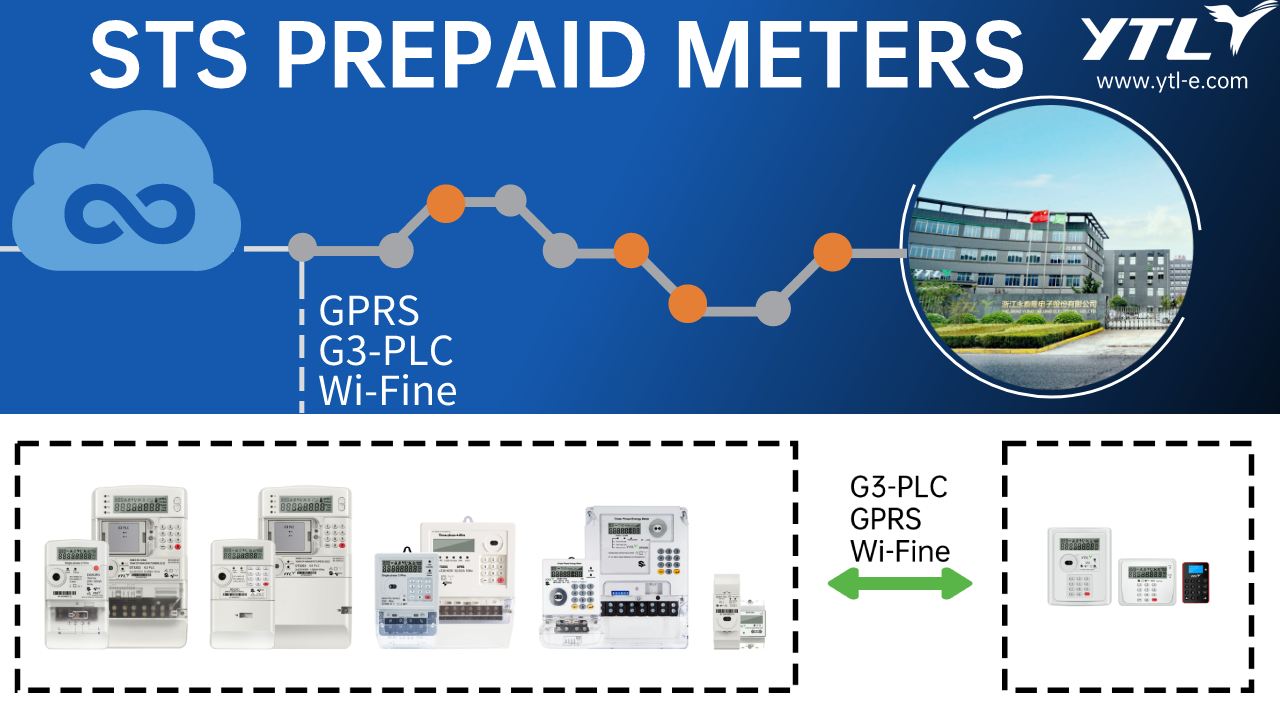
In the 1980s, electronic energy meters took the step towards digitization by replacing mechanical transmission with integrated circuits. Its technological leap is reflected in three dimensions:
Innovation in Measurement Principles: By using time division multipliers or ∑ - Δ analog-to-digital converters, voltage and current signals can be directly digitized, resulting in a leap in accuracy to level 0.5 (IEC 62053-21 standard);
Function extension: Built in real-time clock (RTC) supports time-sharing metering and can record electricity consumption during peak, valley, and off peak periods;
Sprout of data interface: Configure RS-485 or infrared communication module to achieve semi-automatic meter reading.
Electronic meters have solved the dynamic measurement problem of mechanical meters, but due to local storage and one-way communication, the value of data has not been fully released. At this time, energy meter companies began to transform from "equipment manufacturers" to "system integrators", providing meter reading systems and basic data analysis software, and the industry's gross profit margin rebounded to 25% -30%.
3、 Smart Meter Era: Integration of Communication Technology and edge computing
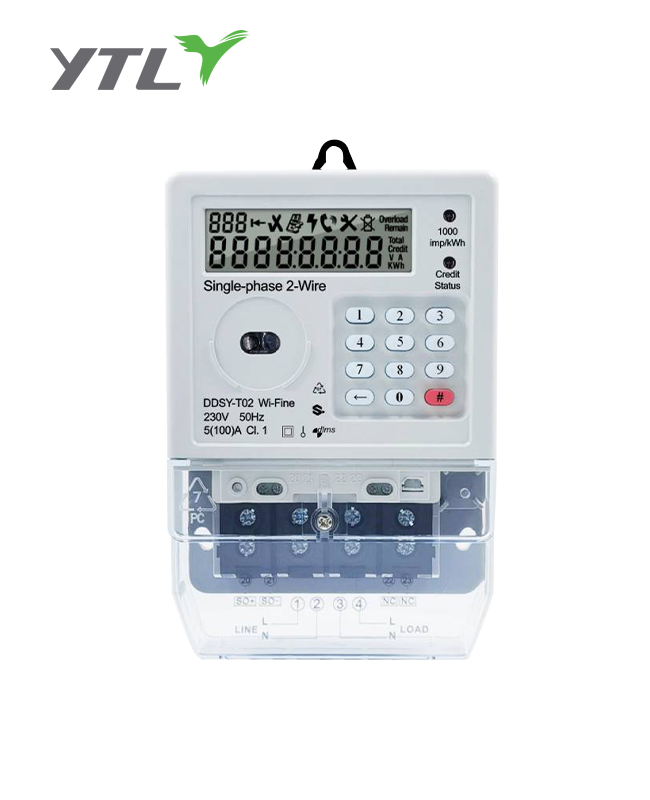
At the beginning of the 21st century, the wave of smart grid construction propelled electric energy meters into the intelligent stage. The innovation of technological architecture focuses on:
Bidirectional real-time communication: Through wireless technologies such as GPRS, LoRaWAN, NB IoT, etc., minute level data transmission and remote control can be achieved;
Edge computing capability: it is equipped with ARM Cortex-M series processors to perform load forecasting, harmonic analysis and other algorithms locally;
Security system upgrade: Using hardware encryption chips (such as Secure Element) and national security SM4 algorithm to ensure data privacy and tamper resistance.
Smart meters upgrade energy meter companies from "metering service providers" to "energy data operators". For example, by analyzing the 15 minute load curve, the no-load losses of factory equipment can be accurately identified, guiding users to optimize production schedules; Real time monitoring of voltage sag events to assist in locating faulty nodes in the power grid. This type of service increases customer life cycle value (LTV) by more than three times, driving the industry's business model towards subscription based transformation.
4、 Energy Internet of Things (EIoT): Ecological Reconstruction of Measurement Terminals
Currently, electric energy meters are accelerating their integration into the energy Internet of Things system, and the technological evolution is showing three major trends:
1. Multi energy metering integration
DC metering: supports precise metering of photovoltaic DC side and electric vehicle charging piles (EN 50470-3 standard);
Heat equivalent conversion: Built in heat pump energy efficiency ratio (COP) dynamic calibration model, realizing electric thermal joint measurement;
Carbon emission factor embedding: Linking carbon intensity data of the power grid, real-time calculation of carbon dioxide equivalent corresponding to electricity consumption.
2. Deepening edge intelligence
AI chip integration: using NPU accelerated TinyML model to perform local device health diagnosis (such as transformer winding temperature prediction);
Autonomous decision-making ability: Based on reinforcement learning algorithms, automatically initiate energy storage discharge during peak electricity price periods without the need for cloud commands.
3. Platform based ecological construction
Open API system: seamlessly integrate with virtual power plants (VPP) and building management systems (BMS) through RESTful interfaces;
Empowered by blockchain: Utilizing smart contracts to achieve green power traceability and peer-to-peer transactions, increasing data storage efficiency by 90%;
Digital twin coupling: Building a data-driven virtual power grid model for electricity meters to simulate resilient response strategies under weather conditions.
5、 Strategic Restructuring of Electric Energy Meter Companies
Technological leap directly drives the reconstruction of business models:
Diversified profit models
Hardware sales (proportion reduced to below 40%);
Data subscription services (energy efficiency analysis, carbon management reports);
Transaction commissions (demand response revenue sharing, green electricity trading fees).
Transfer of core competencies
Manufacturing capability → algorithm capability: shifting from precision machining to developing load prediction models and anomaly detection algorithms;
Product thinking → Ecological thinking: Lead or participate in energy IoT standard alliances (such as OCPP charging protocol).
Market boundary expansion
Expanding from electricity metering to comprehensive energy metering such as heat and hydrogen energy;
Extending from the public utility market to scenarios such as industrial and commercial users, smart communities, and integrated transportation and energy.
6、 Future challenges and technological tipping points
Electric energy meter companies need to break through the triple technology commercial critical point:
Balancing computing power and power consumption: Achieving TOPS level edge AI computing power under the constraint of 5W power consumption;
Protocol fragmentation integration: Unified cross domain communication standards such as Modbus, DNP3, IEEE 2030.5, etc;
Privacy value balance: Using federated learning to achieve data availability and invisibility, solving privacy computing challenges.
conclusion
From mechanical gears to AI chips, from one-way counting to ecological interconnection, the technological leap history of electric energy meters reflects the evolutionary trajectory of human energy utilization efficiency. When energy meter companies no longer consider themselves as "meter manufacturers" but as "energy IoT architects" restructuring urban energy networks, their value measurement standards have shifted from "measurement accuracy" to "data empowerment breadth". Under the dual wave of zero carbonization and digitization, this technological leap is not only an inevitable choice for enterprise survival, but also a historical mission to go the global energy system to evolve towards higher forms.