
 English
 简体中文
简体中文



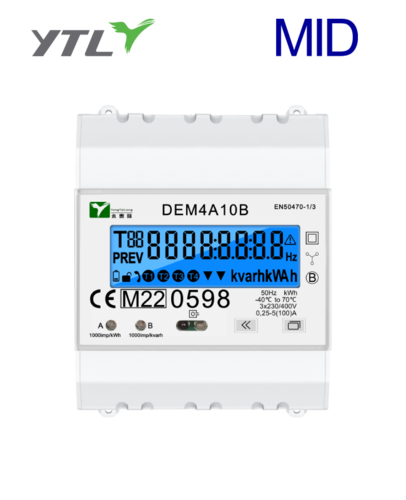
In modern life, electricity is everywhere, and the electricity meter is like a "little guard" that silently records our electricity usage. You may use electricity every day, but how much do you know about the electricity meter? Today, let's take a look at the mystery of the electricity meter.
An electricity meter, also known as a watt-hour meter, is a device specifically used to measure electric energy. From industrial production to daily life, electricity meters play an indispensable role in various electricity - using scenarios. The data for our monthly household electricity bills comes from the electricity consumption recorded by the electricity meter. In factories, electricity meters accurately measure the electricity consumed by machine operations, helping enterprises reasonably plan their production electricity usage.
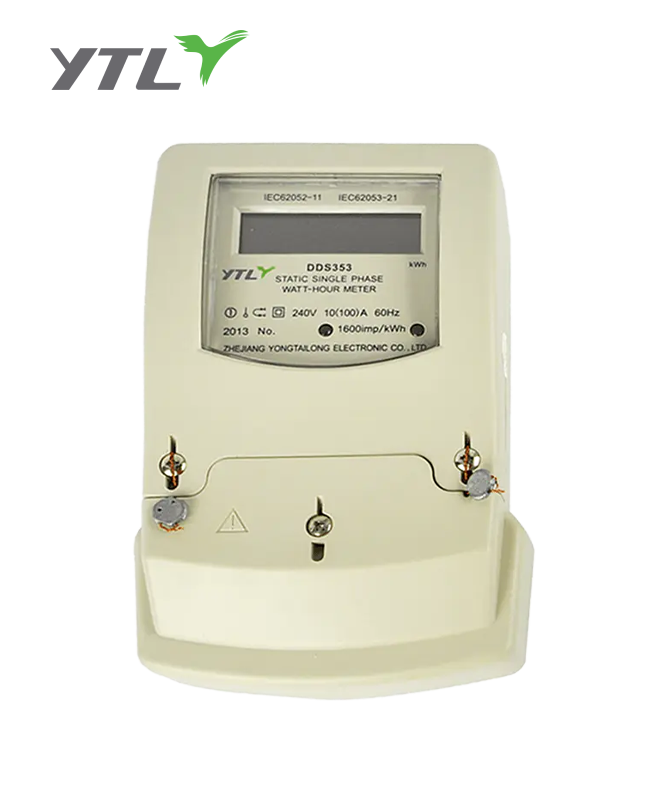
The development of electricity meters has gone through a long process. The earliest electricity meter was invented in 1881 based on the electrolysis principle. At that time, it was very bulky and its accuracy was difficult to guarantee. With the discovery and application of alternating current, the induction - type electricity meter came into being in 1888. Due to its simple structure, safe operation, low price, and ease of maintenance and mass production, it developed rapidly. In China, the production of AC induction - type electricity meters started with imitating foreign products in the 1950s. After continuous efforts, it gradually achieved a considerable level of manufacturing and scale. Later, with the progress of science and technology, various new types of electricity meters such as long - life electricity meters, electromechanical integrated electricity meters, all - electronic electricity meters, multi - functional all - electronic electricity meters, prepayment electricity meters, and time - of - use electricity meters were successively introduced. In 2009, the concept of smart meters emerged. They can not only solve the problems of step electricity prices and remote meter reading but also have a variety of intelligent functions such as anti - theft electricity, remote fee control, and two - way metering, becoming an important part of modern power grid construction.
Electricity meters have a wide range of application scenarios. In households, single - phase electricity meters are used to accurately measure the electricity consumption of each household, helping us understand the household electricity usage, arrange electricity use reasonably, and save electricity costs. In commercial places such as shopping malls and office buildings, electricity meters can independently measure the electricity consumption of different shops and office areas, facilitating the management to settle electricity bills and manage energy consumption. In the industrial field, electricity meters can accurately measure the electricity consumption of factory equipment, providing data support for enterprises in energy cost accounting and production process optimization. In addition, in distributed photovoltaic power generation systems, electricity meters can accurately measure the electricity purchased by users from the power grid and the electricity fed into the power grid by the photovoltaic system, which is a key device for the settlement of the "self - use of generated electricity and surplus electricity fed into the grid" mode. They also play an important role in metering and monitoring in new energy fields such as micro - grid systems, energy storage systems, and charging pile management systems.
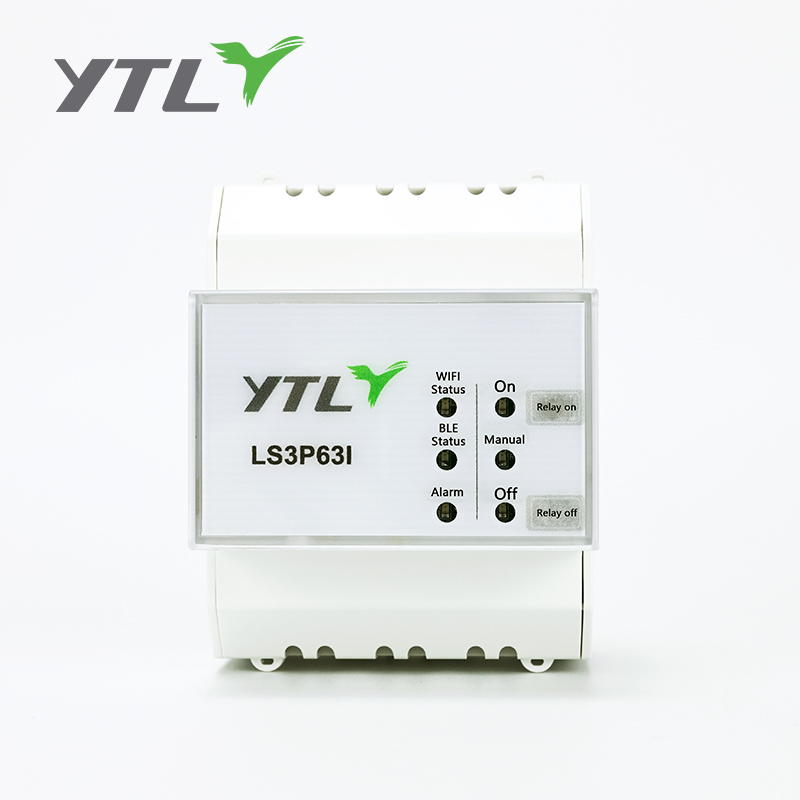
With the continuous progress of science and technology, today's smart meters show many advantages. They have a variety of anti - theft electricity functions, with small starting current, no creep, wide load range, low power consumption, a flat error curve, and good long - term operation stability. Smart meters also have the characteristic of high accuracy. They adopt an all - electronic design with a built - in imported special chip, and their accuracy is not affected by frequency, temperature, voltage, and high - order harmonics. Moreover, they have a long service life. Using SMT technology and optimized circuit design, there is no need to adjust the circuit after the whole machine leaves the factory. Smart meters can also realize prepayment of electricity. They can transmit data through IC cards or networks, and can read back information such as total electricity consumption, remaining electricity, accumulated purchased electricity in the meter, and total number of electricity purchases. They can also alarm when there is an overload or insufficient remaining electricity to remind users to purchase electricity in time.
Although the electricity meter is small, it plays a vital role in the power field. From the initial simple metering tool to today's powerful smart meter, it has witnessed the progress of science and technology and brought great convenience to our life and production. It is hoped that through today's introduction, you will have a deeper understanding of electricity meters and pay more attention to electricity usage in your future life, so as to use electricity reasonably and save electricity.
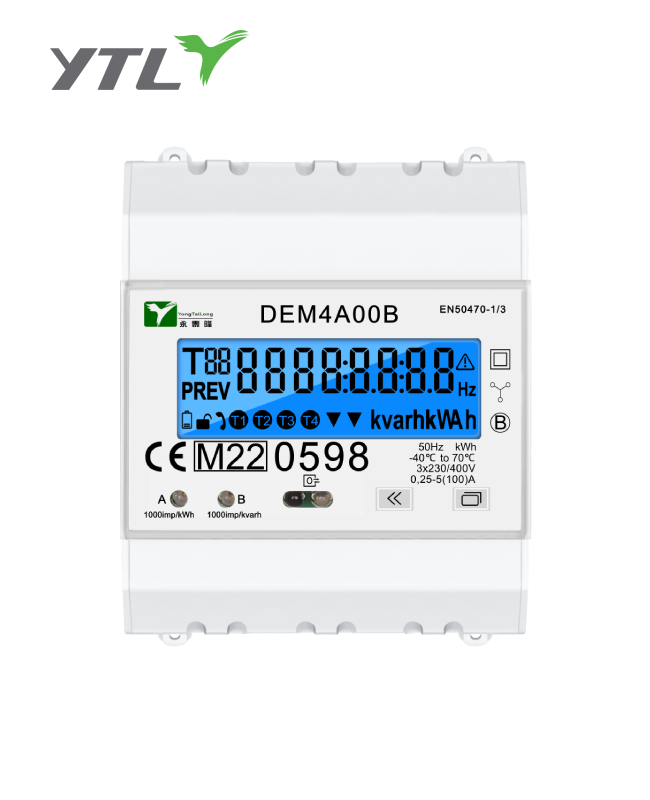
.png?imageView2/2/w/500/h/500/format/png/q/100 "YTL Two Phase Three Wire LCD Shunt sampling Energy Meter")
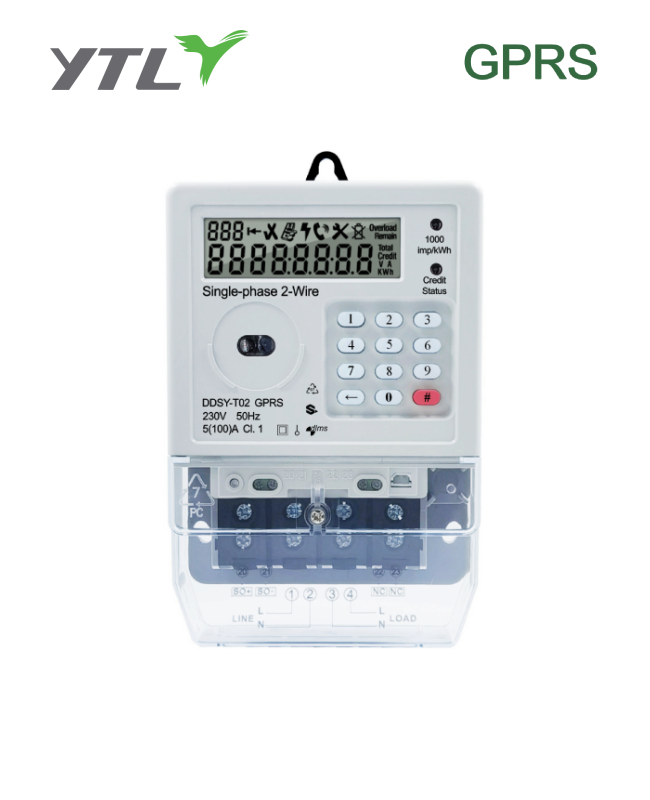
.png?imageView2/2/w/500/h/500/format/png/q/100 "YTL China Single Phase IC card Prepayment Electricity Meter")