
 English
 简体中文
简体中文



Electricity Meters: From Mechanical Dials to Smart Stewards
In our daily lives, there is a little guardian working silently, always keeping an eye on the electricity usage at home. That is the electricity meter. From being a simple billing tool initially to becoming an intelligent "electricity steward" today, the electricity meter has undergone a long and wonderful evolution.
In 1894, the batch of electricity users in China who implemented metered charging emerged in Shanghai, marking the start of China's electricity metering. At that time, electricity meter technology was blocked by Western countries, and all the meters used were "foreign products". It was not until 1955 that Harbin Electric Meter Instrument Factory successfully produced the domestic generation of mechanical meters - the DD1 single-phase electricity meter, which gave Chinese electricity meters a unified "ID card" and ended the history of relying on imports. Since then, mechanical electricity meters have been continuously upgraded and gradually popularized across the country.
However, with the development of society, traditional mechanical electricity meters have gradually been unable to meet the needs of electricity management. In the late 1980s, electromechanical integrated electricity meters equipped with electronic components, which could realize functions such as time-sharing metering and automatic meter reading, came into being. This was the step towards "digitalization" in electricity metering management. In 1993, the nationwide "one meter per household" renovation began, enabling independent metering for each household or unit. Nevertheless, both mechanical and electromechanical integrated electricity meters had the problem of low metering accuracy.
At the end of the 20th century, China began to produce its own electronic electricity meters. These meters, which adopt electronic circuit measurement methods, have high accuracy, low power consumption and good safety. After 2000, the application of collectors brought China into the era of "automatic meter reading". In 2005, the total output of electronic electricity meters exceeded that of mechanical ones for the time. Then, with the emergence of the smart grid concept, at the end of 2009, smart electricity meters began to be promoted nationwide and fully took over in 2018, marking the official retirement of mechanical electricity meters. Since then, the standards for smart electricity meters have been continuously iterated, with more accurate metering, more functions and a longer service life.
Today's smart electricity meters are no longer just simple billing tools. They can perform remote meter reading, allowing power supply personnel to know electricity usage data without visiting the home; they can realize remote fee control, making it convenient for users to keep track of electricity bills at any time; and they also have anti-theft early warning functions to ensure electricity safety. In addition, they support two-way metering and can be linked with smart home devices, bringing more convenience to our lives.
To ensure fair, just and accurate metering, electricity meters also have a "service life". According to national standards, the replacement cycle of electricity meters is 6 to 8 years. During the period of use, electricity meter data is connected to the electricity information collection system and undergoes "physical examinations" by the operation abnormality model at all times. Once an abnormality is found, the staff of the power supply company will handle it in a timely manner to fully protect the rights and interests of users.
From 1894 to the present, electricity meters have completed a gorgeous transformation from mechanical dials to smart meters. In this process, what has changed is the continuous upgrading of technology, and what remains unchanged is the persistent pursuit of accurate metering services. The next time you see the electricity meter at home, do you feel it is both familiar and unfamiliar? Feel free to share your "electricity meter stories" with us.
.png?imageView2/2/w/500/h/500/format/png/q/100 "YTL STS Prepaid Wi-Fine Energy Meter Single Phase Wall")
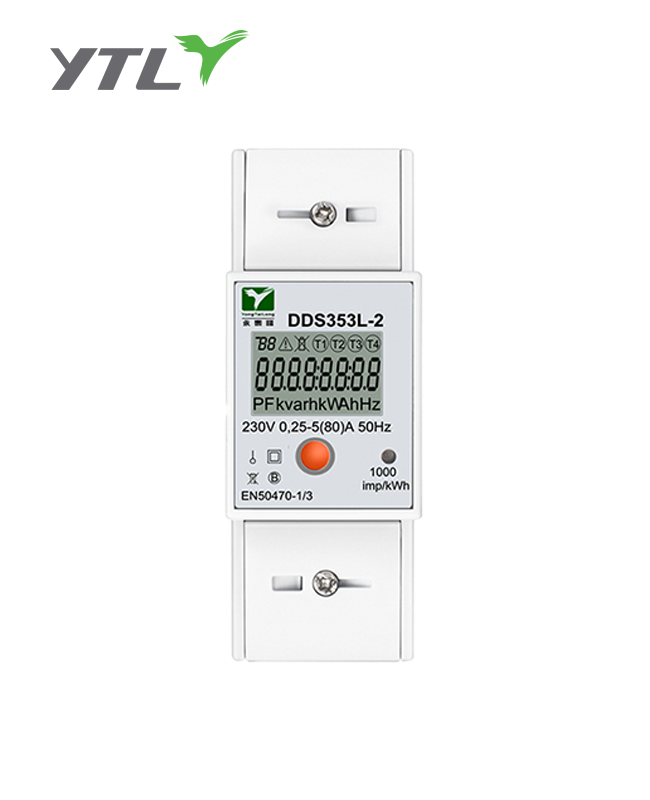
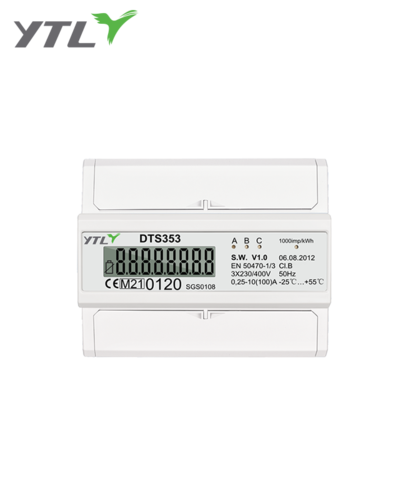
.png?imageView2/2/w/500/h/500/format/png/q/100 "YTL Two Phase Three Wire LCD Shunt sampling Energy Meter")
.png?imageView2/2/w/500/h/500/format/png/q/100 "YTL Two Phase Three Wire Big counter Electricity Meter")
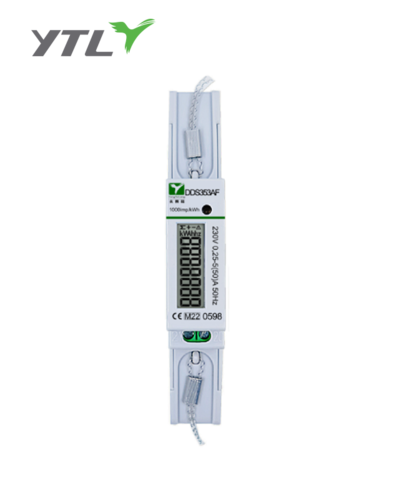
.png?imageView2/2/w/500/h/500/format/png/q/100 "YTL Single Phase Active Electronic Electricity Meter")