
 English
 简体中文
简体中文



Recently, the disclosure of State Grid's third batch of metering equipment tender data for 2025 has sent ripples across the energy industry. The data shows that electricity meter accuracy has improved from 99.85% to 99.95%. This seemingly minor 0.1% advancement is projected to achieve annual energy savings of 120 million kWh, equivalent to the monthly electricity consumption of 300,000 households. This "energy efficiency revolution," triggered by improved meter accuracy, is quietly reshaping the entire energy market landscape.
**I. Qualitative Shift in Procurement Structure: Smart Meter Share Exceeds 60%, Era of Large-Scale Application Dawns**
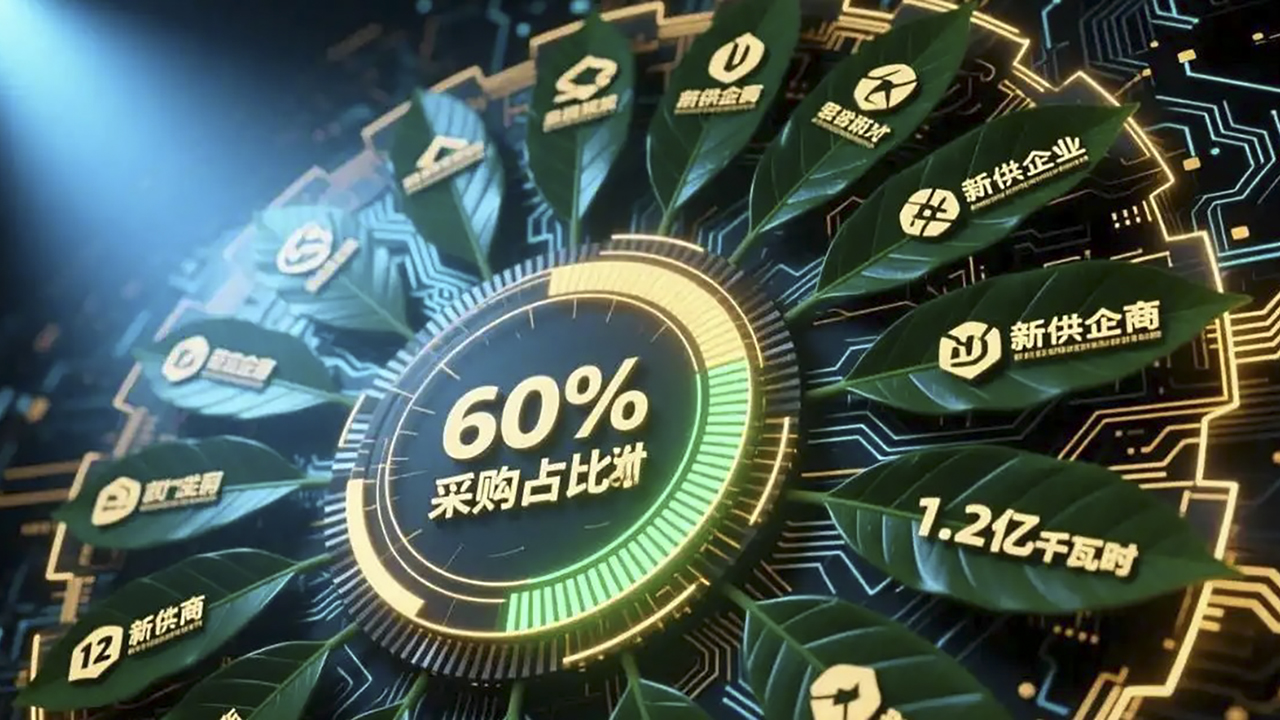
The most notable change in this tender is the proportion of new standard smart meters reaching 60%, a sharp increase of 25 percentage points from the previous batch, far exceeding the industry's earlier threshold estimate of 40%. This data marks a milestone, signifying that smart meter technology has completed the critical leap from pilot demonstration to large-scale application.
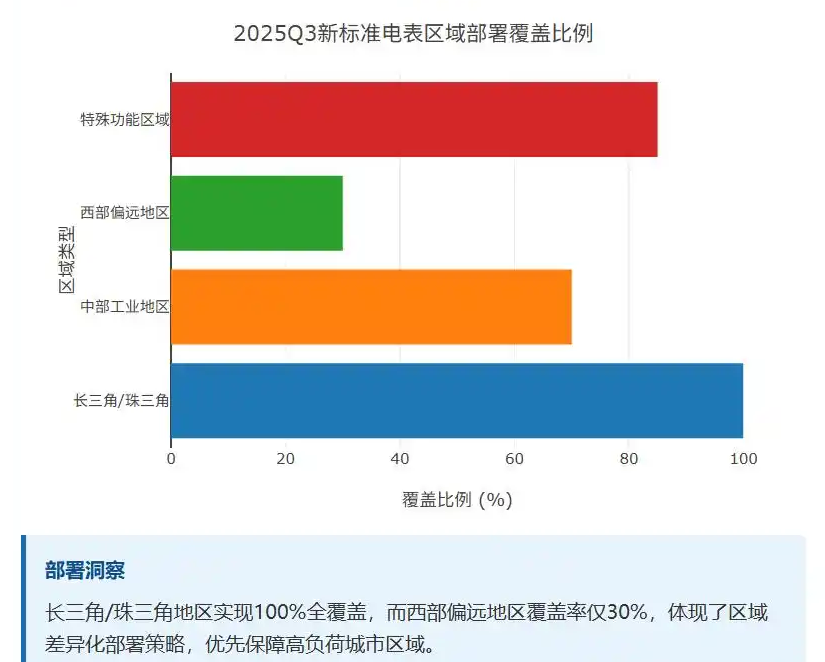
A deeper analysis of the procurement strategy reveals that State Grid has adopted a forward-looking "Three-Region Gradient Deployment" plan: achieving 100% coverage in load center regions like the Yangtze River Delta and Pearl River Delta; reaching 70% penetration in central industrial hubs; and retaining 30% traditional equipment as a buffer in remote western areas. This differentiated promotion strategy ensures rapid technological advancement while reserving ample space for subsequent iterations and optimization, demonstrating exceptional strategic wisdom.
An expert from the State Grid Energy Research Institute pointed out: "The 60% procurement share isn't just a numbers game; it represents the comprehensive attainment of technological maturity, cost-effectiveness, and system compatibility. This is like the historical tipping point when smartphones replaced feature phones – once penetration surpasses a certain critical value, the entire industrial ecosystem enters a new phase of accelerated development."
**II. Increased Technical Investment: The Strategic Vision Behind the 1.5 Billion Yuan Special Fund**
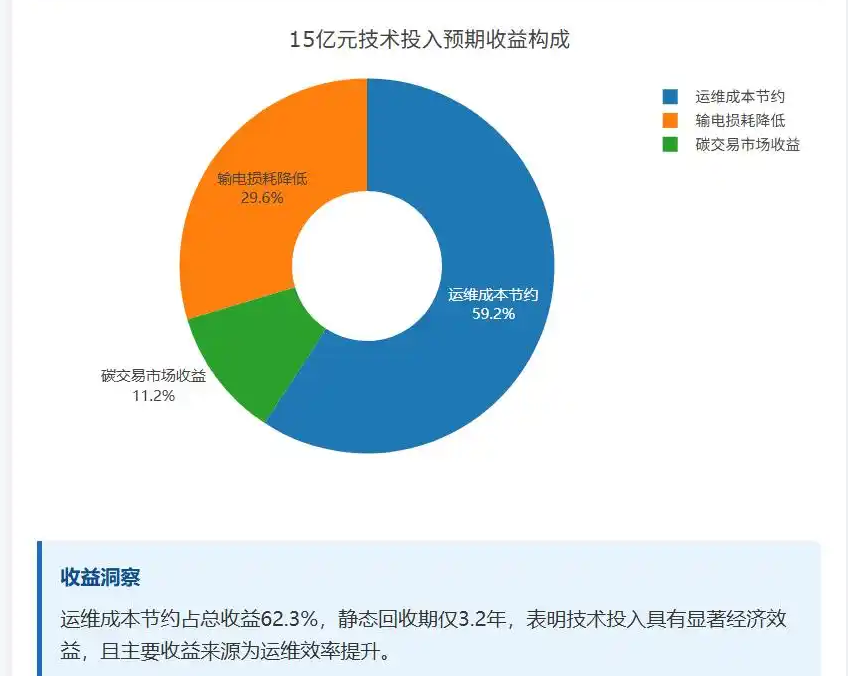
The 1.5 billion yuan special fund for technical upgrades this quarter, a 40% increase compared to the previous quarter, has attracted widespread attention in the capital markets. However, this is not merely a cost expenditure but a strategically calculated investment.
From a return-on-investment perspective, this input will generate value through three main channels: Firstly, the failure rate of new standard smart meters has decreased by 62% compared to traditional equipment,预计每年 saving an estimated 380 million yuan in maintenance costs annually. Secondly, precise metering enables more accurate peak and off-peak grid regulation, reducing transmission losses by 2.3%. Furthermore, in the carbon trading market, the 120 million kWh energy savings correspond to approximately 120,000 tons of carbon emission reductions. Calculated at the current carbon price, the annual revenue could reach 72 million yuan.
Comprehensive calculations show a static payback period for this investment of only 3.2 years, far below the average service life of power equipment of 15 years. This investment logic is reminiscent of Amazon's early sustained investment in AWS – while outsiders questioned the cost of cloud computing, Bezos insisted on investing 15% of revenue in R&D, ultimately building a tech empire with annual revenues exceeding $80 billion. State Grid's current technical investment is essentially using today's certain investment to secure a dominant position in the future energy internet era.
**III. Value of Precision Breakthrough: The Multiplier Effect and System Restructuring Behind 0.1%**
"Improving measurement accuracy by 0.1% sounds like a numbers game in the lab, but the value it creates is comparable to discovering a new oil field," commented Professor Li Jianguo from North China Electric Power University. If the power grid is compared to a huge reservoir, a 0.1% metering error is like a crack constantly leaking water at the bottom – over time, this amounts to astronomical energy losses.
Specifically, based on the national scale of 220 million electricity meters, a 0.1% accuracy improvement means reducing metering errors by 220 million kWh per year – equivalent to the annual output of a medium-sized hydropower station. In practical applications, the value brought by precise metering has more of a multiplier effect: for industrial users, the accuracy improvement increases the accuracy of their energy cost accounting by 15%, providing data support for lean production; for grid companies, load data accurate to the second makes "virtual power plant" dispatch possible. Pilot projects in the East China Grid alone have already achieved a 23% improvement in peak-shaving capability.
This technological breakthrough, where "greatness is found in the tiniest margins," is akin to the process advancement in chip manufacturing from 14nm to 7nm – a seemingly small improvement that opens up new application spaces. The improvement in metering accuracy is similar; it is not just an improvement in technical indicators, but the key that unlocks the door to energy digitalization.
**IV. Restructuring Market Landscape: 12 New Suppliers Break In, Cross-Border Integration Becomes Trend**
This tender saw 12 new high-tech suppliers added, a year-on-year increase of 50%, revealing the profound reshaping of the industrial ecosystem by technological upgrades. In the traditional electricity meter market, the top five suppliers long held over 80% of the market share, forming a relatively solidified landscape. Now, these new "tech-savvy" players are tearing open market gaps with differentiated innovations.
The background of the new players is noteworthy: five are from the consumer electronics field, three have backgrounds in power system AI algorithm R&D, two have crossed over from new energy vehicle BMS systems, and another two are startups focused on edge computing. This cross-industry technological integration is spawning new "meter+" business formats.
A bidding manager from a Shenzhen new energy technology company revealed: "We secured 15% market share in niche markets relying on edge computing chips and AI load forecasting algorithms. Traditional giants, while having advantages in production capacity and channels, are already showing fatigue in the response speed of smart functions." This change in the competitive landscape replays the history of smartphones disrupting the feature phone era – when technological change occurs, market rules are rewritten, and new entrants achieve overtaking via innovation.
**V. Extended Energy Savings: The Systemic Value and Carbon Neutrality Contribution Behind 120 Million kWh**
Projected annual energy savings of 120 million kWh, a 30% improvement over traditional equipment – behind these environmental statistics lies strategic significance far deeper than simple electricity savings. According to State Grid's "New Power System Development Plan," by 2030, new energy generation will account for over 45% of the total, with volatility and intermittency remaining major grid integration challenges. New meters with high-precision metering and real-time communication functions are becoming the key to solving this problem.
Deputy Director Lin Gang of the State Grid Energy Internet Research Institute explained: "When hundreds of millions of smart meters act as distributed data collection terminals, uploading electricity data accurate to 0.01 kWh every 15 minutes, they form a national energy sensing network. AI dispatch models trained on this data can reduce the curtailment rate of wind and solar power by 18 percentage points. The indirect energy savings benefits generated by this are more than three times the direct metering savings."
In a pilot project in Suzhou, Jiangsu, through the real-time data feedback from smart meters, the microgrid in an industrial park achieved dynamic matching of photovoltaics, energy storage, and load, increasing the comprehensive energy utilization rate to 89%, far exceeding the national average of 62%. This is like installing a "smart nervous system" for the energy system, integrating the previously relatively independent generation, transmission, and consumption sides into an organic whole.
**VI. Future Outlook: Accelerated Energy Digitalization Process, Emergence of New Business Models**
Industry analysis indicates three certain trends for the next 1-2 years: the penetration rate of new standard electricity meters will break 80% before 2026, forming a de facto industry standard; the "meter+" ecosystem will mature rapidly, with the derived service market expected to reach the hundred-billion-yuan level by 2027; and grid dispatch models will transition from "centralized" to "distributed intelligence," making regional energy autonomy the new normal.
Amid this transformation, new business models continue to emerge. Some innovative companies have begun offering "Metering as a Service" solutions, where users pay based on a share of the energy savings achieved through precise metering. Other companies have developed carbon footprint accounting systems based on electricity meter data, providing technical support for businesses and individuals to participate in the carbon trading market.
However, behind the prosperity lies deeper contemplation: when metering accuracy infinitely approaches 100%, when data becomes the new "electric oil," who will hold the power of discourse in the energy internet era? Will it be the traditional grid giants, or the tech newcomers crossing industry boundaries? What will be the final outcome of this quiet revolution, and how will it affect the future structure of the energy industry?
What is certain is that this technological transformation, starting from the improvement of electricity meter accuracy, is redefining the operating logic of the energy system. It concerns not only technological innovation but also the restructuring of the industrial ecosystem; it affects not only the market landscape but also national energy strategic security. In this critical period of energy digital transformation, every participant needs to rethink their positioning and value creation methods.
With the continuous improvement of metering accuracy and the ever-increasing data processing capabilities, we are witnessing the opening of a new energy era. In this era, every kilowatt-hour of electricity will be accurately measured, every electricity consumption behavior will be intelligently optimized, and energy utilization efficiency will reach unprecedented heights. This is not only a victory for technological progress but also an important milestone in humanity's march towards sustainable development.
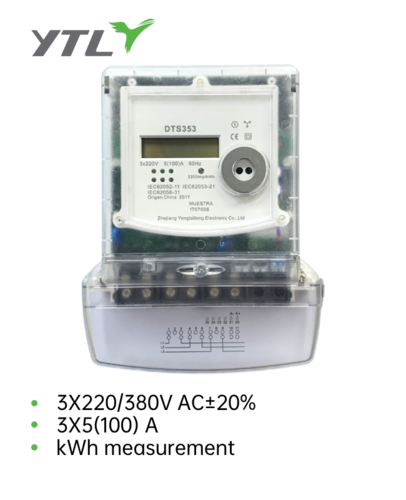
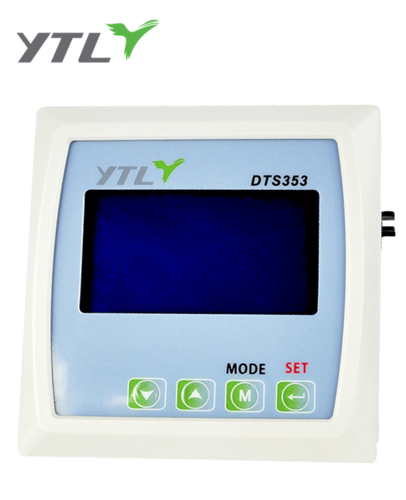
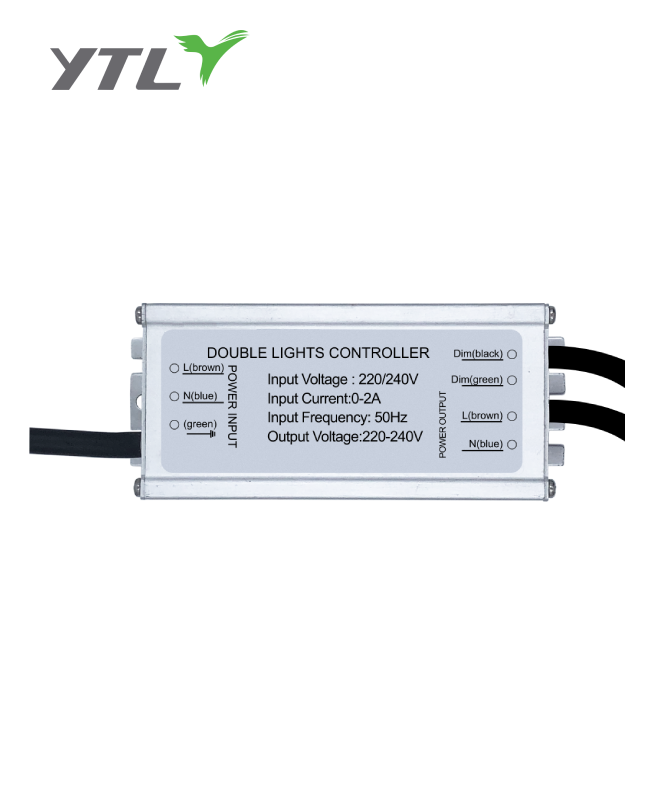
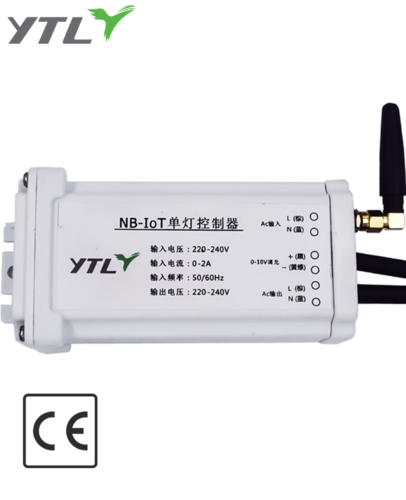
.png?imageView2/2/w/500/h/500/format/png/q/100 "YTL Two Phase Three Wire LCD Shunt sampling Energy Meter")
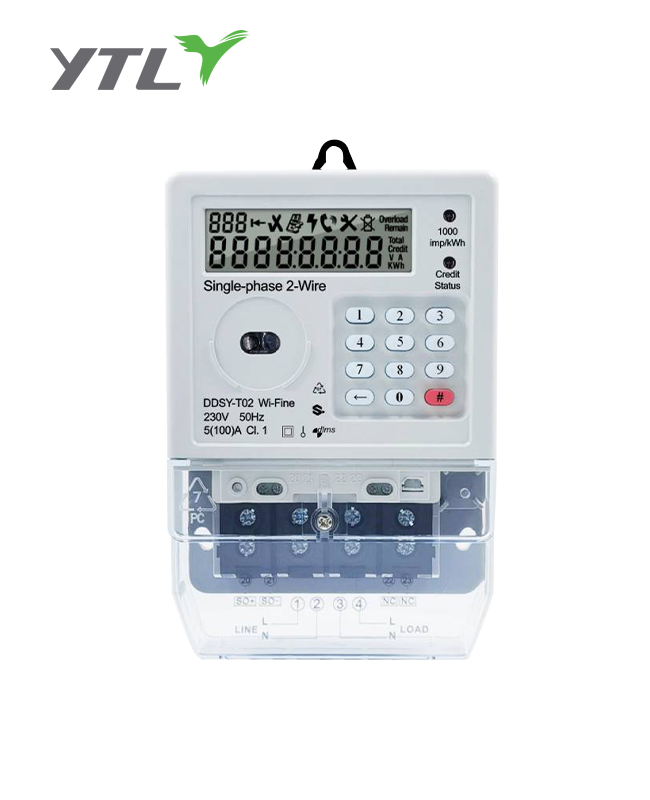
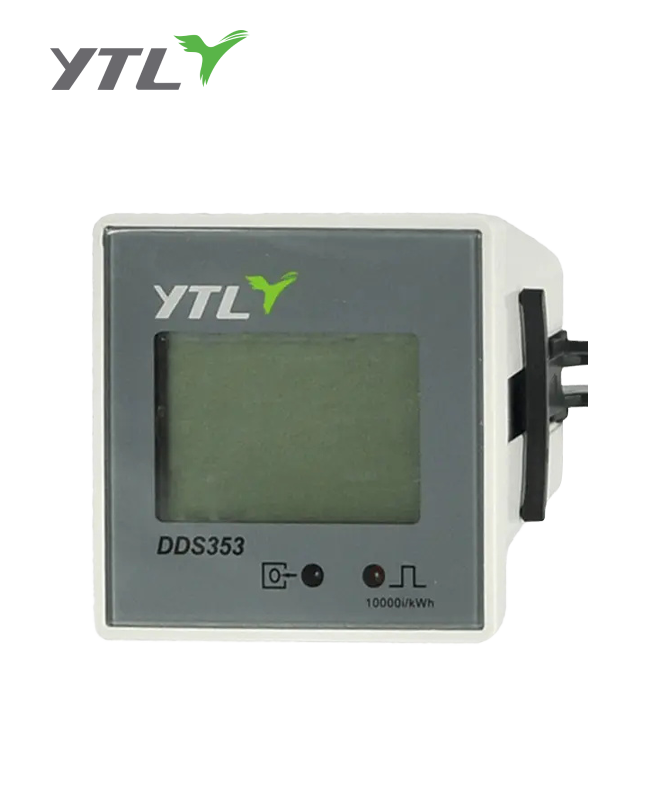
.png?imageView2/2/w/500/h/500/format/png/q/100 "YTL Single Phase Active Electronic Electricity Meter")