
 English
 简体中文
简体中文



Recently, in the field of energy metering and monitoring, the advent of a new type of DC electric meter has attracted widespread attention. With the acceleration of the global sustainable energy transition, the demand for accurate and efficient DC energy metering has become increasingly urgent. Relying on its performance, this new type of meter is gradually changing the energy management status of multiple industries.
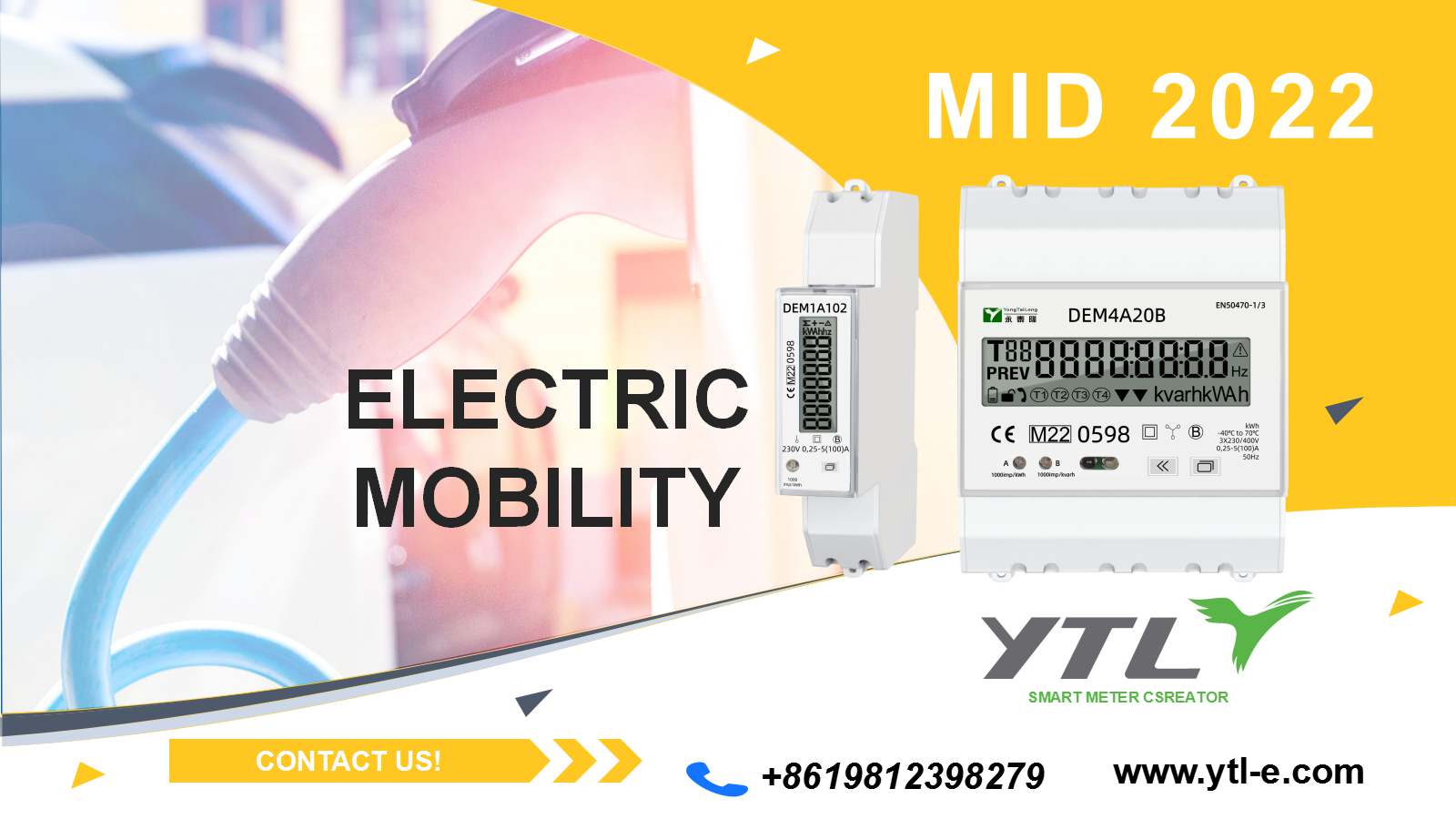
In the field of electric vehicle charging, the DC meter has shown unparalleled advantages. For example, in some European countries, with the rapid growth of electric vehicle ownership, the frequency of use of public charging piles has increased significantly. Traditional charging metering equipment often has inaccurate metering when facing high-power, high-current DC charging scenarios, to many disputes between users and operators. The new DC meter adopts advanced sensing technology and precise algorithms, which can work stably under high current and high voltage conditions, ensuring that the metering error is controlled within a very small range. For instance, the new DMED4 series meter launched by Lovato Electric has a current of up to 1500A and a working voltage of 1500VDC, which is particularly suitable for ultra-fast charging applications of large vehicles such as electric buses and heavy-duty electric trucks, as well as megawatt-level charging systems (MCS). At some fast-charging stations in Germany, the newly installed such DC meters can accurately measure currents up to 1500A, and throughout the charging process, regardless of changes in current, their accuracy remains at a very high level. From the high-current stage at the start of charging to the trickle charging stage at the end, they can provide users with accurate electricity billing basis. At the same time, the meter has environmental adaptability, with an operating temperature range of -40°C to +85°C, which can operate stably in the cold winters of Nordic regions and hot summers of Southern Europe, ensuring that the charging piles can serve electric vehicles reliably all year round.
In terms of communication base stations, operators are also actively introducing new DC meters to optimize energy management. In some developing countries in Africa and Asia, communication network construction is in a stage of rapid expansion, with a large number of 4G and 5G base stations being continuously deployed. Since some base stations are located in remote areas, traditional manual meter reading not only consumes manpower and material resources but also has a high error rate, making it difficult to meet the precise billing needs under the co-construction and sharing model of multiple operators. For example, the AMC16-DETT multi-circuit base station DC energy meter from Acrel is specially designed for base stations with sharing needs and where the switching power supply has no user-specific electricity metering function. When applied in some base stations in India, the meter can directly transmit real-time metering data to the operator's BOSS system through the RS-485 interface, ensuring safe and stable data transmission and effectively resolving billing disputes. It adopts Hall sensor + shunt dual-mode metering with a measurement accuracy of ±0.5%, which can separately measure the DC power consumption of three operators. Moreover, the built-in intelligent monitoring function of the meter can real-time monitor more than 20 key parameters such as voltage, current, and power of the base station power supply. In case of abnormalities such as voltage fluctuations and current overload, it can issue an alarm in a short time, reducing the fault response time from several hours in the past to 15 minutes, which greatly improves the operational stability of the base station and reduces operation and maintenance costs.
In the field of distributed energy generation, some households and enterprises, such as those in California, USA, are increasingly installing solar photovoltaic panels to build small distributed microgrids. The new DC meter also plays a key role in such scenarios. Take a community in California, USA as an example. Residents have achieved partial self-sufficiency in electricity by installing photovoltaic panels, and excess electricity can also be sold to the grid. The CD series DC meters developed by Beijing ICP DAS are widely used in such scenarios, including CD540, CD550, CD560, CD570 and other products, each with its own characteristics. For example, CD560 has passed CE and UL certifications, supports dual-circuit metering, and has a wide temperature range to adapt to global applications, ensuring stable operation under working conditions. It can accurately measure the DC power generated by photovoltaic panels and the two-way power flow between households and the grid. It not only meets strict local electrical safety and metering standards in the United States but also has remote communication functions. Residents can check their own photovoltaic power generation, electricity consumption, and electricity sales revenue through mobile APPs at any time, realizing visual management of energy use. In addition, the meter also supports linkage with energy storage equipment. When photovoltaic power generation is excessive, it can automatically control the energy storage battery to charge, and during peak electricity consumption or insufficient light, it gives priority to using the electricity from the energy storage battery, further optimizing energy distribution and utilization efficiency.
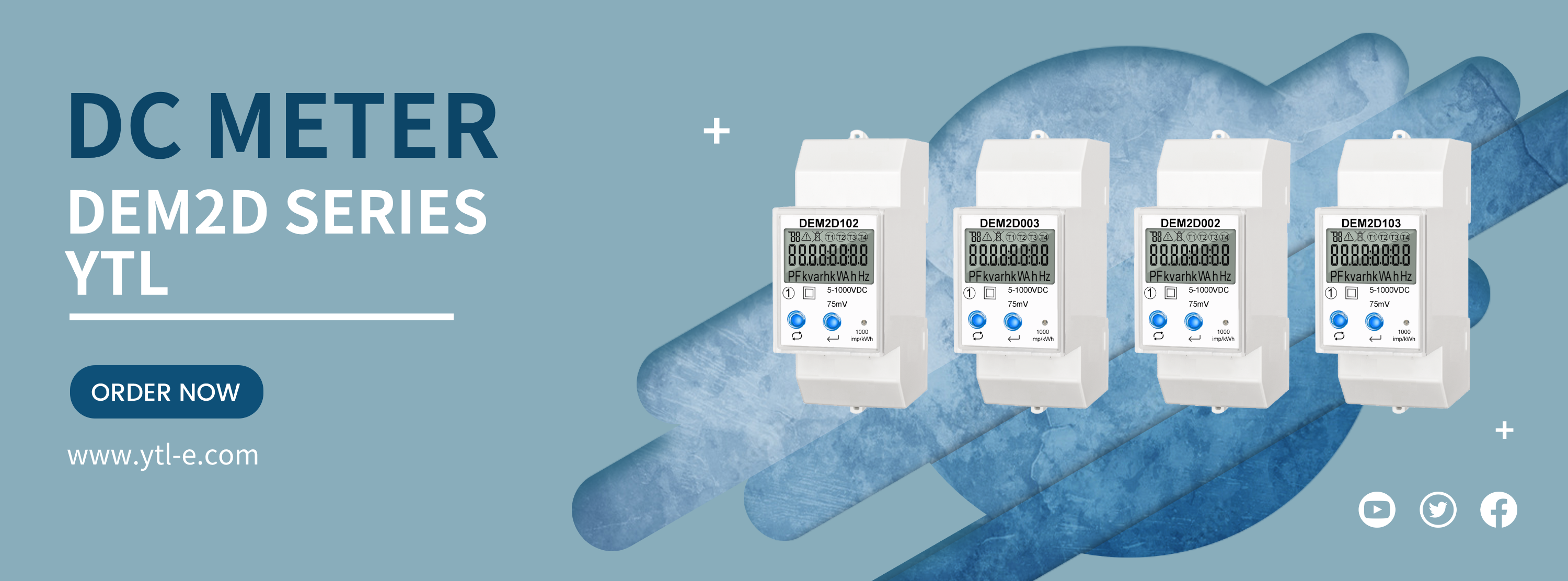
Industry experts analyze that the wide application of this new type of DC meter has brought new ideas and solutions to global energy management. It has significantly improved the accuracy of energy metering, effectively promoted the improvement of energy utilization efficiency, and provided solid technical support for the development of sustainable energy and the construction of smart grids. With the continuous progress and improvement of technology, the new DC meter is expected to be applied in more fields, helping global energy management stride towards a more intelligent and efficient direction and contributing to addressing global climate change.
.png?imageView2/2/w/500/h/500/format/png/q/100 "YTL STS Prepaid Wi-Fine Energy Meter Single Phase Wall")
.png?imageView2/2/w/500/h/500/format/png/q/100 "YTL Single Phase Active Electronic Electricity Meter")