
 English
 简体中文
简体中文



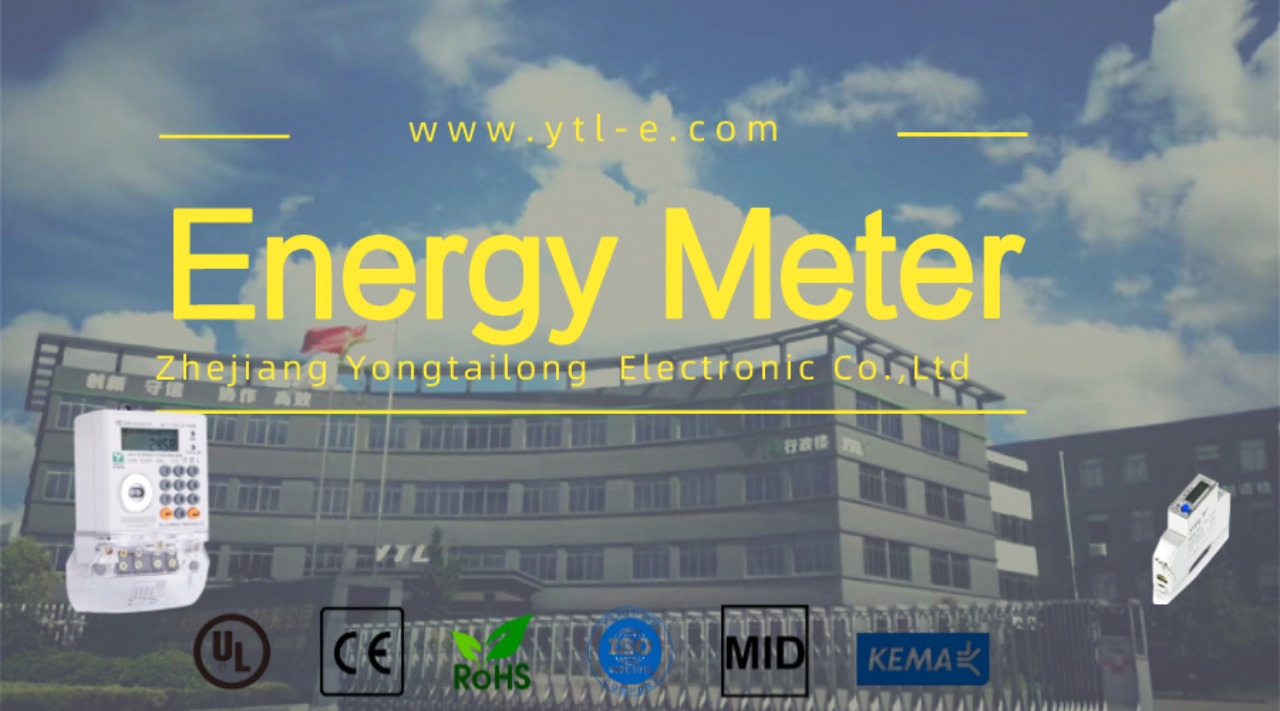
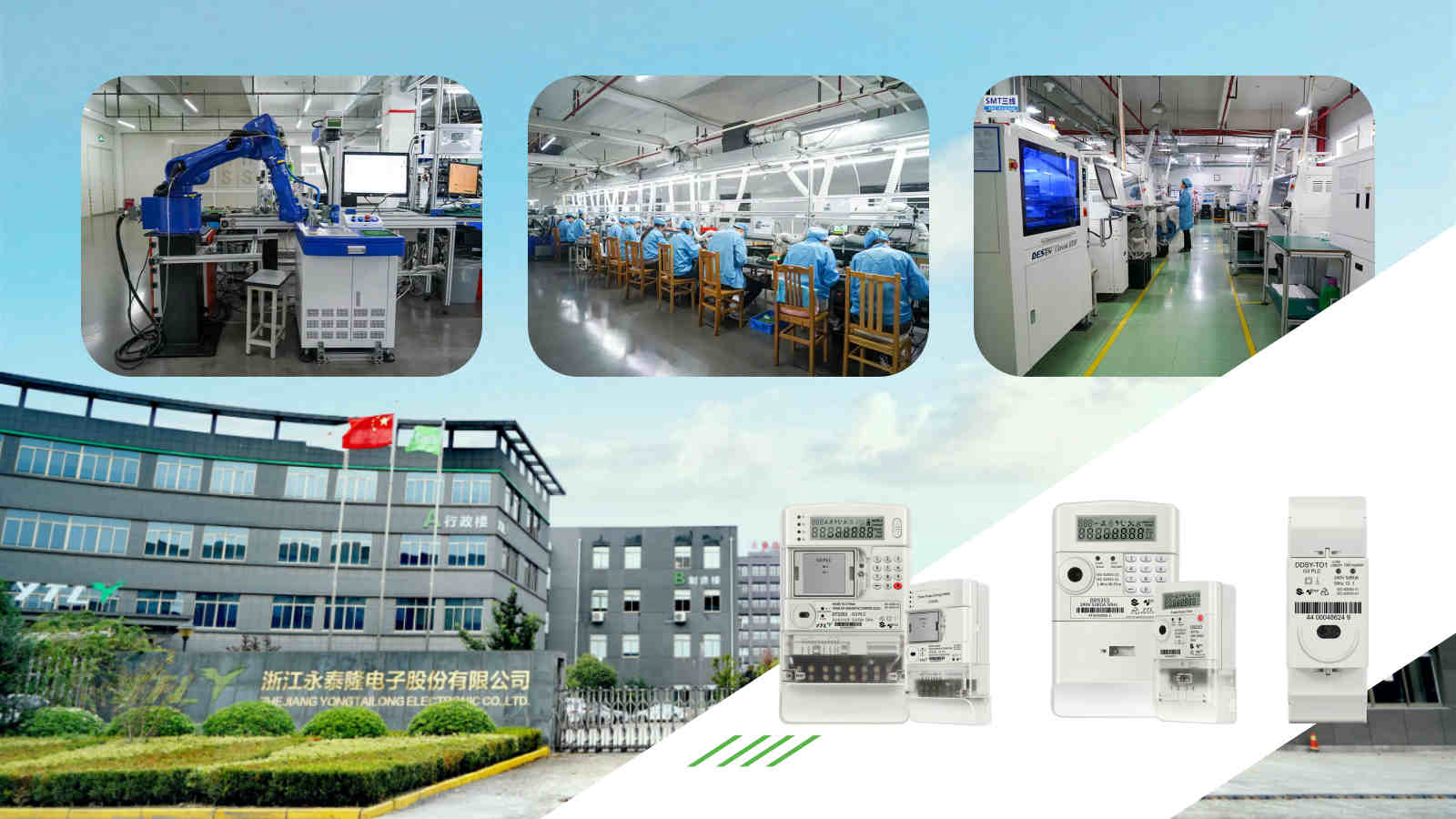
When smart meters are no longer just metering tools at the end of the power grid but become the "nerve endings" of the energy internet, the role of smart meter manufacturers is undergoing a subversive transformation. From hardware research and development to data services, from energy management to carbon asset operations, an industrial restructuring centered on the "ecosystem chain" is unfolding. In this transformation, meter manufacturers are not only equipment makers but also builders of the energy ecosystem and excavators of user value.
I. Hardware Foundation: "Dual-Drive" of Precision and Reliability
As the starting point of the ecosystem chain, smart meters' technological iteration directly determines the upper limit of data value. Smart meter manufacturers are reshaping hardware standards through three major breakthroughs:
- High-precision metering: In scenarios such as electric vehicle charging piles and distributed photovoltaics, 0.2S-class precision meters have become the standard. Manufacturers' developed "dual-core metering chips" compress harmonic metering errors to 0.1% through parallel computing, meeting the stringent requirements of new energy grid connection.
- Environmental adaptability: Full-scenario coverage capability, from -40°C cold to 70°C high temperature, from salt spray corrosion to electromagnetic interference, has become a competitive barrier. Smart meters adopt three-proof circuit design, operating continuously for 5 years without failure in offshore wind farms, with a failure rate 80% lower than the industry average.
- Protocol compatibility: Supporting 12 communication protocols such as Modbus, DL/T 645, and IEC 61850, enabling "plug-and-play" with photovoltaic inverters, energy storage systems, and charging piles. The protocol conversion gateway developed by manufacturers allows old meters to connect to smart energy platforms, reducing user upgrade costs by 60%.
II. Data Middle Platform: "Translator" of Energy Flow
Massive data generated by hardware needs to be converted into usable decision-making basis through the middle platform. Meter manufacturers are transforming from "equipment suppliers" to "data service providers":
- Edge computing empowerment: Integrating AI chips into meters to realize local data cleaning and abnormal warning. Smart meter manufacturers can analyze electricity consumption curves in real-time, automatically identify issues such as "abnormal standby power consumption" and "equipment aging", shortening fault response time from 24 hours to 15 minutes.
- Cloud-edge collaboration architecture: Balancing data security and computing efficiency through the "local storage + cloud analysis" model. The energy management system deployed in an industrial park processes over 50GB of data daily, but through edge node preprocessing, data transmission to the cloud is reduced by 90%, lowering bandwidth costs by 40%.
- Carbon metering engine: Generating enterprise-level carbon emission reports by combining grid carbon factors with real-time electricity data. The carbon metering module developed by smart meter manufacturers has helped 300 enterprises obtain ISO 14064 certification, saving over 200,000 yuan in annual carbon verification costs per project.
III. Service Ecosystem: From "Selling Products" to "Selling Value"
The ultimate battlefield for meter manufacturers lies in creating sustainable economic and environmental value for users:
- Energy efficiency optimization services: AI diagnostic systems based on meter data provide customized energy-saving solutions for enterprises. A food factory saved 1.8 million yuan in annual electricity bills through the "intelligent air compressor regulation" service provided by a meter manufacturer, equivalent to reducing carbon emissions by 1,200 tons.
- Electricity market transactions: In pilot areas of spot electricity trading, meter data becomes the "trump card" for enterprises to participate in market bidding.
- Carbon asset management: Transforming meter data into tradable carbon assets. Smart meter manufacturers cooperate with carbon exchanges to develop "distributed photovoltaic carbon emission reduction methodologies" for enterprises, with CCER revenue exceeding 150,000 yuan per megawatt of photovoltaic power annually.
IV. Scenario Penetration: "Boundless Connection" from Homes to Power Grids
The ecosystem chain of meter manufacturers is breaking traditional scenario boundaries:
- Household scenarios: Through the combination of "meters + smart sockets + APP", visualized household electricity consumption is realized. Smart meters can identify energy consumption of 200 types of household appliances, automatically generate "electricity bills + energy-saving suggestions", helping household users save over 15% on annual electricity bills.
- Industrial and commercial scenarios: Meter data is connected with MES systems to realize linkage analysis of energy consumption and production efficiency. An automobile factory reduced unit product energy consumption by 18% through the "energy-production collaboration platform" deployed by a meter manufacturer, saving over 10 million yuan in annual energy costs.
- Power grid scenarios: Meters become "neurons" of virtual power plants, supporting millisecond-level power dispatch responses. The provincial virtual power plant platform participated in by smart meter manufacturers has aggregated 100,000 charging piles and 200,000 household rooftop photovoltaics, with a single peak-shaving response capacity of 500MW.
V. Ecological Win-Win: Building a "Data-Service-Value" Flywheel
The ecosystem chain of meter manufacturers is essentially a value co-creation system:
- Data sharing: Meter manufacturers open API interfaces to energy service providers, insurance companies, and carbon exchanges to activate the value of data circulation.
- Standard output: Smart meter manufacturers lead the formulation of industry standards such as "Smart Meter Data Interface Specification" and "Distributed Energy Metering Standards", mastering ecological discourse power. A enterprise has driven technological upgrading of 300 upstream and downstream enterprises through an open patent pool, forming an industrial cluster effect.
- Model replication: Export mature models such as household energy management and industrial and commercial energy efficiency optimization to overseas markets. Smart meter manufacturers replicate "Chinese solutions" in the Southeast Asian market, helping local enterprises reduce energy consumption by 25% and quickly open up the market.
In this energy revolution, the ecosystem chain of smart meter manufacturers has transcended the linear logic of "hardware-software-services" and evolved into a self-growing and self-evolving value network. Those that can convert metering precision into data assets, upgrade equipment sales to service subscriptions, and transform technological advantages into ecological discourse power will ultimately become the "new infrastructure" in the era of the energy internet. After all, when every kilowatt-hour of electricity flows with data value, the ecosystem chain of meter manufacturers is the "underlying operating system" of the future energy world.
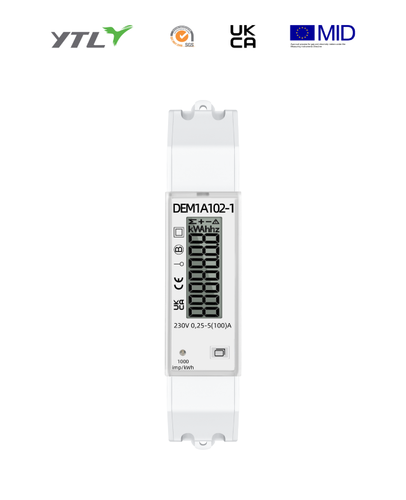
.png?imageView2/2/w/500/h/500/format/png/q/100 "YTL STS Prepaid Wi-Fine Energy Meter Single Phase Wall")
.png?imageView2/2/w/500/h/500/format/png/q/100 "YTL China Single Phase IC card Prepayment Electricity Meter")