
 English
 简体中文
简体中文



1. Introduction to Smart Energy Meters
What Are Smart Energy Meters?
Smart energy meters are advanced electronic devices that digitally measure energy consumption (electricity, gas, or water) at regular intervals and communicate that data directly to the utility company. Unlike traditional analog meters, which only record cumulative consumption and require manual readings, smart meters offer two-way communication, providing real-time or near real-time data. This capability allows for more accurate billing, better energy management, and a more responsive energy grid.
Here's a quick comparison:
| Feature | Traditional Analog Meter | Smart Energy Meter |
| Measurement | Cumulative, mechanical | Digital, interval-based |
| Data Collection | Manual readings by utility personnel | Automatic, remote transmission |
| Communication | One-way (meter to user's view) | Two-way (meter to utility, utility to meter) |
| Information | Total consumption | Detailed consumption patterns, voltage, etc. |
| Billing | Estimates or monthly cumulative reading | Accurate, real-time consumption-based |
| Features | Basic measurement | Remote connect/disconnect, outage detection |
Brief History and Evolution
The concept of metering energy isn't new; mechanical meters have been in use for over a century. However, the evolution towards "smart" metering began in the late 20th century with the advent of Automatic Meter Reading (AMR) systems. These early systems allowed utilities to collect data remotely but typically still involved one-way communication and batch processing.
The true leap to smart meters, as we know them today, came with the development of Advanced Metering Infrastructure (AMI). AMI systems enabled two-way communication, allowing not only data collection from the meter but also commands and information to be sent back to the meter (e.g., remote disconnects, firmware updates). This transformation was driven by several factors, including increasing energy costs, environmental concerns, and the need for greater grid reliability and efficiency. Over the past two decades, smart meter deployment has accelerated globally, becoming a cornerstone of modern energy grids.
Why Are Smart Meters Important?
Smart meters are more than just a replacement for old technology; they are a fundamental component of the modern energy ecosystem. Their importance stems from their ability to empower consumers, optimize utility operations, and contribute to a more sustainable energy future.
-
For Consumers: They provide unprecedented visibility into energy usage, enabling informed decisions that can lead to cost savings and more efficient consumption habits.
-
For Utilities: They offer critical data for grid management, fault detection, and resource allocation, leading to improved reliability and operational efficiency.
-
For the Environment: By promoting energy efficiency and facilitating the integration of renewable energy sources, smart meters play a vital role in reducing carbon footprints and fostering a greener planet.
In essence, smart meters are the gateway to a smart grid—a modernized electricity network that uses information and communication technologies to gather and act on information, such as information about the behaviors of suppliers and consumers, in an automated fashion to improve the efficiency, reliability, economics, and sustainability of the production and distribution of electricity.
2. How Smart Energy Meters Work
At the core of a smart energy meter lies a sophisticated system designed for accurate measurement and seamless data communication. Understanding how these devices function provides insight into their transformative capabilities.
Key Components and Technology
Smart meters are essentially miniature computers embedded with specialized sensors and communication modules. While specific designs vary between manufacturers and types of meters (electricity, gas, water), the fundamental components include:
-
Measuring Transducer/Sensor: This is the part that actually measures the energy flow. For electricity meters, it might be a current transformer and voltage sensor. For gas or water, it's typically a flow sensor. These transducers convert the physical consumption into electrical signals.
-
Analog-to-Digital Converter (ADC): The electrical signals from the transducer are analog. The ADC converts these continuous signals into discrete digital values that the meter's processor can understand and process.
-
Microcontroller/Processor: This is the "brain" of the smart meter. It processes the digital data from the ADC, calculates energy consumption over specific intervals (e.g., every 15 minutes, hourly), stores this data, and manages communication.
-
Memory: Smart meters include both volatile (RAM) and non-volatile (flash) memory. RAM is used for temporary data processing, while non-volatile memory stores historical consumption data, firmware, and configuration settings even when power is interrupted.
-
Communication Module: This is arguably the most critical component for a "smart" meter. It enables the two-way communication with the utility. Common communication technologies include:
-
Cellular (e.g., 2G, 3G, 4G, NB-IoT): Utilizes existing cellular networks, offering wide coverage.
-
Power Line Communication (PLC): Transmits data over existing power lines, eliminating the need for separate communication wiring.
-
Radio Frequency (RF) Mesh Networks: Meters communicate with each other to form a self-healing network, relaying data back to data concentrators.
-
Wi-Fi/Ethernet: Less common for direct utility communication but can be used for in-home displays.
-
-
Real-Time Clock (RTC): Essential for time-stamping consumption data accurately, which is crucial for Time-of-Use (TOU) pricing and detailed analysis.
-
Security Module: Incorporates encryption and authentication protocols to protect data integrity and privacy during transmission.
-
Display: Typically an LCD or LED screen that shows current readings, alerts, and other relevant information to the consumer.
AMI (Advanced Metering Infrastructure) Explained
Advanced Metering Infrastructure (AMI) is the complete system that enables smart meters to function effectively. It's not just the meters themselves, but the entire network and data management system that connects utilities with their customers' meters. Think of it as the backbone of smart metering.
An AMI system typically comprises several layers:
-
Smart Meters: The endpoint devices at homes and businesses that measure and transmit data.
-
Communication Network: The pathway through which data travels. This can be a mix of the technologies mentioned above (cellular, RF mesh, PLC), often utilizing data concentrators or gateways that collect data from multiple meters and send it to the utility.
-
Meter Data Management System (MDMS): This is the central repository and processing unit for all the collected meter data. The MDMS validates, cleans, stores, and organizes the vast amounts of consumption data, making it accessible for billing, analysis, and other utility operations.
-
Utility Back-Office Systems: These include billing systems, customer information systems (CIS), outage management systems (OMS), and grid operations software. The MDMS integrates with these systems, feeding them the necessary data to perform their functions.
Here’s a simplified flow within an AMI system:
| Step | Action | Description |
| 1 | Measurement | Smart meter measures energy consumption at defined intervals (e.g., every 15 min). |
| 2 | Data Aggregation | Meter stores data locally and/or transmits it to a data concentrator. |
| 3 | Data Transmission | Data concentrator or meter (via cellular) sends aggregated data to the utility. |
| 4 | MDMS Processing | MDMS receives, validates, and stores the data. |
| 5 | System Integration | MDMS shares processed data with billing, grid operations, and other utility systems. |
| 6 | Utility Actions | Utility uses data for billing, grid optimization, outage detection, etc. |
| 7 | Consumer Access | Data is made available to consumers via online portals or in-home displays. |
Two-Way Communication: Meter to Utility
The defining feature of smart meters, differentiating them from older AMR systems, is their two-way communication capability. This means information doesn't just flowfromthe metertothe utility; the utility can also send commands and informationtothe meter.
-
Meter to Utility (Uplink): This is the primary data flow. The smart meter regularly transmits detailed consumption data (e.g., hourly readings, voltage information, power quality data, tamper alerts) back to the utility's MDMS. This allows utilities to have an up-to-date picture of energy usage across their service area.
-
Utility to Meter (Downlink): This capability unlocks a range of advanced functionalities. Utilities can remotely:
-
Connect/Disconnect Service: Saves time and resources compared to sending a technician.
-
Update Firmware: Push software updates to meters, adding new features or patching security vulnerabilities.
-
Change Meter Settings: Adjust billing parameters or switch between different tariff structures (e.g., Time-of-Use rates).
-
Send Demand Response Signals: Communicate with the meter (and potentially connected home devices) to reduce consumption during peak demand periods.
-
Perform Remote Diagnostics: Troubleshoot meter issues without a site visit.
-
This two-way street transforms the utility-customer relationship, making it more dynamic and responsive. It's the foundation for a truly intelligent energy grid, enabling real-time management and a host of benefits for both utilities and consumers.
3. Benefits of Smart Energy Meters
Smart energy meters are not just technological upgrades; they are enablers of significant benefits across the entire energy ecosystem. From empowering individual consumers to optimizing large-scale utility operations and even contributing to environmental sustainability, their impact is far-reaching.
For Consumers
Smart meters put power back into the hands of consumers, offering unprecedented transparency and control over their energy usage.
-
Real-Time Energy Monitoring: Unlike traditional meters that only provide monthly totals, smart meters record consumption in short intervals (e.g., every 15 minutes or hour). This granular data is often accessible to consumers through online portals, mobile apps, or in-home displays. This means you can see exactly how much energy you're using right now, or how much you used yesterday afternoon. This immediate feedback helps you understand which appliances consume the most energy and when.
-
Informed Energy Consumption: With detailed data at your fingertips, you can become a more informed energy consumer. Seeing the direct impact of turning on a high-wattage appliance, for instance, can encourage more mindful usage. This awareness is the first step towards making smarter choices about energy consumption, leading to behavioral changes that save energy.
-
Potential Cost Savings with Time-of-Use Pricing: Smart meters are essential for Time-of-Use (TOU) pricing tariffs. Under TOU plans, electricity prices vary throughout the day, typically being higher during peak demand hours (e.g., late afternoon/early evening) and lower during off-peak hours (e.g., overnight, weekends). With a smart meter, you can shift energy-intensive activities (like running the dishwasher or charging an EV) to off-peak times when electricity is cheaper, potentially leading to significant savings on your energy bills.
For Utilities
Utilities gain immense operational advantages from smart meter deployment, leading to greater efficiency, reliability, and responsiveness.
-
Remote Meter Reading and Management: This is one of the most immediate and impactful benefits. Utilities no longer need to send personnel to manually read meters, which reduces labor costs, vehicle emissions, and safety risks. Furthermore, smart meters allow for remote connect and disconnect services, streamlining customer service operations for new connections, disconnections, or non-payment situations.
-
Improved Grid Reliability: Smart meters provide utilities with real-time insights into the health of the grid. They can detect and report issues like voltage fluctuations or power quality problems, allowing utilities to proactively address potential issues before they escalate into widespread outages. This granular data helps in balancing loads and ensuring a stable power supply.
-
Faster Power Outage Detection and Response: When an outage occurs, smart meters can often send an immediate "last gasp" signal to the utility. This capability significantly reduces outage detection times and allows utilities to pinpoint the exact location and scope of an outage much faster. With precise outage information, restoration crews can be dispatched more efficiently, leading to quicker service restoration for affected customers.
Environmental Benefits
The widespread adoption of smart meters also contributes significantly to environmental sustainability efforts.
-
Reduced Energy Waste: By providing real-time data and enabling demand-side management, smart meters encourage more efficient energy use by both consumers and utilities. When consumers are more aware of their consumption, they tend to reduce waste. For utilities, better grid management means less energy lost in transmission and distribution, and more efficient resource allocation. This overall reduction in waste translates directly into lower energy consumption.
-
Support for Renewable Energy Integration: Renewable energy sources like solar and wind are intermittent by nature. Smart meters are crucial for managing the variability introduced by these sources. They enable utilities to better balance the grid by understanding real-time demand and integrating distributed generation (e.g., rooftop solar) more effectively. They facilitate demand response programs that can adjust energy usage in response to the availability of renewable energy, helping to maximize the use of clean power and reduce reliance on fossil fuels. This dynamic interaction is key to building a cleaner, more sustainable energy future.
4. Types of Smart Energy Meters
While the term "smart energy meter" often brings to mind electricity, the underlying technology and benefits extend to other essential utilities as well. Smart meters are increasingly being deployed across various energy and resource sectors to enhance management and efficiency.
Electricity Meters
Smart electricity meters are the most commonly discussed and widely deployed type of smart meter. They replace traditional analog electricity meters that measure consumption in kilowatt-ours (kWh).
-
Function: These meters measure electricity consumption at granular intervals (e.g., every 15 minutes, hourly). They record data on energy consumed, sometimes also including voltage levels, power quality, and reactive power. This data is then transmitted wirelessly or via power lines to the utility.
-
Key Features:
-
Interval Data Recording: Captures consumption data at frequent, set intervals.
-
Remote Connect/Disconnect: Allows utilities to remotely turn power on or off.
-
Outage Detection: Can alert the utility about power interruptions.
-
Tamper Detection: Identifies attempts to interfere with the meter.
-
Support for Time-of-Use (TOU) Rates: Essential for variable pricing based on time of day.
-
-
Impact: They enable real-time energy monitoring for consumers, support demand response programs, and provide utilities with critical data for grid management and fault detection.
Gas Meters
Smart gas meters bring the same level of intelligence and remote management to natural gas consumption. They replace traditional mechanical gas meters.
-
Function: These meters measure the volume of natural gas consumed, typically in cubic meters (m3) or cubic feet (ft3), and convert this volume to energy units (e.g., megajoules, MJ, or British Thermal Units, BTU). They often use sensors that detect the flow of gas.
-
Key Features:
-
Automated Readings: Eliminates the need for manual meter readers.
-
Leak Detection: Some advanced models can detect unusual flow patterns that might indicate a leak.
-
Remote Monitoring: Allows utilities to monitor consumption patterns remotely.
-
Pressure Monitoring: Can provide data on gas line pressure.
-
-
Challenges: Deploying smart gas meters can be more complex than electricity meters due to the need for a power source for communication and electronics in environments where power lines aren't directly available (often battery-powered with long lifespans).
-
Impact: Improves billing accuracy, enhances safety through potential leak detection, and optimizes gas supply management for utilities.
Water Meters
Smart water meters apply smart metering principles to water consumption, aiming to improve water conservation and utility management.
-
Function: These meters measure water usage, typically in liters or cubic meters, and transmit this data wirelessly. Many use ultrasonic technology or electromagnetic sensors for accurate flow measurement.
-
Key Features:
-
Automated Readings: No more manual checks.
-
Leak Detection: Can identify continuous flow or unusual consumption patterns that suggest a leak in the customer's plumbing system, reducing water waste and property damage.
-
Backflow Detection: Some can detect water flowing in the wrong direction.
-
Remote Shut-off (in some models): Ability to remotely turn off water supply in emergencies or for non-payment.
-
-
Impact: Significantly aids water conservation efforts, helps utilities manage water resources more effectively, reduces non-revenue water (water that has been produced and lost before it reaches the customer), and can alert consumers to costly leaks.
Hybrid Meters
The concept of hybrid meters generally refers to meters that combine functionalities or measure multiple commodities, or sometimes, a meter that supports both traditional and smart metering capabilities during a transition phase.
-
Multi-Commodity Meters: In some contexts, a "hybrid meter" might refer to a single device designed to measure two or more utilities (e.g., electricity and gas) for a premises, though this is less common than separate smart meters for each utility that communicate through a shared network.
-
Integrated Communication Modules: More commonly, "hybrid" can refer to smart meters that are designed to communicate using multiple network technologies (e.g., both cellular and RF mesh) or that can function as a bridge between different communication protocols within a home or building.
-
Transitionary Meters: In the past, some meters might have been termed "hybrid" if they could be read manually but also had an AMR module that could be activated later. However, the current generation of smart meters are typically fully digital and communication-enabled from installation.
While distinct in their measurement methods and specific functionalities, all types of smart meters share the core principle of digital measurement and two-way communication to enhance efficiency, reduce waste, and provide valuable data for better management of essential resources.
5. Smart Meter Data and Security
Smart energy meters are powerful tools precisely because they collect and transmit a wealth of data. However, this raises important questions about data collection, usage, privacy, and security. For a smart meter manufacturer, addressing these concerns transparently is paramount to building trust and ensuring the successful adoption of smart metering technology.
Data Collection and Usage
Smart meters generate a continuous stream of data, far more detailed than traditional meters ever could. Understanding what data is collected and how it's used is crucial.
-
What Data is Collected?
-
Consumption Data: The most fundamental data, recording energy usage at frequent intervals (e.g., every 5, 15, or 60 minutes). This includes electricity (kWh), gas (volume/energy units), and water (volume).
-
Voltage and Power Quality: For electricity meters, they can monitor voltage levels and detect power quality issues like sags, swells, or outages.
-
Demand Data: Records peak energy usage within a given interval.
-
Status and Event Alarms: Information about the meter's operational status, such as tampering attempts, power outages, connection/disconnection events, or communication failures.
-
Meter Identifiers: Unique serial numbers or IDs associated with the specific meter and customer account.
-
-
How is the Data Used?
-
Accurate Billing: Eliminates estimates and ensures customers are billed precisely for their consumption.
-
Grid Management: Utilities use the data for load balancing, identifying overloaded circuits, predicting demand, and optimizing power distribution.
-
Outage Management: Real-time outage alerts enable faster detection and restoration.
-
Customer Service: Helps resolve billing inquiries and provide tailored energy-saving advice.
-
Demand Response Programs: Enables utilities to manage peak demand by understanding consumption patterns and potentially signaling customers to reduce usage.
-
Network Planning: Long-term data helps utilities plan infrastructure upgrades and investments more effectively.
-
Energy Efficiency Insights: Aggregated and anonymized data can inform broader energy conservation initiatives.
-
Privacy Concerns and Regulations
The detailed nature of smart meter data can raise legitimate privacy concerns. Granular consumption data can potentially reveal patterns of occupancy, daily routines, and even the use of specific appliances.
-
Primary Concerns:
-
Inferred Activities: High energy usage late at night might indicate a specific activity; continuous low usage could imply an empty home.
-
Unauthorized Access: Worries about who has access to this data and for what purpose.
-
Data Aggregation and Sale: Fear that personal consumption data could be aggregated, anonymized, or even sold to third parties without consent.
-
-
Regulatory Frameworks and Measures: To address these concerns, many regions and countries have implemented robust data privacy regulations:
-
Data Minimization: Utilities are often required to collect only the data necessary for billing and grid operations.
-
Consent: Explicit consent may be required for sharing data with third parties.
-
Anonymization and Aggregation: When data is used for research, planning, or shared with non-essential entities, it is typically anonymized (personal identifiers removed) or aggregated (combined with data from many other users) to prevent individual identification.
-
Data Retention Policies: Regulations often specify how long detailed data can be stored.
-
Customer Access: Customers usually have the right to access their own smart meter data.
-
Examples of Regulations:
-
GDPR (General Data Protection Regulation) in Europe sets strict rules on personal data handling.
-
Various state-specific regulations in the United States and national guidelines globally (e.g., in Australia, Canada, etc.) outline data privacy requirements for utilities.
-
-
Utilities and meter manufacturers are legally and ethically obligated to adhere to these regulations, ensuring that customer data is handled with the utmost care and respect for privacy.
Cybersecurity Measures
Given that smart meters are connected devices transmitting sensitive data, robust cybersecurity is absolutely critical. A compromised smart meter or AMI network could lead to billing errors, privacy breaches, or even grid instability.
-
Threats:
-
Data Interception: Unauthorized parties trying to snoop on data transmission.
-
Data Tampering: Malicious alteration of consumption data.
-
Denial of Service (DoS) Attacks: Overwhelming the communication network to disrupt data flow.
-
Firmware Tampering: Injecting malicious code into the meter's software.
-
Unauthorized Access to AMI Network: Gaining entry to the utility's back-end systems.
-
-
Key Cybersecurity Measures Implemented:
-
End-to-End Encryption: All data transmitted between the meter and the utility's MDMS is encrypted using strong cryptographic algorithms. This makes it unreadable to unauthorized parties.
-
Authentication and Authorization: Devices (meters, data concentrators) and users must prove their identity before accessing the network or data. This ensures only authorized entities can communicate.
-
Tamper Detection and Alerts: Smart meters are designed with physical and logical tamper detection mechanisms. Any attempt to open the meter casing or interfere with its operation can trigger an immediate alert to the utility.
-
Secure Firmware Updates: Updates to the meter's internal software are digitally signed and encrypted, ensuring that only legitimate and untampered updates can be installed.
-
Network Segmentation: The AMI network is often isolated from other utility IT networks to limit the impact of a breach.
-
Regular Audits and Penetration Testing: Utilities and manufacturers routinely conduct security audits and "pen tests" to identify and fix vulnerabilities.
-
Intrusion Detection Systems (IDS): Monitoring systems are in place to detect unusual activity on the network that could indicate a cyberattack.
-
By integrating these advanced security features from the design phase through deployment and ongoing operation, smart meter manufacturers and utilities aim to build a trustworthy and resilient energy management system. The commitment to data privacy and cybersecurity is fundamental to the success and public acceptance of smart metering technology.
6. Smart Energy Meters and the Smart Grid
Smart energy meters are not isolated devices; they are the fundamental building blocks of a much larger vision: the smart grid. This modernized electricity network leverages advanced technology to create a more efficient, reliable, and sustainable energy system. Smart meters play a pivotal role in transforming the traditional, one-way power delivery system into an intelligent, two-way interactive network.
Role in Grid Modernization
The traditional electrical grid, often called the "dumb grid," was designed over a century ago for centralized power generation and one-way delivery to consumers. It lacked real-time information and advanced communication capabilities. The smart grid, on the other hand, is a sophisticated system that integrates information and communication technologies (ICT) across the entire power delivery infrastructure.
Smart meters are the crucial "eyes and ears" at the edge of the smart grid. They enable this modernization by:
-
Providing Real-time Data: Instead of guessing demand or relying on infrequent manual readings, utilities receive continuous, granular data from smart meters. This data includes consumption patterns, voltage levels, and power quality information.
-
Enhancing Visibility: With data from millions of smart meters, utilities gain unprecedented visibility into grid performance, allowing them to monitor conditions, detect anomalies, and anticipate issues across their entire service territory.
-
Enabling Automation: The two-way communication facilitated by smart meters allows for automated control and response. For instance, remote connect/disconnect capabilities or automated voltage optimization.
-
Improving Reliability: By quickly identifying the location and extent of outages, and even proactively detecting potential issues, smart meters significantly contribute to a more reliable power supply and faster restoration times.
-
Optimizing Asset Utilization: Better data helps utilities understand how their infrastructure (transformers, lines) is performing, allowing for more efficient maintenance scheduling and optimized asset lifespan.
In essence, smart meters transform the grid from a reactive system to a proactive, intelligent network capable of self-healing and dynamic management.
Enabling Demand Response Programs
Demand Response (DR) programs are critical components of a smart grid, and smart meters are essential for their effective implementation. DR programs incentivize consumers to reduce or shift their electricity usage during periods of high demand or when electricity prices are high. This helps utilities manage grid stability, avoid costly peaker plant operations, and integrate more renewable energy.
Here's how smart meters enable DR:
-
Time-of-Use (TOU) Pricing: As discussed earlier, smart meters accurately record consumption based on the time of day, making TOU tariffs feasible. These tariffs automatically encourage consumers to shift usage to off-peak hours when electricity is cheaper, without direct intervention from the utility.
-
Direct Load Control (DLC): In some DR programs, smart meters can facilitate direct signals from the utility to smart appliances (like thermostats, water heaters, or pool pumps) within a customer's home. With customer pre-approval, the utility can temporarily adjust these appliances to reduce consumption during peak events. The smart meter acts as the communication gateway for these signals.
-
Critical Peak Pricing (CPP) / Event-Based Programs: Smart meters allow utilities to implement programs where prices spike dramatically during specific "critical peak" events. Customers receive advance notice (via their smart meter, in-home display, or app) and can choose to reduce consumption to avoid high charges.
The role of smart meters in DR programs can be summarized as:
| Role Feature | Description |
| Measurement | Precisely measures energy consumption over short intervals, essential for time-based pricing. |
| Communication | Enables utilities to send price signals or control commands to customers/appliances, and receive confirmation of actions. |
| Data Feedback | Provides consumers with immediate feedback on how their actions impact their bill under DR programs. |
| Verification | Allows utilities to verify load reductions during DR events, ensuring program effectiveness. |
Supporting Distributed Generation
Distributed Generation (DG) refers to electricity generated at or near the point of consumption, such as rooftop solar panels, small wind turbines, or local battery storage. The rise of DG presents both opportunities and challenges for the grid. Smart meters are vital for seamlessly integrating these diverse energy sources.
Here's how smart meters support DG:
-
Net Metering: Many DG systems, especially rooftop solar, can produce more electricity than the household consumes at certain times. Smart meters are capable of measuring energy flowing in both directions – from the grid to the home (consumption) and from the home to the grid (generation). This bidirectional measurement is fundamental for net metering policies, where customers receive credit for the excess electricity they feed back into the grid.
-
Grid Stability for Intermittency: Renewable DG sources like solar and wind are intermittent (they don't always produce power). Smart meters provide utilities with real-time data on both consumption and local generation, allowing them to better predict and manage grid imbalances caused by these fluctuating inputs.
-
Voltage Management: Large amounts of DG can impact local grid voltage. Smart meters can monitor voltage levels at the customer premise, providing critical data for utilities to maintain stable voltage across the distribution network.
-
Facilitating Microgrids: In future grid architectures, smart meters could play a role in enabling microgrids, which are localized power grids that can operate independently or connected to the main grid. They would facilitate the coordination of local generation, storage, and consumption within these smaller, resilient energy systems.
By providing bidirectional metering capabilities and detailed data on localized energy flows, smart meters are indispensable for integrating renewable and distributed energy resources, paving the way for a more decentralized and sustainable energy landscape.
7. The Future of Smart Energy Meters
The journey of smart energy meters is far from over. As technology continues to evolve at a rapid pace, so too will the capabilities and integration of these essential devices. The future promises even more sophisticated smart meters, deeply intertwined with the broader digital landscape and driven by advanced analytical tools.
Advancements in Technology
The core functionality of smart meters—measurement and communication—will continue to see significant enhancements. These advancements will focus on improving performance, expanding capabilities, and reducing costs.
-
Enhanced Communication Protocols: While current smart meters primarily use cellular, PLC, or RF mesh, future meters may leverage new communication technologies like 5G, LPWAN (Low Power Wide Area Networks) such as NB-IoT (Narrowband IoT) or LoRaWAN, or even satellite communication in remote areas. These technologies offer higher bandwidth, lower latency, greater reach, and even lower power consumption, making data transmission more efficient and reliable.
-
Edge Computing Capabilities: Future smart meters will likely incorporate more powerful processors, enabling edge computing. This means some data processing and analysis can happen directly at the meter level, reducing the need to send all raw data back to the utility. This can lead to faster decision-making, reduced network traffic, and enhanced real-time control (e.g., localized voltage optimization).
-
Improved Sensor Technology: Expect more precise and robust sensors that can detect a wider range of parameters, including even finer details about power quality, specific appliance usage patterns (through advanced disaggregation), and environmental factors. This will provide an even richer dataset for utilities and consumers.
-
Increased Interoperability: Future meters will prioritize open standards and interoperability, ensuring seamless communication and data exchange between different manufacturers' devices, smart home systems, and various utility applications. This fosters a more flexible and integrated ecosystem.
-
Cybersecurity Enhancements: As threats evolve, so too will the security features embedded within smart meters. This includes more advanced encryption, quantum-resistant algorithms, secure boot processes, and continuous remote monitoring for vulnerabilities.
Integration with IoT Devices
The "Internet of Things" (IoT) refers to the vast network of physical objects embedded with sensors, software, and other technologies for the purpose of connecting and exchanging data with other devices and systems over the internet. Smart meters are a natural fit within the IoT ecosystem, and their integration will deepen considerably.
-
Smart Home Ecosystem: Smart meters will increasingly become the central hub for energy data within the smart home. They will seamlessly communicate with smart thermostats, smart appliances (washers, dryers, EV chargers), home energy management systems (HEMS), and battery storage systems. This allows for automated optimization of energy consumption based on real-time prices, grid conditions, and user preferences.
-
Enhanced Demand Response: This deeper integration will enable more sophisticated demand response programs. Instead of just sending a price signal, the smart meter can orchestrate a coordinated response from multiple home devices, leading to more significant and precise load reductions.
-
Personalized Energy Management: Consumers will gain even greater control and personalization. Imagine your smart meter knowing the carbon intensity of the grid's electricity in real-time and communicating that to your EV charger, which then charges when the grid is cleanest.
-
Predictive Maintenance for Appliances: By monitoring power signatures of individual appliances, future smart meters (or associated smart home devices) could potentially identify anomalies that suggest a pending appliance failure, enabling proactive maintenance.
Here’s a glimpse at how this integration might look:
| Integration Area | Current Capabilities (Limited) | Future Capabilities (Enhanced) |
| Data Sharing | Basic meter data available via utility portal | Real-time, granular data directly to smart home hub / HEMS |
| Demand Response | Price signals, some direct load control | Automated, intelligent orchestration of multiple smart appliances |
| Device Control | Limited direct control | Seamless two-way communication and control with energy-consuming IoT devices |
| Insights | General consumption trends | Appliance-specific insights, predictive maintenance alerts |
The Role of AI and Machine Learning
Artificial Intelligence (AI) and Machine Learning (ML) are set to transform how data from smart meters is processed, analyzed, and acted upon, both by utilities and consumers.
-
Predictive Analytics for Utilities:
-
Load Forecasting: AI/ML algorithms can analyze historical smart meter data, weather patterns, economic indicators, and even social media trends to create highly accurate predictions of future energy demand. This allows utilities to optimize generation, transmission, and distribution more effectively.
-
Outage Prediction and Prevention: By detecting subtle anomalies in voltage or power flow data from smart meters, ML models can predict potential equipment failures (e.g., aging transformers) before they cause outages, enabling proactive maintenance.
-
Fraud Detection: AI can identify unusual consumption patterns that might indicate meter tampering or energy theft more effectively than traditional methods.
-
-
Personalized Energy Advice for Consumers:
-
Appliance Disaggregation: AI can analyze the overall energy signature from a smart meter and disaggregate it into the consumption of individual appliances, without needing separate sensors on each appliance. This gives consumers a breakdown of where their energy is going.
-
Customized Recommendations: Based on individual consumption patterns, AI can provide tailored energy-saving tips, suggest optimal times for appliance use, and even recommend specific energy efficiency upgrades.
-
Anomaly Detection: AI can alert consumers to unusual spikes in consumption, potentially indicating a leak (for water/gas meters) or an appliance malfunction.
-
-
Optimizing Renewable Energy Integration: AI and ML are crucial for managing the intermittency of renewable energy. They can analyze real-time smart meter data on demand and local generation to dynamically balance the grid, optimize battery storage charging/discharging, and ensure stable integration of solar and wind power.
In summary, the future of smart energy meters is one of deeper integration, greater intelligence, and enhanced autonomy. These advancements will continue to drive efficiency, sustainability, and resilience across our energy systems, ultimately leading to a more dynamic and responsive energy future for everyone.
8. Challenges and Considerations
While the benefits of smart energy meters are substantial, their widespread adoption and successful integration come with a unique set of challenges and considerations that need careful planning and execution. Addressing these issues effectively is crucial for maximizing the value of smart metering initiatives.
Initial Costs and Investment
One of the most significant hurdles for utilities considering smart meter deployment is the substantial upfront capital investment required.
-
Hardware Costs: This includes the cost of manufacturing and purchasing millions of smart meters themselves.
-
Infrastructure Costs: Beyond the meters, there's the significant expense of building out the Advanced Metering Infrastructure (AMI), which encompasses:
-
Communication Networks: Deploying or upgrading communication infrastructure (e.g., cellular modules, RF mesh networks, data concentrators).
-
Software Systems: Investing in and integrating new Meter Data Management Systems (MDMS) and upgrading existing utility back-office systems (billing, customer service, outage management) to handle the influx of granular data.
-
Installation Logistics: The labor and logistical costs associated with physically installing millions of meters, which often requires significant planning and coordination.
-
-
Training Costs: Utilities need to invest in training their staff—from field technicians to customer service representatives and IT personnel—to work with the new technology and data.
-
Return on Investment (ROI) Timeline: While smart meters offer long-term savings and benefits, the payback period for this initial investment can be several years, which requires strong financial planning and regulatory support.
Utilities often need to secure regulatory approval to recover these costs through rates, which can be a complex and lengthy process involving public hearings and stakeholder engagement.
Public Perception and Adoption
The success of smart meter programs heavily relies on public acceptance and cooperation. However, smart meter deployments have sometimes faced skepticism and resistance.
-
Privacy Concerns: As discussed, detailed consumption data can reveal daily routines, leading to legitimate concerns about data privacy and how information is collected, stored, and shared. Utilities and regulators must establish clear policies and communicate them transparently.
-
Health Concerns (Electromagnetic Fields - EMF): While scientific consensus largely indicates that EMF emissions from smart meters are well below international safety guidelines and comparable to or less than common household devices (like cell phones or Wi-Fi routers), some individuals express concerns. Addressing these requires clear, evidence-based communication and, in some cases, offering opt-out programs.
-
Billing Accuracy and Trust: Early deployments occasionally faced issues with perceived or actual billing discrepancies, leading to a loss of trust. Ensuring the accuracy of meters and providing clear explanations for changes in billing due to new tariffs (like Time-of-Use) is critical.
-
Lack of Perceived Benefit: If consumers don't understand how smart meters can benefit them (e.g., via real-time data access or potential savings), they may view the installation as an unnecessary imposition rather than an improvement. Effective public education campaigns are vital.
Here's a breakdown of common public perception challenges:
| Challenge Category | Consumer Concern | Mitigation Strategies |
| Data Privacy | My daily activities will be revealed. My data could be misused. | Clear privacy policies, data anonymization, consent protocols, robust cybersecurity. |
| Health (EMF) | Radiation from meters is harmful. | Provide scientific evidence, compare to everyday devices, offer opt-out where feasible. |
| Billing Accuracy/Cost | My bill will go up. The meter isn't accurate. | Transparent billing, clear explanation of TOU rates, proof of meter accuracy, customer support. |
| Trust/Understanding | Why do I need this? What's in it for me? | Educational campaigns highlighting benefits, easily accessible data portals, in-home displays. |
Ensuring Interoperability
As the energy landscape becomes more complex with distributed generation, smart homes, and diverse technologies, ensuring interoperability between different components of the smart grid is a significant technical and strategic challenge.
-
Vendor Lock-in: Without open standards, utilities could become locked into a single vendor's technology, limiting flexibility and competition for future upgrades.
-
System Integration Complexity: Integrating smart meters from one manufacturer with a different vendor's MDMS, or connecting with various smart home devices, can be technically challenging without agreed-upon standards.
-
Data Exchange: Ensuring that data can flow seamlessly and be understood across different platforms, from the meter to the utility's IT systems and potentially to third-party energy management applications.
-
Future-Proofing: A lack of interoperability can hinder the ability to adopt future technologies and innovations, making the smart grid less adaptable.
To address this, the industry is increasingly focused on:
-
Open Standards and Protocols: Adopting widely accepted communication and data exchange standards (e.g., Wi-SUN, DLMS/COSEM, SEP 2.0) to ensure different devices and systems can "speak" to each other.
-
Modular Design: Designing meters and systems with a modular approach, allowing components to be upgraded or replaced independently.
-
Certification Programs: Establishing certification processes to ensure that products from different vendors meet interoperability requirements.
-
Industry Collaboration: Fostering collaboration among manufacturers, utilities, and regulatory bodies to develop and promote common standards.
Successfully navigating these challenges—from managing the financial outlay to winning public trust and ensuring technical compatibility—is essential for realizing the full potential of smart energy meters and building a resilient, intelligent energy future.
9. Smart Energy Meter Installation and Maintenance
The successful deployment and long-term performance of smart energy meters depend significantly on proper installation and consistent maintenance. As a smart meter manufacturer, we prioritize robust design and provide guidelines to ensure optimal operation throughout the meter's lifecycle.
Installation Process
Installing a smart energy meter is a precise process that typically requires trained and certified technicians. It involves replacing the existing traditional meter with the new smart meter and ensuring its secure connection to both the energy supply and the communication network.
-
Pre-Installation Assessment:
-
Before installation, technicians assess the existing meter's location, type, and condition.
-
They check for any potential safety hazards, access issues, or specific site requirements (e.g., adequate signal strength for wireless communication).
-
Customers are usually notified in advance of the scheduled installation, with information on what to expect.
-
-
Safety Protocols:
-
Safety is paramount. For electricity meters, power is temporarily interrupted to prevent electrocution hazards. For gas meters, gas supply is temporarily shut off.
-
Technicians follow strict safety guidelines, including wearing appropriate personal protective equipment (PPE).
-
-
Meter Removal and Installation:
-
The existing traditional meter is carefully removed.
-
The new smart meter is then mounted securely into place, ensuring proper electrical or pipe connections.
-
Connections are tested for integrity and safety.
-
-
Communication Network Activation:
-
Once physically installed, the smart meter's communication module is activated.
-
The meter attempts to establish a connection with the utility's Advanced Metering Infrastructure (AMI) network. This might involve connecting to a local data concentrator, an RF mesh network, or a cellular network.
-
Technicians verify that the meter is successfully communicating and transmitting data back to the utility's systems.
-
-
Post-Installation Check:
-
Power/gas/water supply is restored and tested to ensure normal operation within the premises.
-
The technician performs final checks to confirm the meter is accurately recording consumption and that the display is functional.
-
Customers may receive a brief explanation of the new meter's features and how to access their energy data (e.g., via an online portal).
-
Maintenance Tips
Smart energy meters are designed for durability and long operational lifespans (typically 15-20 years for electricity meters). However, some general maintenance tips can help ensure their continued performance.
-
Keep the Area Clear: Ensure the area around the meter is unobstructed. Avoid stacking items near it or allowing vegetation to overgrow, as this can impede access for maintenance or hinder wireless signals.
-
Monitor for Physical Damage: Periodically check the meter for any visible signs of damage, such as cracks in the casing, loose wires, or unusual noises (for mechanical components in gas/water meters). Report any damage to your utility immediately.
-
Avoid Tampering: Never attempt to open, alter, or interfere with the smart meter. This is not only dangerous but also illegal and can result in significant penalties. Smart meters have tamper detection features that will alert the utility.
-
Observe the Display: While not requiring constant monitoring, occasionally glancing at the meter's digital display can confirm it's operating. It should cycle through various readings (e.g., total consumption, demand, time-of-use registers). If the display is blank or shows an error code, report it to your utility.
-
Report Communication Issues: If you're experiencing issues accessing your detailed energy data online, or if your in-home display isn't receiving information, it could indicate a communication problem with the meter. Contact your utility to investigate.
Troubleshooting Common Issues
While smart meters are generally reliable, like any electronic device, they can occasionally encounter issues. Most troubleshooting for complex problems will be handled remotely by the utility or by a dispatched technician.
Here's a table of common issues and initial steps:
| Issue | Possible Cause | Initial User Action | Utility Action (Usually Remote) |
| No display/blank screen | Power outage (electricity meter), internal fault. | Check if other devices in home have power. | Remote diagnosis, power cycle meter, dispatch technician. |
| Meter not communicating | Network issue, meter fault, signal interference. | Check home internet (if relevant for in-home display). | Remote network diagnostic, reset communication module. |
| Higher than expected bill | Increased consumption, time-of-use rates, leak (gas/water). | Review own usage data, check for appliance issues/leaks. | Verify meter accuracy remotely, analyze consumption patterns with customer. |
| Display shows error code | Internal fault, communication error. | Note the error code. | Remote diagnosis based on error code, dispatch technician if needed. |
| Tamper alert (visual/online) | Attempted interference, or sometimes external damage. | Do not touch the meter. Report immediately to utility. | Investigate remotely, dispatch security/technical team. |
Conclusion
Smart energy meters represent a pivotal shift in how we manage and consume energy. As a leading smart meter manufacturer, we've outlined their comprehensive role in shaping a more efficient, reliable, and sustainable energy future. Their benefits extend far beyond simple billing, creating a dynamic ecosystem that empowers consumers and optimizes grid operations.
Recap of Benefits
The widespread adoption of smart meters unlocks a multitude of advantages across the energy spectrum:
| Beneficiary | Key Advantages |
| Consumers | Real-time energy monitoring, leading to informed consumption decisions and potential cost savings through Time-of-Use pricing. |
| Utilities | Remote meter reading and management, improved grid reliability, and faster power outage detection and response. |
| Environment | Reduced energy waste and crucial support for renewable energy integration. |
Beyond these direct benefits, smart meters are the foundational element of the smart grid, enabling advanced functionalities like demand response programs and the seamless integration of distributed generation. They facilitate a two-way flow of information that transforms a traditionally passive network into an intelligent, responsive system.
The Future of Energy with Smart Meters
The evolution of smart metering technology is continuous. We anticipate even more sophisticated capabilities, driven by:
-
Technological Advancements: Enhanced communication protocols (e.g., 5G, LPWAN), robust edge computing, and superior sensor technology will make meters even more powerful and efficient.
-
Deeper IoT Integration: Smart meters will become integral to the smart home ecosystem, orchestrating energy use across connected appliances for optimal efficiency and personalized control.
-
AI and Machine Learning: These advanced analytical tools will unlock predictive insights for utilities (e.g., precise load forecasting, proactive outage prevention) and provide highly personalized energy management advice to consumers (e.g., appliance disaggregation).
While challenges such as initial investment costs, public perception, and interoperability must be carefully managed, the trajectory towards a fully digitized and intelligent energy infrastructure is clear. Smart energy meters are not just about measuring consumption; they are about transforming our relationship with energy, fostering greater efficiency, resilience, and sustainability for generations to come. They are, indeed, the future of energy management.
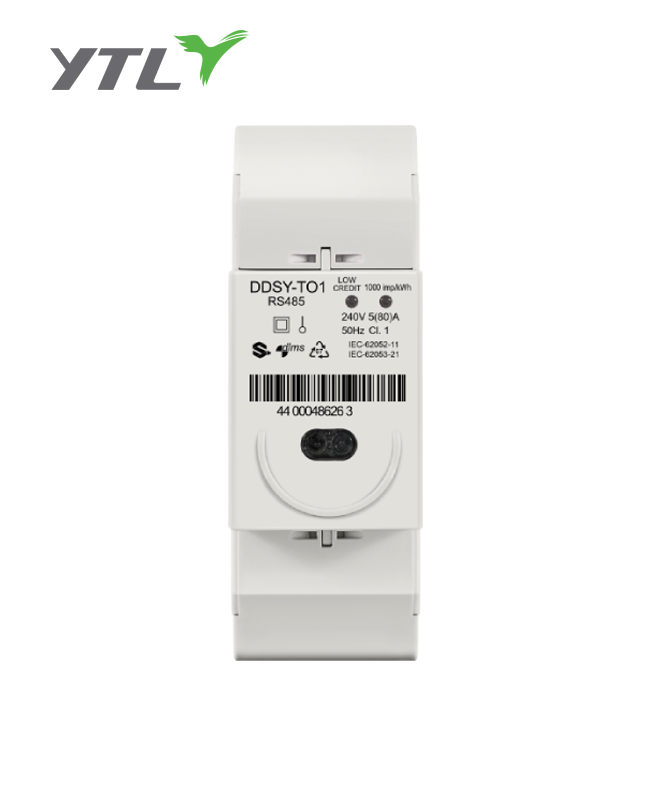
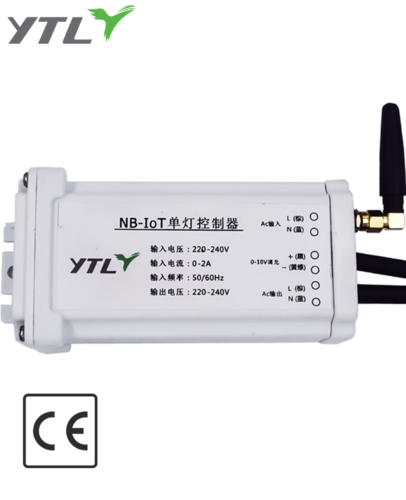
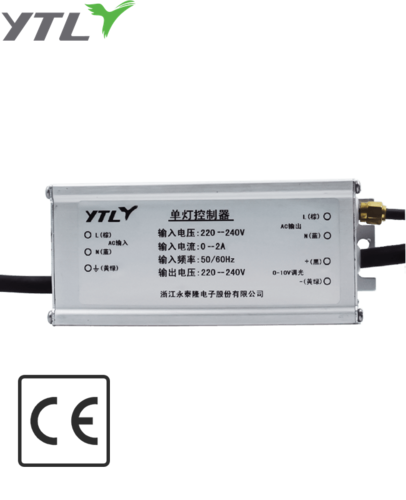
.png?imageView2/2/w/500/h/500/format/png/q/100 "YTL STS Prepaid Wi-Fine Energy Meter Single Phase Wall")
.jpg?imageView2/2/w/500/h/500/format/png/q/100 "YTL Company DTS353C DIN Rail 3P 4 Model Electricity Meter MID")