
 English
 简体中文
简体中文



In the field of electricity metering, the difference between smart meters and traditional meters is not only in terms of technological upgrades, but also reflected in the reconstruction of power management models. From early mechanical metering to today's intelligent interconnection, the two types of electric meters have formed a sharp contrast in terms of core functions, operating logic, and application value.
1、 Measurement Principles and Accuracy: A Leap from Mechanical Transmission to Electronic Chips
Traditional electric meters rely on mechanical structures as their core, and their measurement relies on an aluminum turntable driven by electromagnetic induction. When current passes through the coil of the electric meter, the generated magnetic field drives the turntable to rotate, and the number of revolutions of the turntable is converted into dial numbers through gear transmission, reflecting the electricity consumption. This mechanical transmission method is greatly affected by the environment, and temperature changes, magnetic field interference, or component wear can all lead to measurement errors. The error range is usually between ± 2% and ± 5%, and the accuracy will continue to decline after long-term use. In addition, mechanical electric meters are unable to recognize complex electrical states, and when faced with non-linear loads, measurement deviations are more pronounced.
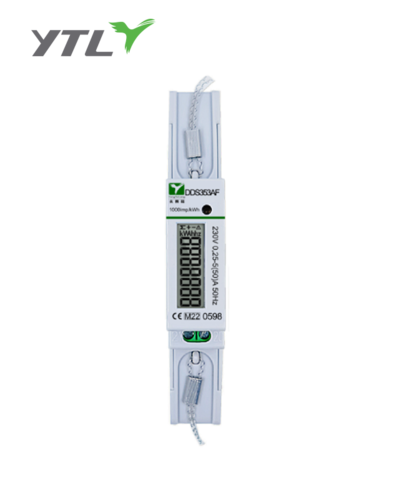
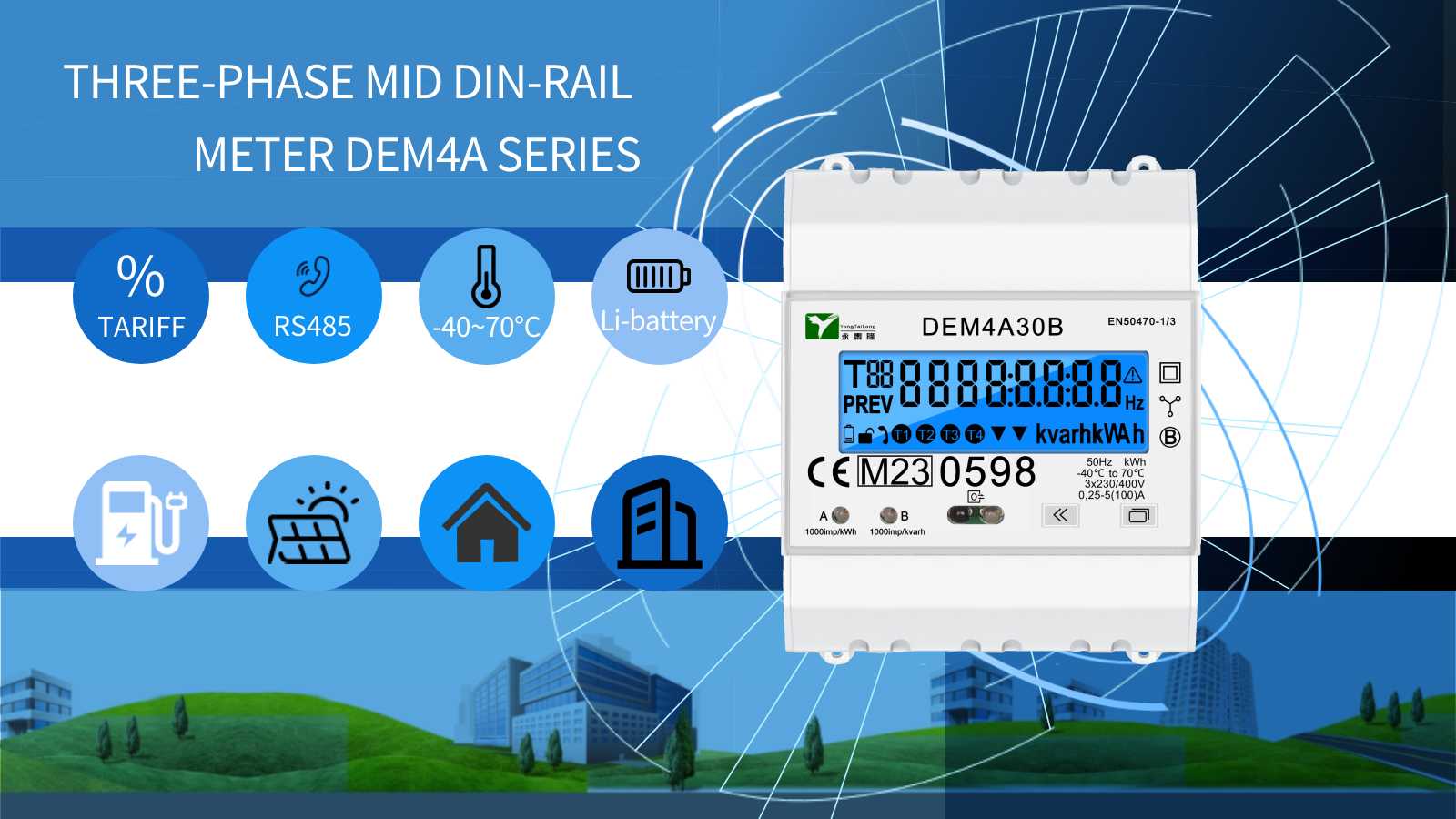
Smart meters adopt fully electronic metering technology, with high-precision metering chips and microprocessors at their core. It collects electrical signals in real time through voltage and current sensors, converts them into digital signals through analog-to-digital converters, and calculates energy consumption by the chip according to specific algorithms. This electronic measurement method is not affected by mechanical wear, and the error can be controlled within ± 0.5%. Even higher precision products can reach ± 0.2%. More importantly, smart meters can accurately measure the electrical energy of non-linear loads, adapt to modern electricity scenarios such as new energy equipment and precision instruments, and provide customers with more reliable energy consumption data.
2、 Functional category: Expansion from single measurement to multi-dimensional management
The function of traditional electricity meters is limited to basic measurement, only able to record the total electricity consumption, and cannot distinguish the electricity consumption data of different periods and circuits. For commercial buildings or factories, if it is necessary to calculate sub item energy consumption such as air conditioning, lighting, and production equipment, multiple traditional electricity meters must be installed, which not only increases costs but also makes it difficult to achieve centralized management. At the same time, traditional electricity meters lack status monitoring capabilities and are unable to warn of safety hazards such as line overload and leakage, let alone anti-theft functions, which can easily lead to waste of power resources or economic losses.
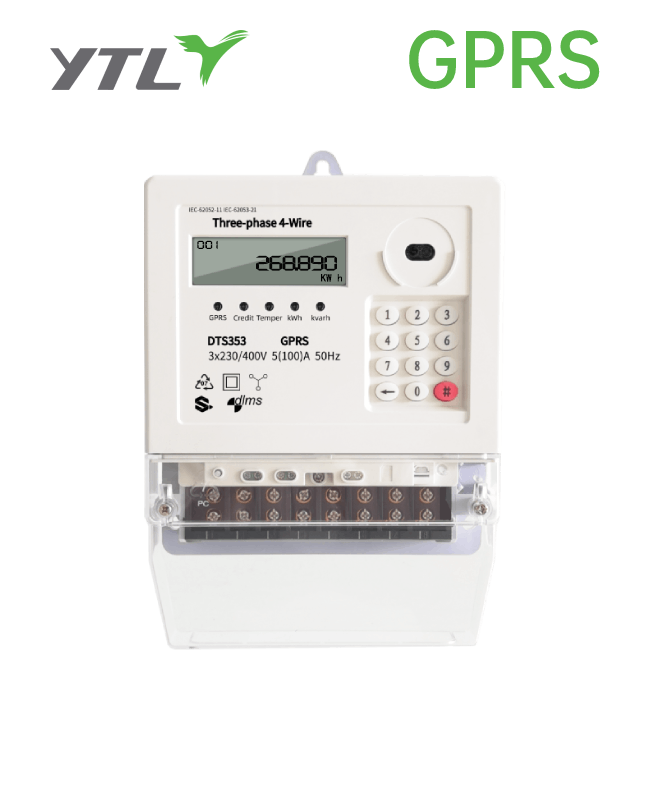
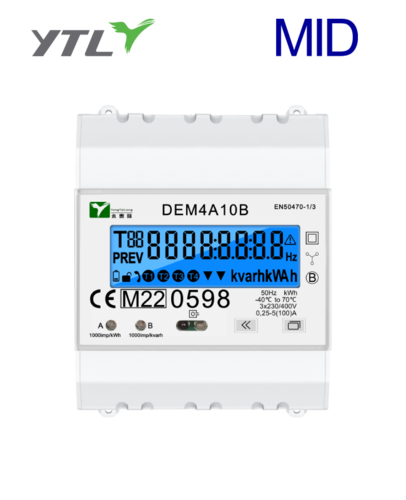
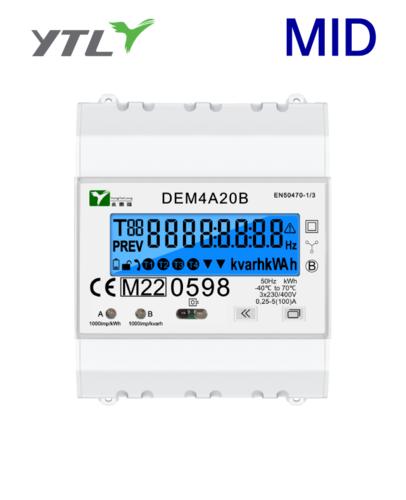
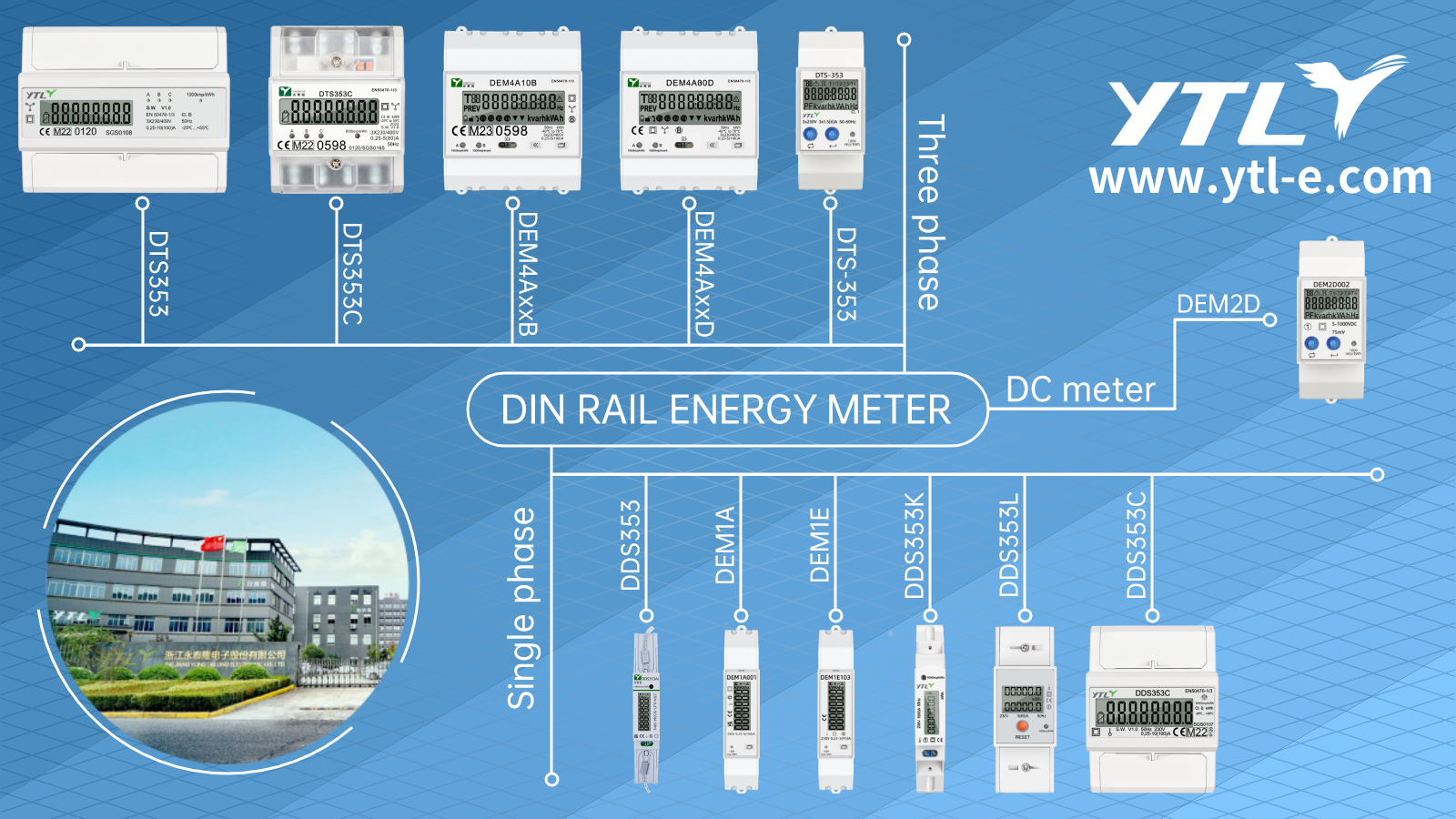
Smart meters have achieved a comprehensive upgrade in functionality. It supports time of use metering and can automatically distinguish the electricity consumption during peak, valley, and off peak periods, providing data support for the implementation of tiered electricity pricing and staggered electricity management. In terms of sub metering, smart meters can be designed with extended modules or multiple circuits to simultaneously monitor multiple power consumption circuits, meeting the demand for refined energy consumption analysis in commercial buildings and industrial parks. In addition, smart meters are equipped with built-in status monitoring sensors that can collect real-time parameters such as voltage, current, and power factor. Once abnormalities are detected (such as sudden increases in current or unstable voltage), warning information will be immediately sent through the communication module to reduce the risk of electrical accidents. Its anti-theft function is also more complete, which can identify electricity theft behaviors such as opening covers and short circuiting currents, and automatically record event logs to provide a basis for damage recovery.
3、 Data Interaction and Management Mode: The Transformation from Manual Meter Reading to Intelligent Interconnection
The data management of traditional electricity meters relies entirely on manual operation. Meter readers need to regularly go to the site to record dial data, which is not only inefficient, but may also result in data errors due to human negligence. For large commercial complexes or industrial plants, multiple electricity meters are scattered, and the time and management costs of manual meter reading are extremely high. In addition, data feedback is lagging, making it impossible to achieve real-time monitoring and dynamic adjustment. The settlement of electricity bills also needs to wait for the summary of meter reading data before proceeding, which can easily lead to payment delays, billing disputes, and other issues.
Smart meters achieve automated data exchange through communication technology. It has built-in communication modules such as RS485, NB IoT, LoRa, etc., which can upload real-time electricity data to the cloud management platform. Management personnel can remotely view the data through computers or mobile phones without on-site operation. This remote meter reading mode not only eliminates manual errors, but also increases the frequency of data collection to the minute or even second level, providing possibilities for real-time energy consumption monitoring and load forecasting. In terms of electricity management, smart meters support remote recharging and automatic settlement. Users can pay through online platforms, and the system updates the remaining electricity in real time to avoid power outages caused by overdue payments. For B2B customers, this intelligent management model can significantly reduce labor costs, improve energy management efficiency, and provide data-driven decision-making basis for energy-saving transformation.
4、 Adaptation scenario and long-term value: from basic measurement to energy Internet
Traditional electricity meters can only meet simple electricity metering needs and are suitable for scenarios with few electrical equipment and low management requirements, such as old residential buildings and small shops. However, in modern power scenarios such as new energy grid integration (such as photovoltaic power stations, energy storage systems), smart buildings, and industrial automation, traditional electricity meters lack data exchange capabilities and protocol compatibility, making it difficult to connect to smart energy management systems and adapt to the intelligent development of power systems.
Smart meters have become a key node of the energy Internet. In the field of new energy, smart meters can accurately measure the charging and discharging power of photovoltaic inverters and energy storage batteries, support linkage with microgrid control systems, and optimize the utilization efficiency of renewable energy. In commercial buildings, smart meters can be integrated into building automation systems (BAS) and linked with air conditioning, lighting, and other equipment to automatically adjust operating strategies based on energy consumption data, achieving energy conservation and consumption reduction. For industrial customers, smart meters can interface with industrial control systems such as PLC and SCADA, integrating electricity consumption data into production management processes, helping enterprises balance production capacity and energy consumption, and reduce electricity consumption per unit of output value. In the long run, the massive electricity consumption data accumulated by smart meters can be transformed into energy optimization solutions through big data analysis, continuously creating economic value and environmental benefits for B-end customers.
In summary, the core difference between smart meters and traditional meters is essentially the transformation of power metering from "passive recording" to "active management", and from "isolated devices" to "interconnected nodes". For B2B customers who pursue efficiency, safety, and intelligence, choosing smart meters is not only a technological upgrade, but also an inevitable choice to improve energy management and adapt to the future development of the power system.