
 English
 简体中文
简体中文



In the practice of property management, there are long-term structural risks in the electricity fee collection process. The traditional "electricity first, pay later" operating model completely shifts the financial pressure onto property management companies, causing tenants to evade payment when terminating their leases, resulting in "ghost electricity bills" for long-term vacant properties, and increasing collection costs due to malicious arrears, posing systemic risks to the continued operation of property management companies. These risks not only cause direct financial losses, but also consume a large amount of property management resources - repeated on-site communication by debt collectors, time-consuming and laborious legal proceedings, while the quality of core services is diluted as a result. When the bad debt rate of electricity bills exceeds 10%, which has become the norm in the industry, seeking fundamental solutions driven by technology has become an urgent need for property management.
1、 The Disruptive Change of Prepaid Mechanism
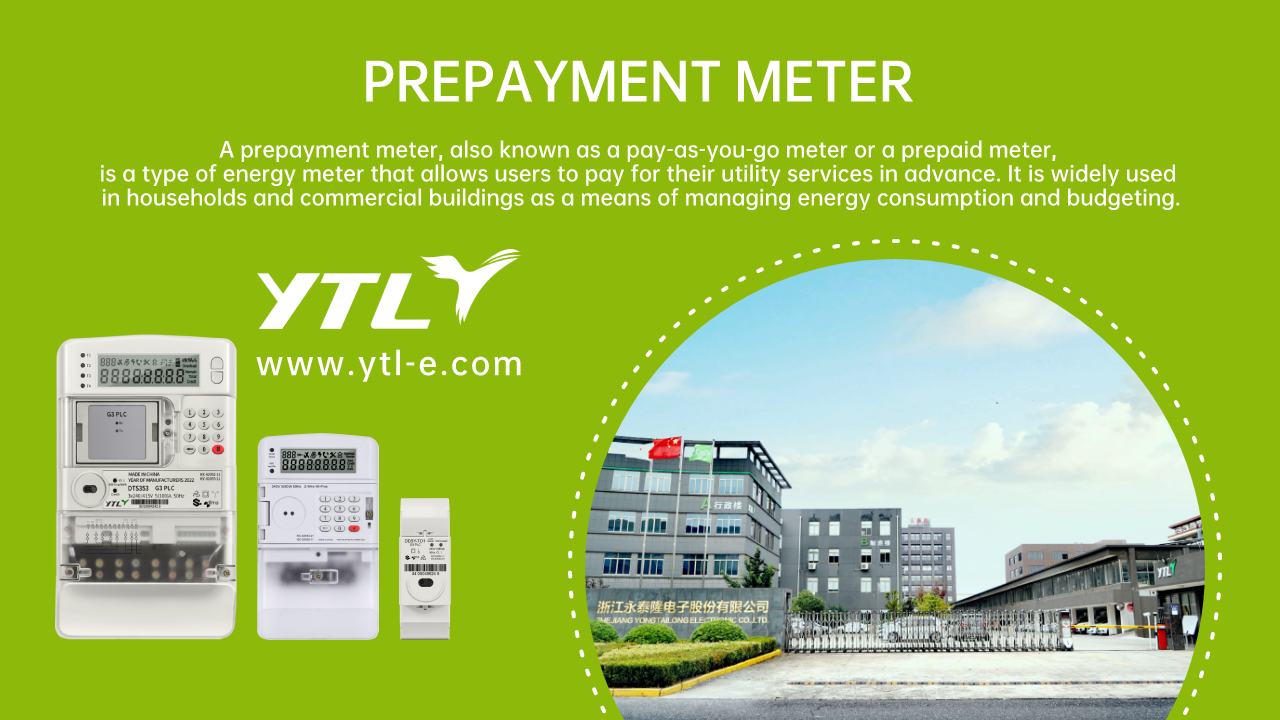
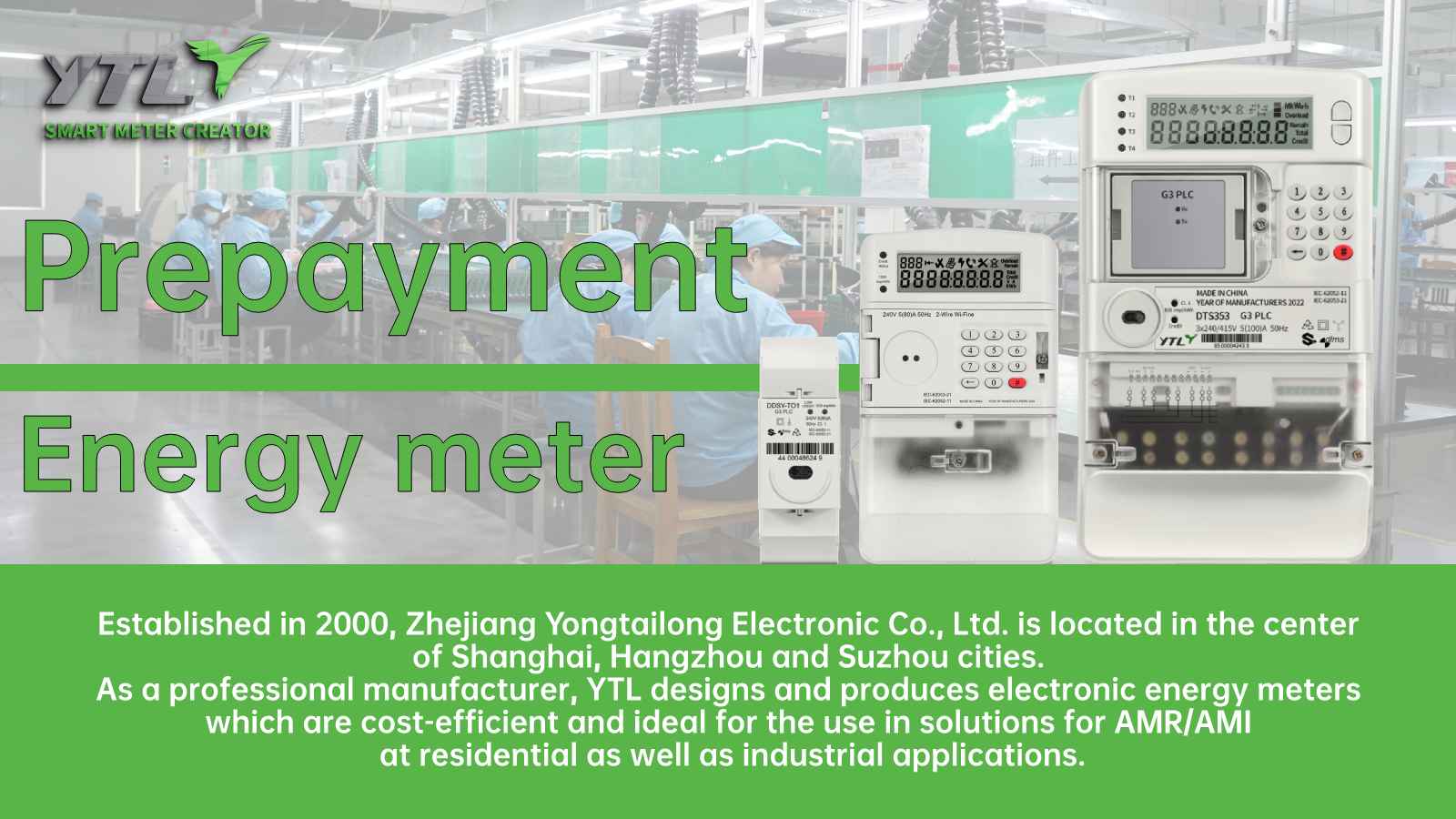
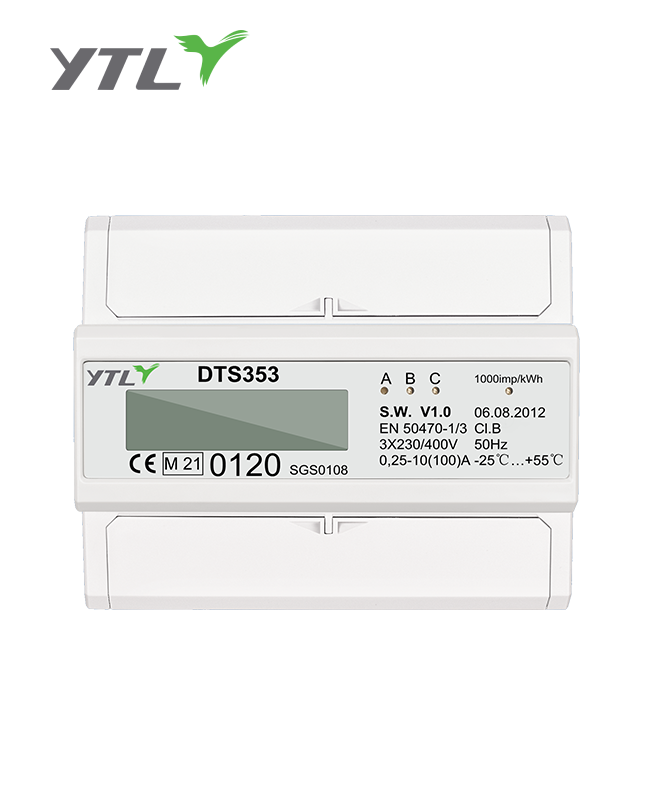
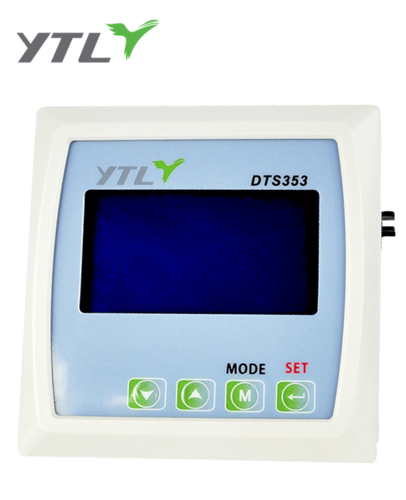
Prepaid electricity meters reconstruct the energy consumption relationship through the underlying logic of "pay first, use later". The core technology lies in the coordinated operation of the intelligent control module built into the electricity meter and the prepaid management system: users need to purchase electricity in advance through mobile terminals or property windows, and the electricity meter measures and deducts the electricity consumption amount in real time. When the balance is below the preset threshold, the system automatically triggers a multi-level warning mechanism: first, a low balance reminder is pushed through SMS/APP; If the user fails to recharge in a timely manner, the power supply circuit will be automatically cut off when the balance returns to zero. This "risk pre positioning" design eliminates the possibility of arrears from the source, and property management companies completely get rid of the financial burden of electricity bill financing. Compared to the traditional passive collection model, the prepaid system has achieved the transfer of charging initiative and built a sustainable and virtuous cycle mechanism.
2、 Multidimensional release of management efficiency
The value of prepaid systems far exceeds the scope of debt prevention, and it is reshaping the overall efficiency framework of property management. The remote meter reading function supported by Internet of Things technology (NB IoT/LoRa/4G) has ended the history of manual household recording; The automatically generated energy consumption report is synchronized in real-time with financial data, reducing labor costs for electricity management by over 80%. In the scenario of tenant replacement, administrators can complete account cancellation or transfer with one click through the backend system, eliminating the breeding of historical arrears disputes. For special scenarios such as temporary booths and seasonal merchants in commercial properties, the system supports flexible strategies such as tiered pricing and time of use pricing to meet diversified business needs. These technological features collectively drive the transformation of property management from labor-intensive to technology intensive.
3、 Dual guarantee of security architecture
Modern prepaid systems have built a financial level security protection system. At the data transmission layer, recharge instructions are authenticated bidirectionally through asymmetric encryption algorithms, and transaction records are stored on a blockchain to ensure immutability; At the physical layer of the device, the electricity meter is equipped with magnetic interference monitoring sensors and anti tamper triggering devices to effectively curb technological electricity theft. The management system implements strict three-level permission control: ordinary operators only have access to recharge and invoicing permissions, and key operations such as rate adjustments require authorization from administrators for two factor authentication and approval. Audit accounts independently monitor all operation logs. This three-dimensional protection network, from hardware to software, from operation to supervision, provides systematic protection for property fund security and data privacy.
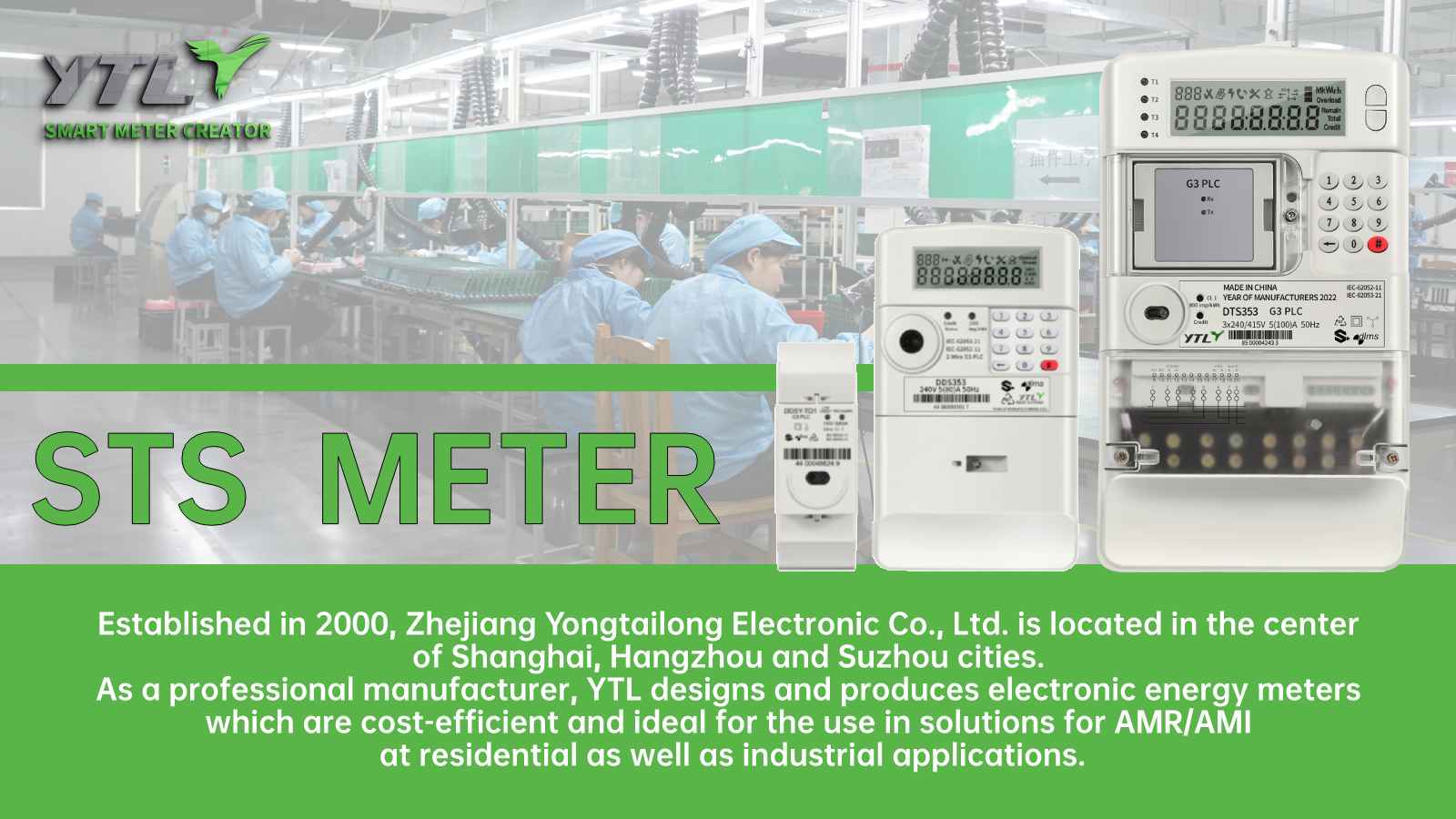
Prepaid electricity meters essentially reconstruct the production relationship of property management using digital technology. After releasing management resources from the dilemma of debt collection, enterprises can shift their manpower allocation to value creation areas such as customer service upgrades and facility maintenance optimization. These evolutions indicate that prepaid electricity meters have surpassed simple anti arrears tools and become the core infrastructure for building a smart energy ecosystem in property management, opening up new dimensions of value growth while reducing operational risks.
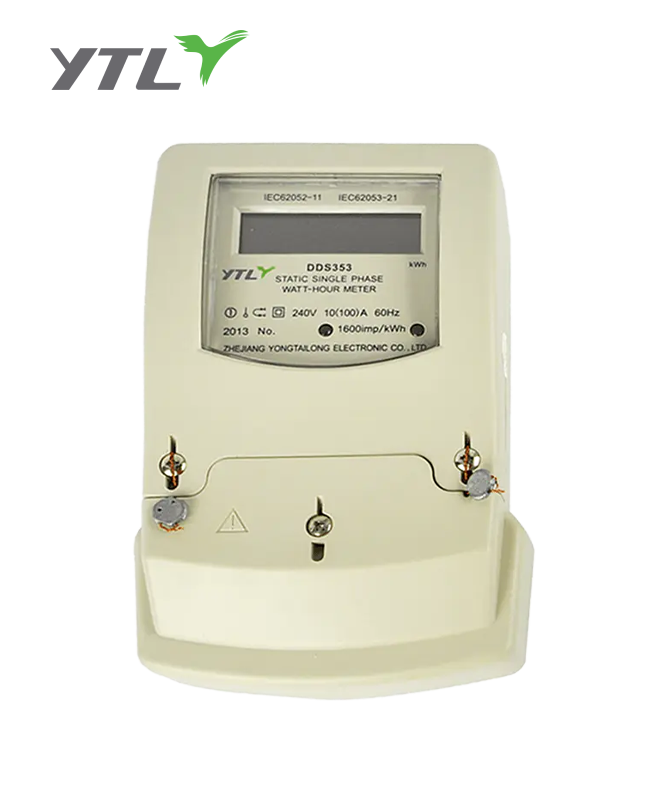
.png?imageView2/2/w/500/h/500/format/png/q/100 "YTL STS Prepaid Wi-Fine Energy Meter Single Phase Wall")
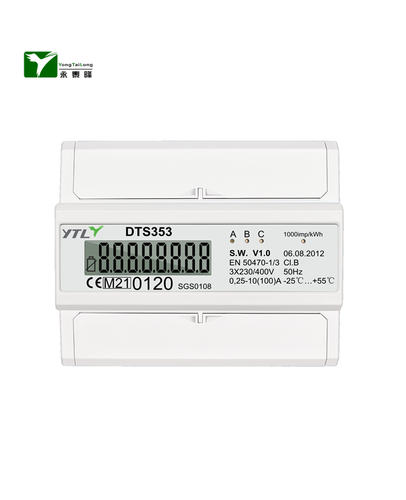
.png?imageView2/2/w/500/h/500/format/png/q/100 "YTL Two Phase Three Wire LCD Shunt sampling Energy Meter")