
 English
 简体中文
简体中文



In the wave of industrial facility upgrading and building energy-saving renovation, updating the metering system of old distribution cabinets has become a common demand. Traditional wall mounted electricity meters, due to their large size and complex installation, often require companies to replace their distribution cabinets as a whole, resulting in high renovation costs and long downtime periods. The rail mounted electricity meter, with its modular design and compatibility with industrial standards, is reshaping the technological path of distribution cabinet renovation, providing an economical and efficient solution for energy efficiency upgrades.
1、 Revolutionary breakthrough in spatial adaptation
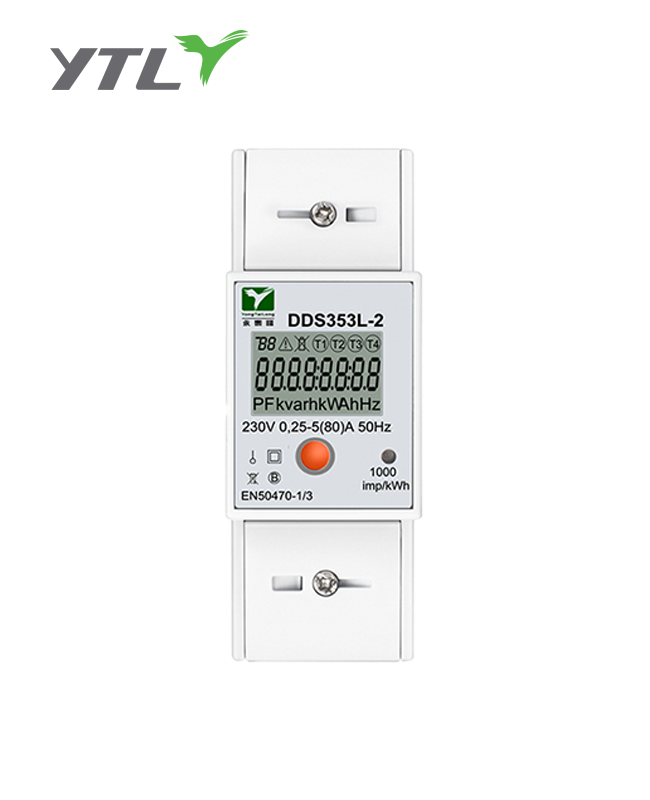
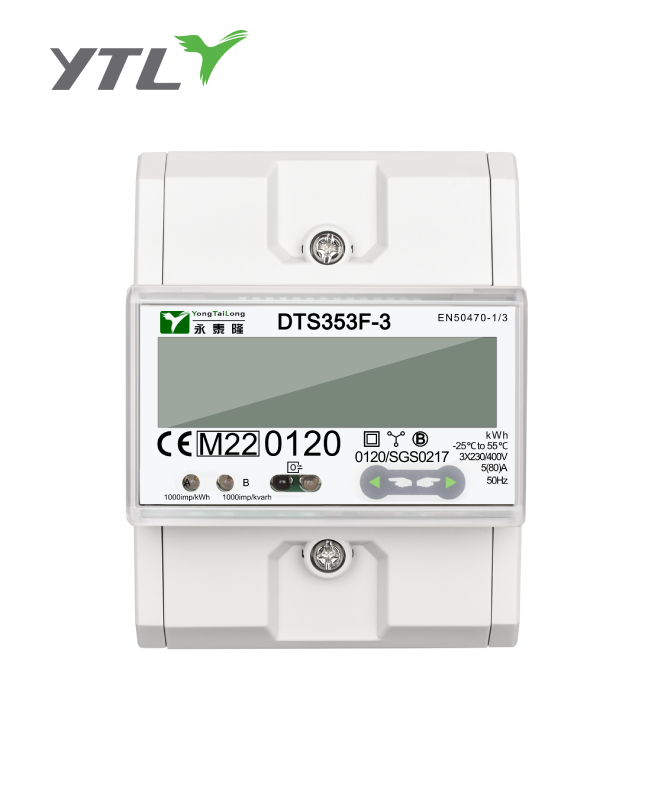
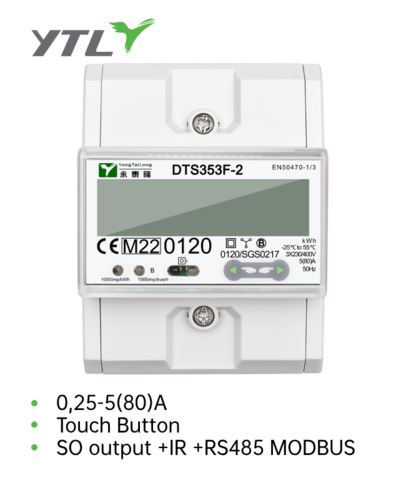
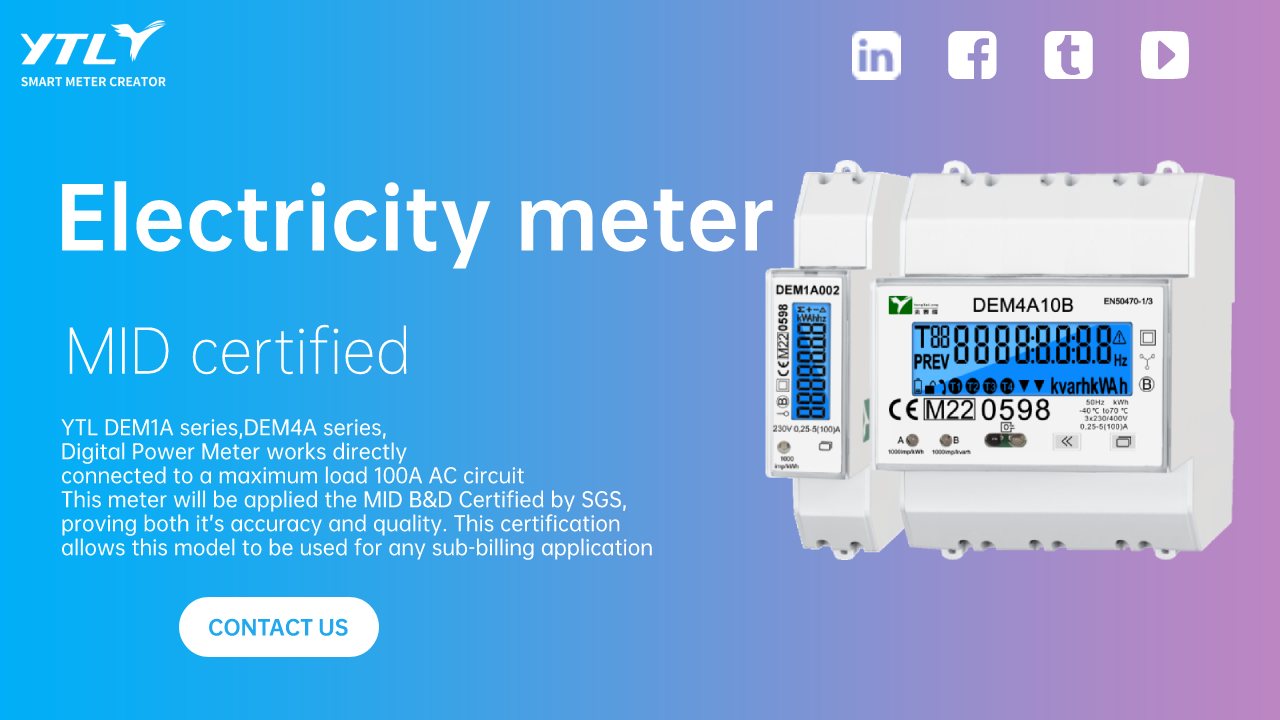
The internal space of the distribution cabinet is like a precision puzzle, with each square centimeter carrying key electrical components. Traditional electric meters require independent wall mounted installation, with a depth generally exceeding 120mm. In compact distribution cabinets, it is often necessary to remove existing components or expand the cabinet. The rail type electric meter adopts a flat design, with a thickness that can be controlled within 45mm. It is vertically installed using standard 35mm DIN rails, perfectly adapting to various cabinet structures. Its width follows the principle of modularity, with single-phase meters occupying only 4 modules and three-phase multifunctional meters not exceeding 12 modules. This space intensive feature is particularly suitable for scenarios with dense branch distribution circuits, allowing for metering upgrades to be completed without damaging the cabinet structure.
2、 Disruptive improvement in installation efficiency
The transformation of traditional electric meters requires tedious processes such as drilling and positioning, dismantling busbars, and secondary wiring. The installation of a single meter takes about 45 minutes and requires power-off operation. The rail mounted electricity meter has pioneered a "plug and play" transformation mode: during installation, only the back buckle of the meter needs to be aligned with the rail and pressed to lock, and the input and output terminals are connected through spring clamping terminals without the need for screw crimping. Models that support live plugging and unplugging can be retrofitted step by step without affecting production, and the installation time for a single unit can be compressed to within 8 minutes. This efficient installation feature significantly reduces the impact of renovation on normal operations, especially suitable for critical locations such as hospitals and data centers that cannot experience long-term power outages.
3、 Flexible and scalable sustainable architecture
The metering demand of the power distribution system often changes dynamically over time. The rail mounted electricity meter achieves "on-demand evolution" through modular design: the basic meter can be equipped with communication modules (such as 4G/NB IoT) in the later stage, upgrading local metering to remote monitoring; When adding harmonic analysis function, only the meter needs to be replaced without modifying the circuit; When installing multiple circuits in a centralized manner, the standard spacing design between meters facilitates the addition of equipment. During the expansion of a production line at a certain automobile factory, 5 new electricity meters were added next to the existing guide rail meters without modifying the busbar structure throughout the entire process. This elastic expansion capability enables the distribution cabinet to have the vitality of continuous evolution, avoiding resource waste caused by "secondary renovation".
4、 The essential improvement of maintaining convenience
The replacement of faulty electricity meters in traditional mode is like precision surgery: adjacent equipment needs to be removed, complex line sequences need to be marked, and CT needs to be recalibrated. The rail type electricity meter adopts a front wiring design, and all interfaces are located in the visible area of the panel; After unplugging the meter, the guide rail remains fixed, and inserting a new meter automatically restores the wiring; Some high-end models support hot swapping, and spare meters can directly replace faulty units when powered on. This maintenance friendliness significantly reduces the risk of system downtime and operational costs.
5、 Systematic optimization of cost structure
The economy of rail type renovation is reflected in the entire lifecycle dimension. In terms of direct costs: eliminating cabinet renovation costs and saving over 60% of installation labor; The indirect benefits are even more significant: shortening the production capacity value created by power outages can reach several times the equipment cost, and modular expansion avoids duplicate investment. This cost advantage presents an exponential amplification effect in multi-point and large-scale renovation projects.
6、 Intelligent interface for the future
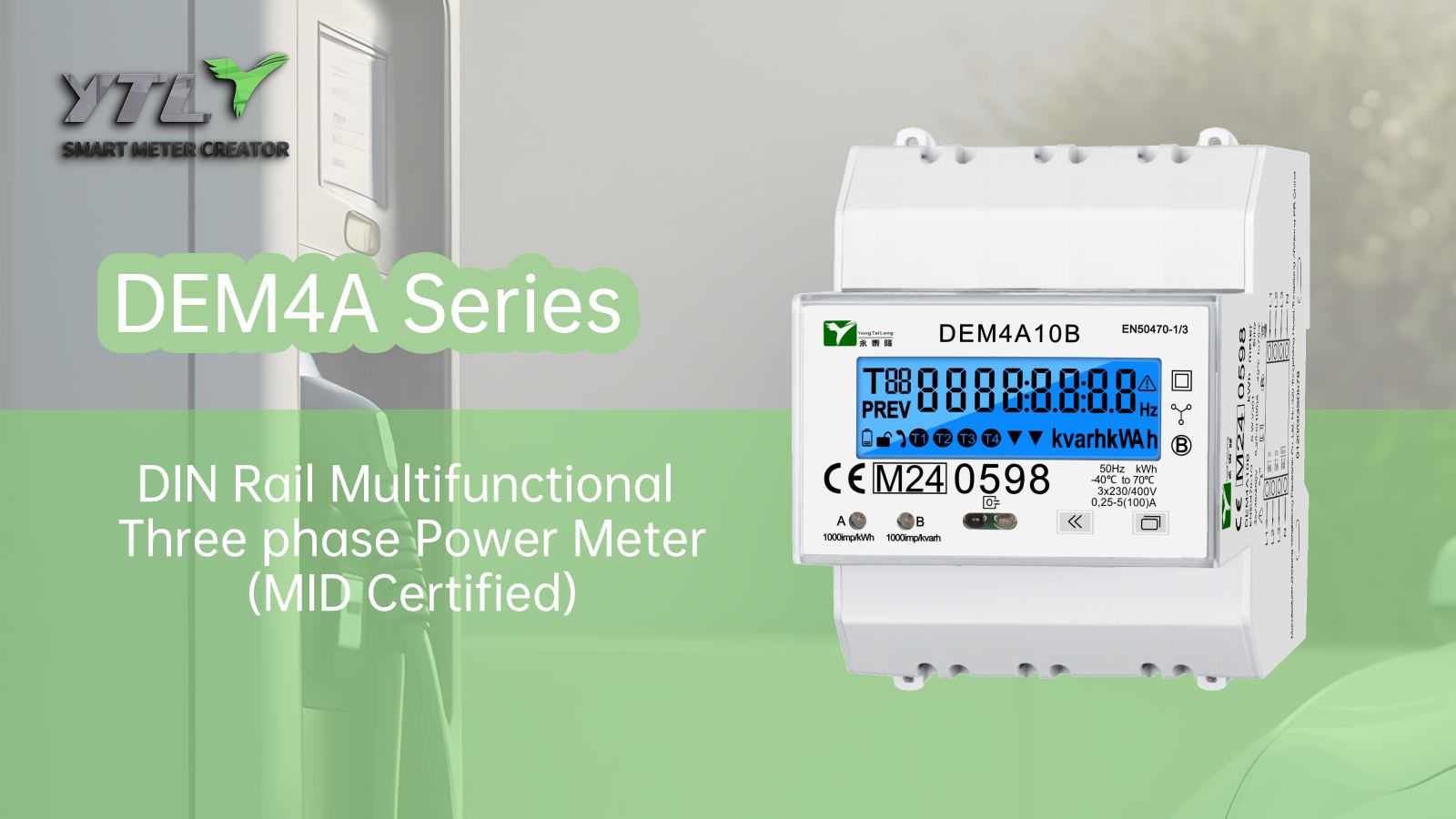
Modern rail meters have surpassed basic measurement functions and become the nerve endings of digital distribution. Its standard Modbus protocol output can be directly connected to the energy management system, transmitting 48 parameters such as voltage, current, and power factor in real-time; High end models supporting edge computing can complete demand prediction and fault diagnosis locally; The universality of rail installation makes it easier to integrate extended modules such as temperature sensors and leakage monitoring.
The technical value of rail mounted electricity meters lies in redefining the underlying logic of power distribution transformation. It transforms measuring equipment from "customized engineering" to "standardized components" and transforms complex electrical renovations into modular assembly processes. This transformation not only lowers the technological threshold and implementation risks, but also endows old distribution systems with the ability to continue evolving. Driven by Industry 4.0 and dual carbon goals, rail mounted electric meters are evolving from transformation tools to strategic pivot points for energy efficiency management, providing a solid metering infrastructure for enterprises' green transformation
.png?imageView2/2/w/500/h/500/format/png/q/100 "YTL STS Prepaid Wi-Fine Energy Meter Single Phase Wall")