
 English
 简体中文
简体中文



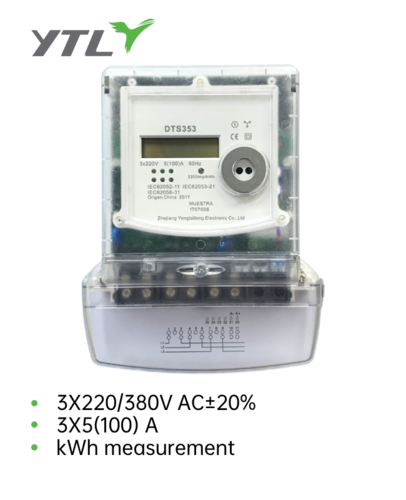
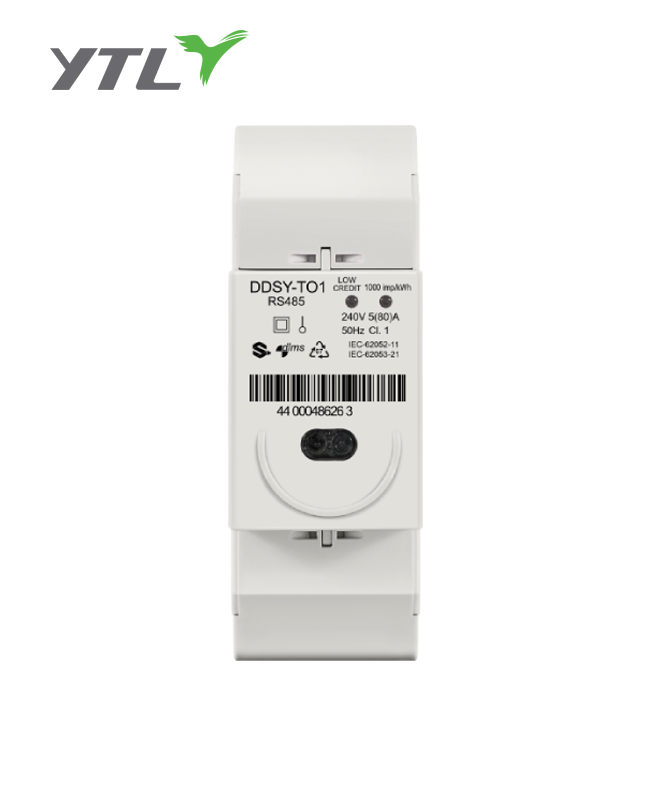
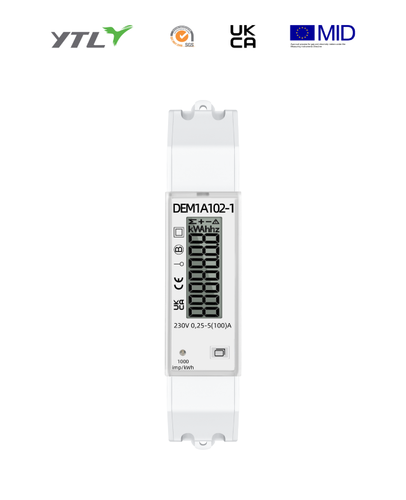
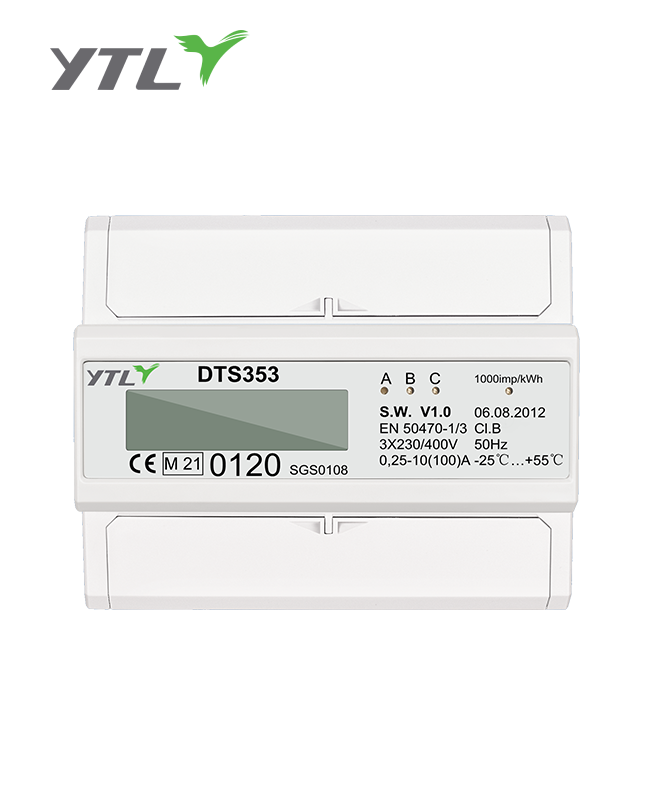
When the factory still requires a dedicated person to climb the ladder every month to record the electricity meter numbers, and when the property management company spends half of its manpower to collect electricity bills, the traditional meter reading mode has become an efficiency black hole in enterprise management. The integration of smart meters and remote meter reading technology is pushing energy management from the artificial age to the digital age. The core value of this silent revolution lies in replacing human flow with data flow and reconstructing the paradigm of enterprise energy efficiency management.
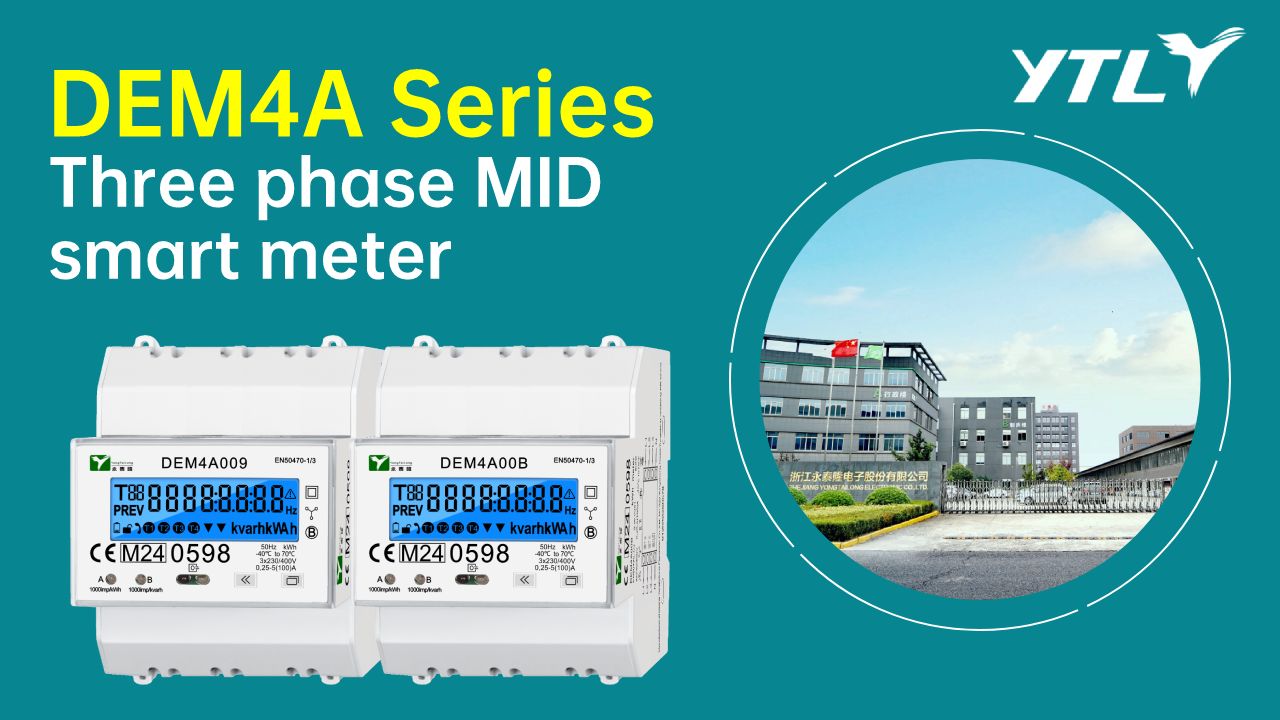
1、 Human resource liberation: bidding farewell to the era of paper meter reading
The traditional meter reading mode has three efficiency constraints: dedicated personnel need to locate and record each device, and a single meter reading in large factory areas takes more than 3 days; The paper document transcription system is prone to errors, with data lag of up to half a month; Abnormal electricity usage cannot be alerted in real time, and the fault response is delayed for several weeks. The remote meter reading system achieves automatic centralized collection through IoT technology (NB IoT/GPRS), and meter data is transmitted back to the cloud every hour. This release of manpower transforms energy administrators into data analysts, focusing on the value creation process.
2、 Cost reduction: from explicit expenses to implicit losses
The economic benefits of remote meter reading far exceed labor savings. In terms of direct cost dimension: eliminating fixed expenses such as meter reader salaries, vehicle wear and tear, and paper printing, typical enterprises can reduce costs by over 200000 yuan per year. More importantly, eliminating hidden losses: through minute level electricity monitoring, accurately identifying equipment standby energy consumption; Automatically generate time-sharing electricity consumption reports and optimize production shift arrangements. These hidden benefits can directly save 3-5 times, forming the core path for sustainable cost reduction for enterprises.
3、 Risk prevention and control: 24-hour energy guardian
Abnormal electricity usage in traditional modes is like walking in the dark: cable overheating and leakage risks are difficult to detect in a timely manner; Malicious electricity theft may only be discovered after several months; The sudden increase in demand leading to fines has become an established fact. The multi-dimensional sensors built into the smart meter construct an active defense network: the temperature monitoring module automatically alarms when the wiring terminal exceeds 65 ℃; The accuracy of leakage detection reaches 10mA, and an alarm is immediately pushed when the threshold is exceeded; The demand forecasting function activates an alert when the load approaches 90% of the contracted capacity.
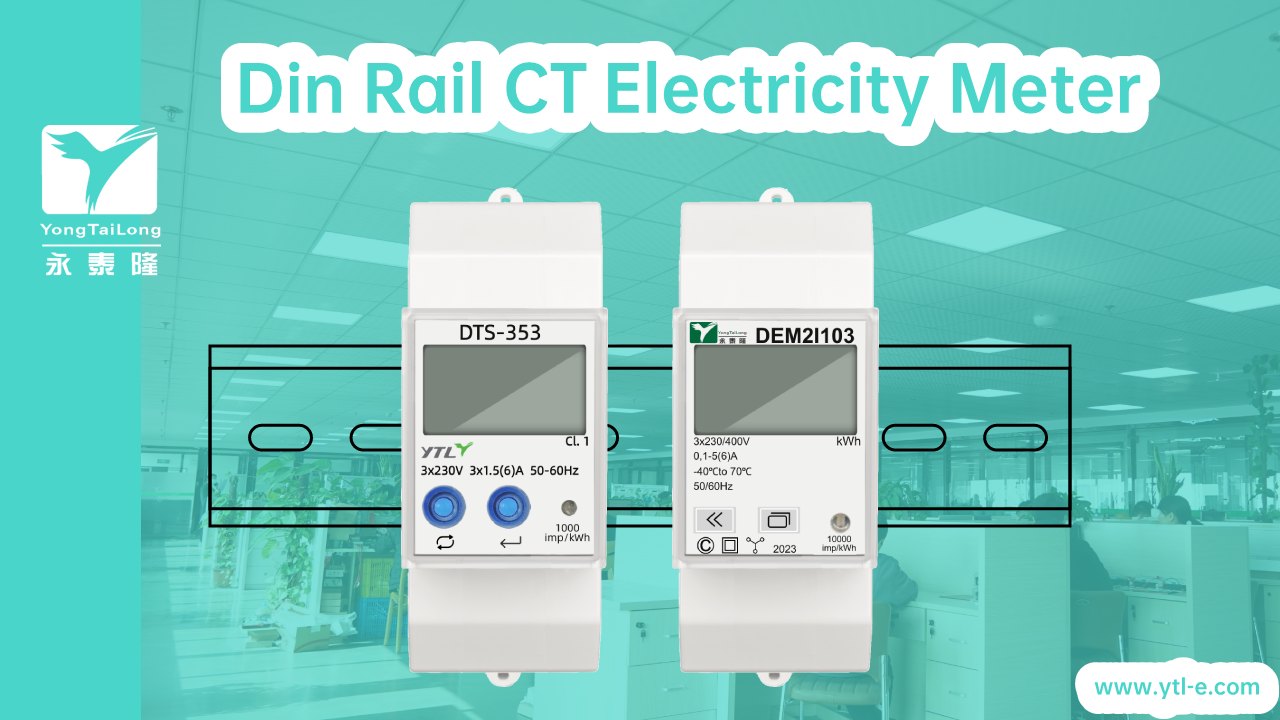
4、 Decision Upgrade: From Experience Driven to Data Driven
The biggest pain point of energy management is the vague decision-making basis. The three major analysis tools provided by remote systems change the rules of the game: load decomposition technology breaks down total energy consumption to the production line level and accurately locates high energy consuming links; Establish a production energy consumption relationship model for the energy efficiency baseline function, and automatically trigger diagnosis if the deviation exceeds 15%; The electricity simulator can predict the cost structure under different production plans. These tools enable managers to answer the key question: how much money can be saved by shutting down a certain device? How much electricity will the new production line increase?
5、 Ecological integration: the energy nerve of smart enterprises
The remote meter reading system is becoming a key component of the digital foundation for enterprises. By integrating with ERP, the finance department automatically obtains electricity cost allocation data; Integrate with the building control system to achieve on-demand adjustment of lighting and air conditioning; Integrate with photovoltaic monitoring platform to optimize self use strategies. This connectivity capability has evolved energy management from an isolated system to a smart operational hub.
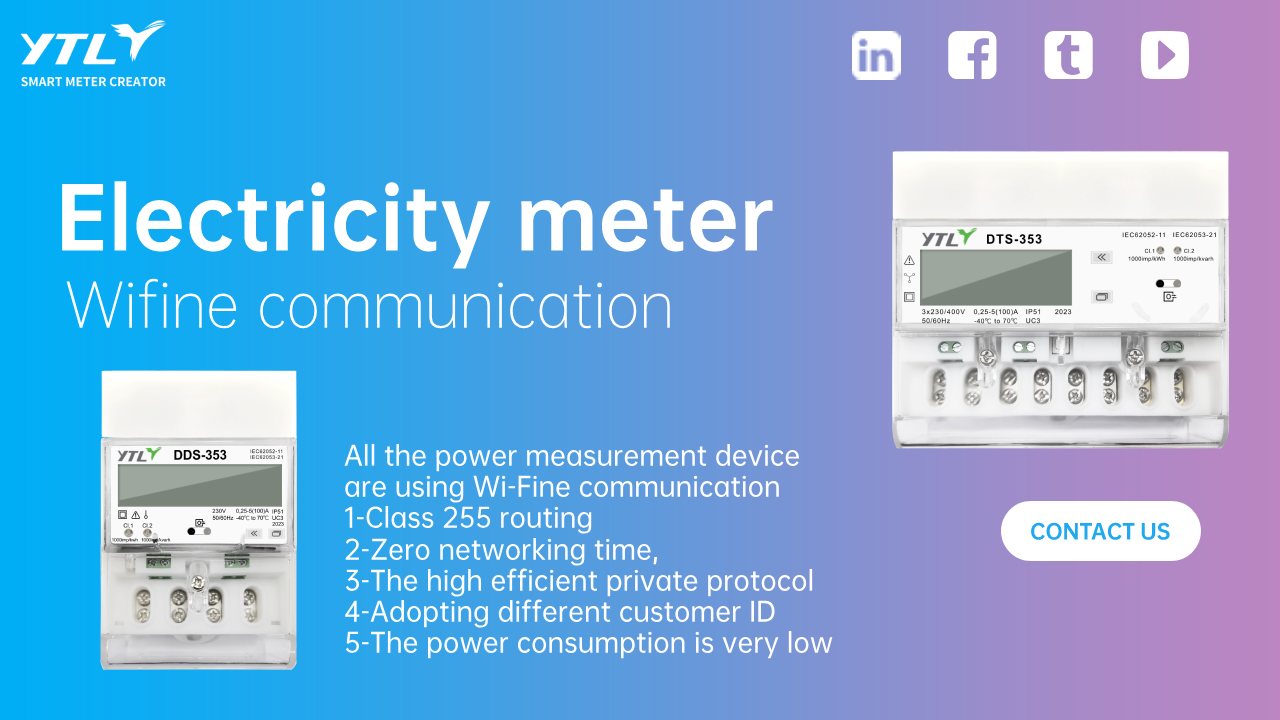
6、 Implementation Path: Three Steps to Cross the Efficiency Gap
Enterprise upgrading needs to avoid common misconceptions:
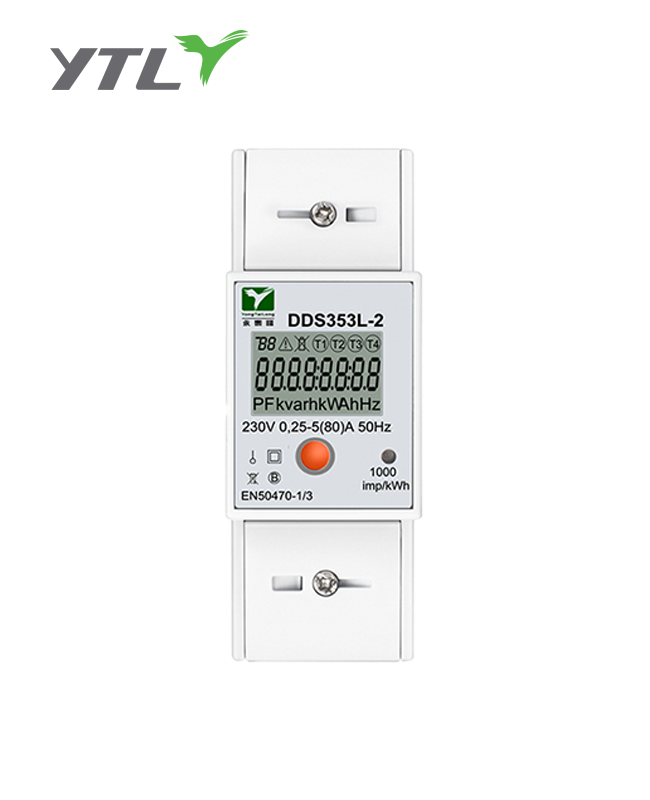
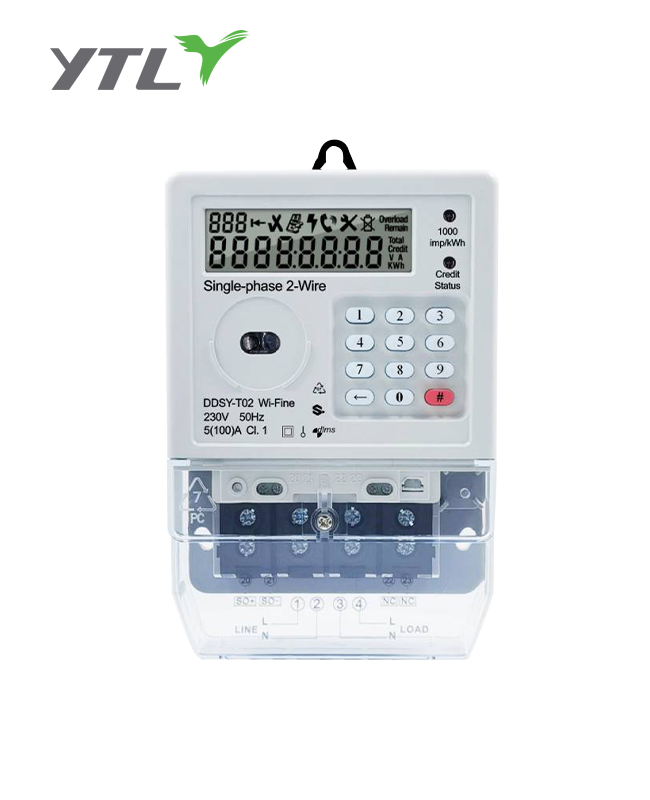
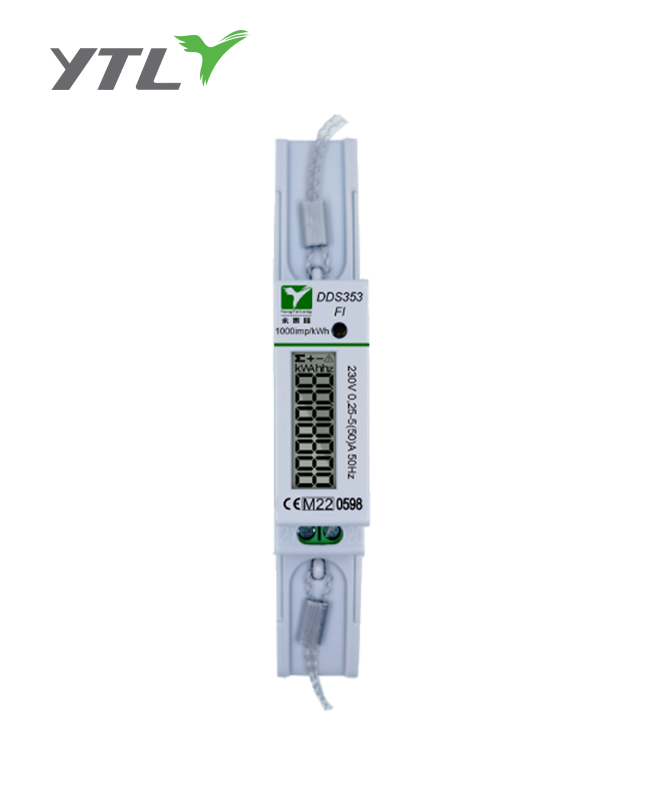
1. Hardware selection: Modular electric meters (rail type/direct in type) are preferred, and there is no need to replace the busbar for the renovation of old cabinets; The communication module needs to support dual channels (such as 4G+LoRa) to ensure signal stability
2. System deployment: Cloud platforms should have API interfaces to avoid the formation of data silos; Mobile devices need to support work order push and approval
3. Operation and maintenance transformation: Establish an energy operation center to cultivate data interpretation capabilities; Develop a process for responding to abnormal electricity usage
conclusion
When electricity meter data flows into the enterprise database every 15 minutes, it not only changes the meter reading method, but also the essential evolution of management logic. When factory managers view real-time power curves on their mobile phones and property personnel automatically generate electricity bills, they are experiencing a transition from labor input to mental creativity. Smart meters are like perception neurons implanted in energy networks, while remote meter reading systems are the central nervous system that transmits decision signals. The digital energy system constructed by the two in synergy is becoming the core competitiveness of enterprises in low-carbon transformation.