
 English
 简体中文
简体中文



1. Introduction to Electric Power Meters
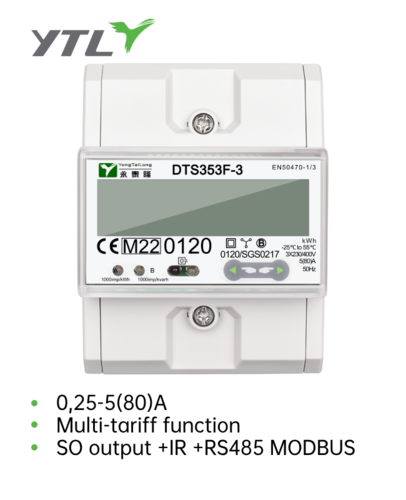
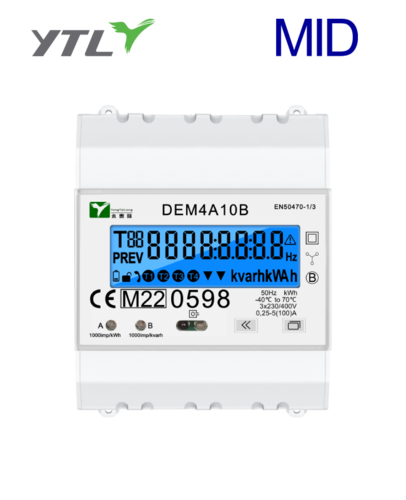
An electric power meter, also known as an electricity meter or power meter, is a device that measures the amount of electrical energy consumed by a residence, a business, or an electrically powered device. Its primary function is to accurately record your energy usage in kilowatt-hours (kWh), which is the unit of measurement your utility company uses to calculate your electricity bill.
Understanding how your electric power meter works and how to read it is important for several reasons. It empowers you to:
- Track your consumption: By regularly checking your meter, you can monitor your energy usage over time and identify trends.
- Verify your bill: You can compare your meter readings with your monthly bill to ensure you're being charged accurately.
- Identify energy-saving opportunities: A deeper understanding of your energy consumption can help you pinpoint which appliances or habits are using the most electricity, allowing you to make smarter choices to save energy and money.
2. Types of Electric Power Meters
There are three main types of electric power meters. Each type works differently and offers different features.
Analog (Electromechanical) Meters
How they work:
Analog meters are the traditional, older style of electric meter. They work using an electromagnet that creates a rotating magnetic field. This field causes a metal disk to spin, and the speed of the disk's rotation is proportional to the amount of power being used. The disk is connected to a series of gears that turn dials, which display the cumulative electricity consumption.
Advantages and Disadvantages
| Advantages | Disadvantages |
|---|---|
| Simple and durable: They have a long operational life and are not susceptible to electronic interference. | Less accurate: Can be less precise than digital meters, especially at low power consumption. |
| No power required to operate: They don't need any external power source to measure consumption. | Difficult to read: Can be confusing for homeowners to read accurately, leading to errors. |
| Tamper-resistant: It's more difficult to tamper with an analog meter without physical evidence. | No remote reading: Requires a meter reader to visit your property to get a reading. |
| No advanced features: Lacks the advanced data and communication capabilities of modern meters. |
Digital Meters
How they work:
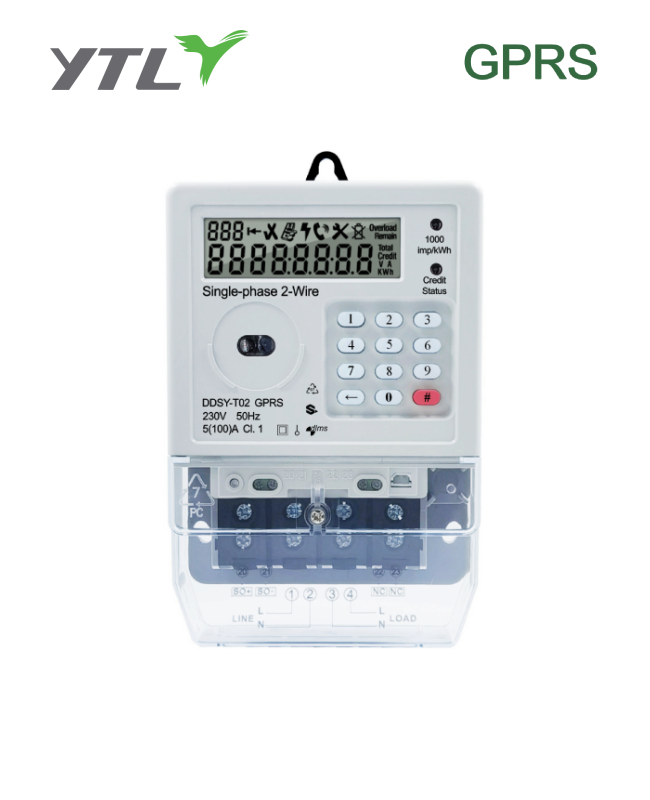
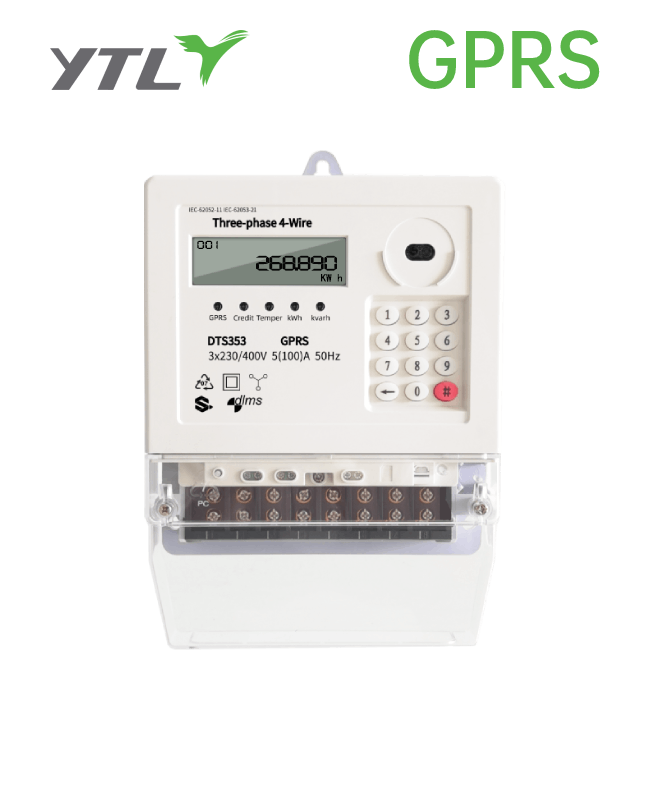
Digital meters, as the name suggests, use electronic components to measure energy consumption. They have a microprocessor that samples the voltage and current thousands of times per second. Based on these measurements, it calculates the power being used and then integrates that power over time to determine the total energy consumed. The consumption is then displayed on an electronic screen, usually an LCD or LED display.
Advantages and Disadvantages
| Advantages | Disadvantages |
|---|---|
| Highly accurate: Provides a more precise measurement of energy consumption than analog meters. | Susceptible to power outages: May need a small internal battery to retain data during a power outage. |
| Easy to read: The clear digital display eliminates the guesswork associated with reading dials. | Potential for tampering: Can be vulnerable to sophisticated electronic tampering. |
| Remote reading capabilities: Some digital meters can be read remotely by utility companies, eliminating the need for manual readings. | More complex components: The electronic nature of the meter means there are more parts that could potentially fail. |
| Records more data: Can track additional information like peak demand and power quality. |
Smart Meters
How they work:
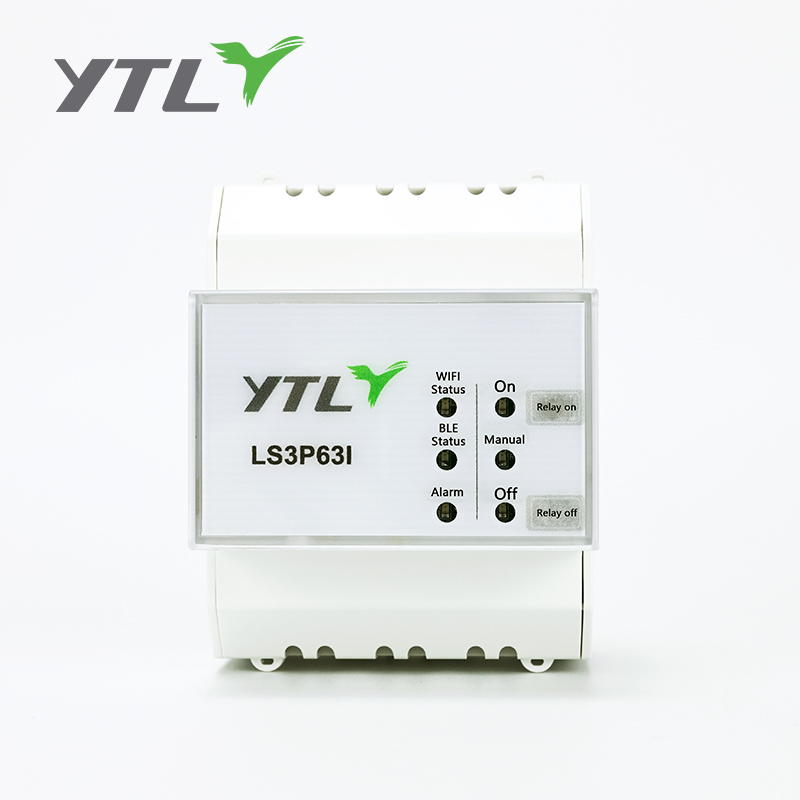
A smart meter is an advanced type of digital meter. What sets it apart is its ability to communicate in two directions. It not only sends your electricity usage data to the utility company but also can receive information from them. This two-way communication happens in near real-time, often hourly or even more frequently, through a secure network.
Benefits for Consumers and Utility Companies
| Benefits for Consumers | Benefits for Utility Companies |
|---|---|
| Detailed usage data: Allows you to see exactly when you use the most energy, helping you adjust your habits. | Accurate billing: Real-time data ensures bills are based on actual consumption, not estimates. |
| Time-of-use (TOU) pricing: Enables utility companies to offer different rates for electricity used at different times of the day, rewarding off-peak usage. | Improved grid management: Utilities can better manage electricity distribution and predict demand. |
| Faster outage detection: The utility company can be notified instantly of a power outage at your home. | Reduced operational costs: Eliminates the need for manual meter reading and associated travel costs. |
| Integration with smart home devices: Can be linked with smart thermostats and other devices to automate energy saving. | Enhanced security and reliability: Can help detect power theft and identify system anomalies more quickly. |
3. How to Read an Electric Power Meter
Understanding how to read your electric power meter is a fundamental step in taking control of your energy consumption. The process differs slightly depending on the type of meter you have. Here is a guide to reading the three main types.
Reading Analog Meters
Reading an analog meter can be tricky due to its five or six dials. Each dial represents a digit in your total consumption. You should read the dials from left to right.
Step-by-Step Guide:
- Locate the dials: Your meter will have a series of five or six dials arranged in a row.
- Read from left to right: Begin with the first dial on the far left.
- Note the pointer's position: Look at the dial's pointer and record the number it has just passed. If the pointer is between two numbers, always take the lower number. An important exception: if the pointer is exactly on a number, check the dial to its right. If the pointer on the right-hand dial has not yet passed zero, you must record the lower number on the current dial.
- Pay attention to direction: The pointers on analog meters typically alternate direction. Some turn clockwise, while others turn counter-clockwise. Be sure to follow the direction for each individual dial.
- Record all numbers: Write down the number from each dial in the correct order to get your total reading.
Common Mistakes to Avoid:
| Mistake | How to Avoid |
|---|---|
| Reading the wrong number: The most common error is reading the number the pointer is approaching, rather than the number it has passed. Always read the lower of the two numbers. | Always choose the lower number when the pointer is between two digits. |
| Misreading the alternating dials: Forgetting that some dials spin in the opposite direction can lead to an incorrect reading. | Be mindful of the direction each dial is turning before recording the number. |
| Not checking the next dial: If a pointer is directly on a number, failing to check the dial to its right will result in an incorrect reading. | Always verify the next dial's position if a pointer is exactly on a number. |
Reading Digital Meters
Digital meters are much simpler to read because they display your electricity usage as a clear number on a screen.
Understanding the Display:
- The main reading is a number, typically labeled with a unit like kWh or MWh (megawatt-hour). This is your total energy consumption.
- The display may cycle through various readings. Look for the one showing kilowatt-hours, as this is the figure used for billing.
- Your meter might also show real-time power usage (kW), voltage, or other data. Consult your meter's manual or your utility company's website to understand what each reading means.
Using the Meter's Buttons:
Many digital meters have a button that allows you to cycle through different data points.
- Press the button: A single press may change the display to show different metrics.
- Hold the button: Holding the button down might activate a special test mode or display more detailed information.
- Check the manual: If you are unsure what the buttons do, refer to the manufacturer's instructions or your utility company's resources.
Reading Smart Meters
Smart meters are designed to make reading your consumption even easier. The most important thing to know is that you don't have to go outside to read your meter.
Accessing Data:
- Online portals: Your utility company provides an online account or web portal where you can view your real-time and historical energy consumption data.
- Mobile apps: Many companies offer dedicated mobile apps that provide detailed charts and graphs of your energy use.
- In-home display: Some smart meters come with a small display unit that shows your current energy usage and cost in real time.
Understanding Time-of-Use Data:
One of the key benefits of a smart meter is understanding your energy consumption at different times of the day.
- Peak vs. Off-Peak: The online data will show you when you use the most energy (peak hours) and when you use the least (off-peak hours).
- Cost analysis: This data allows you to see how your habits affect your bill, especially if your utility company has a time-of-use pricing plan. You can make adjustments, like running your washing machine at night, to take advantage of lower rates.
4. Understanding Key Metrics
To effectively manage your energy consumption, it's essential to understand the key metrics measured by your power meter. These terms are often found on your electricity bill and provide a deeper insight into how you use electricity.
Kilowatt-hour (kWh)
Definition and Significance: A kilowatt-hour (kWh) is the standard unit of measurement for electrical energy consumption. It represents the amount of energy used by a 1,000-watt appliance running for one hour. This is the number that directly determines your electricity bill. Think of it as the "miles" you've driven on the "road" of your home's electrical system. The higher the kWh reading, the more electricity you've used, and the higher your bill will be.
How kWh relates to your electricity bill: Your utility company calculates your monthly bill by multiplying the total number of kWh you consumed by the price per kWh. For example, if your rate is $0.15 per kWh and you used 800 kWh in a month, your energy cost for that period would be $120.
Real Power (kW)
Definition and Significance: Real power (kW), or kilowatts, measures the actual amount of power an appliance or a home is consuming at a specific moment. While kWh measures energy over time, kW measures power instantly. It's the rate at which electricity is being consumed. A high-wattage appliance like a space heater or an air conditioner will have a high kW rating when it's running. This metric helps you understand which devices are the biggest consumers of power in your home at any given time.
Difference between kW and kWh:
| Metric | Measurement | Analogy |
|---|---|---|
| Real Power (kW) | The rate of energy consumption at a specific moment. | The speed of a car (e.g., 60 mph). |
| Kilowatt-hour (kWh) | The total energy consumed over a period of time. | The total distance traveled by the car (e.g., 120 miles). |
Voltage and Current
Impact of voltage and current on power consumption: While your electricity bill is based on kWh, it's the interplay between voltage and current that produces the power you use. Voltage (measured in Volts, V) is the electrical "pressure" that pushes the electrons through a circuit. Current (measured in Amperes, A) is the rate of electron flow.
Your power meter measures both voltage and current to accurately calculate your real power (kW) and energy consumption (kWh). A higher current flow, for a given voltage, means higher power consumption. This is why a large appliance that "pulls" a lot of current, like an electric dryer, uses much more power than a small lamp, even though they both operate at the same voltage.
5. Factors Affecting Electricity Consumption
Understanding how your home's various systems and appliances contribute to your electricity consumption is key to managing your bills. Here are the primary factors that influence how much energy you use.
Appliance Usage
Appliances are a significant factor in your energy consumption, and some use far more electricity than others.
- Identifying energy-intensive appliances: The biggest energy users in most homes are often those that generate heat or have a powerful motor. This includes your HVAC system, water heater, refrigerator, electric stove, and clothes dryer. Knowing which appliances consume the most power allows you to prioritize your energy-saving efforts.
- Tips for reducing appliance energy consumption: Simple changes can lead to big savings. For example, using a microwave instead of a full-size oven for small meals, running your dishwasher only when it's full, and making sure your refrigerator door seals are tight can all help.
Lighting
Lighting accounts for a noticeable portion of your electricity bill, but it's also one of the easiest areas to improve.
- Comparing different lighting options: The type of light bulb you use has a huge impact on energy consumption. The move away from traditional incandescent bulbs to more efficient options has made a big difference for many households.
- Using natural light effectively: Maximizing the use of natural light during the day is a simple and free way to reduce your electricity usage. Open blinds and curtains, and arrange your living spaces to take advantage of sunlight.
| Bulb Type | Energy Efficiency | Lifespan |
|---|---|---|
| Incandescent | Very Low | Short |
| CFL (Compact Fluorescent Lamp) | Good | Medium |
| LED (Light Emitting Diode) | Excellent | Very Long |
HVAC Systems
Your heating, ventilation, and air conditioning (HVAC) system is typically the single largest consumer of electricity in your home, especially in climates with extreme temperatures.
- Optimizing heating and cooling settings: Using a programmable or smart thermostat to automatically adjust temperatures can significantly lower your energy use. Setting the temperature a few degrees higher in the summer and a few degrees lower in the winter can save a substantial amount on your bills.
- Regular maintenance for efficiency: An HVAC system that isn't properly maintained has to work harder and use more energy to heat or cool your home. Regular tasks like replacing air filters, cleaning coils, and scheduling professional check-ups ensure your system runs as efficiently as possible.
6. Tips for Reducing Electricity Consumption
Reducing your electricity consumption doesn't require a complete overhaul of your lifestyle. By making smart choices and small changes, you can significantly lower your energy usage and your monthly utility bills.
Energy-Efficient Appliances
When it's time to replace an old appliance, choosing an energy-efficient model is one of the best long-term investments you can make.
- Investing in Energy Star-rated appliances: Look for the Energy Star label on new appliances. This label signifies that the product meets strict energy efficiency guidelines set by the U.S. Environmental Protection Agency. Energy Star-certified refrigerators, dishwashers, and washing machines use less electricity and water, saving you money over the appliance's lifetime.
- Proper disposal of old appliances: When you replace an old appliance, especially a refrigerator or freezer, it's important to dispose of it properly. Many utility companies and local governments offer rebate programs for recycling old, inefficient appliances, preventing them from consuming energy in a landfill and providing you with a small financial incentive.
Smart Home Devices
Integrating smart devices into your home gives you greater control and automation over your energy use.
- Using smart thermostats, lighting, and outlets: Smart thermostats learn your heating and cooling preferences and adjust temperatures automatically, reducing energy waste. Smart lighting systems allow you to schedule lights to turn on and off and dim them remotely. Smart outlets let you control devices from your phone and monitor their energy consumption.
- Automating energy-saving routines: Smart home hubs and apps allow you to create routines that automate energy saving. For instance, you can set a routine that turns off all lights and sets your thermostat back when you leave for work or go to bed.
Lifestyle Changes
Sometimes, the simplest changes in your daily habits can have the biggest impact on your energy consumption.
- Unplugging electronics when not in use: Many electronics, such as phone chargers, TVs, and coffee makers, continue to draw a small amount of power even when they're turned off. This phenomenon is known as "vampire power" or "phantom load."
- Reducing phantom loads: Unplugging devices or using power strips with on/off switches are easy ways to eliminate phantom loads. A power strip allows you to turn off multiple devices at once, ensuring they are not drawing any standby power.
| Appliance | Common Phantom Load Devices | Energy-Saving Tip |
|---|---|---|
| Entertainment | Televisions, game consoles, cable boxes | Use a smart power strip that cuts power when devices are not in use. |
| Kitchen | Microwaves, coffee makers, toasters | Unplug them when not in use, especially for extended periods. |
| Office | Desktop computers, printers, monitors | Turn off and unplug your devices at the end of the day or use a power strip. |
7. Advanced Metering Infrastructure (AMI)
Advanced Metering Infrastructure (AMI) is the technology behind smart meters and the modernized electrical grid. It represents a significant upgrade from traditional meter reading and data management.
Overview of AMI
How AMI works: AMI is a comprehensive system that includes smart meters, communication networks, and data management systems. It's not just a single device but an entire ecosystem that enables two-way communication between the utility company and its customers. The smart meters collect detailed energy usage data at frequent intervals and transmit this information securely back to the utility. The utility can then use this data for billing, monitoring the health of the grid, and providing customers with actionable insights.
Benefits of AMI for utility companies and consumers: The implementation of AMI offers a wide range of benefits. For utility companies, it leads to improved operational efficiency, quicker outage detection and restoration, and better management of the power grid. For consumers, AMI provides access to detailed usage data, enables time-of-use pricing plans, and supports the integration of renewable energy sources like solar panels.
| Beneficiary | Benefits of AMI |
|---|---|
| Utility Companies | Enhanced grid stability, reduced operational costs, improved outage response, more accurate billing. |
| Consumers | Detailed energy insights, eligibility for time-of-use rates, faster outage reporting, better management of renewable energy. |
Data Privacy and Security
The collection and transmission of detailed energy usage data raise important questions about privacy and security.
Addressing concerns about data collection and privacy: The move to AMI means that utility companies collect much more granular data about when and how you use electricity. While this data can be incredibly useful for managing energy, it can also reveal detailed patterns of daily life inside a home. This has led to public discussion about how this data is used, stored, and shared.
Security measures to protect consumer data: Utility companies and technology providers have implemented a variety of security measures to protect consumer data. These include:
- Data Encryption: All data transmitted from the smart meter to the utility is encrypted to prevent interception and unauthorized access.
- Secure Networks: AMI systems use dedicated and secure communication networks, rather than public internet connections, to transmit data.
- Access Controls: Strict access controls and authentication protocols are in place to ensure that only authorized personnel can view customer data.
- Anonymization: For research or large-scale analysis, data is often aggregated and anonymized to protect individual customer privacy.
8. Net Metering and Renewable Energy
As more homeowners and businesses adopt renewable energy sources like solar panels, new systems are needed to manage the flow of electricity. Net metering is a key policy that facilitates this integration, and smart meters are essential for making it work.
Net Metering Explained
How net metering works with solar panels: Net metering is a billing mechanism that credits you for the electricity you generate with your solar panels and send back to the grid. When your panels produce more electricity than you need, the excess power is exported to the grid, and your meter runs backward. When your home needs more power than your panels are generating (like at night or on a cloudy day), you draw electricity from the grid as you normally would. At the end of the billing period, your utility company calculates the difference, or "net," of the power you generated versus the power you consumed.
Benefits of net metering for homeowners:
- Lower electricity bills: By offsetting your consumption with your own generation, you can significantly reduce or even eliminate your monthly electricity bill.
- Economic incentive: Net metering provides a financial incentive to invest in solar or other renewable energy systems, as it ensures you get a fair credit for the power you produce.
- Grid support: Your solar panels help support the local power grid, especially during peak daytime hours when electricity demand is highest.
Generating Your Own Electricity
Smart meters and net metering are crucial for the seamless operation of residential and commercial renewable energy systems.
- Overview of renewable energy sources (solar, wind): While solar panels are the most common choice for homeowners, other renewable sources like small wind turbines can also be used to generate electricity. These systems convert natural, clean energy into usable power.
- Interacting with the power grid: The smart meter acts as the gatekeeper, accurately measuring the flow of electricity in both directions—the power you pull from the grid and the excess power you push back into it. Without a two-way meter, it would be impossible for the utility company to properly credit you for the energy you contribute.
| Energy Source | Description |
|---|---|
| Solar Panels | Convert sunlight into electricity. Most common for residential use. |
| Wind Turbines | Convert the kinetic energy of wind into electricity. Suitable for properties with consistent wind exposure. |
| Micro-hydro | Convert the energy of moving water into electricity. Requires a nearby stream or river. |
9. Troubleshooting Common Issues
Even with the most advanced meters, you might occasionally encounter issues related to your electricity usage or the meter itself. Knowing how to troubleshoot these common problems can help you save money and ensure your system is working correctly.
High Electricity Bills
A surprisingly high electricity bill is a common concern for many homeowners. Identifying the cause is the first step toward a solution.
- Identifying potential causes of high bills: Your bill could be high for a variety of reasons. It could be due to a change in seasonal weather leading to increased use of your HVAC system, an old appliance that's no longer running efficiently, or a simple change in your family's habits. Even a "phantom load" from many unplugged devices can add up over time.
- Steps to investigate and resolve issues: The best way to investigate a high bill is to use your meter's data. If you have a smart meter, look at your energy usage data from the past month to see if there are any unexpected spikes. Turn off all major appliances and check if the meter is still running, which could indicate an issue with a specific device or wiring.
| Potential Cause | Investigation Tip |
|---|---|
| Seasonal changes | Compare your bill to the same month in the previous year. |
| Inefficient appliances | Unplug appliances one by one and monitor the change in your meter's reading. |
| Phantom loads | Use a power strip with a switch to easily turn off multiple devices at once. |
| Faulty wiring or an electrical issue | Consult a licensed electrician for a professional inspection. |
Meter Malfunctions
A malfunctioning meter is rare, but it can happen. Recognizing the signs is important so you can contact your utility company promptly.
- Recognizing signs of a malfunctioning meter: The most obvious sign is an erratic or non-moving meter. If your bill is unusually low but you haven't changed your habits, or if your bill is extremely high with no logical explanation, it could be a sign of a faulty meter. With analog meters, a common issue is a stuck dial. With digital meters, a blank or unreadable display could indicate a problem.
- Contacting the utility company for assistance: If you suspect your meter is malfunctioning, do not attempt to fix it yourself. Tampering with an electric meter is dangerous and illegal. Instead, contact your utility company immediately. They will send a technician to inspect and test the meter. If it is found to be faulty, they will replace it and may adjust your previous bills.
10. Future Trends in Electric Power Metering
The evolution of electric power meters is far from over. As technology continues to advance, meters are becoming smarter, more interconnected, and more capable of providing valuable data. The future of metering is focused on integrating with other smart technologies to create a more efficient and responsive energy ecosystem.
Internet of Things (IoT) Integration
The Internet of Things (IoT) is a network of physical devices embedded with sensors, software, and other technologies that allow them to connect and exchange data. Electric power meters are becoming key components of this network.
- Connecting meters to IoT platforms for enhanced monitoring: Future meters will not just send data to the utility company; they will also be able to communicate with other IoT devices in your home. This could allow for real-time, granular monitoring of energy usage down to the individual appliance level. For instance, an IoT-enabled meter could tell you exactly how much power your television is using at any given moment.
- Potential applications and benefits: This level of integration opens up new possibilities. For example, a smart meter could automatically tell your smart thermostat to reduce heating or cooling when it detects a spike in overall energy usage. It could also provide homeowners with highly detailed, actionable reports on their energy consumption, helping them save even more money.
| Application | Benefit |
|---|---|
| Real-time Appliance Monitoring | Pinpoint which devices are the biggest energy hogs. |
| Automated Energy Management | Enable devices to work together to optimize energy use. |
| Personalized Energy Advice | Receive tailored tips based on your specific consumption habits. |
AI and Machine Learning
Artificial Intelligence (AI) and machine learning are set to transform how the data from smart meters is analyzed and used.
- Using AI to analyze energy consumption patterns: AI algorithms can process the vast amounts of data collected by smart meters to identify complex energy consumption patterns that would be impossible for humans to spot. This can help utility companies forecast demand more accurately and identify potential issues on the grid before they become problems.
- Predictive maintenance and energy optimization: AI can also be used for predictive maintenance. By analyzing the unique "energy signature" of your appliances, an AI-powered system could alert you if an appliance, like your refrigerator, is starting to run less efficiently, giving you a chance to repair or replace it before it fails. For homeowners, this means more effective energy optimization, leading to greater savings and a more reliable home.
Conclusion
Understanding your electric power meter is more than just a technical detail—it's a crucial step toward taking control of your energy consumption and lowering your utility bills. By learning how your meter works and what the different readings mean, you empower yourself to make smarter energy choices.
From the traditional analog meters to today's advanced smart meters, these devices are the gateway to managing your household's energy use. By utilizing the data they provide, you can identify which appliances are consuming the most power, compare your usage over time, and take proactive steps to reduce your energy footprint.
The future of electric metering, with IoT integration and AI analysis, promises even greater opportunities for efficiency and savings. These innovations will not only benefit individual consumers but also contribute to a more stable, secure, and sustainable power grid for everyone. We encourage you to use the information from your meter to make informed decisions and take an active role in a more energy-efficient future.
.png?imageView2/2/w/500/h/500/format/png/q/100 "YTL China Single Phase IC card Prepayment Electricity Meter")