
 English
 简体中文
简体中文



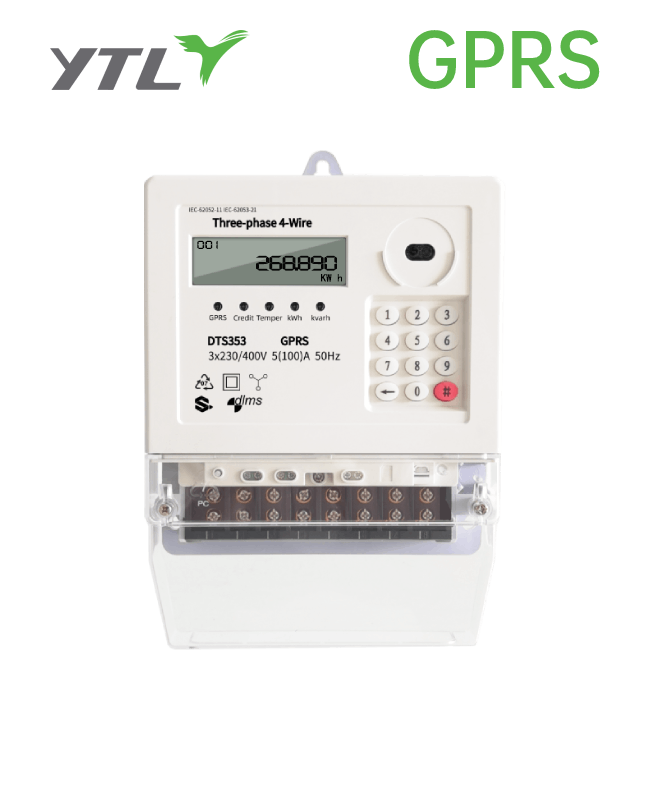
In industrial production, electricity bills are often an important component of factory operating costs, especially for manufacturing enterprises with high electricity consumption. Electricity bill expenditures directly affect the overall economic benefits. With the development of intelligent technology, smart meters are gradually replacing traditional meters and becoming the core tool for factory energy management. Among them, real-time monitoring function, as the core advantage of smart meters, is helping factories effectively reduce electricity bills from multiple dimensions. Its value is not only reflected in the immediacy of data, but also permeates into various aspects of energy management.
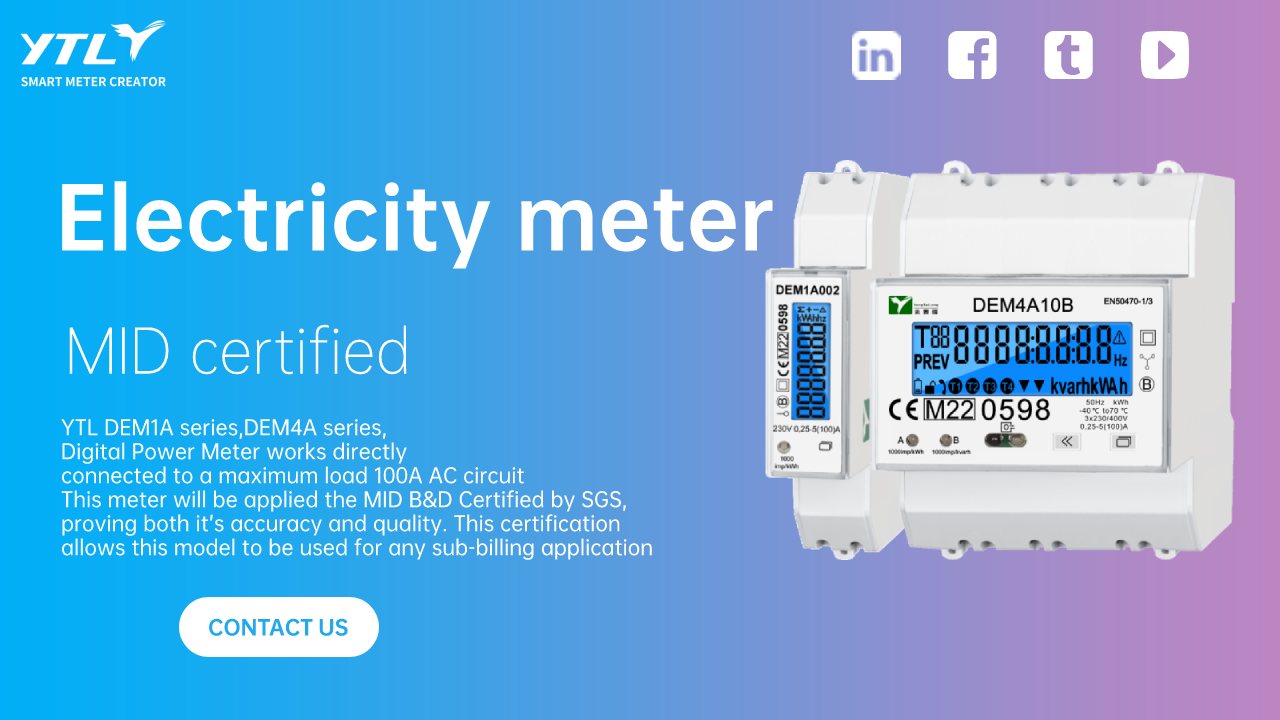
Accurate measurement: avoid deviation in electricity bill calculation
Traditional electricity meters are susceptible to mechanical wear, environmental interference, and other factors during the measurement process, leading to deviations in measurement data. The long-term accumulation of such deviations may result in factories paying more electricity bills. Smart meters, through digital measurement technology, can capture subtle changes in power parameters such as current, voltage, and power in real time, ensuring high accuracy of measurement results. The real-time monitoring function allows factories to grasp the actual electricity consumption at any time, avoiding cost losses caused by measurement errors.
At the same time, the real-time measurement data of smart meters can be compared with the billing system of the power supply department. Once inconsistencies are found in the data, factories can promptly verify and troubleshoot the problem, and eliminate unreasonable electricity bills from the source. This precise measurement feature provides clear and reliable electricity data foundation for factories, making every kilowatt hour of electricity consumption traceable and providing the direct support for electricity management.
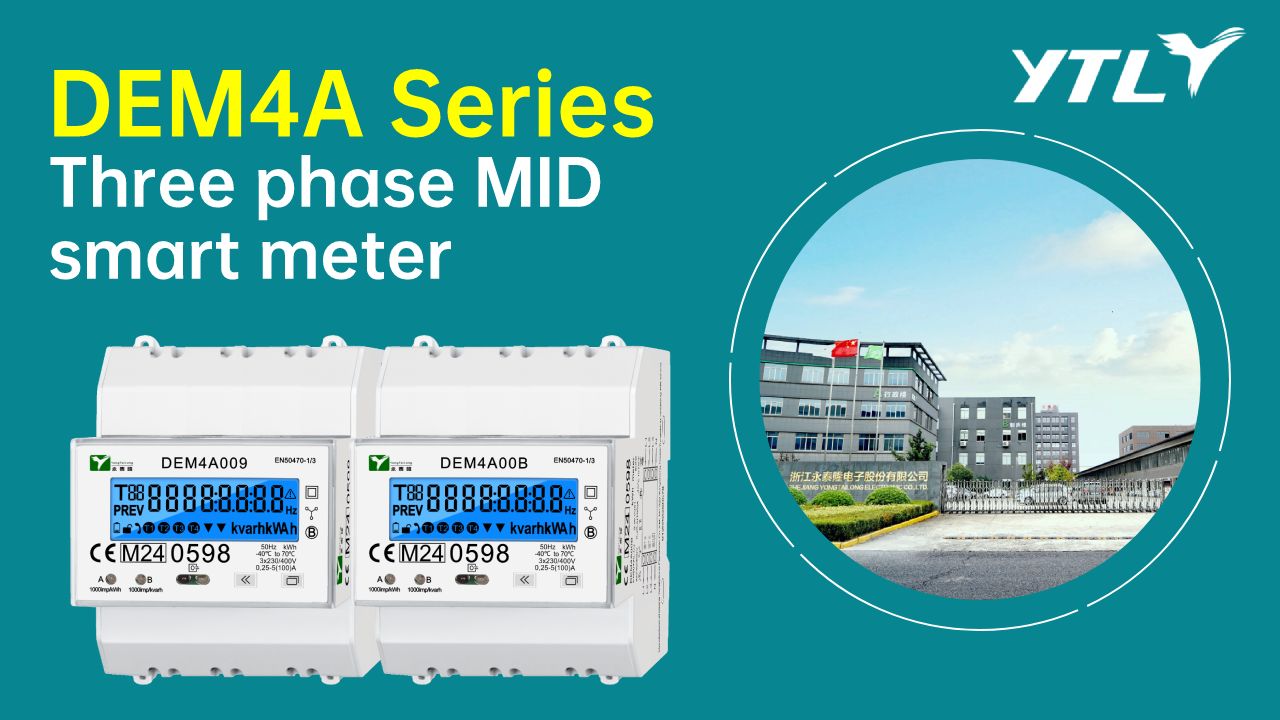
Load Management: Optimizing Electricity Distribution
The production equipment in factories often needs to operate at different times, and the electricity load will show significant fluctuations throughout the day. The high electricity load during peak hours may not only lead to transformer overload and increased line losses, but also trigger peak electricity prices for the power supply department, resulting in an increase in the cost per unit of electricity. The real-time monitoring function of smart meters can continuously record the change curve of electricity load, allowing factories to clearly understand the specific periods of peak and valley electricity consumption.
Based on these real-time data, factories can adjust their production plans by scheduling the operation of high power consuming equipment during periods of low electricity consumption, avoiding peak electricity price ranges, and thereby reducing the cost per unit of electricity. At the same time, by monitoring the real-time load of each production line or equipment, it is possible to achieve balanced distribution of electricity load, avoid energy waste caused by excessive load in a certain area, improve overall power utilization efficiency, and indirectly reduce electricity expenses.
Abnormal warning: timely blocking the source of waste
In the power system of a factory, problems such as equipment aging, line faults, and improper human operation can all lead to the unnecessary waste of electrical energy, such as equipment no-load operation and line leakage. If these problems are not detected in a timely manner, they can cause significant electricity losses during long-term operation. The real-time monitoring function of smart meters can dynamically analyze electricity consumption data. When abnormal fluctuations in current, low power factor, and sudden increases in electricity consumption during non production periods are detected, warnings will be immediately issued.
Factory management personnel can quickly locate the source of the problem based on warning information, promptly shut down unloaded equipment, repair leakage lines, and fundamentally block the channels of energy waste. This real-time warning mechanism transforms traditional post event statistics into proactive prevention and mid event intervention, greatly reducing electricity cost losses caused by abnormal electricity usage.
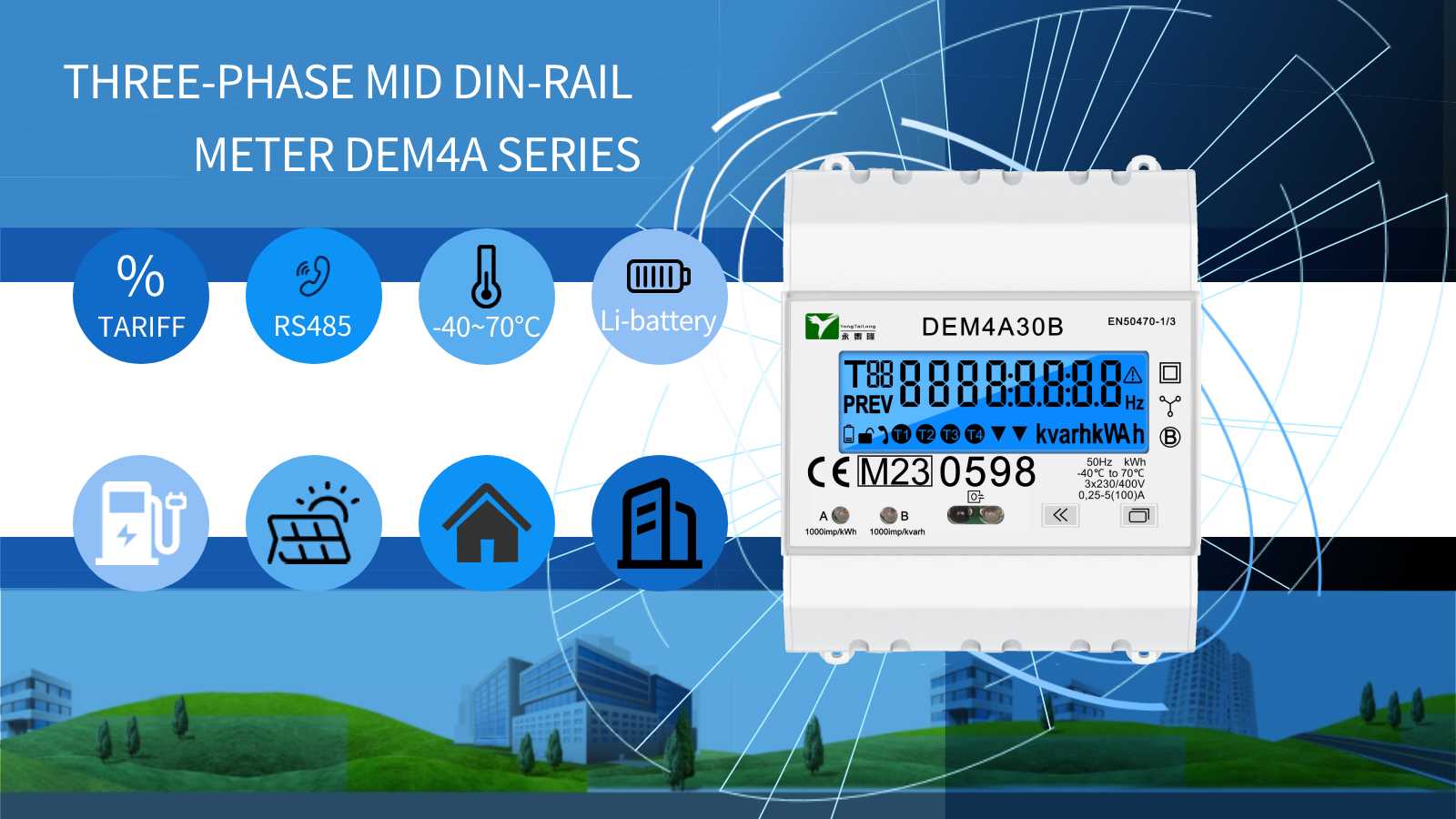
Data driven: Developing scientific energy-saving strategies
The real-time monitoring function of smart meters can not only provide real-time electricity data, but also form a complete electricity database through long-term recording. These data cover the electricity consumption of different time periods, equipment, and production processes. By analyzing these data, factories can accurately identify the key areas and main links of energy consumption, and clarify the potential for energy conservation.
Based on data support, factories can develop targeted energy-saving strategies, such as technological transformation of high energy consuming equipment, optimization of production processes to reduce ineffective energy consumption, and establishment of more reasonable electricity management systems. At the same time, through real-time monitoring data, the implementation effect of energy-saving measures can be quantitatively evaluated, and strategies can be adjusted in a timely manner to ensure the achievement of energy-saving goals. This data-driven scientific management approach makes energy-saving work in factories more directional and effective, thereby continuously reducing electricity bills.
The real-time monitoring function of smart meters provides comprehensive electricity management solutions for factories through multiple levels such as precise measurement, load optimization, abnormal warning, and data-driven approaches. It is not only a measuring tool, but also the "intelligent brain" of factory energy management, helping enterprises minimize electricity costs while ensuring production efficiency, achieving the dual goals of economic benefits and energy conservation.
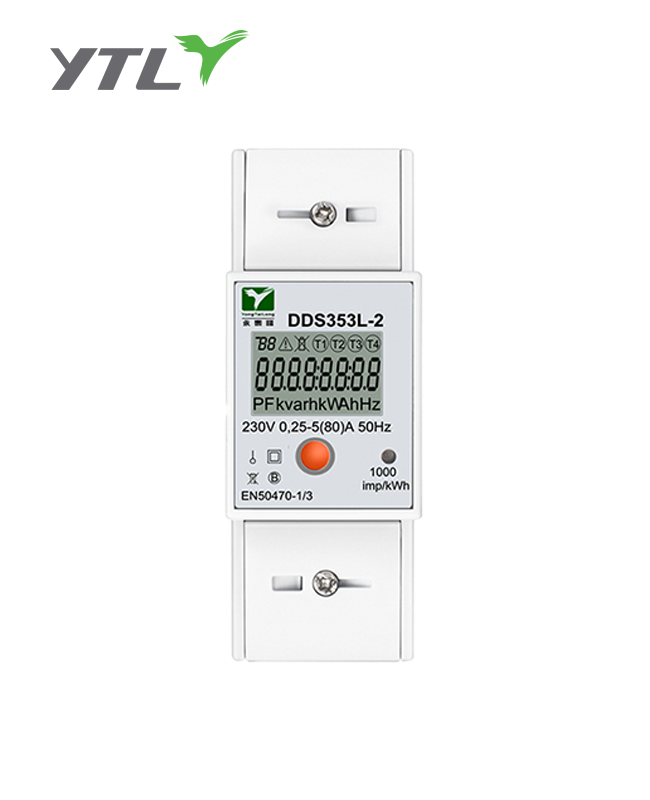
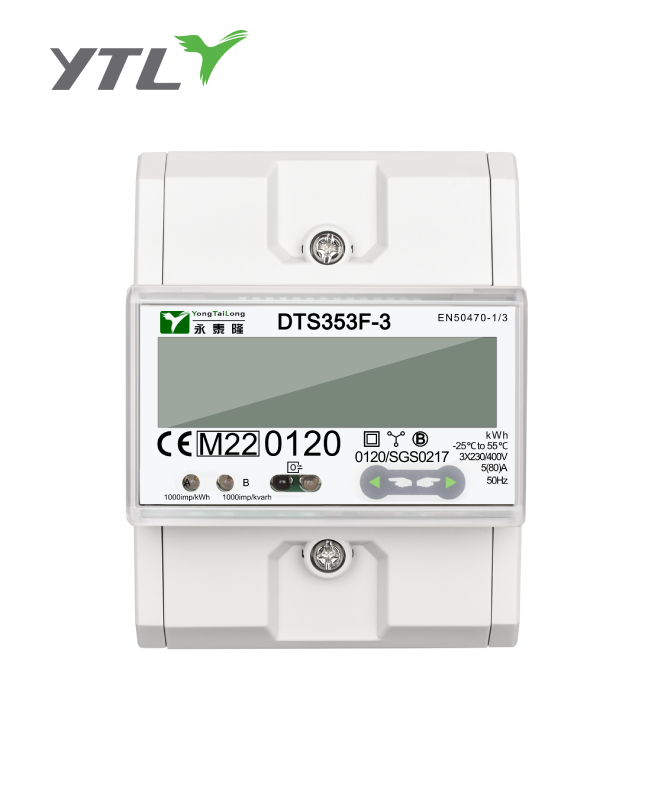
.png?imageView2/2/w/500/h/500/format/png/q/100 "YTL Two Phase Three Wire LCD Shunt sampling Energy Meter")
.png?imageView2/2/w/500/h/500/format/png/q/100 "YTL Single Phase Active Electronic Electricity Meter")