
 English
 简体中文
简体中文



Introduction to Understanding Your Electric Meter
Understanding how to read your electric meter and calculate your electricity usage is a valuable skill that can help you save money and better manage your household's energy consumption. By knowing how much electricity you're using, you can identify areas where you might be wasting energy and make conscious decisions to reduce your usage. This can lead to a lower electricity bill and a more energy-efficient home.
Benefits of Understanding Your Electric Meter
| Benefit | Description |
|---|---|
| Saving Money | Accurately calculating your usage helps you understand how much you're spending and can motivate you to conserve energy, leading to lower monthly bills. |
| Monitoring Usage | Regularly checking your meter allows you to track consumption patterns, helping you spot unusual spikes in usage that might indicate a faulty appliance or other issues. |
| Spotting Discrepancies | By comparing your personal meter readings to your electric bill, you can quickly identify any potential billing errors and contact your utility company if there's a problem. |
| Empowerment | Being able to read your own meter gives you more control and knowledge about your household's energy use, making you a more informed consumer. |
2. Types of Electric Meters
Understanding the different types of electric meters is the step toward accurately reading your energy usage. While they all serve the same purpose—measuring how much electricity you consume—they do so in different ways. The main types you'll encounter are analog, digital, and smart meters.
Analog Meters
Analog meters, also known as mechanical or dial meters, are the traditional type of meter found on many older homes. They have a series of rotating dials, typically five, that measure your electricity usage in kilowatt-hours (kWh).
- How they look: These meters are easily identifiable by their small, clock-like dials that spin as electricity is used. A small disk inside also rotates, and the faster it spins, the more electricity is being consumed at that moment.
- How to read them: Reading an analog meter requires a bit of practice. You need to read the dials from right to left, noting the number the pointer has just passed. The direction the pointer moves alternates from one dial to the next, which is important to keep in mind for an accurate reading.
Digital Meters
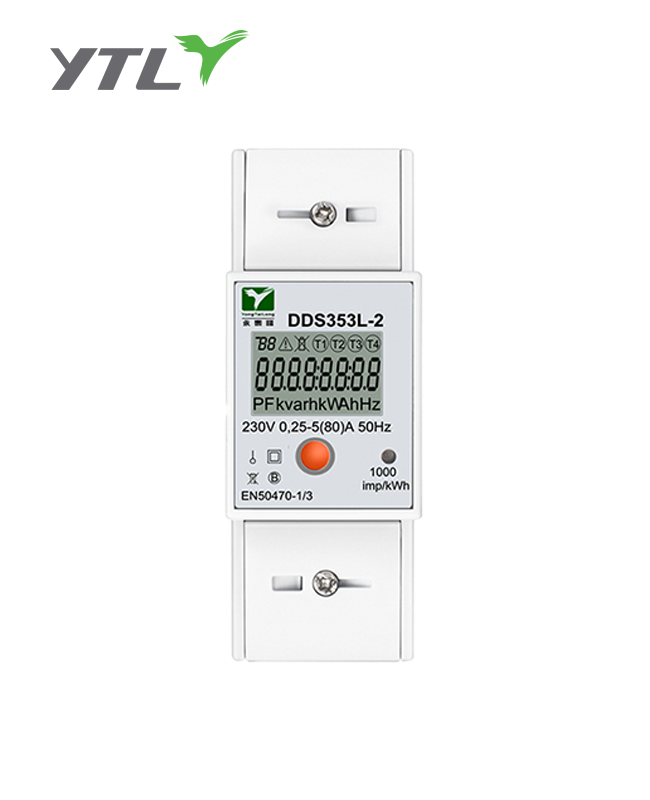
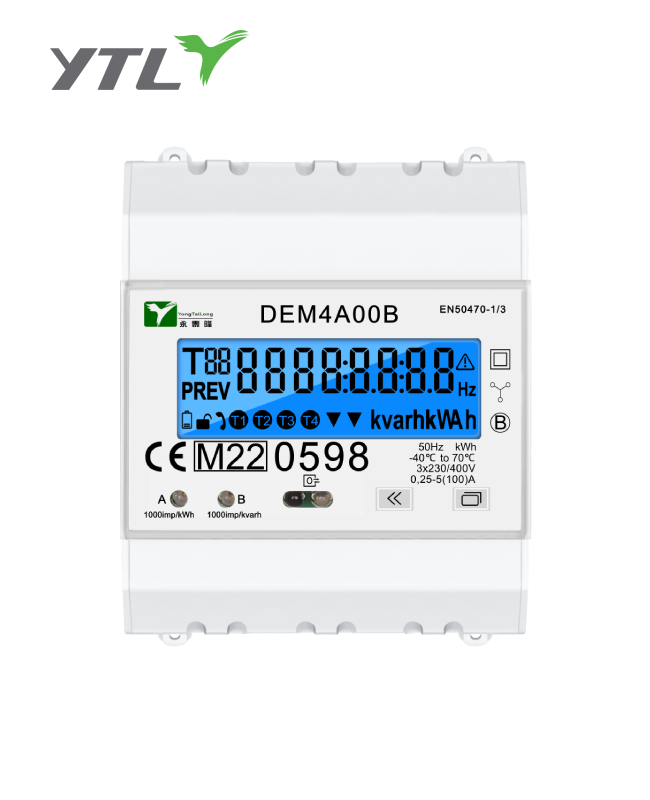
Digital meters are a more modern and common alternative to analog meters. They replace the mechanical dials with a clear, easy-to-read electronic display.
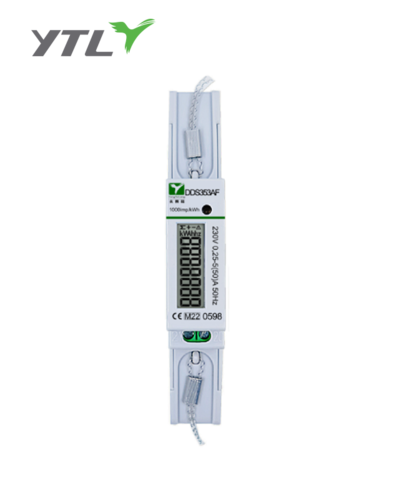
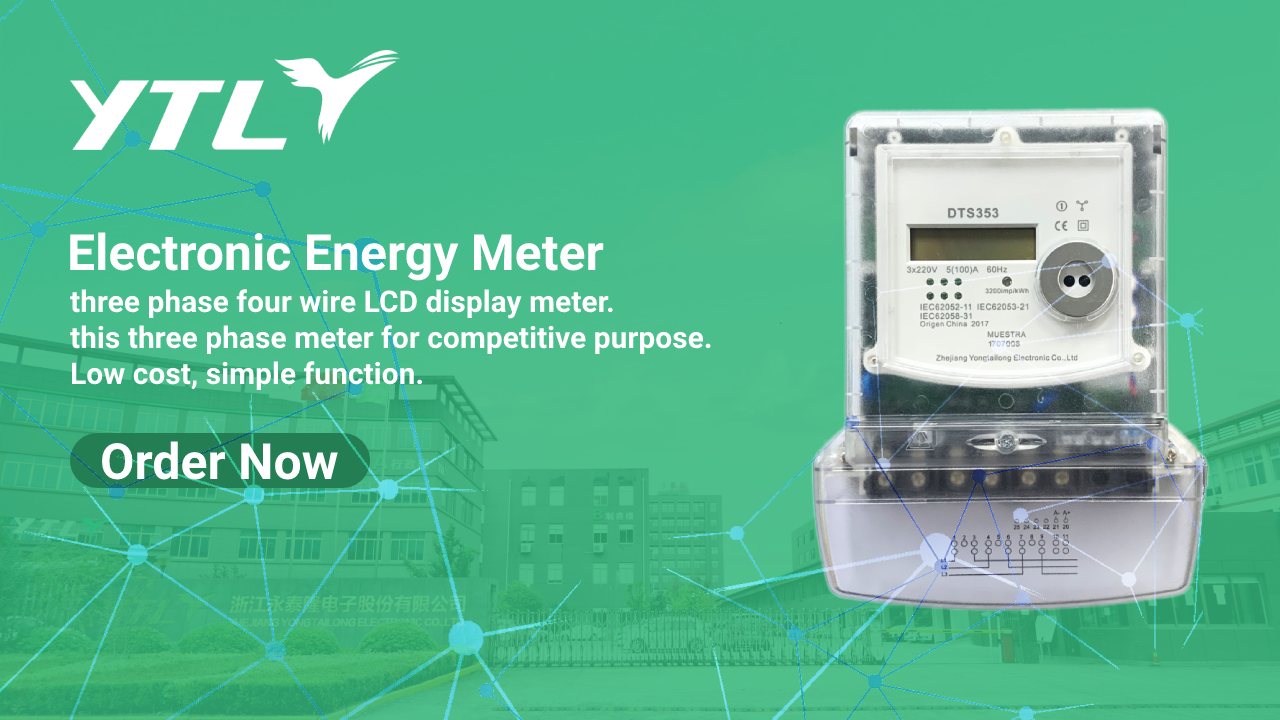
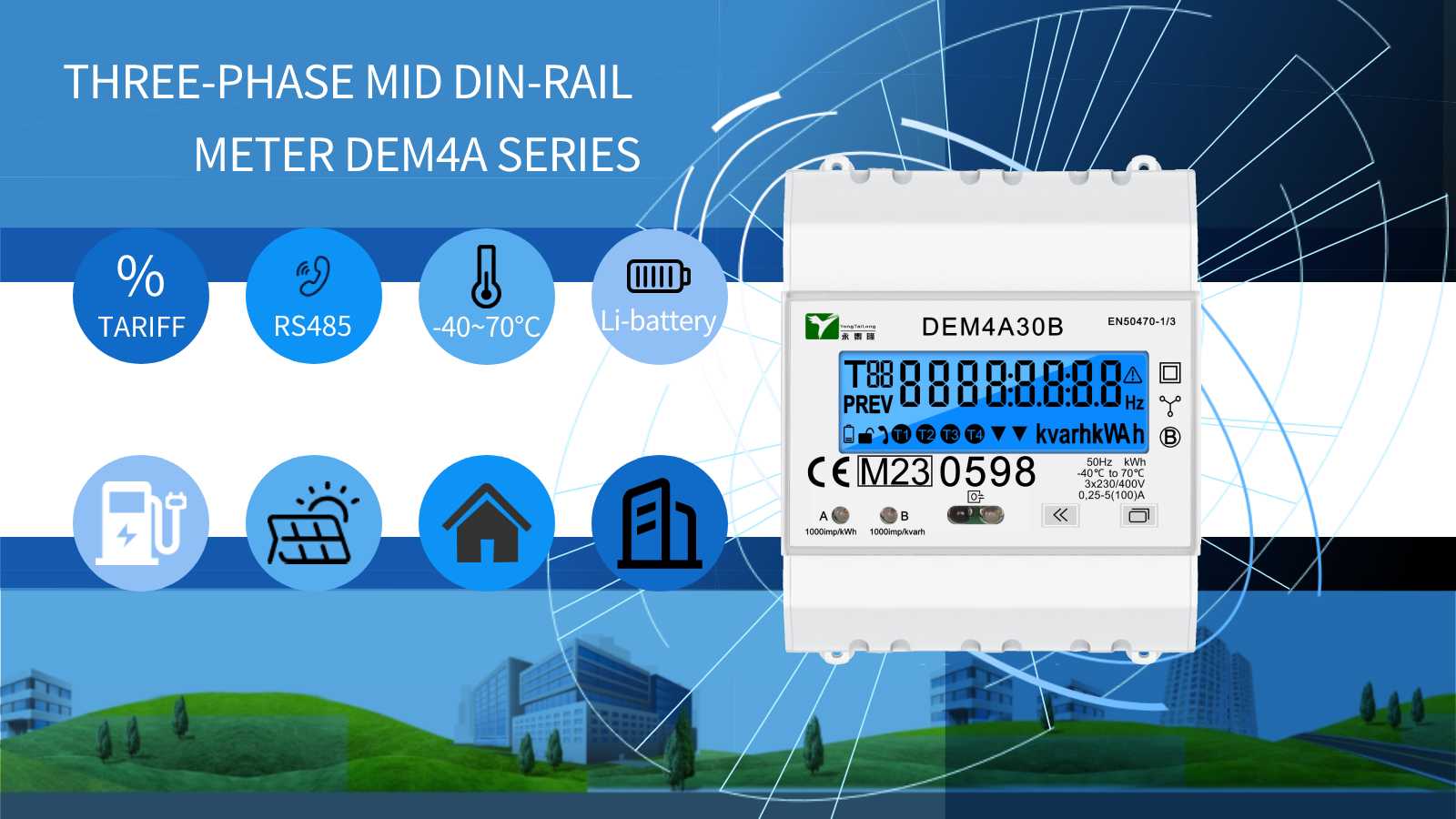
- How they look: These meters feature an LCD or LED screen that displays your electricity usage. They are typically housed in a plastic or metal box and are easier to read than analog meters.
- How to read them: The reading is displayed directly in kilowatt-hours (kWh), so there's no need to decipher multiple dials. The screen cycles through a few different readings, such as the total kWh, the meter number, and sometimes the current demand.
Smart Meters
Smart meters are the generation of electric meters. They are equipped with advanced technology that goes beyond simple measurement.
- How they look: Smart meters resemble digital meters with an electronic display, but they often have additional indicators or buttons. They are designed for two-way communication between your home and the utility company.
- How they work: Unlike analog and traditional digital meters, smart meters automatically send your usage data to the utility company. This eliminates the need for manual readings by a meter reader.
- Benefits: This technology allows for time-of-use billing, where electricity costs change based on the time of day. It also provides you with detailed consumption data through an online portal or mobile app, giving you a much clearer picture of your energy habits
3. Step-by-Step Guide to Reading Your Electric Meter
Reading your electric meter is a straightforward process, but the method depends on the type of meter you have. Following these steps will help you get an accurate reading, which is the step to calculating your electricity usage.
Preparing to Read the Meter
Before you begin, a little preparation ensures a safe and successful reading.
- Safety Precautions: Always be cautious around your meter. Avoid touching any exposed wires or damaged components. If the meter is located in a potentially hazardous area, like near a busy road or in a tight space, take extra care.
- Tools Needed: You'll only need a few simple items. A notepad and pen are essential for recording your reading. A flashlight can be very helpful if your meter is in a dimly lit area, such as a basement or a shaded corner of your home.
- Locating Your Meter: Your electric meter is typically on the outside of your home, either on an exterior wall or on a separate post. In apartment buildings, meters are often grouped together in a dedicated utility room.
Reading an Analog Meter
Reading an analog meter requires you to note the position of several pointers on a series of dials.
- Detailed Instructions:
- Read the dials from right to left.
- For each dial, record the number the pointer has just passed.
- If a pointer is directly on a number, look at the dial to its right. If the pointer on that dial has passed zero, write down the number the pointer is on. If it has not yet passed zero, write down the previous number.
- Tips for Accurate Readings: The alternating direction of the dials can be tricky. Pay close attention to whether the pointer is moving clockwise or counterclockwise. Taking a photo of your meter can also be a helpful way to double-check your reading later.
Reading a Digital Meter
Digital meters are the easiest to read, as the usage is displayed clearly on a screen.
- Instructions:
- Simply look at the LCD or LED screen on the meter.
- The main number displayed is your total electricity consumption in kilowatt-hours (kWh).
- Some digital meters may cycle through different readings, such as the meter number, time, or date. Wait until the kWh reading is shown before you record the number.
Reading a Smart Meter
Smart meters provide the convenient way to access your usage data, often without you having to read the meter at all.
- Checking the Display: The meter itself will have a digital display that shows your current reading, similar to a standard digital meter. You can record this number if you need a specific, real-time reading.
- Accessing Historical Data: The primary benefit of a smart meter is that your utility company provides an online portal or a mobile app. You can log in to this portal to see your electricity usage in real time and view detailed historical data by the hour, day, or month. This allows for a much more comprehensive understanding of your consumption patterns.
4. Calculating Electricity Usage
Once you know how to read your electric meter, you can start calculating your own electricity usage. This simple process allows you to verify your utility bill and better understand your consumption habits.
Taking Two Readings
To calculate your usage for a specific period, you'll need two separate readings from your meter.
The core of the calculation is to find the difference between your current usage and your past usage. The way to do this is to take a reading at the beginning of a period—like the day of the month—and then take another reading at the end of that same period. For a meaningful comparison, try to take your readings at consistent intervals. For example, if you want to track your monthly usage, take a reading on the 1st of every month. This makes it easy to compare your consumption month-to-month.
Subtracting the Previous Reading from the Current Reading
This is the key step to finding your total usage for a given time period. The result is the total amount of electricity you consumed during that period, measured in kilowatt-hours (kWh). This is the number you'll be billed for.
Here is a simple example to illustrate the calculation:
| Reading Type | Date | Reading (kWh) |
|---|---|---|
| Current Reading | August 31st | 12500 |
| Previous Reading | August 1st | 12200 |
| Your Usage | For the month of August | 300 |
Understanding Your Electric Bill
Your electric bill can seem complicated, but it's much easier to understand once you know how to read your meter. Your bill will clearly state your total kWh consumed for the period. Look for this number—it's usually a large, prominent figure.
By comparing the usage number you calculated yourself to the one on your bill, you can quickly spot any discrepancies. This helps you identify potential billing errors or a meter problem.
| Bill Component | Description |
|---|---|
| Usage (kWh) | The total amount of electricity you've used during the billing cycle. This is the number you should compare to your own calculation. |
| Charges | This includes the cost per kWh, along with any fixed charges or fees. |
| Taxes | Government and local taxes that are added to the final amount. |
5. Factors Affecting Electricity Usage
Understanding how to calculate your electricity usage is just the step. To effectively reduce your consumption and save money, it's crucial to know what factors influence your usage. Most of your electricity bill comes from a few key areas in your home.
Appliances and Electronics
Every appliance and electronic device in your home uses electricity, but some consume significantly more than others. The total usage depends on both the wattage of the device and how long you use it.
- Energy Consumption of Common Appliances: Large appliances like refrigerators and washing machines are constant users. Smaller items, like toasters or hair dryers, use a lot of power but for short periods. A device's energy consumption is listed on its energy guide label, which helps you compare models.
- Tips for Reducing Usage: A simple way to cut back is to unplug electronics when they're not in use. Many devices draw "phantom power" even when turned off. You can also upgrade to Energy Star certified appliances, which are designed to be more efficient.
Heating and Cooling
Your HVAC (Heating, Ventilation, and Air Conditioning) system is likely the biggest consumer of electricity in your home, especially during weather.
- Impact of HVAC Systems: Air conditioners, furnaces, and heat pumps require a large amount of power to regulate the temperature of your entire home. The more you use them, the higher your bill will be.
- Tips for Efficient Heating and Cooling: A smart thermostat can help you manage usage by automatically adjusting temperatures. Regularly changing your air filters and sealing drafts in windows and doors also helps your system run more efficiently, reducing its workload.
Lighting
Lighting is a necessary part of any home, but the type of bulbs you use can make a big difference in your electricity bill.
- Energy-Efficient Lighting Options: Traditional incandescent bulbs are very inefficient, as they release of their energy as heat. LED (Light Emitting Diode) bulbs, by contrast, use up to 90% less energy and last much longer.
- Tips for Reducing Lighting Consumption: Always turn off lights when you leave a room. For outdoor or security lighting, consider using timers or motion sensors so they only run when needed.
Here is a summary of how different household areas affect your usage:
| Category | High-Impact Items | Low-Impact Items | Tips for Reduction |
|---|---|---|---|
| Appliances | Refrigerator, Electric Oven, Water Heater | Phone Chargers, Laptop, Small Fans | Unplug when not in use; Choose Energy Star models. |
| HVAC | Air Conditioner, Electric Heater, Furnace Fan | Ceiling Fan, Dehumidifier | Use a smart thermostat; Seal windows and doors. |
| Lighting | Incandescent Bulbs, Halogen Lights | LED Bulbs, CFL Bulbs | Turn off lights in empty rooms; Use timers or sensors. |
6. Tips for Reducing Electricity Consumption
Reducing your electricity consumption doesn't have to be difficult. By making a few simple changes to your daily habits and home setup, you can significantly lower your electricity bill and reduce your environmental impact.
- Use Energy-Efficient Appliances: When it's time to replace an old appliance, look for models with an Energy Star rating. These appliances, from refrigerators to washing machines, are certified to use less energy than standard models, which saves you money over their lifetime.
- Unplug Electronics When Not in Use: Many electronics, like TVs, coffee makers, and phone chargers, continue to draw a small amount of "phantom power" even when they're turned off. Unplugging them or using a smart power strip is a simple way to eliminate this wasted electricity.
- Adjust Thermostat Settings: Your heating and cooling system is a major energy user. You can save a lot of money by setting your thermostat a few degrees higher in the summer and a few degrees lower in the winter. Consider using a programmable or smart thermostat to automate these changes when you're not home.
- Use Smart Power Strips: These special power strips can detect when a primary device (like your computer or TV) is turned off and will automatically cut power to other connected devices (like speakers or monitors). This is a convenient way to combat phantom power.
- Seal Windows and Doors: Drafts around windows and doors can make your heating and cooling system work much harder. Use weatherstripping and caulk to seal these gaps. A quick and easy test is to hold a lit candle or a piece of tissue near the edges of your windows and doors; if the flame flickers or the tissue moves, you have a draft.
Here is a summary of these simple, effective tips:
| Area of Your Home | Action to Take | Benefit |
|---|---|---|
| Appliances | Choose Energy Star certified models. | Long-term energy savings and lower operating costs. |
| Electronics | Unplug devices or use smart power strips. | Eliminates wasted "phantom power" when devices are off. |
| HVAC | Adjust thermostat and seal drafts. | Reduces the workload on your heating and cooling system. |
| Lighting | Switch to LED bulbs. | Uses up to 90% less energy than traditional bulbs. |
| General | Turn off lights in empty rooms. | Immediately reduces lighting-related electricity usage. |
7. Advanced Techniques for Monitoring Usage
While reading your meter is a great starting point, modern technology offers more advanced ways to monitor and manage your electricity consumption. These tools provide deeper insights and greater control over your energy use.
Using a Smart Meter Portal
If you have a smart meter, you likely have access to a wealth of data through your utility company's online portal or mobile app. This is the powerful way to track your usage without any extra equipment.
- How to Access and Use the Portal: Most utility companies provide a secure website or app where you can log in using your account information. Once inside, you'll find a dashboard with detailed consumption data.
- Describe the Data Available: These portals typically show your energy usage in various timeframes: hourly, daily, and monthly. This allows you to pinpoint exactly when you're using the electricity. You can see how your usage changes at different times of the day, which is especially useful for time-of-use billing.
- Setting Up Alerts: Many portals allow you to set up custom alerts. For example, you can get an email or a text message if your daily usage exceeds a certain limit. This is an way to proactively monitor your consumption and avoid surprisingly high bills.
Monitoring Usage with Energy Monitoring Devices
For those who want to go a step further, dedicated energy monitoring devices can provide real-time, appliance-level data that a smart meter portal might not offer.
- Introduce Energy Monitoring Devices: Devices like Sense and Neurio are installed inside your home's breaker panel. They use advanced sensors and algorithms to detect the "electrical signature" of each appliance.
- Explain How They Work: These monitors can identify when your refrigerator kicks on, when your washing machine is running, or when your TV is being used. They send this detailed data to an app on your phone, giving you a live look at your home's energy consumption, appliance by appliance. This kind of granularity is invaluable for finding energy hogs you might not have known about.
Here is a summary of the key differences between these two advanced monitoring methods:
| Feature | Smart Meter Portal | Home Energy Monitoring Devices |
|---|---|---|
| Data Source | Data is transmitted from your smart meter to the utility company. | A device installed in your electrical panel monitors individual circuits. |
| Data Granularity | Typically provides hourly, daily, and monthly usage. | Provides real-time, appliance-level usage data. |
| Cost | Usually free with a smart meter. | Requires purchasing and installing a separate device. |
| Insight Level | Helps you understand overall consumption patterns. | Helps you pinpoint which specific appliances are driving up your bill. |
Conclusion
Understanding how to read your electric meter and calculate your usage is a powerful skill. It moves you from being a passive consumer to an active participant in your energy consumption, giving you the ability to manage costs and make more environmentally friendly choices.
By following the guides for analog, digital, or smart meters, you can accurately track how much electricity your household uses. This knowledge allows you to:
- Verify your electric bill, ensuring you're only paying for what you've actually consumed.
- Identify major energy users in your home, from heating systems to specific appliances.
- Proactively take steps to reduce consumption, such as using energy-efficient products or adjusting your daily habits.
We encourage you to make a habit of monitoring your consumption. Whether you use a traditional meter reading and calculation or leverage the advanced features of a smart meter portal, every step you take to understand your energy use brings you closer to a more efficient and cost-effective home.
.jpg?imageView2/2/w/500/h/500/format/png/q/100 "YTL Company DTS353C DIN Rail 3P 4 Model Electricity Meter MID")