
 English
 简体中文
简体中文



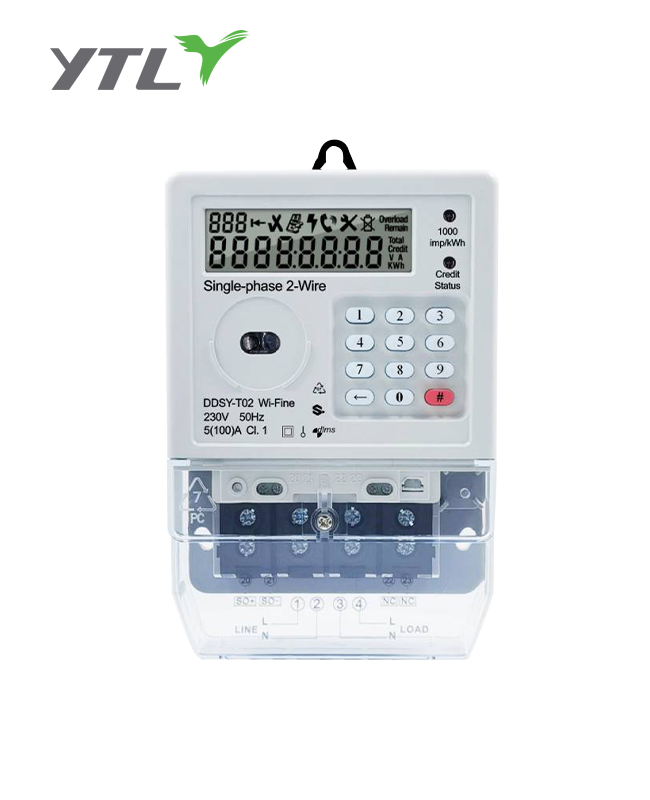
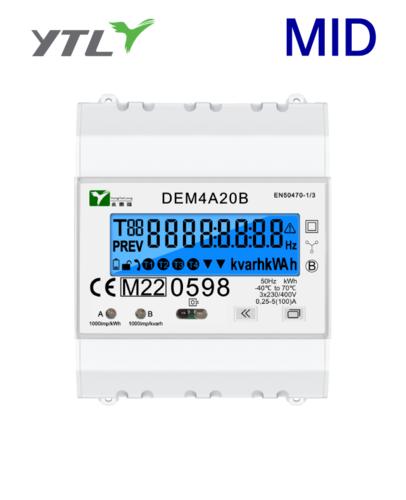
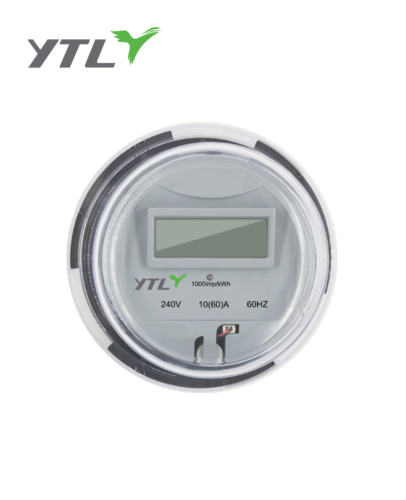
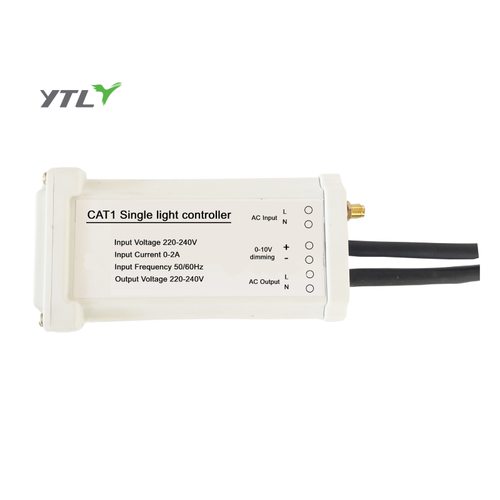
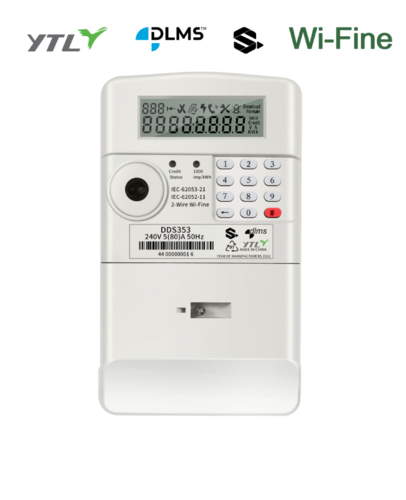
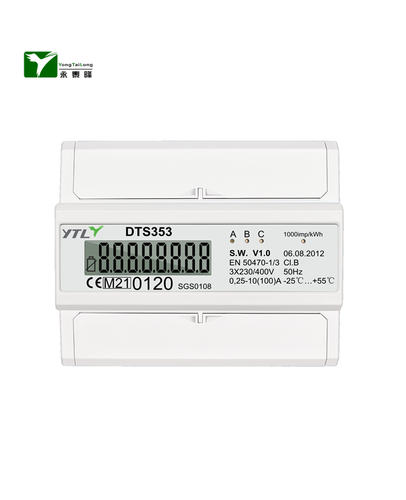
Driven by the global energy structure transformation and carbon neutrality goals, the era of new energy is accelerating. This change not only changes the way power is generated, but also puts forward new requirements for the operation mode of the power grid and electricity management. As the key equipment connecting power generation terminal, power grid and users, smart meters are evolving from traditional metering tools to the core node of energy Internet. Its function has far exceeded the scope of simply recording electricity consumption, becoming an important infrastructure to support the consumption of new energy, improve energy efficiency, and achieve intelligent electricity use.
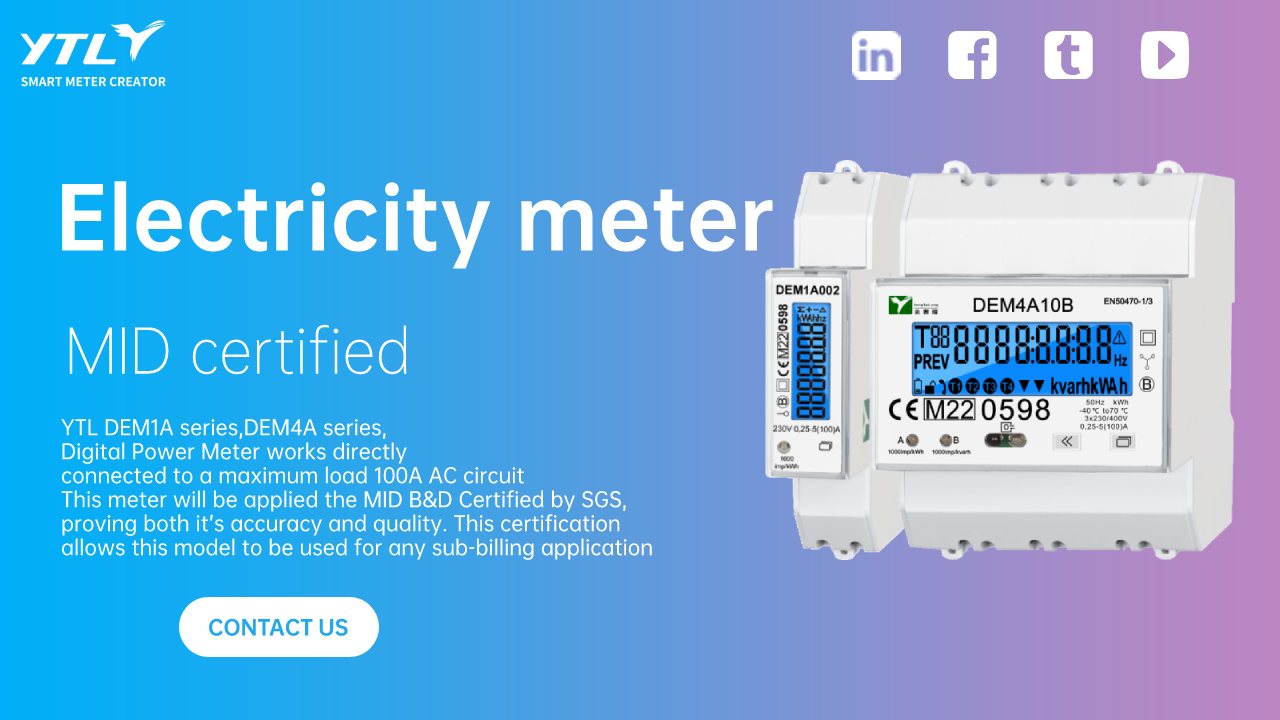
The transformation from measurement tools to energy management platforms
The role positioning of smart meters is undergoing a fundamental transformation. Traditional electricity meters mainly serve electricity bill settlement, while smart meters in the new energy era undertake more complex missions. It requires real-time monitoring of the operating status of new energy equipment such as distributed photovoltaics and energy storage systems, accurately recording power generation, electricity consumption, and bidirectional energy flow. At the same time, smart meters also have the ability to analyze power quality, detect voltage fluctuations, harmonic interference, and other issues, ensuring the stable operation of the power grid after the integration of new energy equipment. Modern smart meters integrate communication modules and data processing capabilities, which can upload collected data to the energy management platform, providing decision support for grid scheduling, demand side response, and energy efficiency optimization. This transformation makes smart meters an indispensable data collection terminal for energy management systems.
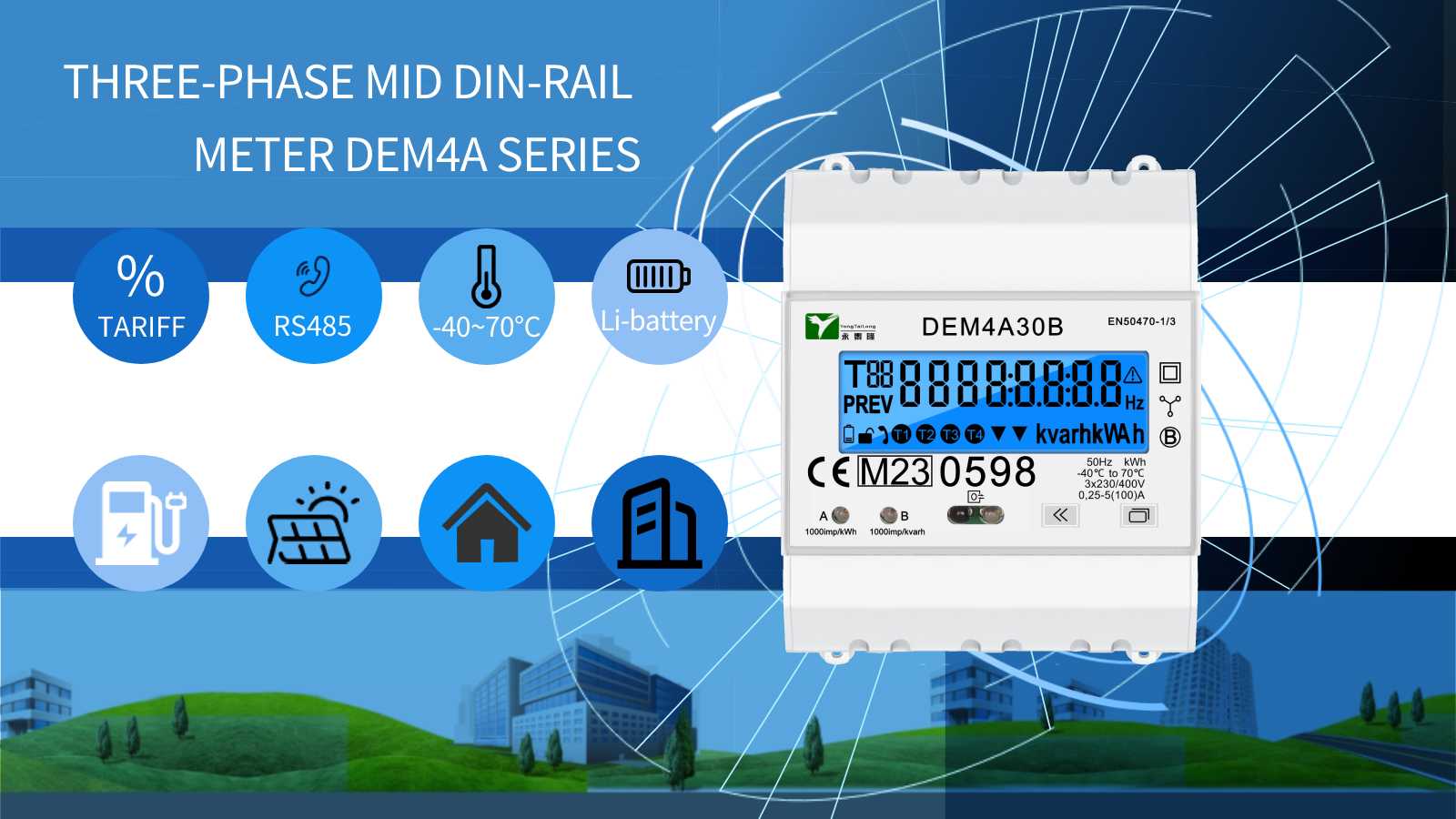
Key technological breakthroughs supporting the integration of new energy
To meet the demands of the new energy era, smart meters have achieved significant technological breakthroughs. High precision measurement technology can accurately measure the power generation output and fluctuation characteristics of distributed power sources, providing a data foundation for new energy prediction and scheduling. The bidirectional metering function supports net electricity metering and distributed generation settlement, ensuring the economic benefits of new energy investors. The application of high-speed power line carrier, wireless communication and other technologies enables smart meters to achieve minute or even second level data collection, meeting the real-time requirements of new energy monitoring. The power quality monitoring module can timely detect grid problems caused by the integration of new energy, providing a basis for taking governance measures. In addition, smart meters also have remote control functions and support the application of new business models such as virtual power plants. These technological innovations enable smart meters to effectively address the challenges brought by the high proportion of new energy access.
Core values in diverse application scenarios
The value of smart meters in the new energy era is reflected in multiple application scenarios. In the residential sector, smart meters work in conjunction with rooftop photovoltaics, household energy storage, and electric vehicle charging stations to achieve optimized management of household energy. In commercial buildings, smart meter data supports energy efficiency analysis and energy-saving renovation, helping users reduce energy costs. In industrial parks, smart meters monitor the operation of distributed energy, participate in demand response, and improve energy utilization efficiency. For power grid enterprises, smart meters provide visualization of the operation status of the distribution network, supporting plug and play and flexible scheduling of new energy. In the context of carbon trading, smart meter data can also provide a basis for carbon emission accounting. These application scenarios fully demonstrate the multiple values of smart meters in energy transformation.
Future Development Trends and Innovation Directions
With the deepening of energy transformation, smart meters will develop towards a more intelligent and platform based direction. In the future, smart meters will integrate more sensors to achieve synchronous measurement of parameters such as voltage, current, and temperature, enhancing their ability to perceive states. The application of edge computing technology will enable smart meters to have local data processing and decision-making capabilities, and improve the system response speed. Artificial intelligence algorithms will be used for electricity behavior analysis, fault prediction, and energy optimization, providing smarter energy services. The introduction of blockchain technology may support peer-to-peer energy trading and promote the democratization of the energy market. Standardization and interoperability will become the focus of development, ensuring the collaborative work of devices from different manufacturers. These innovations will enable smart meters to play a more important role in the energy Internet.
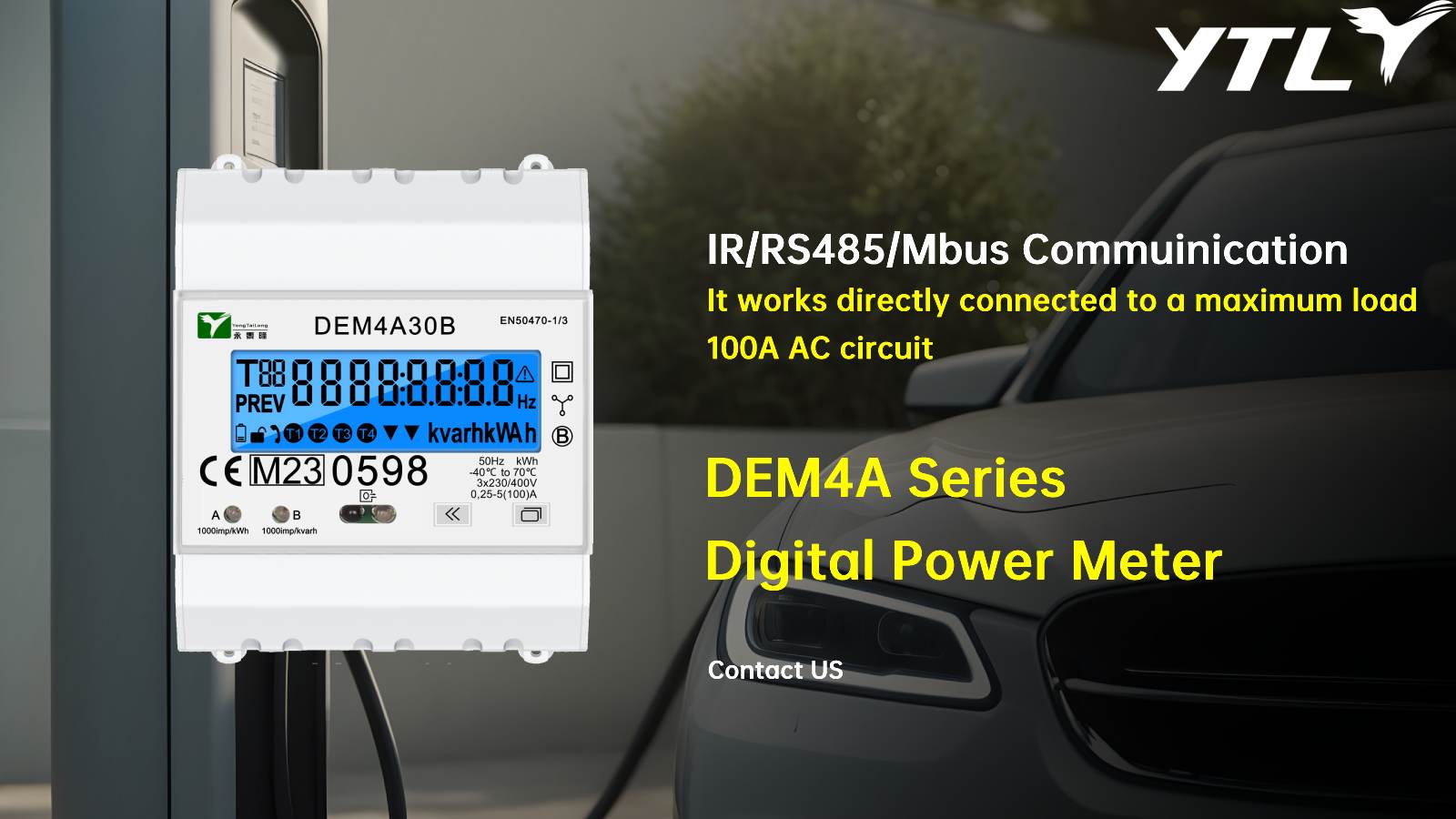
The development of smart meters is closely linked to the demands of the new energy era. With the advancement of technology and the expansion of application scenarios, smart meters will continue to evolve, providing strong support for building a clean, low-carbon, safe, and efficient new energy system. Its value will not only be reflected in precise measurement, but also in its important role in promoting the energy revolution and achieving sustainable development. In the future, smart meters will become a key infrastructure for the digital transformation of energy, injecting new impetus into the green development of the economy and society.
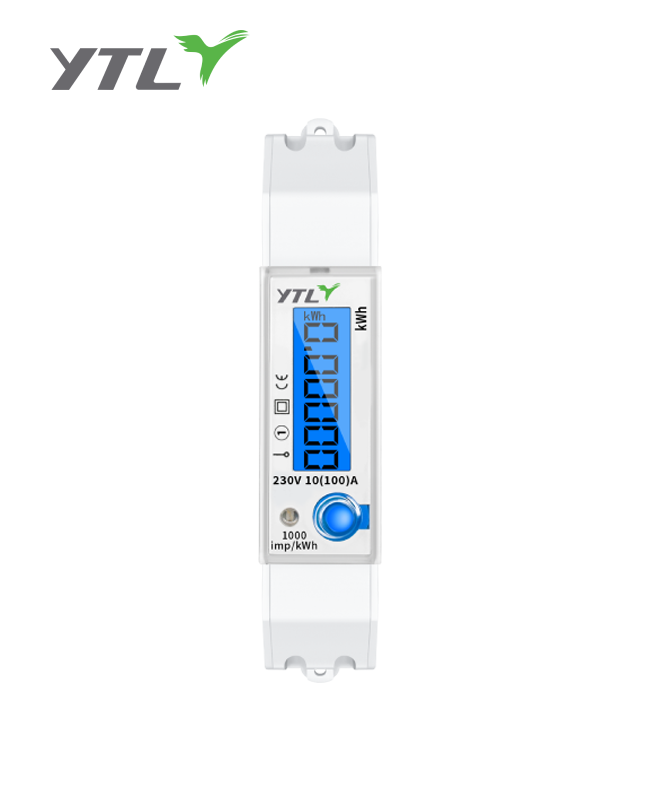
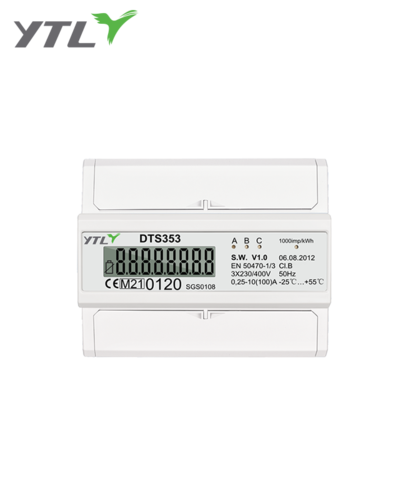
.jpg?imageView2/2/w/500/h/500/format/png/q/100 "YTL Company DTS353C DIN Rail 3P 4 Model Electricity Meter MID")
.png?imageView2/2/w/500/h/500/format/png/q/100 "YTL Two Phase Three Wire Big counter Electricity Meter")