
 English
 简体中文
简体中文



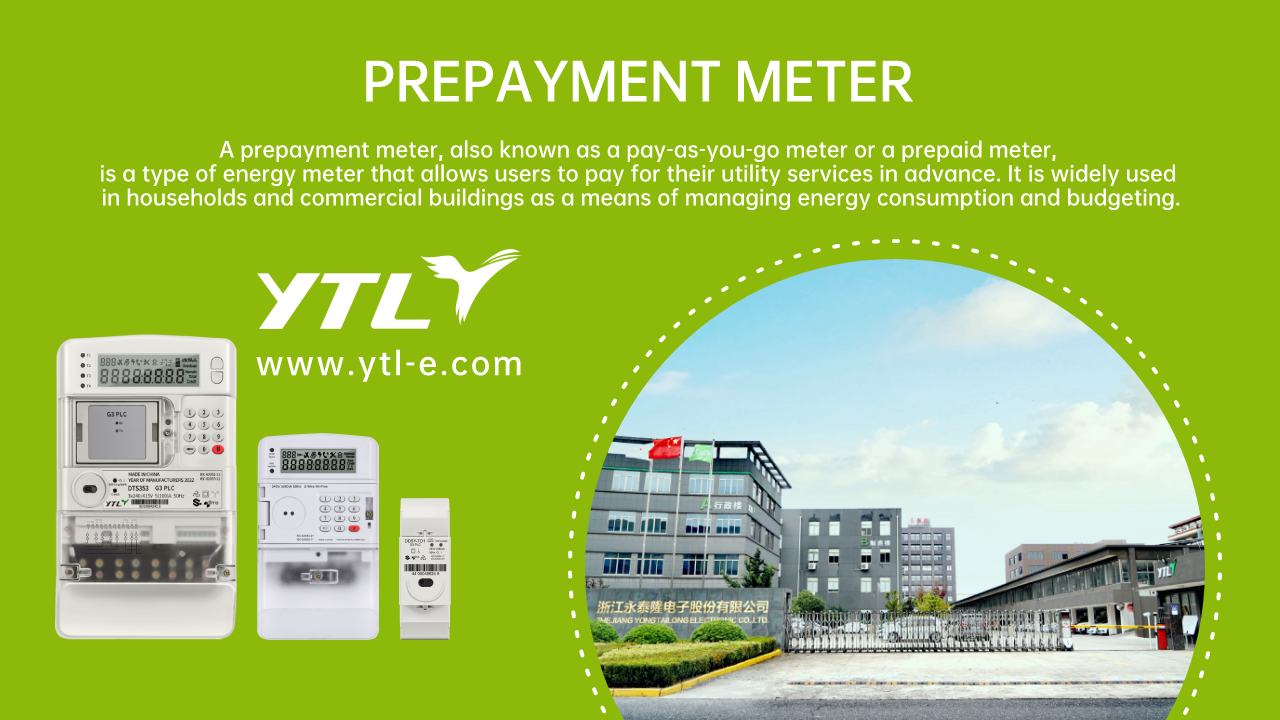
As an important innovation in the field of energy metering and management, prepaid electricity meters have fundamentally changed the traditional electricity fee recovery model. With the rapid evolution of energy Internet and Internet of Things technology and the continuous improvement of users' requirements for energy service, prepaid meters are undergoing a profound intelligent transformation. Its development is no longer limited to a single charging function, but is evolving towards a more integrated, intelligent, and interactive comprehensive energy management node, demonstrating broad development prospects and diversified application value.
1、 Remote and platformization integration of system architecture
A significant trend in the development of prepaid electricity meters is to break free from dependence on physical media and move towards remote and platform based management. Early prepaid systems relied heavily on IC cards and other carriers for recharging and data transmission, which had limitations such as cumbersome processes and delayed responses. The new generation of prepaid electricity meters generally have built-in remote communication modules, which can maintain real-time or near real-time data connection with the backend management system through wireless networks. The transformation of this architecture has brought revolutionary experience upgrades, allowing users to purchase electricity anytime and anywhere through mobile applications and online payment platforms, achieving the ultimate convenience of "instant payment". For the management, the operation status, balance information, and load data of all electricity meters can be centrally monitored and managed on a unified cloud platform, achieving full process automation of meter reading, billing, power on/off instruction issuance, and bill generation. This platform based integrated management greatly improves operational efficiency, reduces maintenance costs, and lays the foundation for subsequent data value mining.
2、 The evolution of functional positioning from measurement tools to data value hubs
The future prepaid electricity meters are gradually moving beyond their traditional positioning as mere measuring and billing tools, and transforming into value hubs for electricity data. With its continuous measurement and communication capabilities, prepaid electricity meters can collect massive and refined electricity data, including real-time power, voltage and current, and electricity consumption curves. By professionally analyzing and processing these data, additional value can be created for all parties involved. For power suppliers or property managers, this data is a powerful basis for load forecasting, identifying abnormal electricity usage, and optimizing the operation of distribution networks. For end users, clear and intuitive display of electricity consumption data helps them understand their own electricity habits, discover potential energy-saving space, and actively adjust their behavior to achieve rationalization and conservation of energy consumption. Prepaid electricity meters have therefore become an important information bridge connecting power supply and consumption parties, promoting energy efficiency improvement.
3、 Technology integration supports bidirectional measurement and interactive services
With the popularization of distributed energy, especially household photovoltaics, the future electricity consumption pattern will shift from one-way flow to two-way interaction. To adapt to this change, the technological integration of prepaid electricity meters is constantly deepening, and one important direction is the integration of bidirectional metering functions. This means that the electricity meter can not only measure the energy consumed by users from the grid, but also accurately measure the excess photovoltaic energy feedback from users to the grid. This makes it possible to achieve "net electricity settlement" or more flexible internal green electricity trading under the prepaid framework, greatly expanding the application boundaries of the prepaid model. In addition, through linkage with smart home systems, prepaid electricity meters can issue warning signals, automatically control the operation of non essential appliances during periods of high electricity bills or insufficient balance, achieve intelligent load adjustment and optimization, and provide users with a safer, more economical, and interactive electricity service experience.
4、 Continuous strengthening of standardization and system security
With the improvement of prepaid system integration and the deepening of networking, standardization and security of the system have become the key cornerstone of development. The standardization of interconnection interfaces between devices and system platforms from various manufacturers is an important guarantee for promoting the healthy development of the industry and reducing user selection costs. Meanwhile, due to the involvement of financial payments and user privacy data in the system, its network security, data security, and payment security have been elevated to unprecedented heights. In the future, prepaid electricity meters will adopt more advanced technologies in hardware encryption, security authentication, and data transmission protection to resist potential network attacks, ensure the security of user funds and personal information, and build a solid and reliable foundation of user trust.
Overall, the development trend of prepaid electricity meters closely aligns with the trend of energy digitization and consumer intelligence. It is evolving from an independent metering terminal to a key node in the future smart grid and smart energy system that integrates metering, control, communication, and data analysis. This evolution will not only continue to improve the efficiency and convenience of electricity management, but also deeply empower energy conservation, consumption reduction, and energy structure optimization throughout society, demonstrating profound social value and economic benefits.
.png?imageView2/2/w/500/h/500/format/png/q/100 "YTL Two Phase Three Wire LCD Shunt sampling Energy Meter")