
 English
 简体中文
简体中文



At the Paris World's Fair in 1881, Edison's DC power generation system lit up humanity's dream of electricity. But how could this intangible commodity be divided and sold like bread? The evolution of prepayment meters is essentially a 200 - year - long experiment in the monetization of energy.
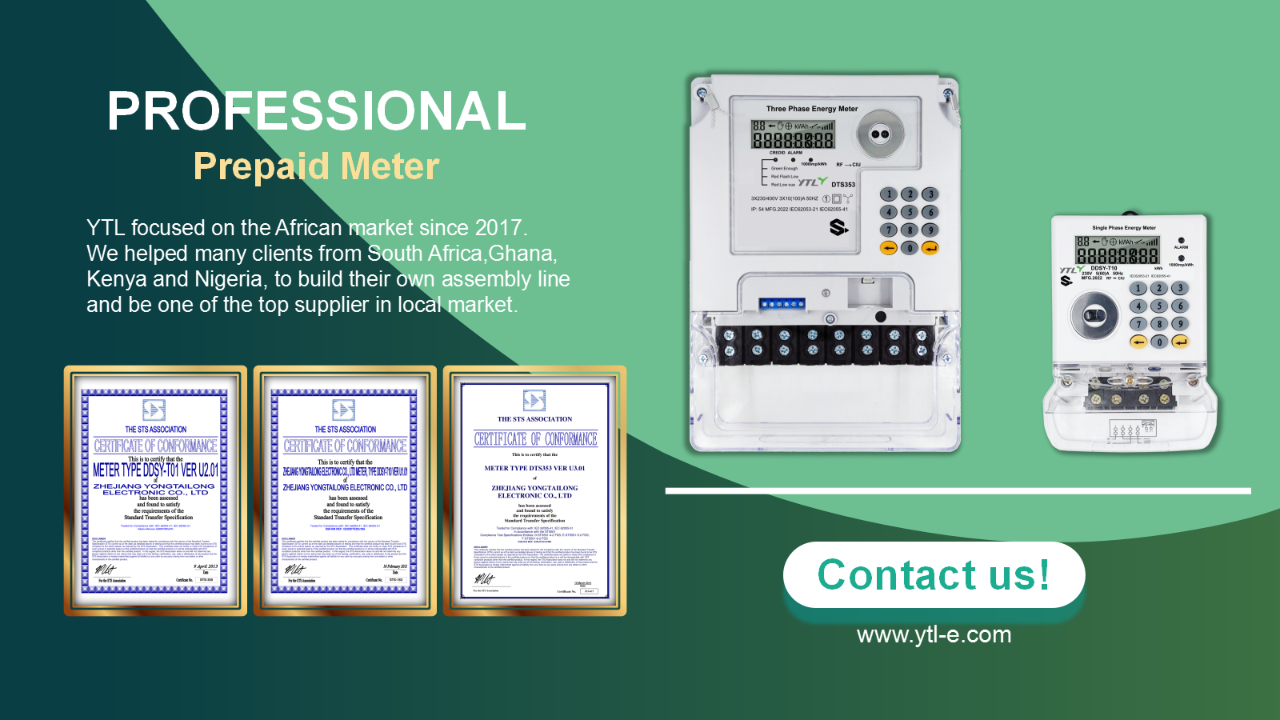
I. The Mechanical Era: The Physical Isolation of Coin - Operated Prepayment Meters (1880 - 1970)
Technical Principle
Pure mechanical gear metering. The coin - inserting mechanism is similar to an old - fashioned ticket vending machine. It requires manual coin collection and has no remote communication capabilities.
Global Trajectory
• Europe: First used in theaters and public lighting.
• United States: Entered households in the 1920s.
• India: A mainstay in rural electrification in the 1950s.
Advantages
It does not require a credit system, making it suitable for developing countries. Physical isolation completely prevents arrears.
Disadvantages
Severe mechanical wear and tear (with an average lifespan of 3 - 5 years). There were frequent coin - theft cases (such as a major theft in London in 1906), and it was impossible to implement tiered electricity pricing.
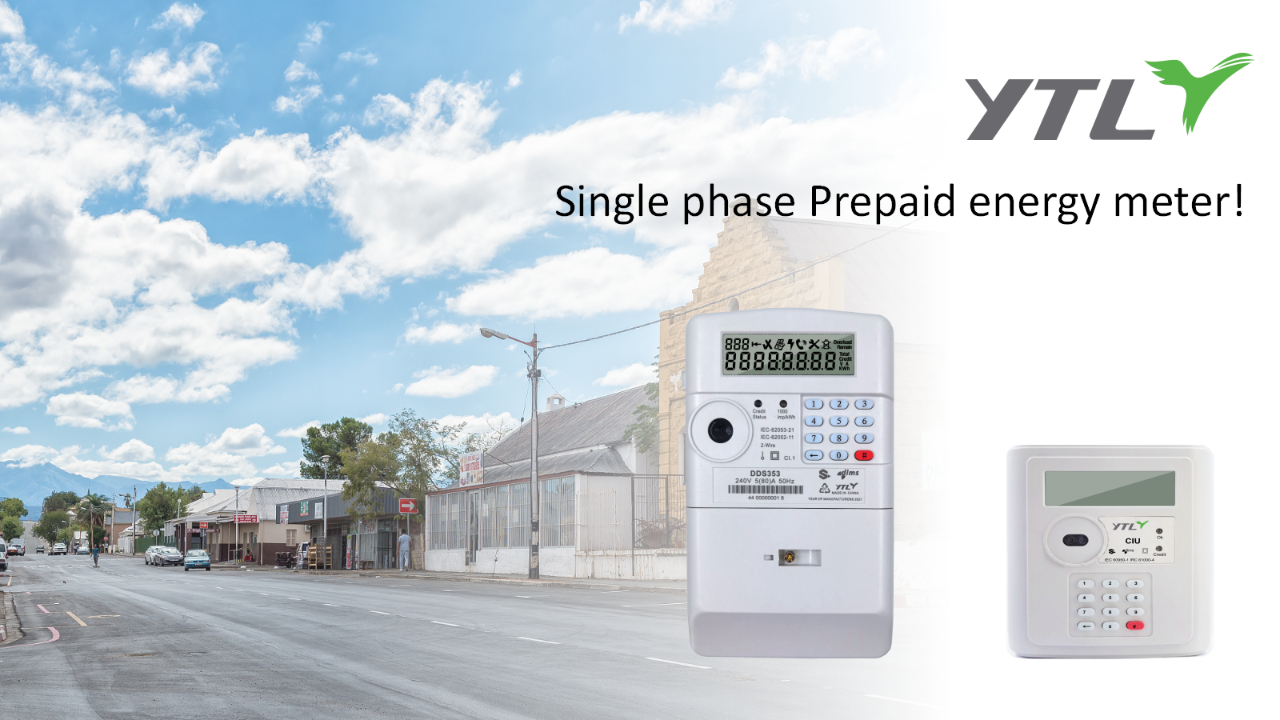
II. The Electronic Revolution: The Password 攻防 (Password - related Struggles) of Magnetic Card Prepayment Meters (1970 - 2000)
Technical Breakthroughs
It adopted Hall - element - based electronic metering. Magnetic cards stored pre - purchased electricity (with only 256 bytes in the early stage) and used simple XOR encryption to prevent forgery.
Global Spread
Singapore was the one to popularize it in 1985. African countries used it to solve the problem of electricity theft in slums. In China, there was a dual - track system for water and electricity meters in the 1990s.
Advantages
Users could recharge on their own (convenience stores became recharge points), and it supported hierarchical management of electricity consumption.
Disadvantages
Magnetic cards were prone to demagnetization (in Bangkok, high temperatures increased the failure rate by 40%). A password - cracking industry chain emerged (such as a major case in Guangzhou in 2003), and remote monitoring was not possible.
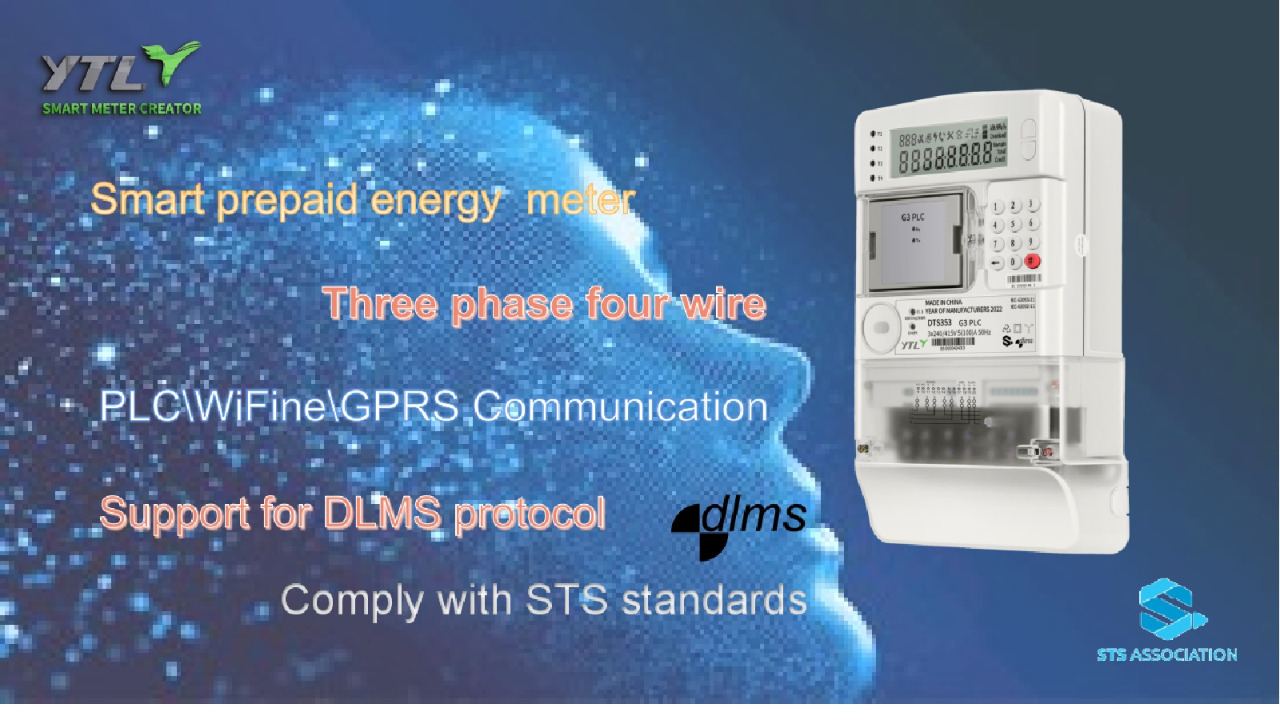
III. The Digital Age: The Over - the - Air Transactions of Code - Recharge Prepayment Meters (2000 - 2015)
Technological Innovations
USSD code recharge (no need for a smartphone) and real - time dynamic electricity prices.
Global Adaptation
• Africa: The code - recharge system in Kenya covered 80% of the population.
• Middle East: It was used in religious places to avoid contact - based recharge.
• Latin America: It served as a monetary tool to cope with hyperinflation.
Advantages
It broke through geographical limitations (such as satellite recharge in the Nepalese mountains) and enabled real - time electricity price adjustment (such as the peak - valley electricity price practice in Dubai).
Disadvantages
It was highly dependent on communication networks (the large - scale power outage in India in 2012 paralyzed the system), and there were disputes caused by SMS delays.
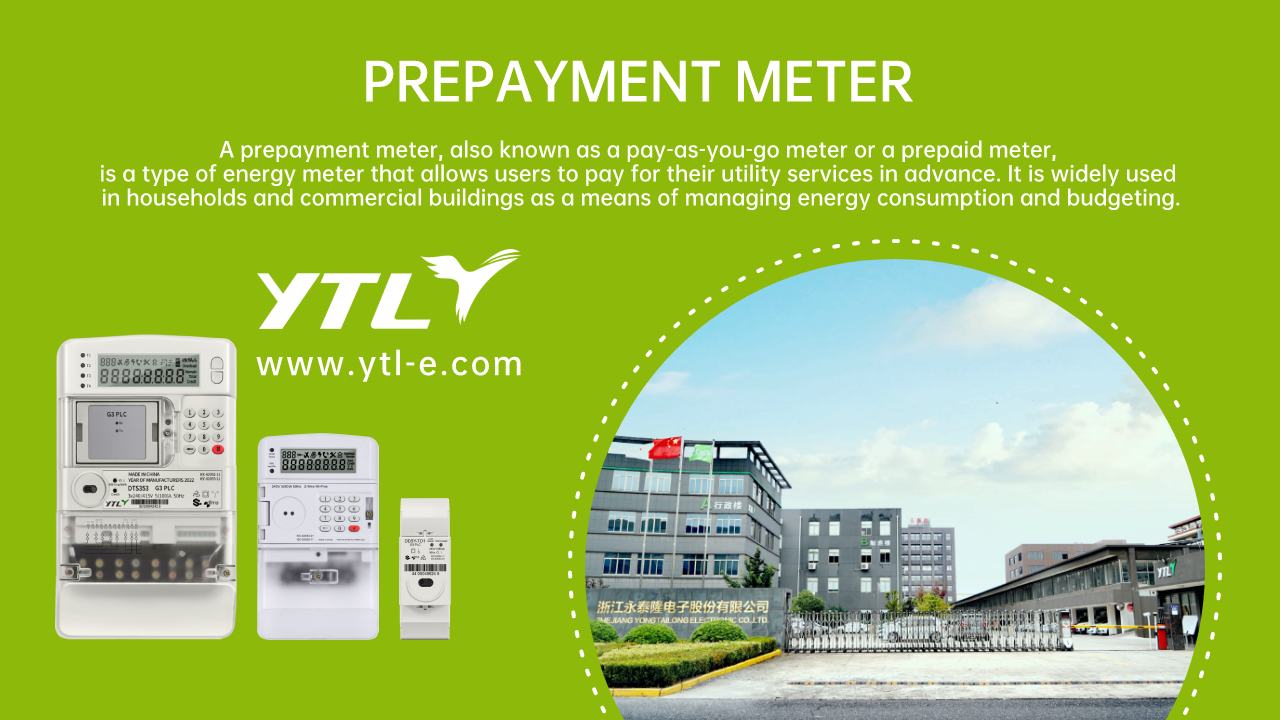
IV. The IoT Era: The Intelligent Awakening of Cloud - Based Prepayment Meters (2015 - Present)
Technological Integration
NB - IoT/4G multi - mode communication, non - intrusive load identification, and blockchain transaction verification.
Global Applications
• Northern Europe: It is integrated with heat pump systems for demand response.
• Australia: It supports two - way metering for photovoltaics.
• United States: It is used in the construction of PG&E's virtual power plants.
Advantages
Millisecond - level data collection (with a 0.3 - second refresh in Germany) and appliance - level energy consumption analysis (able to distinguish between a refrigerator and an air conditioner).
Disadvantages
There are network security threats (as 警示 by the attack on the Ukrainian power grid), and it poses challenges for elderly users (Japan has introduced voice - enabled meters).
V. The New Energy Revolution: Prepayment Meters Transformed into Energy Routers
Typical Scenarios
• Home Photovoltaics: The "Solar + Storage + Smart Meter" trio in Germany.
• Community Microgrids: Samso Island in Denmark with all renewable energy.
• Vehicle - to - Grid Interaction: Japan's integration of V2G charging piles.
Technological Innovations
Dynamic charge - discharge priority (such as the Tesla Powerwall solution), participation in electricity market transactions (Australian households selling electricity), and carbon credit calculation (EU household carbon accounts).
From the clanging of coin - operated machines to the silent computing in the cloud, prepayment meters have been constantly evolving. It is not only a metering tool but also a witness to energy democracy - enabling African villages to buy light via text messages, allowing urban families to earn income from rooftop sunlight, and making every kilowatt - hour of electricity tell a story of technology, economy, and human wisdom.