
 English
 简体中文
简体中文



When people talk about smart meters, the most intuitive perception is often that they have replaced manual meter reading, enabling remote data collection and automatic billing. This is undoubtedly an important milestone in the development of smart meters, yet it only marks the starting point of their value system.
As the global power system accelerates its transformation toward digitalization and decarbonization, smart meters are gradually evolving from metering terminals into key sensing nodes in the new-type power system. They are no longer merely tools for recording electricity consumption, but are becoming critical infrastructure supporting the safe operation of power grids, user energy efficiency management, and the intelligentization of energy systems.

From "Recording Tool" to "Early Warning Node": A New Pillar of Power System Security
On the grid side, large-scale deployed smart meters can continuously provide high time-resolution operational data, helping power utilities gain a comprehensive understanding of the actual status of distribution networks. By analyzing load changes, voltage fluctuations, and event data, operation and maintenance personnel can identify potential risks in advance—such as equipment overload, line anomalies, or degraded power quality—and take intervention measures before failures occur.
This data-driven predictive capability transforms the grid operation and maintenance model from traditional post-failure repair to pre-failure prevention, significantly improving power supply reliability and operational efficiency.
On the user side, smart meters also act as a guardian of electricity use. Through continuous monitoring of key parameters such as voltage and current, the system can trigger timely alerts and feedback to users or management platforms when abnormal electricity consumption patterns are detected, providing technical support for preventing electrical faults and enhancing electricity safety.
From "Displaying Data" to "Analyzing Behavior": A Fundamental Tool for Energy Efficiency Management and Emission Reduction
One of the core values of smart meters lies in turning energy consumption from invisible into understandable and analyzable.
For end-users, electricity usage can be clearly broken down by time periods and load types based on data collected by smart meters. Such transparent information feedback helps users proactively adjust their consumption behavior—for example, using high-power equipment during periods of lower electricity prices or light loads—to achieve more rational energy consumption.
For commercial and industrial users, high-precision and continuous metering data form the basis of energy efficiency analysis and carbon management. Using load profiles and historical data provided by smart meters, energy-consuming entities can identify weaknesses in their energy consumption structure, providing reliable support for energy-saving retrofits, production optimization, and carbon emission accounting. Smart meters thus become essential tools for enterprises to achieve refined energy management.
From "Terminal Device" to "System Hub": A Critical Link in the New-Type Power System
With the rapid popularization of distributed photovoltaic systems, energy storage systems, and electric vehicles, the power system is shifting from a unidirectional supply structure to a more flexible bidirectional interactive model. In this process, smart meters play a pivotal connecting role.
By supporting bidirectional energy metering, smart meters can accurately record both electricity consumption and generation on the user side, providing fundamental support for distributed energy integration, power settlement, and energy management. Meanwhile, under dynamic pricing and demand response mechanisms, smart meters act as execution nodes, guiding loads to operate during appropriate time periods, alleviating grid pressure, and improving the consumption of renewable energy.
Furthermore, as one of the most widely deployed energy IoT terminals, the data interface formed by smart meters provides an important gateway for smart communities, integrated energy management, and urban-level energy coordination. Under the premise of fully complying with data security and privacy protection requirements, these data are gradually unleashing greater systemic value.
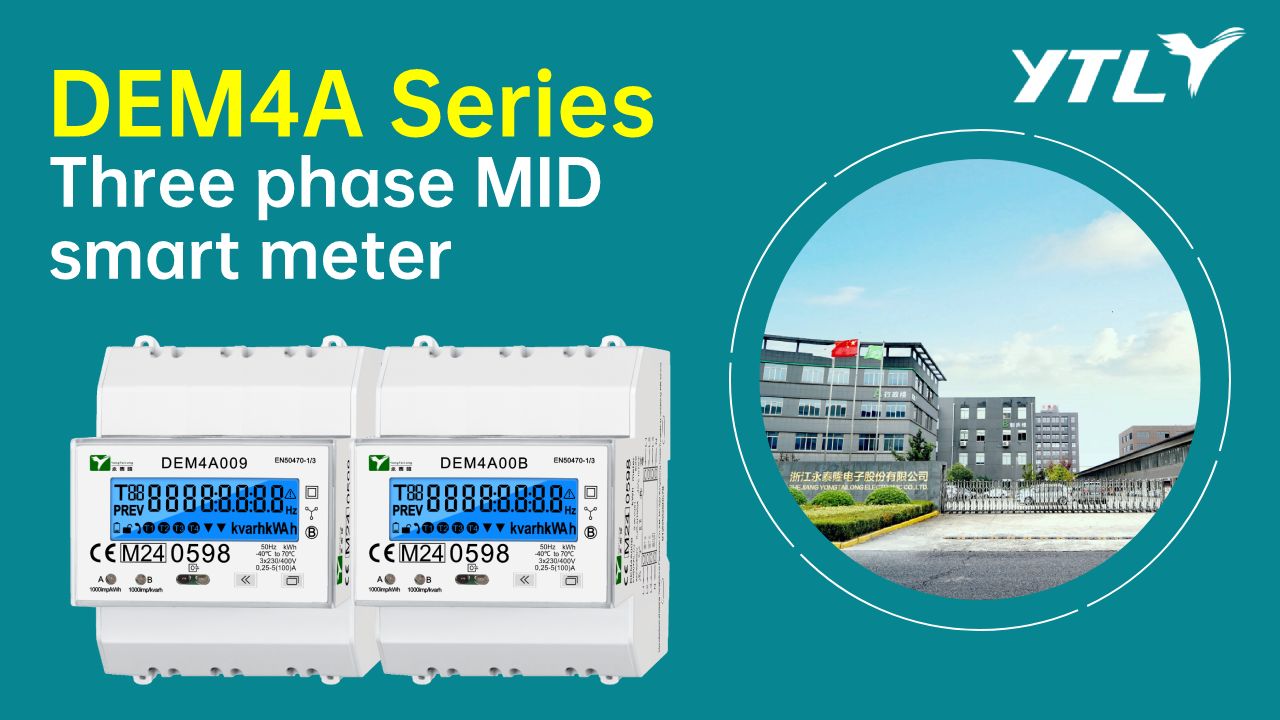
Conclusion: Toward an Intelligent Energy System Built on Smart Meters
Remote meter reading is only the starting point, not the end, of smart meter development. Their future will be reflected in real-time sensing of power system conditions, in-depth understanding of user energy consumption behavior, and efficient connection of diversified energy systems.
With the continuous advancement of communication technology, data analysis, and edge computing capabilities, smart meters are gradually evolving into intelligent terminals with local judgment and coordination capabilities. When a large number of such nodes operate in coordination, a more efficient, reliable, and flexible energy system will become a reality.
In this process, smart meters are no longer just metering devices, but critical basic units supporting the digital and low-carbon transformation of energy.
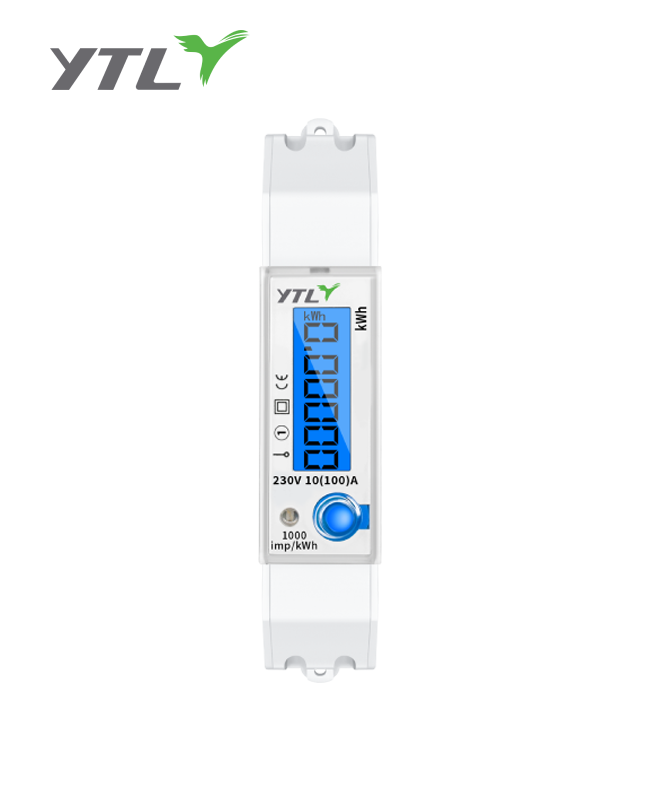
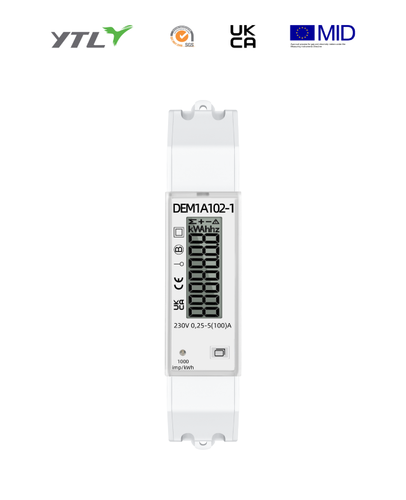

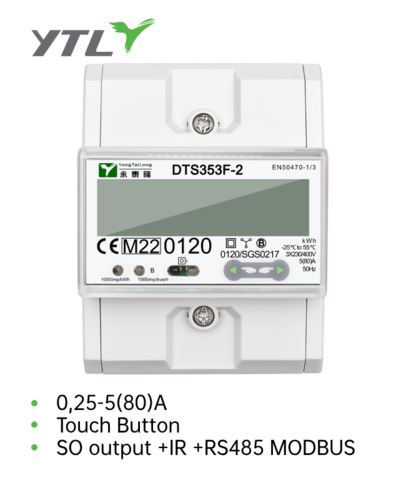
.png?imageView2/2/w/500/h/500/format/png/q/100 "YTL Single Phase Active Electronic Electricity Meter")