
 English
 简体中文
简体中文



In the long history of humanity’s exploration and utilization of electric energy, a seemingly simple yet vital device has silently witnessed every evolution in power application—the electricity meter. It is not only a microcosm of the development of power metering technology, but also a critical link connecting energy production and consumption, as well as traditional power grids and future intelligent systems. From a mechanical marvel of the industrial age to an intelligent terminal in the information era, the electricity meter has transcended its basic measuring function, becoming a vivid reflection of the interaction between human society and electric energy.
A Century of Evolution in the Art of Measurement: From Physical Sensing to Digital Expression
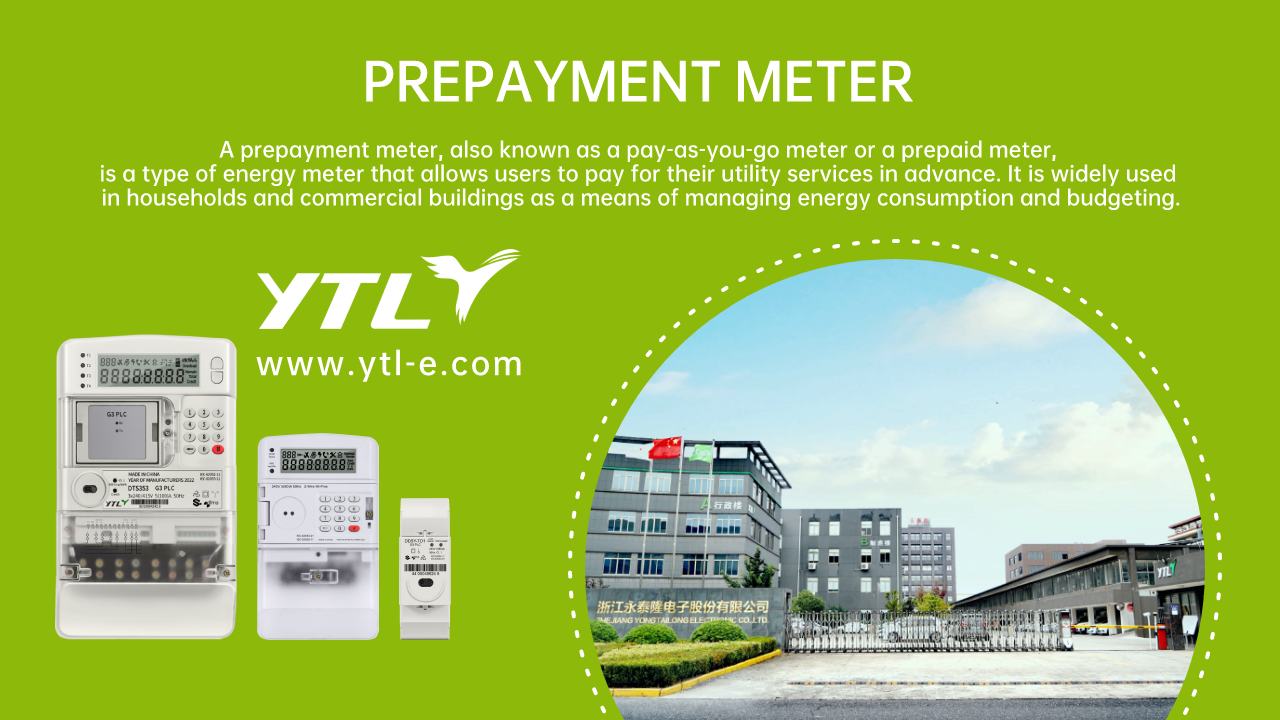
The early form of the electricity meter emerged in the late 19th century to meet the demand for commercialized electric energy. The original electromechanical electricity meters operated on the principle of electromagnetic induction: the torque generated by the interaction of current and voltage drove an aluminum disk to rotate at a constant speed, and a gear transmission system converted the number of rotations into energy readings. This design ingeniously transformed invisible electric energy into visible mechanical motion, representing the pinnacle of precision manufacturing in the industrial age. Innovations in dial design and mechanical structures by different manufacturers gave rise to distinctive styles of metering art.
With breakthroughs in semiconductor technology, static electronic electricity meters gradually came into prominence. These meters adopted resistive voltage division and current transformer technology, realized instantaneous calculation of electric power via analog multipliers, and generated pulse signals through voltage-frequency converters for cumulative metering. This technical approach broke free from the constraints of mechanical components, achieved higher metering accuracy and a wider measuring range, and laid a solid foundation for subsequent intelligent development.
Diverse Forms and Scene Adaptability of Modern Electricity Meters
Modern electricity meters have evolved into diverse configurations tailored to different application scenarios. Single-phase electricity meters for residential use feature compact design, emphasizing long-term stability and cost control; three-phase electricity meters for industrial and commercial applications prioritize precise measurement and anti-interference capabilities in complex electrical environments; and specialized DC electricity meters are optimized for DC scenarios such as photovoltaic power generation and electric vehicle charging.
In terms of extreme environmental adaptability, electricity meter design demonstrates exquisite engineering expertise. Meters used in frigid regions adopt special LCD materials and electronic components with wide temperature ranges to ensure normal operation in severe cold; those in tropical regions focus on moisture-proof, anti-corrosion design and heat dissipation; and high-altitude areas require special barometric adaptability. Such targeted technical optimizations enable electricity meters to operate reliably under various climatic conditions worldwide.
Philosophical Thinking and Technical Implementation of Metering Accuracy
Metering accuracy is the core pursuit of electricity meter technology, embodying profound scientific philosophy. From uncertainty theory to error analysis systems, a complete scientific methodology has been formed for accuracy control in electricity meters. Modern high-precision electricity meters employ multi-level error compensation algorithms, including temperature compensation, frequency compensation, and load curve compensation, to maintain excellent linearity across the entire measuring range.
Interestingly, the evolution of electricity meter accuracy reflects a shift in measurement philosophy: from pursuing absolute precision to establishing a comprehensive measurement uncertainty system, and from single-point calibration to full-life-cycle accuracy tracking. The self-calibration function built into modern smart electricity meters allows automatic adjustment of metering parameters according to operating time and environmental conditions, realizing the concept of "adaptive precision" metering.
Electromagnetic Compatibility: The Balancing Art of Maintaining Accuracy Amid Interference
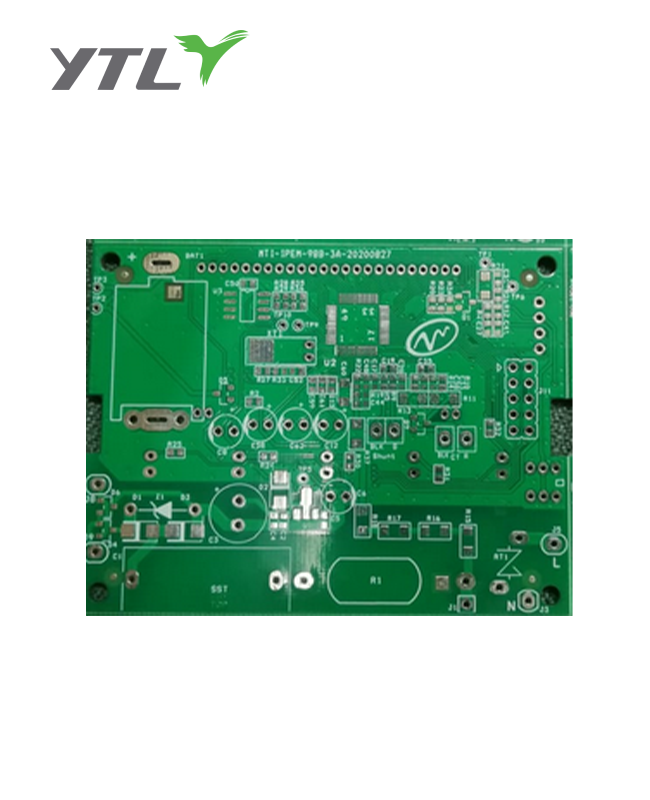
Modern electrical environments are filled with various electromagnetic interferences—from radio signals to high-frequency noise generated by power electronic devices—all posing challenges to the precise metering of electricity meters. Electromagnetic compatibility (EMC) design has thus become a key technology in electricity meter development. Through multi-layer PCB design, shielded cavity structures, and optimized filter circuits, electricity meters maintain stable metering performance in complex electromagnetic environments.
Notably, some advanced electricity meters can not only resist interference but also actively monitor electromagnetic environmental quality. By analyzing parameters such as harmonic content and voltage fluctuations in the power grid, these meters effectively serve as "diagnostic instruments" for grid health, providing first-hand data for power quality management.
The Evolving Role of Time Dimension in Electric Energy Metering
Time has played an increasingly important role in electric energy metering. Early electricity meters only recorded total power consumption, while modern smart meters can track usage across different time periods. This time-of-use metering capability not only supports market-oriented mechanisms such as time-of-use pricing but also provides a data basis for understanding consumption behavior patterns.
At a deeper level, high-precision time synchronization technology enables electricity meters to record the timing of power events with microsecond-level accuracy. This is invaluable for analyzing grid faults, locating disturbance sources, and studying the dynamic characteristics of power systems. In the future, with the application of high-precision time synchronization via 5G networks and the Beidou Satellite System, the time-recording accuracy of electricity meters will reach new heights.
New Challenges in Privacy Protection and Data Security
While intelligence brings convenience, it also raises new concerns. High-frequency collected electricity consumption data can reflect private information such as users’ living habits and occupancy status. Balancing data value utilization and user privacy protection has become an ethical and technical challenge in electricity meter design.
Advanced solutions include the application of differential privacy technology, edge computing for data preprocessing, and blockchain-based anonymous transaction verification. These technologies maximize user privacy protection while ensuring metering accuracy and transaction validity, reflecting the return of humanism in technological development.
Role Reshaping for New Power Systems
With the deepening of energy transition, electricity meters are transforming from passive measuring devices into active system participants. Amid the wide integration of distributed energy resources, meters must handle bi-directional power flow metering; the popularization of electric vehicles has spurred new technical standards for dedicated metering in charging facilities; and within the framework of demand-side response, meters need to support remote load control.
More forward-looking, electricity meters are evolving into sensing nodes at the edge of the power grid. By integrating additional sensors, future meters may simultaneously monitor temperature, humidity, partial discharge, and other parameters, becoming the nerve endings for distribution grid status awareness. This expanded role will make electricity meters far more important in future energy systems than they are today.
The Significance of Electricity Meters in Cultural Perspectives
Across different cultural backgrounds, people’s perceptions and attitudes toward electricity meters vary. In some regions, electricity meters are regarded as "gatekeepers" of household finances; in others, they are seen as a "bridge" to modern life. Such cultural differences have influenced not only the appearance design but also the functional prioritization of electricity meters.
Notably, the design aesthetics of electricity meters have shifted from industrial pragmatism to human-centered design. While ensuring functionality, modern meters increasingly emphasize harmony with residential environments, reflecting the trend of technical products extending from tool attributes to lifestyle elements.
Epilogue: The Eternal Pursuit of Measuring Civilization
The evolution of the electricity meter is essentially a facet of human civilization’s pursuit of precise quantification, fair transactions, and efficient energy utilization. From early mechanical structures to today’s intelligent systems, each technological breakthrough represents a deeper understanding of the nature of electricity and a commitment to the ideal of metering fairness.
When we examine this ordinary yet extraordinary device, we see not merely an instrument, but a technological imprint of an era, a crystallization of engineering wisdom, and a micro-history of social energy relations. As the energy revolution advances, electricity meters will continue to innovate in form, silently composing a new chapter in the symbiosis between humanity and electric energy amid the interplay of light and data.
In building a sustainable future, electricity meters will remain indispensable—not only as recorders of energy, but also as participants and shapers of the smart energy ecosystem, continuing to write the story of measurement and civilization advancing together through time.
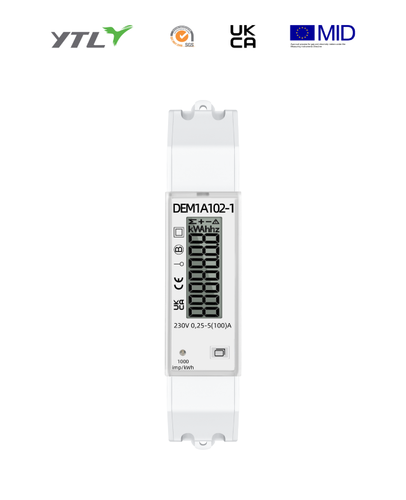
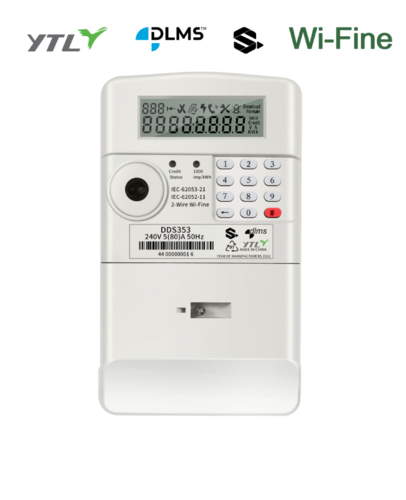
.png?imageView2/2/w/500/h/500/format/png/q/100 "YTL STS Prepaid Wi-Fine Energy Meter Single Phase Wall")
.jpg?imageView2/2/w/500/h/500/format/png/q/100 "YTL Company DTS353C DIN Rail 3P 4 Model Electricity Meter MID")
.png?imageView2/2/w/500/h/500/format/png/q/100 "YTL Single Phase Active Electronic Electricity Meter")