
 English
 简体中文
简体中文



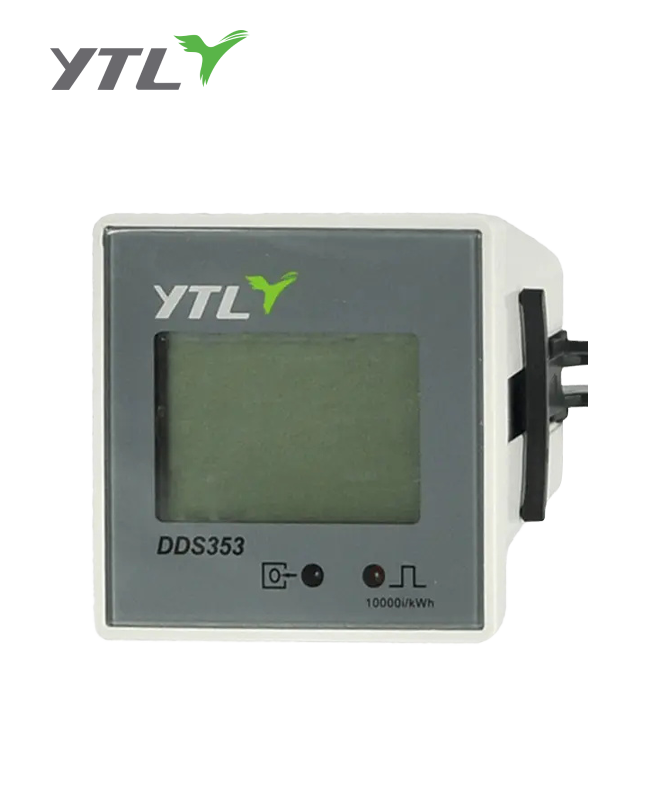
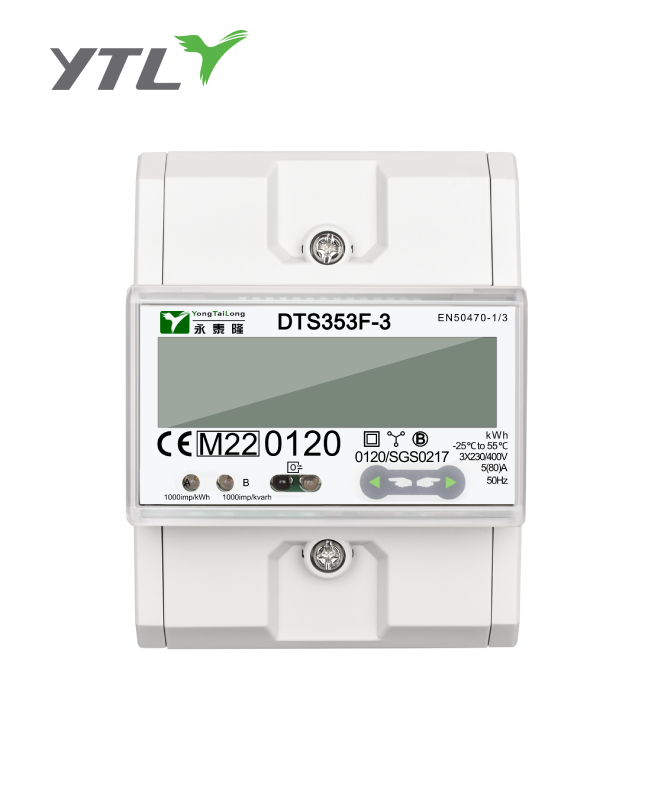
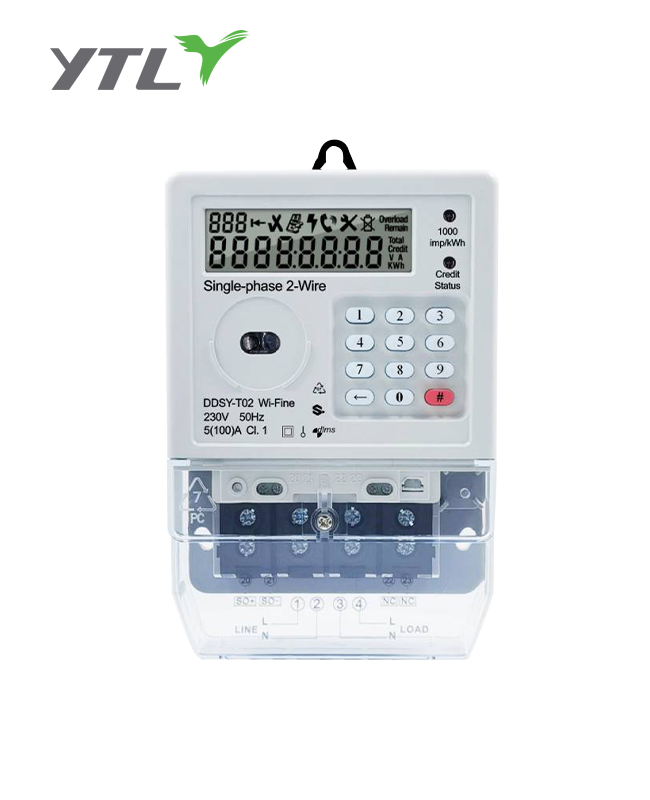
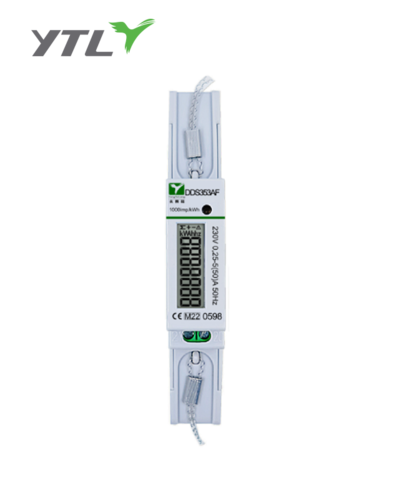
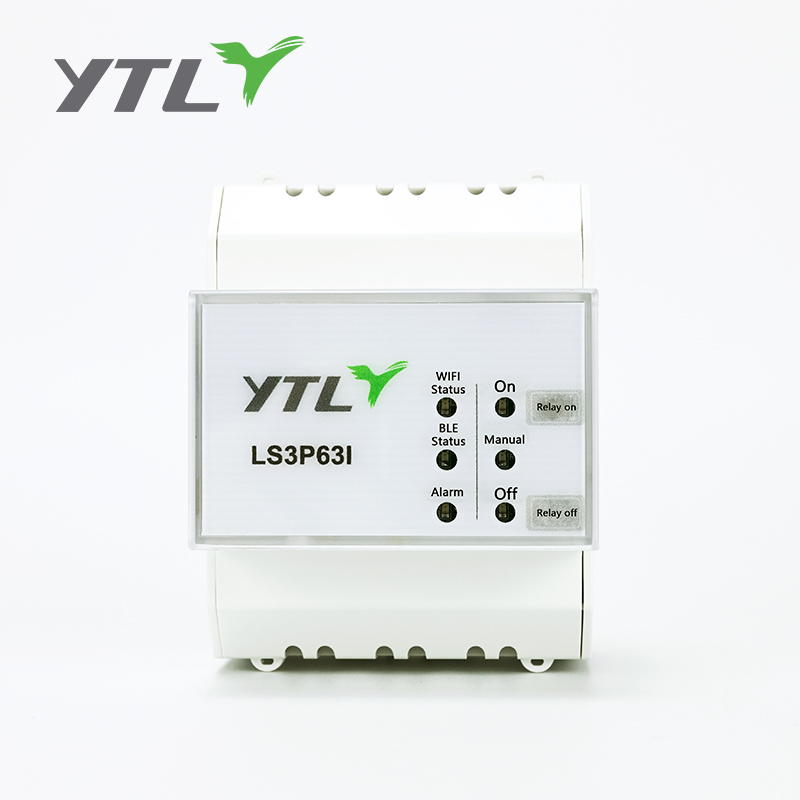
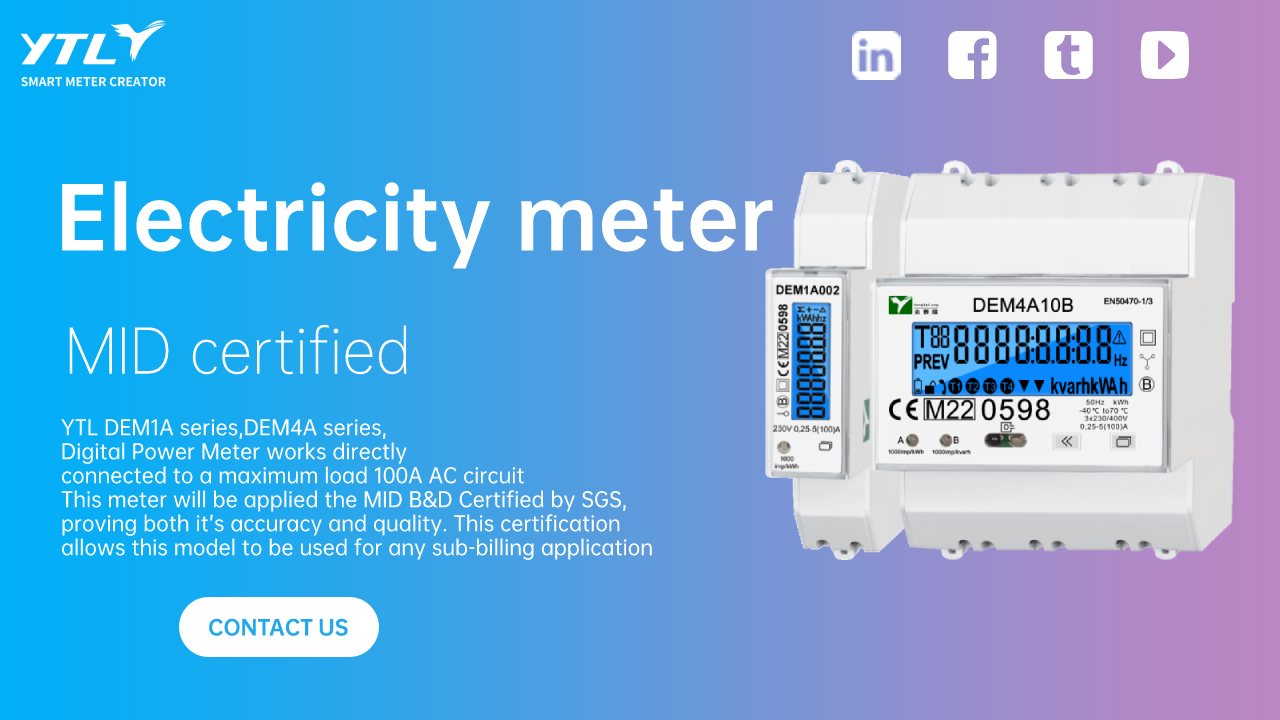
In the operation of the power system, the distribution cabinet plays a core role in energy distribution and control, and the monitoring equipment installed in it is the "nerve endings" that ensure system stability. As a key component of modern distribution cabinets, electronic digital displays have gradually replaced traditional pointer instruments with their technical characteristics and become the mainstream choice in the field of power monitoring. This transformation is not only due to technological advancements, but also because of its significant advantages in precision, operability, and safety, profoundly changing the operation and management mode of distribution cabinets.
1、 Accurate monitoring: providing a 'digital twin' for the power system
The stable operation of the power system highly relies on precise control of key parameters such as voltage, current, and power, and electronic digital displays perform far better in this field than traditional pointer meters. Its core advantage lies in the use of digital sampling technology, which can convert power signals into digital information for processing through built-in high-precision sensors and microprocessors. The measurement error can be controlled within 0.5%, and some high-precision models can even reach 0.2%. This accuracy improvement means that even small power fluctuations can be captured in a timely manner - for example, when there is a 5% voltage deviation in the line, a digital display can complete data updates and display within 0.1 seconds, while traditional pointer meters often take several seconds to stabilize, and reading errors may exceed 10%.
More importantly, the measurement of electronic digital displays is not affected by environmental factors. In complex environments such as high temperature and electromagnetic radiation commonly found inside distribution cabinets, the mechanical structure of traditional pointer meters is prone to thermal expansion and contraction due to temperature changes, resulting in pointer displacement; The electronic digital display compensates for temperature drift through software algorithms and adopts anti electromagnetic interference design to ensure measurement stability within the temperature range of -20 ℃ to 70 ℃. This feature enables it to provide almost "digital twin" real-time monitoring data for the power system, providing reliable basis for load adjustment and fault diagnosis.
2、 Convenient operation: Refactoring the management logic of the distribution cabinet
The management of traditional distribution cabinets often relies on on-site operations by maintenance personnel. When reading pointer meter data, manual recording is required, which is not only inefficient but also prone to data errors caused by human negligence. The electronic digital display meter has completely reconstructed this management logic by integrating digital functions, making the operation monitoring of the distribution cabinet efficient and simple.
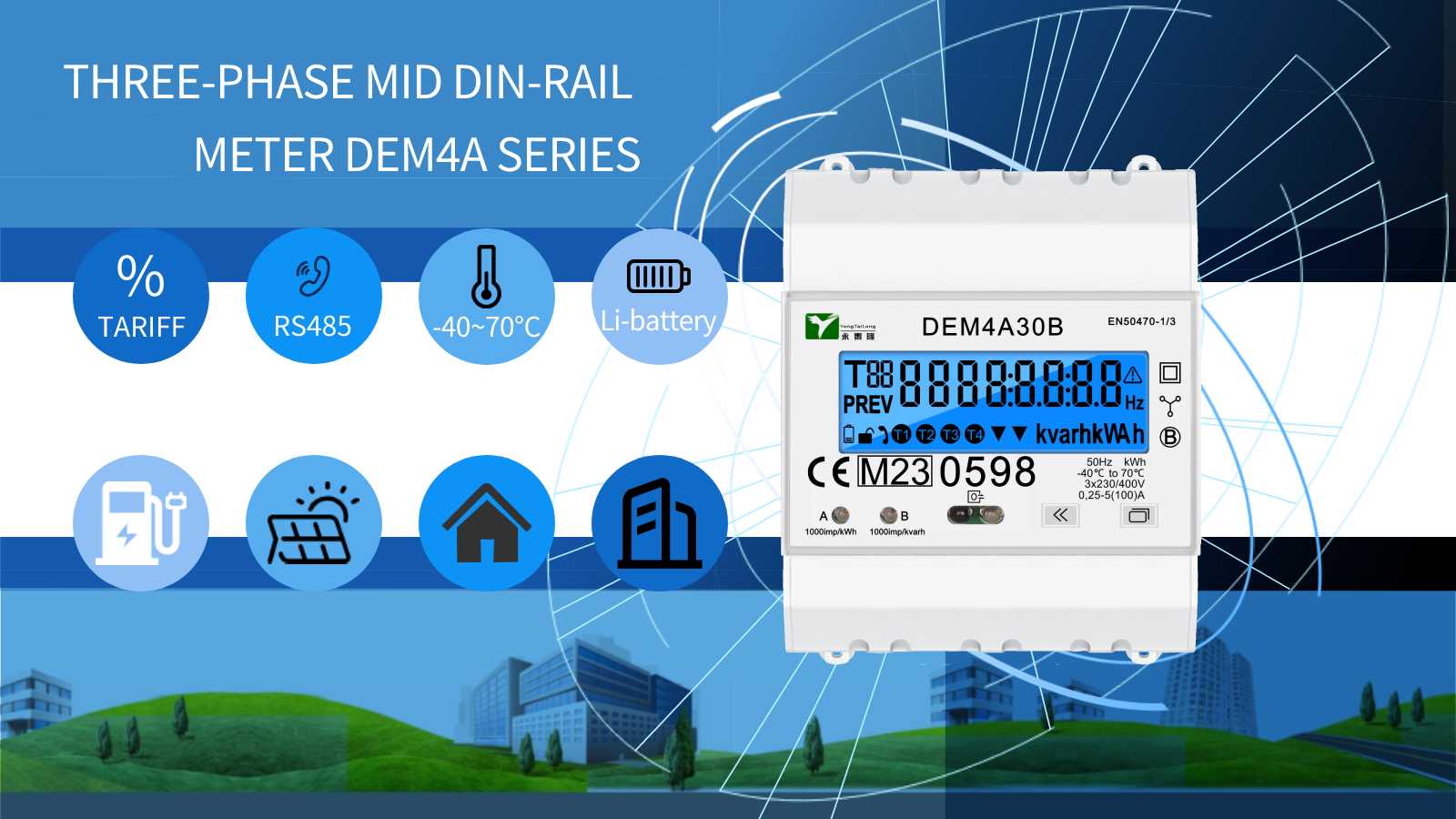
Its intuitive digital display interface eliminates reading ambiguity - four to six digit numbers directly present measurement results without the need to judge scale alignment like a dial gauge, allowing even non professionals to quickly and accurately read data. More importantly, modern electronic digital displays are generally equipped with communication interfaces, supporting industrial bus protocols such as RS485 and Modbus, which can transmit real-time data to the monitoring center for remote monitoring. This means that operation and maintenance personnel do not need to frequently open the doors of the distribution cabinet, and can real-time grasp the power parameters of each circuit through the backend system, greatly reducing the workload of on-site inspections and reducing the risks of dust entering and misoperation caused by frequent opening of cabinet doors.
In addition, the parameter setting function of electronic digital displays greatly enhances operational flexibility. By using panel buttons or software configuration tools, display units, alarm thresholds, and other parameters can be adjusted according to actual needs, such as switching voltage display from "V" to "kV" or setting overcurrent alarm values. This flexibility allows the same digital display to adapt to the needs of different specifications of distribution cabinets, while the range and units of traditional pointer meters cannot be changed once they are fixed, often requiring customization according to the scene.

3、 Safe and reliable: building a strong protective barrier for the power system
As a high-voltage equipment, the operation safety of distribution cabinets is directly related to the safety of the entire power system. The design of electronic digital displays in terms of safety fully reflects the protection of the power system. Firstly, it adopts a fully sealed structure with a shell protection level of IP65, which can effectively isolate dust, water vapor, and corrosive gases inside the distribution cabinet, avoiding short-circuit faults in the internal circuit due to moisture or pollution. In contrast, the mechanical structure of traditional pointer watches has gaps, which can easily accumulate dust after long-term use, affecting pointer flexibility and even causing circuit failures.
Secondly, the intelligent protection function built-in in the electronic digital display meter adds multiple safety lines to the distribution cabinet. When the parameter exceeds the preset threshold, it can immediately trigger an audible and visual alarm, and some models can also output relay signals to directly link the circuit breaker for power-off protection. For example, when the line current suddenly exceeds 120% of the rated value, the digital display meter can issue an alarm within 0.05 seconds, which is tens of times shorter than the time it takes for manual inspection to detect abnormalities. It has bought valuable time to avoid overloading and burning of the line. At the same time, its internal circuit design adopts optoelectronic isolation technology to completely isolate the measurement circuit from the display circuit and control circuit, preventing high-voltage signals from entering the control circuit and ensuring the safety of operators.
This safety design not only reduces the failure rate of the distribution cabinet, but also extends the service life of the equipment. Data shows that the average time between failures (MTBF) of distribution cabinets equipped with electronic digital displays can reach over 8000 hours, which is 1.5 times that of traditional pointer meter distribution cabinets, significantly reducing maintenance costs and downtime risks.
From precise digital monitoring to convenient intelligent management, and then to comprehensive security protection, electronic digital displays have endowed distribution cabinets with more efficient and reliable operational capabilities through technological innovation. In the context of the transformation of the power system towards intelligence and automation, this advantage will be further highlighted and become an indispensable and important component of building a modern power network. For power operation and maintenance personnel, understanding and leveraging these advantages means being able to manage power resources more scientifically and provide more stable power security for social production and life.