
 English
 简体中文
简体中文



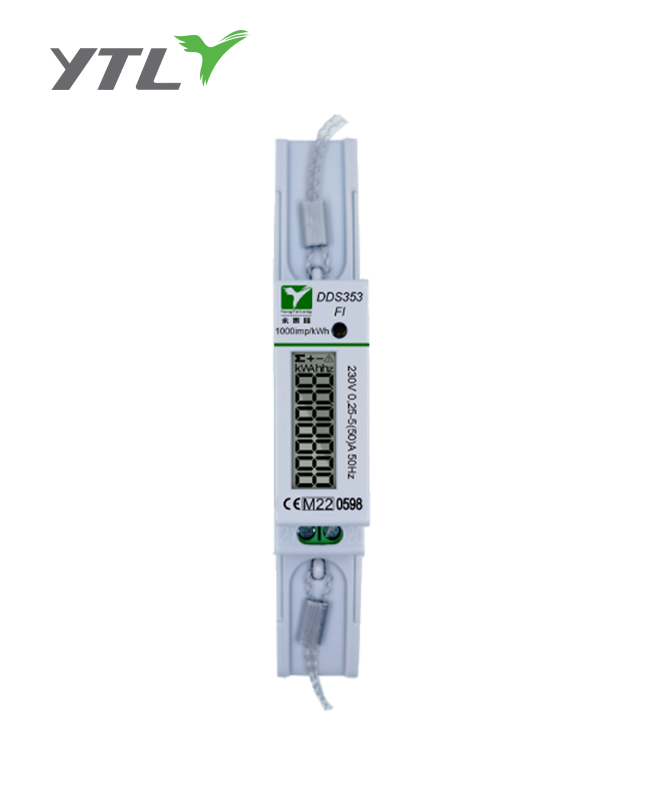
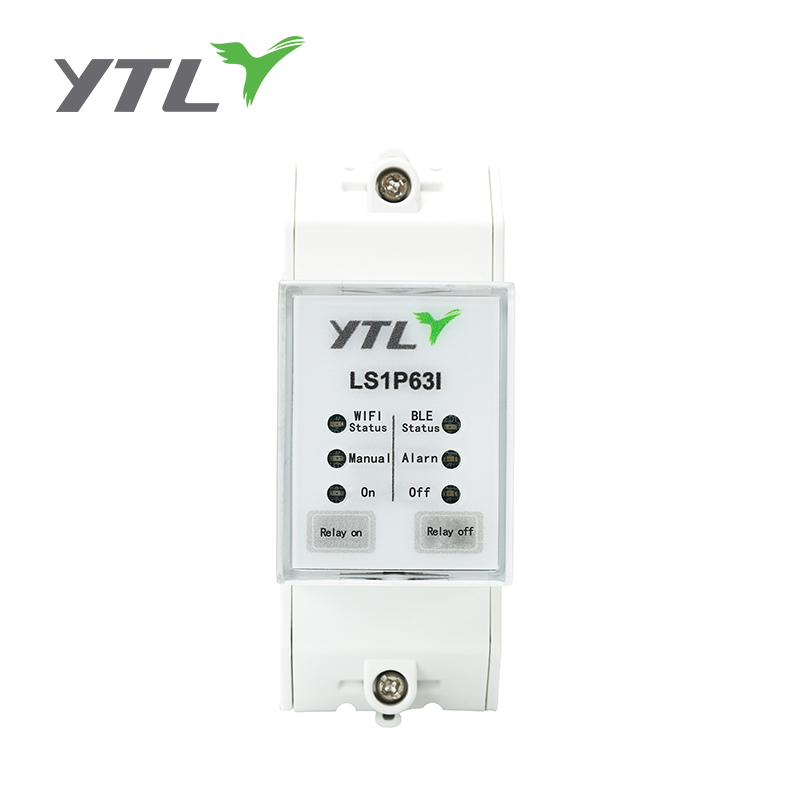
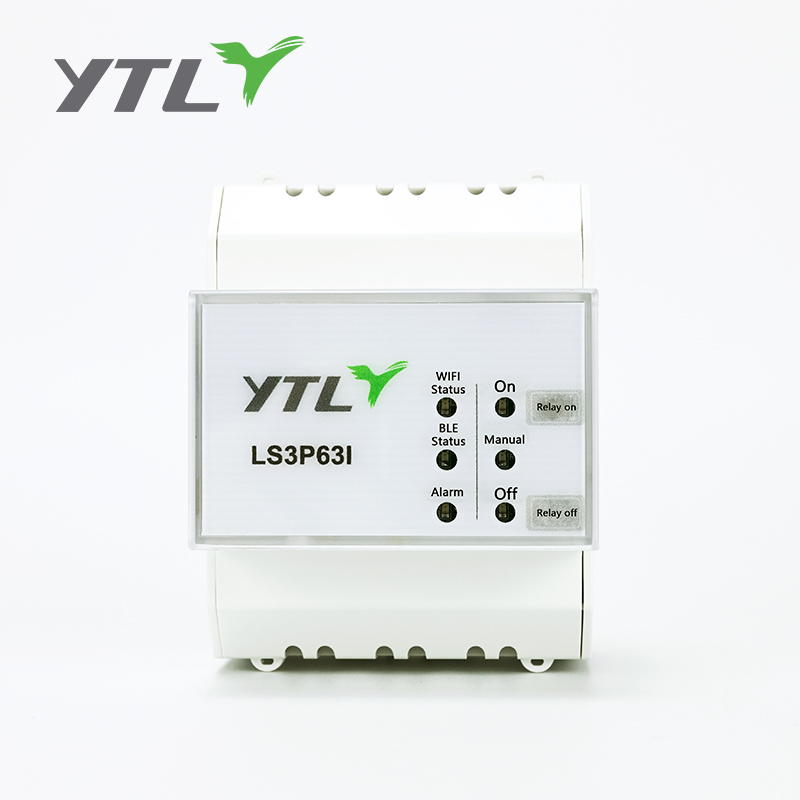
With the rapid development of smart cities and digital grids, smart meters have gradually replaced traditional mechanical meters and become the core equipment for modern energy metering. It is no longer just a simple energy counting tool, but an advanced data node that integrates measurement, communication, control, and data analysis. Its value goes far beyond the scope of automatic meter reading, as it builds a two-way interactive information bridge between power suppliers and consumers, laying a solid foundation for achieving refined energy management. The powerful capability of smart meters is achieved through the collaborative operation of the following core functions.

High precision measurement and data acquisition capability
The fundamental and core function of smart meters is to perform high-precision energy measurement. It adopts advanced electronic sampling technology, which can measure various electrical parameters such as active and reactive energy extremely accurately, and its accuracy level is much higher than traditional mechanical meters. Moreover, its data collection capability has achieved a qualitative leap. Unlike traditional electricity meters that can only provide a cumulative total electricity consumption, smart meters can record and store a series of key data at predetermined time intervals (such as every 15 minutes or 1 hour) to form a detailed load curve. This includes time period electricity consumption, voltage, current, power factor, etc. This high-frequency and multi-dimensional data collection provides valuable data foundation for analyzing electricity consumption behavior and diagnosing line anomalies, enabling electricity metering to move from fuzzy "total quantity statistics" to a clear "process traceability" era.

Bidirectional communication and remote control capability
Smart meters are the physical foundation of modern advanced metering architecture on the user side, and their built-in communication module is the hub for achieving all of this. It has bidirectional communication capability, which can continuously upload the collected measurement data, equipment status and other information to the data center of the power enterprise, as well as receive various instructions and parameter configurations from the data center. This function directly gave birth to remote automatic meter reading, completely bidding farewell to the era of manual on-site copying, greatly improving efficiency and accuracy. More importantly, bidirectional communication supports strong remote control capabilities. Operation and maintenance personnel can remotely control the power on/off of the electricity meter, switch tariff schemes, upgrade software, and diagnose faults without the need to physically visit the site. This not only significantly reduces operation and maintenance costs, but also greatly improves the response speed and flexibility of power supply services.
Flexible rate management and electricity interaction capability
In order to promote peak shaving and valley filling of the power grid and rational utilization of energy, smart meters are equipped with powerful clock and storage units, supporting various flexible rate management schemes. It can automatically distinguish different tariff periods such as peak, off peak, off peak, and off peak based on preset time periods, and measure and store their respective electricity consumption. This provides a technical prerequisite for implementing time of use electricity pricing and guiding users to optimize their electricity usage habits. Based on this, smart meters endow users with the ability to deeply participate in energy management. By linking with indoor display screens or mobile apps, users can clearly understand the detailed electricity consumption structure and time of use electricity bill situation in the near future, and even receive electricity price signals or energy-saving suggestions from power suppliers. This transparent information exchange greatly enhances users' awareness and ability to save electricity, promoting the transition from "being used for electricity" to "active management".

Event monitoring and security protection capabilities
Smart meters are also a sharp sentinel of the power grid, with complete event recording and security protection functions. It can continuously monitor the operating status of the power grid and automatically detect, record, and actively report a series of abnormal events. These events include exceeding power quality limits, overvoltage, undervoltage, voltage loss, phase failure, suspicion of electricity theft, and illegal opening of meter covers. For example, when abnormal current or voltage fluctuation patterns are detected, the electricity meter will record it as a suspected electricity theft event and report it in a timely manner, providing key data clues for anti electricity theft work. This function not only effectively protects power supply assets, but also strengthens the monitoring of user side electricity safety, providing strong technical support for maintaining stable operation of the power grid and ensuring fair and just billing.
In summary, the core function of a smart meter is an organic whole. It is based on high-precision data collection, with two-way communication as its lifeblood, flexible rate management as its means, and intelligent event monitoring as its guarantee, which together constitute the core driving force for promoting the intelligence, humanized service, and refined management of the power grid.
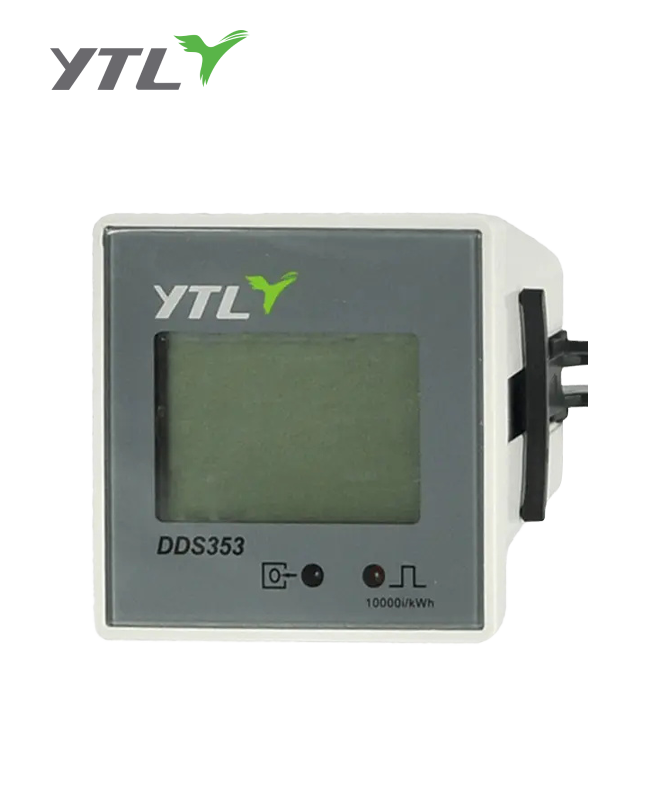
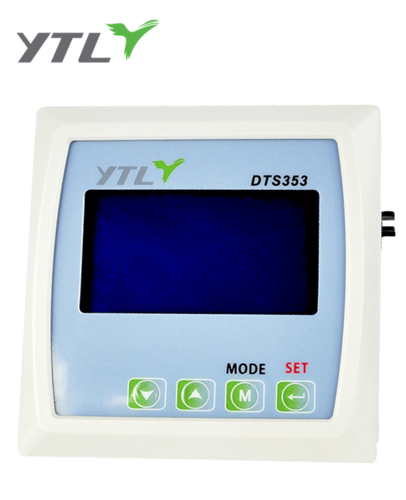
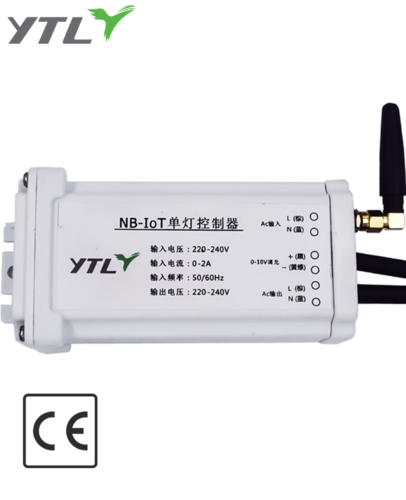
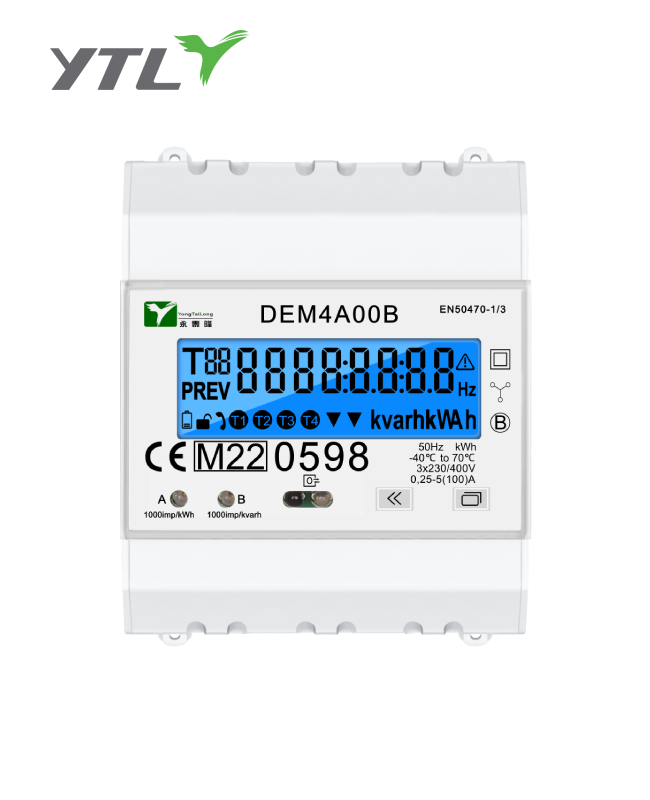
.png?imageView2/2/w/500/h/500/format/png/q/100 "YTL Two Phase Three Wire LCD Shunt sampling Energy Meter")
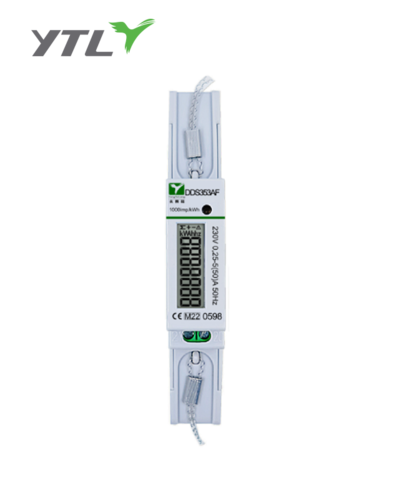
.png?imageView2/2/w/500/h/500/format/png/q/100 "YTL Single Phase Active Electronic Electricity Meter")