
 English
 简体中文
简体中文



In today's rapidly developing digital age, energy management is undergoing a profound transformation. Traditional mechanical measuring devices, such as old-fashioned electricity meters, are gradually unable to meet the demands of modern energy systems for precision, efficiency, and intelligence. The rise of modern electronic instruments, especially the widespread application of smart meters, is fundamentally changing the way we monitor, analyze, and optimize energy. This article will explore how electronic instruments, with smart meters at their core, can drive innovation in energy management and analyze their multiple values in improving efficiency and promoting sustainability.
The evolution of electronic instruments: a leap from mechanical to intelligent
Electronic instruments, as an advanced measuring tool, have long surpassed the simple counting function of traditional instruments. Early mechanical instruments mainly relied on physical mechanisms for energy measurement, with limited accuracy and single functionality. With the advancement of microelectronics and communication technology, electronic instruments are gradually integrating high-precision sensors, data processing modules, and wireless communication capabilities, achieving a transition from passive measurement to active management. As a typical representative of electronic instruments, smart meters can not only monitor the real-time use of electricity, but also provide insights into electricity consumption through data analysis, helping users optimize their energy consumption patterns. This evolution not only enhances the reliability of electronic instruments, but also makes them a core component of modern energy systems, driving the entire industry towards digitalization and intelligence.
Smart Meter: The Core Application of Electronic Instruments in Energy Management
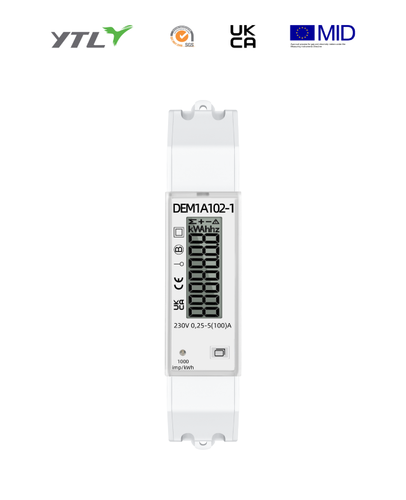
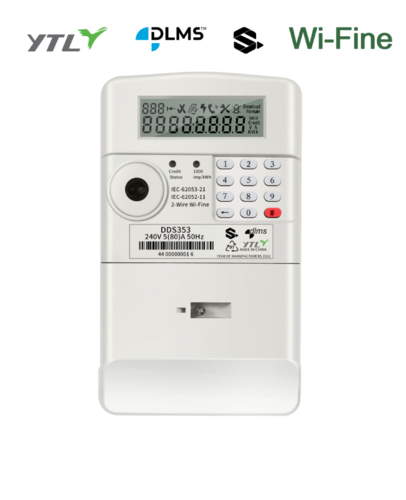
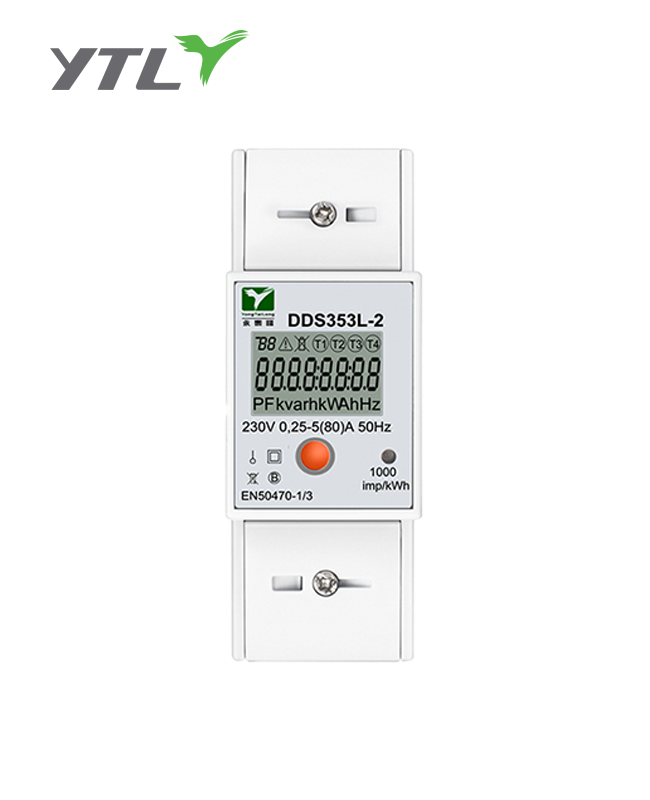
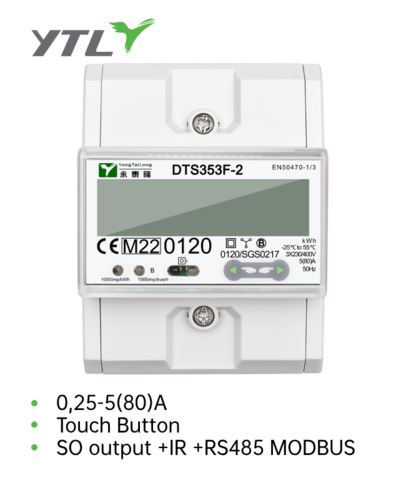
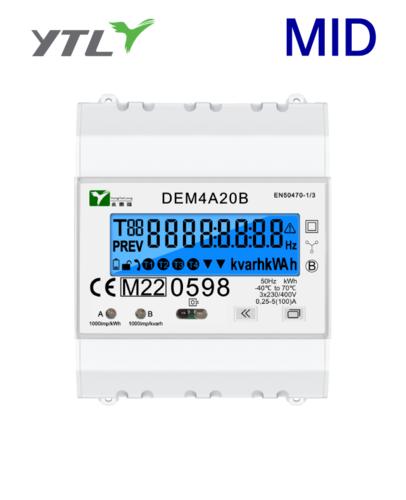
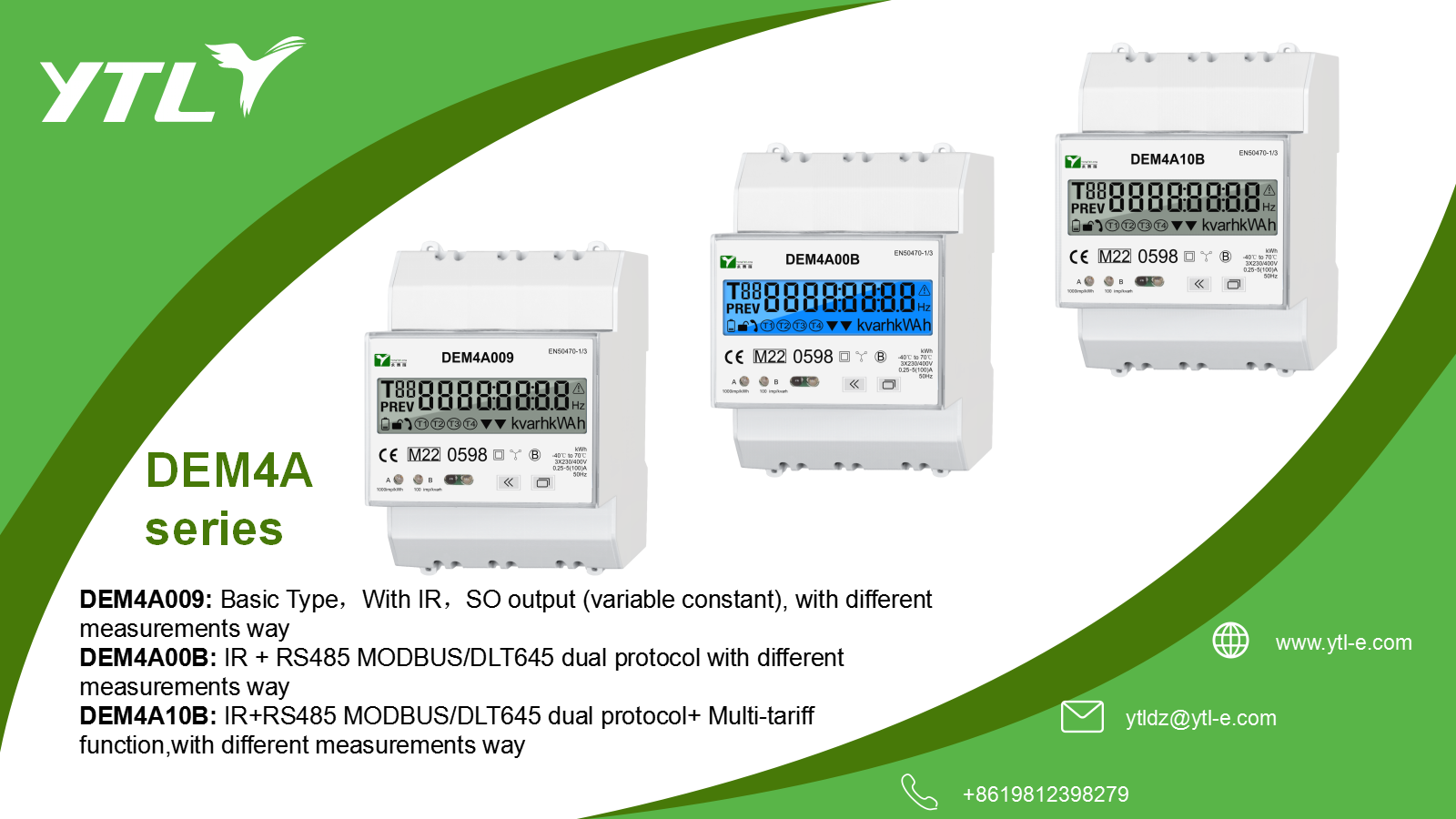
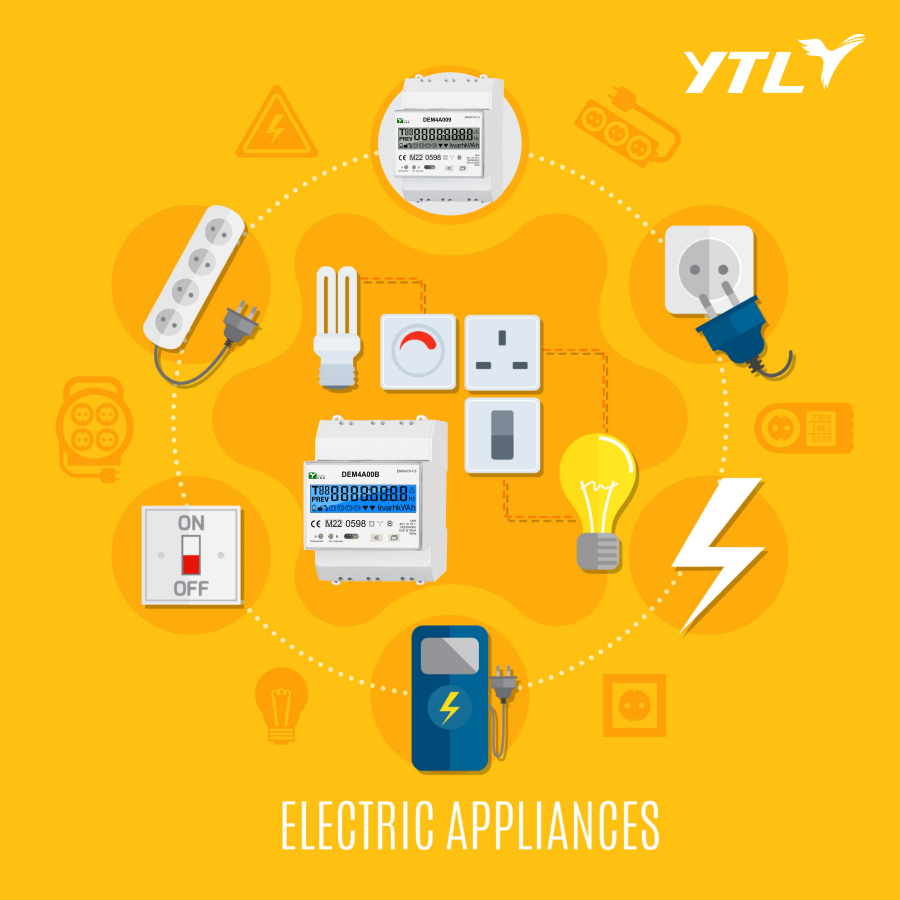
Smart meters are a highly integrated embodiment of electronic instrument technology, which completely changes the landscape of energy management through real-time data collection and bidirectional communication functions. Compared with traditional meters, smart meters can provide more detailed electricity consumption data, such as time-sharing electricity consumption and load distribution, which provides valuable insights for users and energy suppliers. At the household level, smart meters can help residents identify high energy consuming devices, adjust their electricity usage habits, and reduce energy waste; In the industrial field, the application of electronic instruments supports large-scale energy monitoring, enabling predictive maintenance and cost control. In addition, smart meters also promote the integration of distributed energy sources such as solar and wind energy, optimizing energy distribution and storage through data feedback from electronic instruments. These functions not only demonstrate the intelligent advantages of electronic instruments, but also lay a solid foundation for building flexible and efficient energy networks.
The technological advantages of electronic instruments: precision, efficiency, and scalability
The advantages of modern electronic instruments lie in their high-precision measurement, efficient data processing, and powerful scalability. Smart meters use advanced electronic sensing technology to record energy flow with millisecond level accuracy, far exceeding the error range of traditional instruments. At the same time, the built-in microprocessor of electronic instruments supports complex algorithms, which can perform real-time analysis of electricity consumption data, identify abnormal patterns or potential faults, thereby improving the reliability of the energy system. In terms of scalability, electronic instruments can be easily integrated into larger scale smart grids through Internet of Things (IoT) technology, enabling multi device collaborative work. For example, smart meters can be linked with other electronic instruments such as water meters and gas meters to build a unified energy management platform. This technological integration not only enhances the application breadth of electronic instruments, but also provides key support for the development of future smart cities.
Energy Management Transformation Driven by Electronic Instruments: Cases and Prospects
The electronic instrument system with smart meters as its core has demonstrated tremendous practical value worldwide. In many cities, the deployment of smart meters has helped energy suppliers reduce line losses, improve billing transparency, and enable users to view electronic meter data in real-time through mobile applications, achieving autonomous management of energy consumption. Looking ahead, electronic instruments will continue to deepen their integration with technologies such as artificial intelligence and big data, promoting predictive energy optimization and automated control. For example, smart meters can learn user behavior patterns and automatically adjust home appliance operation to reduce peak loads. In addition, with the popularization of renewable energy, electronic instruments will play a more important role in microgrids and virtual power plants, ensuring the dynamic balance of energy supply and demand. These prospects indicate that electronic instruments are not only a symbol of technological progress, but also a key driving force for achieving global energy transformation.
Conclusion: Embracing electronic instruments and ushering in a new era of intelligent energy
In short, modern electronic instruments, represented by smart meters, are reshaping every aspect of energy management. From improving measurement accuracy to empowering user decision-making, the application of electronic instruments not only brings efficiency improvements, but also promotes environmental sustainability. With the continuous iteration of technology, electronic instruments will continue to expand their functional boundaries, creating more value for individuals, businesses, and even the whole society. We encourage readers to actively understand and adopt these advanced electronic instrument solutions, and work together towards a smarter and greener energy future. By embracing innovation in electronic instruments, we can surpass the limitations of traditional measurement and truly achieve a modern transformation in energy management.