
 English
 简体中文
简体中文



As the core measuring instrument in electricity trading, the accuracy of electric energy meters directly affects the economic interests of users and power supply enterprises, and even affects social fairness and market order. Metrological certification is a crucial step in ensuring that the performance of an electric energy meter meets legal requirements. This article will systematically analyze the necessity of certification for electric energy meter measurement from the perspectives of laws and regulations, technical standards, and social benefits.
1、 Legal basis and mandatory requirements for metrological certification
1.1 Mandatory provisions of laws and regulations
Each country has passed legislation to clarify the metrological certification requirements for electric energy meters. For example:
China: According to the Metrology Law of the People's Republic of China, measuring instruments used for trade settlement, safety protection, medical and health care, and environmental monitoring must undergo mandatory calibration.
EU: According to the Measurement Instruments Directive (MID), electric energy meters must undergo type certification (MID certification) by EU notified bodies before they can enter the market. United States: Federal regulations (CFR) require energy meters to comply with ANSI C12 standards and be certified by state-level metrology agencies.
The core of these laws is to ensure the accuracy of measuring instruments through legal procedures, maintain market fairness and consumer rights.
1.2 Standardization of Certification Process
Metrological certification usually includes the following steps:
1. Type test: Verify whether the design of the electric energy meter complies with national standards (such as IEC 62053, GB/T 17215).
2. Factory inspection: Conduct functional tests on each electric energy meter (such as starting, creeping, and error calibration).
3. In operation calibration: Regularly conduct on-site inspections of installed energy meters to ensure long-term stability.
2、 Technical necessity: Ensuring measurement accuracy and reliability
2.1 Eliminating manufacturing deviations and ensuring measurement accuracy
Electric energy meters may have inherent deviations during the production process due to component errors, assembly processes, and other issues. Metrological certification controls quality through the following means:
Environmental adaptability testing: Simulate conditions such as high temperature, high humidity, and electromagnetic interference to verify the stability of the energy meter.
Error calibration: Use a standard source to adjust parameters such as linearity and phase error of the energy meter, ensuring that the error is within ± 0.5% (such as the Chinese Level 1 electricity meter standard).
2.2 Technical Challenges in Adapting to New Energy Meters
With the development of smart grids, modern energy meters integrate functions such as communication and data processing, and measurement certification needs to cover more dimensions:
Communication protocol verification: Ensure compatibility with communication protocols such as DL/T 645 and IEC 62056 to avoid data transmission errors.
Network security testing: prevent hacker attacks or data tampering, and ensure the privacy of users' electricity usage information.
New energy compatibility: Verify the measurement capability for nonlinear loads such as distributed photovoltaics and energy storage systems.
For example, for electric vehicle charging stations, certification needs to add dynamic load response testing to ensure measurement accuracy under high current transients.
2.3 Preventing inferior products from entering the market
Unverified energy meters may have the following issues:
Poor quality materials: using low precision resistors and capacitors, resulting in severe temperature drift.
Design defects: such as poor anti-interference ability of current sampling circuit and susceptibility to harmonic effects.
Software vulnerability: Measurement algorithm error causing cumulative power deviation.
Measurement certification adopts the "type approval+batch inspection" mode to eliminate unqualified products from the source.
3、 Social and Economic Value: Maintaining Fairness and Market Order
3.1 Protection of Consumer Rights and Interests
Deviation in the measurement of electric energy meters can directly to abnormal electricity bills for users:
Positive error: Users pay more electricity bills, which damages economic interests.
Negative error: The power supply enterprise loses revenue, which affects the investment in power grid operation and maintenance.
For example, in 2018, a state in India caused a large number of disputes over electricity bills among users due to the lack of strict implementation of energy meter certification. Eventually, the government had to launch a state wide electricity meter replacement plan, costing hundreds of millions of dollars.
3.2 Promoting fair competition in the electricity market
In the context of electricity marketization reform, accurate energy measurement is the foundation of transaction settlement
Power generation side: The amount of new energy generation needs to be accurately measured to obtain subsidies.
On the sales side, businesses such as time of use pricing and demand response rely on accurate electricity usage data.
Grid side: Line loss calculation and grid planning need to be supported by massive energy meter data.
3.3 Supporting Energy Management and Carbon Neutrality Goals
After certification, the smart energy meter can achieve the following functions:
Real time data collection: providing basic data for energy auditing and energy efficiency management.
Load monitoring: Assist demand side management and optimize power grid load distribution.
Carbon emissions accounting: Accurately measuring the electricity consumption of various industries to support the operation of the carbon trading market.
For example, under China's "dual carbon" goals, the certification standards for electric energy meters have been included in the assessment of functions such as green electricity measurement and carbon footprint tracking.
4、 International Experience and Trends: Globalization and Strictness of Certification Standards
4.1 Mutual recognition of international standards
To promote international trade, countries are promoting mutual recognition of metrological certification standards
IEC system: The IEC 62053 series standards have become the main basis for global certification of electric energy meters.
Asia Pacific Laboratory Accreditation Cooperation (APLAC): Reduce duplicate testing costs through mutual recognition agreements (MLA).
4.2 Upgrading of Technical Standards
With technological advancements, certification standards continue to be updated:
High precision requirements: Some countries have tightened the basic error limit of electric energy meters from ± 1% to ± 0.5%.
Function extension: such as requiring the energy meter to support advanced functions such as power outage event recording and harmonic monitoring.
Life assessment: Increase the testing of MTBF (mean time between failures) of electric energy meters to ensure reliable operation for more than 8 years.
4.3 Digital authentication methods
Using IoT and big data technology to improve authentication efficiency:
Remote verification: Through the built-in communication module of the smart meter, remote collection and analysis of error data can be achieved.
Blockchain application: putting authentication data on the chain to ensure traceability and tamper resistance during the detection process.
For example, the EU's "Smart Energy Meter Certification 2.0" program has introduced blockchain technology to build a transparent and trustworthy certification system.
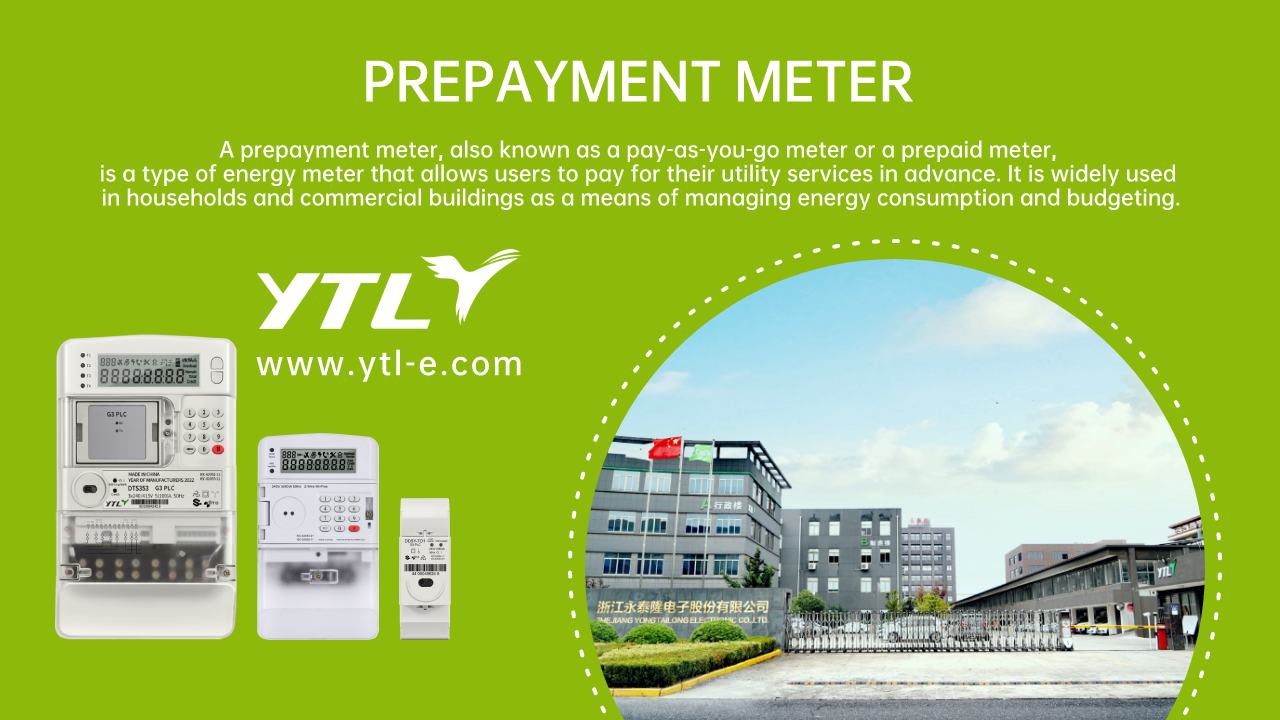
The certification of electric energy meters is a unified entity of legal compulsion, technical guarantee, and social value. It not only ensures the accuracy and reliability of measurement results, but also serves as the cornerstone for maintaining market fairness, promoting energy transformation, and protecting consumer rights. With the advancement of smart grids and carbon neutrality goals, the standards for metrological certification will become more stringent and the means more intelligent, providing solid support for the sustainable development of the global energy system.
one
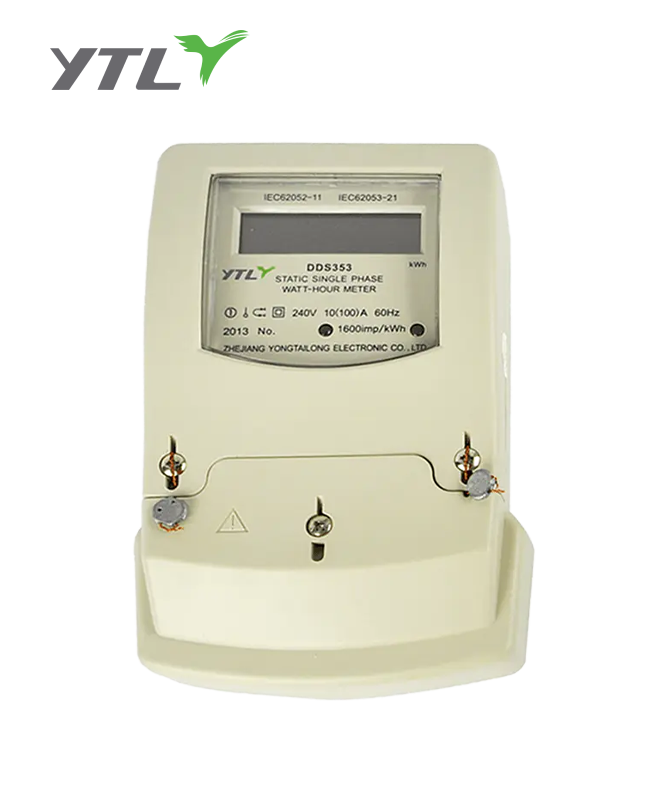
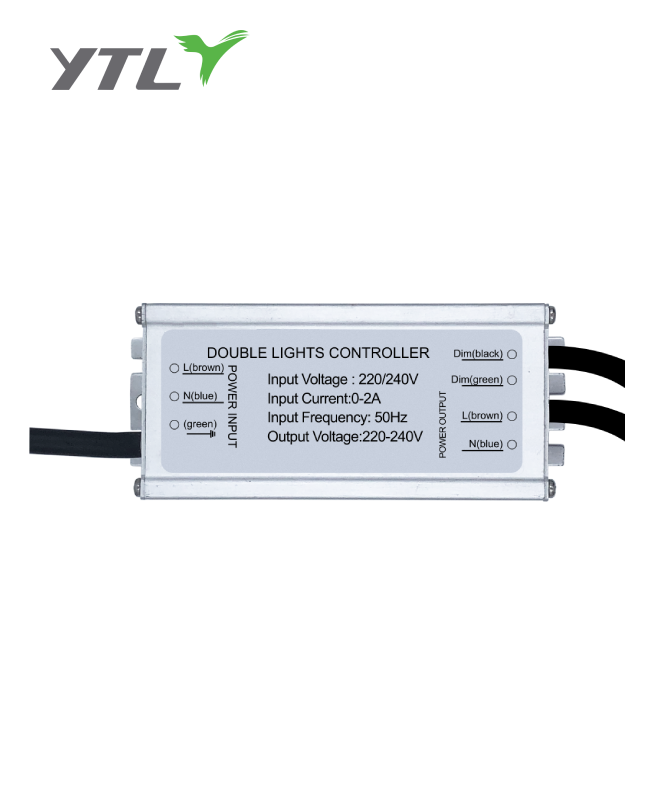
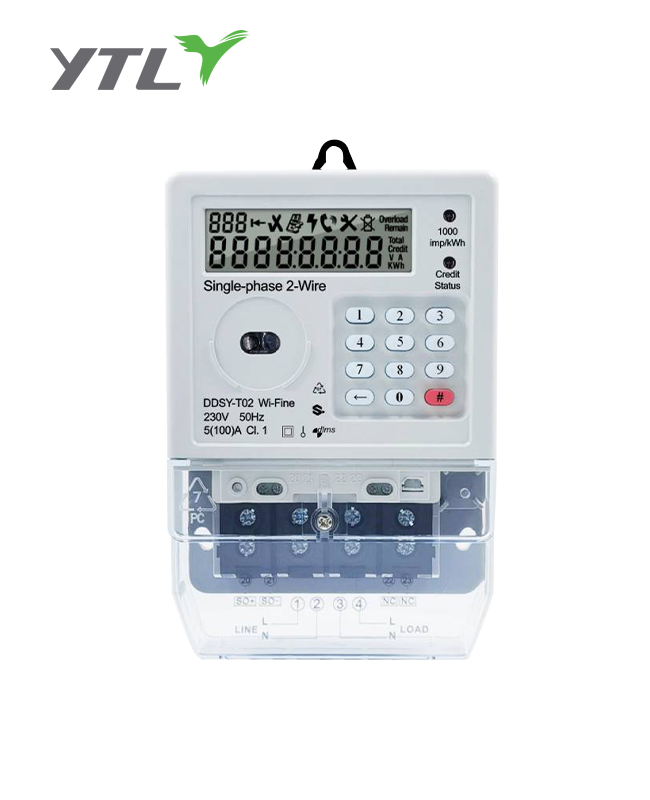
.png?imageView2/2/w/500/h/500/format/png/q/100 "YTL STS Prepaid Wi-Fine Energy Meter Single Phase Wall")
.png?imageView2/2/w/500/h/500/format/png/q/100 "YTL Two Phase Three Wire Big counter Electricity Meter")
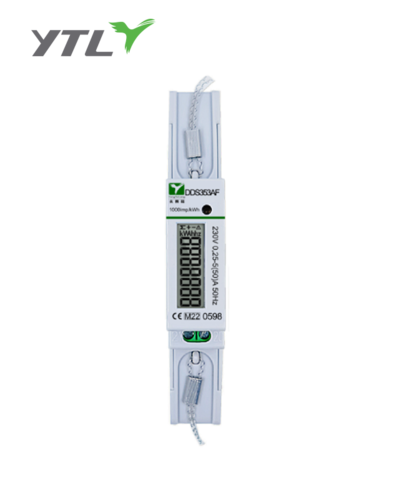
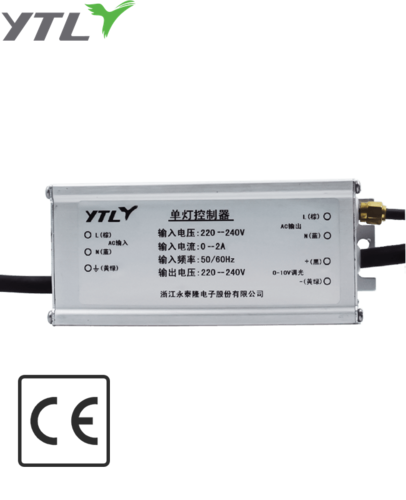
.png?imageView2/2/w/500/h/500/format/png/q/100 "YTL Single Phase Active Electronic Electricity Meter")