
 English
 简体中文
简体中文



In today's booming sharing economy, electricity consumption scenarios such as shared charging stations and shared kitchen equipment are becoming increasingly popular. A reliable, transparent, and easy-to-use shared energy meter has become the key to achieving refined management and user trust. Designing an shared energy meter requires comprehensive consideration from multiple dimensions such as hardware, software, user experience, business model, and safety compliance.
1、 Core design principles of shared energy meters: reliability, transparency, convenience, and safety
Reliability:
Environmental adaptability: The hardware design of shared energy meters must meet complex environmental requirements (such as outdoor environments of charging stations): wide temperature working range (-40 ° C~+85 ° C), high protection level (IP65/IP67 waterproof and dustproof), anti electromagnetic interference, and lightning surge protection.
High precision measurement: Shared energy meters require high-precision measurement chips to ensure that the accuracy of energy measurement meets national standards (usually requiring level 1 or higher accuracy), with good long-term stability and small errors.
Communication stability: Shared energy meters support multiple stable and reliable communication methods, such as 4G/5G, LoRaWAN, NB IoT and other IoT technologies, to ensure uninterrupted data transmission. Consider communication redundancy (such as primary 4G+backup Bluetooth near-field communication).
Long lifespan and low power consumption: Key components of shared energy meters are selected from industrial or automotive grade, and low-power solutions are designed (especially in standby mode) to extend equipment lifespan and reduce maintenance costs.
Transparency:
Real time data visualization: Users can clearly and in real-time view information such as electricity consumption (kWh), current power (kW), operating time, real-time electricity prices (such as time of use pricing), and cumulative costs through the app/mini program/shared energy meter screen.
Clear billing rules: Clearly display billing rules (unit price, service fee, whether there is a tiered electricity price, etc.) before user use, and the cost calculation process can be traced.
Data credibility: Shared energy meters use technological means (such as local data storage, blockchain certification - optional but not mandatory) to ensure the authenticity and immutability of metering and billing data, enhancing user trust. Generate detailed electronic bills for each transaction for users to query.
Convenience:
Minimalist operation: The user operation process is extremely simplified. Mainstream methods: Scan QR code (QR code/NFC) ->Automatically identify device/socket ->Select payment method ->Start using electricity ->End automatic settlement and deduction. No need for complex registration or pre payment (supports mainstream password free payments).
Security:
Electrical safety: Shared energy meters strictly comply with national electrical safety standards (such as GB standards, MID standards) and have functions such as overcurrent, overvoltage, short circuit, and leakage protection to ensure personal and equipment safety.
Data security: Communication link encryption (TLS/DTLS) for shared energy meters, device identity authentication, encrypted storage and transmission of sensitive data (such as user payment information), to prevent data leakage and hacker attacks.
Physical security: Shared energy meters should consider certain anti disassembly and anti damage designs (such as anti-theft screws and shell damage detection sensors), and be able to report to the platform when damaged.
2、 Design of Key Functional Modules for Shared Energy Meters
High precision measurement module: core. Responsible for accurately collecting voltage, current, calculating active/reactive energy, power factor, etc.
Main control and communication module (MCU+Comms):
MCU: Responsible for data processing, logic control, protocol encapsulation, and device management.
Communication interface: Wide area coverage (charging station), 4G/5G, NB IoT, LoRaWAN (gateway required).
Control module (relay/contactor): Based on cloud commands or local logic (such as insufficient balance) to control the current on and off. Choose devices with high reliability and large current capacity.
Human Machine Interaction Module (HMI):
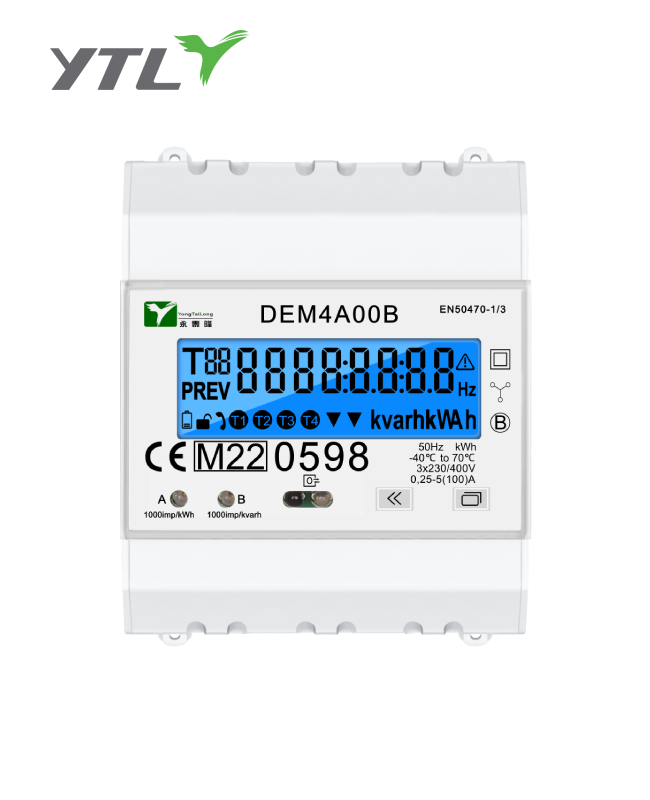
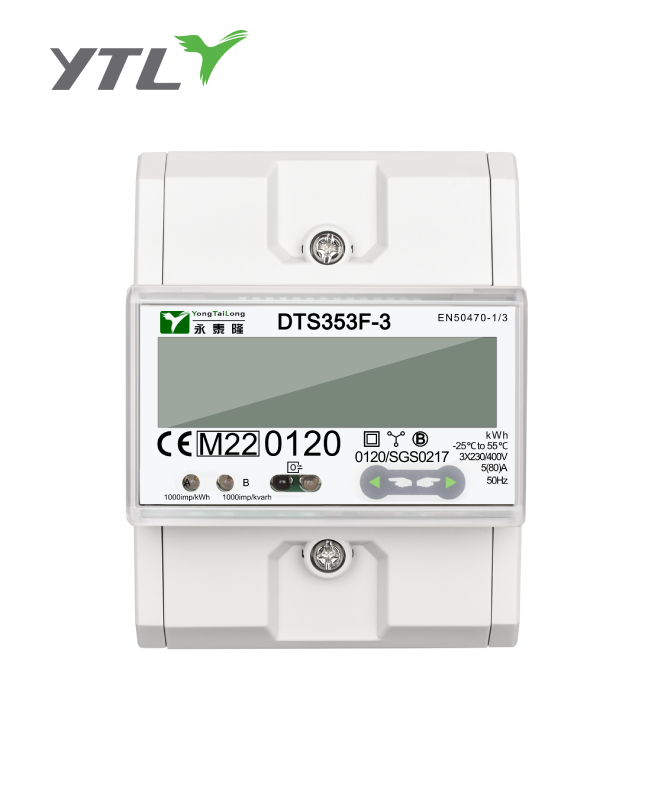
Display screen: segment code screen/LCD screen, displaying key information such as battery level, amount, status, QR code, etc.
QR code/NFC tag: The core entrance for users to scan/touch and activate.
Power module: Provides stable and reliable power supply (AC/DC conversion), with a wide voltage input range and anti-interference ability.
Sensor module (optional but recommended):
Local storage module: Cache measurement data and transaction records in case of communication interruption, and re transmit them after recovery to ensure data integrity.
3、 Compliance of shared energy meters
License for Measuring Instruments: Shared energy meters must obtain a Certificate of Approval for Measuring Instrument Types (CPA) issued by the State Administration for Market Regulation.
Communication network access permit: Equipment related to wireless communication in shared energy meters must pass the Model Approval Certification (SRRC).
Follow relevant national standards, such as GB/T 17215 series (electrical measuring equipment), GB 4943.1 (information technology equipment safety), etc.
Data privacy protection: Strictly abide by the Personal Information Protection Law and the Data Security Law, clearly inform users of the scope of data collection and use, and obtain authorization.
Designing an shared energy meter is not just about manufacturing a measuring device, but about building a service system that integrates precision hardware, stable communication, intelligent software, trusted data, and ultimate user experience. A successful shared energy meter is a balance between technological implementation and user experience, serving as a bridge between physical electrical devices and the digital service ecosystem. Only in this way can we truly empower the development of the sharing economy, making "shared electricity" as simple, reliable, and ubiquitous as QR code payments. Shared energy meters are not only meters of current, but also trusted scales that measure the depth of convenience and sincerity in every precise jump.