
 English
 简体中文
简体中文



Steady Growth in Tenders, Replacement Cycle to Extend to 2026
According to Sina Finance news on May 30, 2025, the winning results of the initial batch of State Grid’s 2025 metering equipment tenders have been announced, with a total winning amount of 7.5 billion yuan. Although this represents a 6.3% month-on-month decrease, the number of smart meters tendered still reached 32 million units. Industry forecasts suggest that metering equipment tenders will maintain 3 batches in 2025, with annual smart meter tender demand expected to remain around 90 million units (compared to 89.39 million units in 2024), indicating that the peak of this replacement cycle is likely to extend to 2026.
Demand in China’s smart meter market is mainly driven by stock replacement and upgrades. Looking back at historical cycles, the previous tender peak occurred in 2014-2015, with annual tender volume exceeding 90 million units. After the finalization of the new version of smart meters in 2020, tender volume gradually rebounded, and the market is currently at a new cycle high.
Prices Under Downward Pressure, Leading Enterprises Gain Market Share
In terms of price trends, competition in the meter market continues to intensify. The overall unit price in the initial batch of 2025 tenders decreased by approximately 9.6% month-on-month. Among subcategories, the winning prices of Class A single-phase remote-built-in meters, Class B three-phase remote-built-in meters, Class C three-phase non-fee-controlled meters, and Class D three-phase non-fee-controlled meters dropped by 8.5%, 9.1%, 12.6%, and 29.9% month-on-month respectively, reflecting dual pressures from industry cost control and technological iteration.
In terms of market structure, concentration remains relatively stable. In this batch of tenders, leading enterprises such as XJ Electric and Giant Electronics saw year-on-year increases in their market share. However, under the unified tender mechanism of the State Grid, the market remains fragmented, with 72 winning enterprises for smart meters in the initial batch, the same as in the third batch of 2024.
"Four Capabilities" Standard Takes Effect, Stimulating Demand for Module Upgrades and IoT Meters
In January 2025, the National Energy Administration issued theMeasures for the Administration of Distributed Photovoltaic Power Generation Development and Construction, which for the time adopted the "four capabilities" (observable, measurable, adjustable, and controllable) as mandatory grid-connection technical standards, requiring new projects to have capabilities such as accurate metering and dynamic regulation. This policy is driving the upgrading of smart meters towards "modularization and internet of things integration":
- Existing meters need to add modules for data collection and remote control to meet real-time monitoring requirements;
- Demand for IoT-enabled smart meters is growing rapidly, emerging as a key layout focus for enterprises.
Industry analysis points out that the equipment upgrade demand brought by the "four capabilities" standard is expected to create incremental investment space for meter enterprises. Meanwhile, current valuations of meter enterprises are at a low level, and their dividend payment performance has been good in recent years, offering certain investment appeal.
With the acceleration of new energy grid integration and the advancement of energy digital transformation, smart meters, as core terminals for energy metering and management, are evolving from "single metering tools" to "energy internet nodes." Technological iteration and market demand in the industry are expected to form a positive interaction.
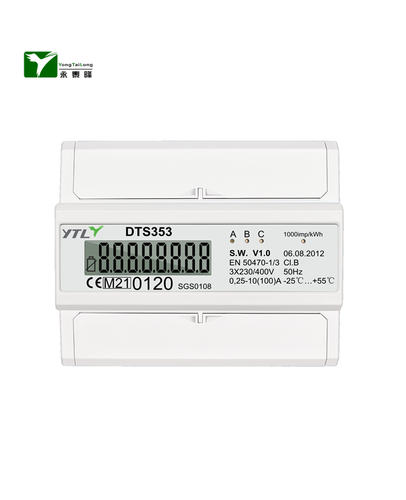
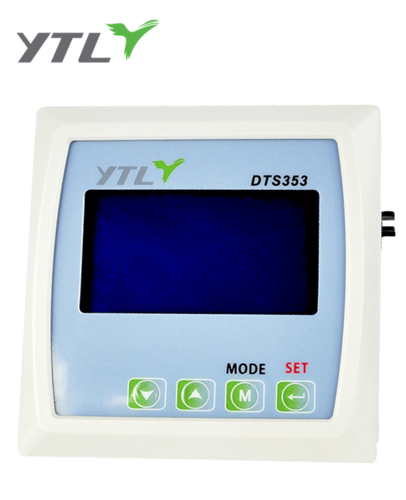
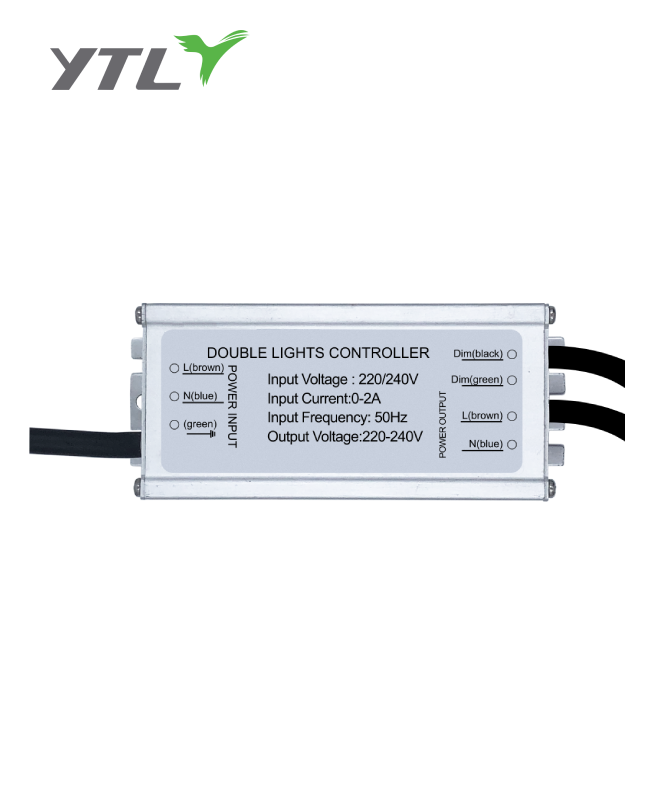
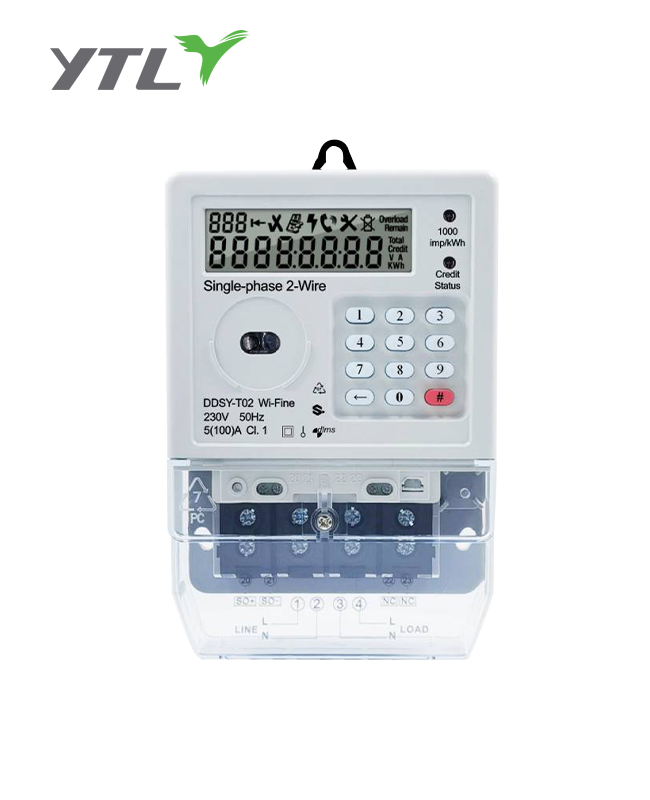
.png?imageView2/2/w/500/h/500/format/png/q/100 "YTL China Single Phase IC card Prepayment Electricity Meter")