
 English
 简体中文
简体中文



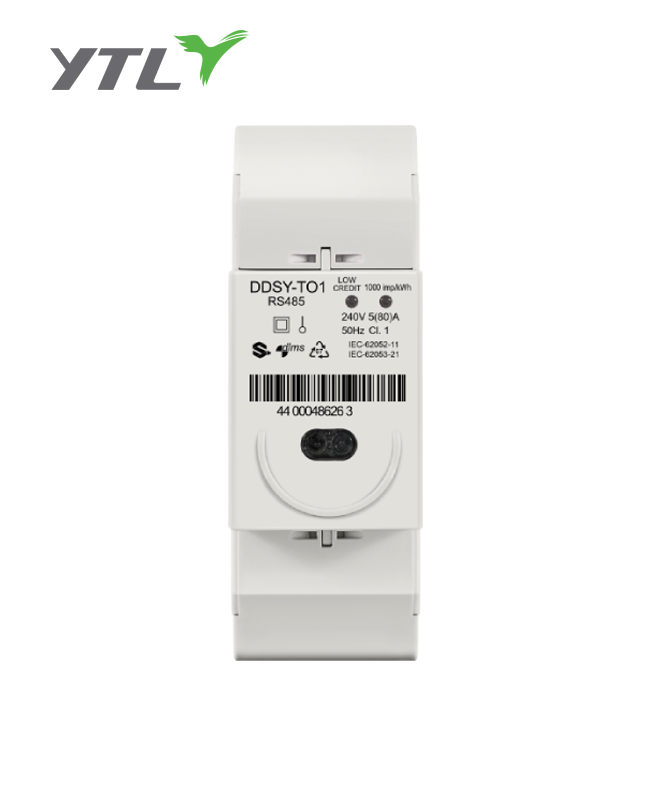
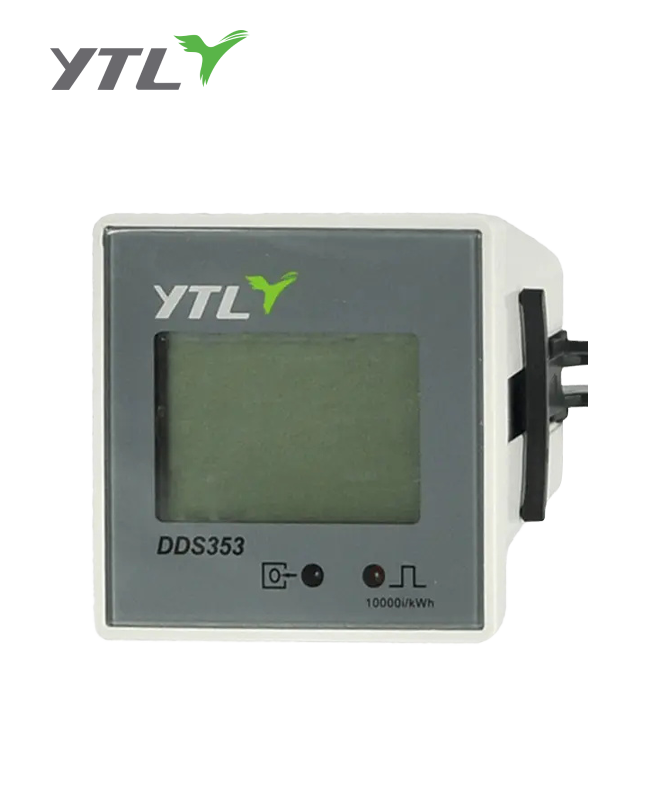
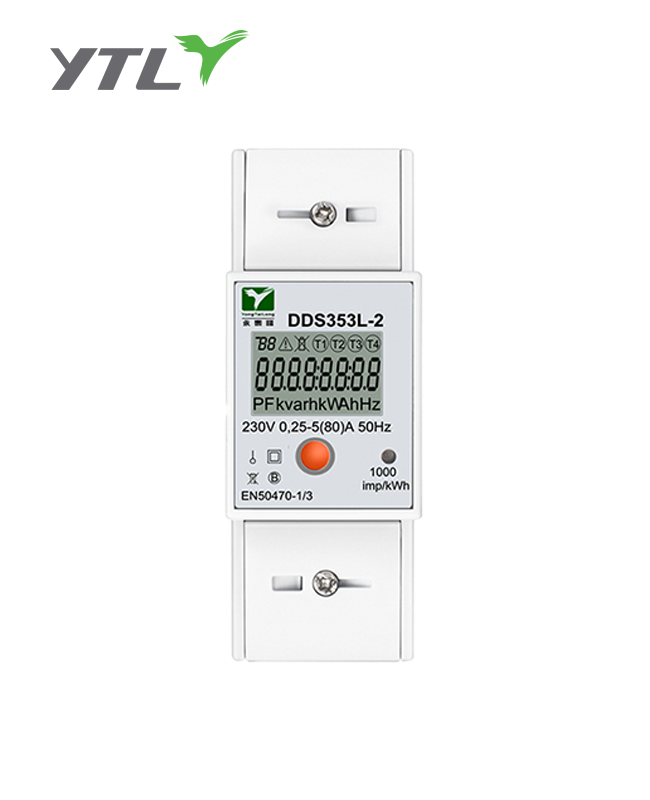
As an important form of renewable energy utilization, photovoltaic energy storage systems are changing the way energy is produced and consumed at an speed. In this process of transformation, high-speed smart meters have become indispensable key equipment in the system due to their data collection capabilities and precise measurement performance. High speed smart meters not only enable accurate measurement, but more importantly, provide crucial data support for system operation optimization, energy dispatch management, and equipment protection. Its deep application in photovoltaic power generation, energy storage charging and discharging, and power quality control is driving the development of photovoltaic energy storage systems towards a more intelligent, efficient, and reliable direction.
Accurate monitoring and analysis of photovoltaic power generation process
In the photovoltaic power generation process, high-speed smart meters play a crucial monitoring role. The high-speed smart meter installed on the DC side of the photovoltaic array can monitor the output voltage, current, and power parameters of each photovoltaic string in real time at sampling frequencies of seconds or even milliseconds. This high-frequency measurement capability can capture power fluctuations caused by cloud cover, temperature changes, or component performance degradation during photovoltaic power generation, providing accurate data basis for system operation status evaluation. Through long-term data recording and analysis, high-speed smart meters can help operation and maintenance personnel promptly detect issues such as abnormal photovoltaic modules, shading, or connection failures, ensuring that the photovoltaic system is always in the power generation state. At the same time, these precise power generation data are also an important basis for evaluating system performance and calculating investment returns, laying the foundation for the refined operation and management of photovoltaic power plants.
Comprehensive monitoring of the operational status of energy storage systems
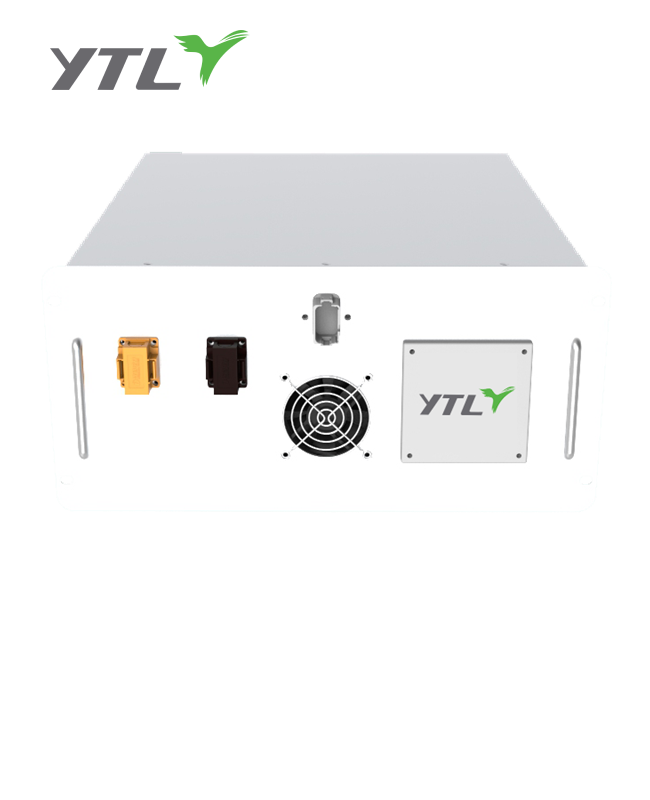
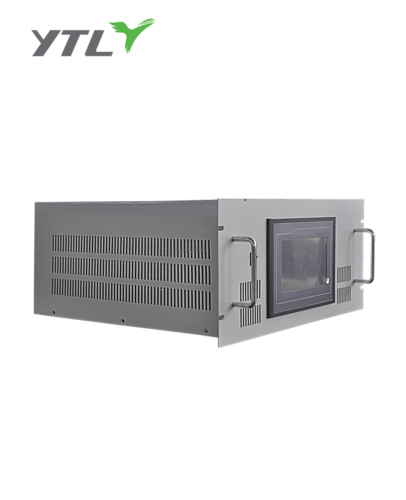
For energy storage systems, high-speed smart meters are an important guarantee for achieving safe and efficient operation. On the DC side of the battery energy storage system, a high-speed smart meter monitors the real-time charging and discharging voltage, current, and power of the battery, accurately recording the charging and discharging amount and energy conversion efficiency of the battery. These data are of great significance for evaluating battery health status and optimizing charging and discharging strategies. The high-precision measurement capability of high-speed smart meters can detect potential issues such as changes in battery internal resistance and loose connections, and issue timely warning information to avoid safety accidents. On the side of communication and grid connection, the high-speed smart meter monitoring system exchanges energy with the grid to ensure that the charging and discharging process meets the requirements of the grid. By analyzing the power quality parameters during the charging and discharging process, high-speed smart meters can also help optimize the operation control strategy of energy storage systems, extend battery life, and improve system economy.
Power Quality Monitoring and System Optimization Control
High speed smart meters have unique advantages in power quality monitoring, providing important guarantees for the stable operation of photovoltaic energy storage systems. Photovoltaic inverters and energy storage converters may generate power quality issues such as harmonics and voltage fluctuations during operation. High rate smart meters can monitor these parameter changes in real time, detect and record power quality abnormalities in a timely manner. By accurately recording events such as voltage dips, surges, and flicker, high-speed smart meters provide data support for system fault diagnosis and equipment protection. At the same time, the data collected by high-speed smart meters can be used to optimize system control strategies, such as automatically adjusting output power according to changes in grid frequency and participating in grid frequency regulation services; Provide reactive power support based on voltage fluctuations to improve the voltage quality of local power grids. The implementation of these advanced features relies on high-precision and high reliability measurement data provided by high-speed smart meters.
System integration and energy management support
High speed smart meters serve as data acquisition terminals, providing critical support for the integrated management of photovoltaic energy storage systems. Through standard communication protocols, high-speed smart meters upload various data collected to the energy management system, providing a data foundation for system operation monitoring, energy scheduling, and fault diagnosis. Based on these real-time data, the energy management system can develop operational strategies, such as automatically adjusting the charging and discharging plan of the energy storage system according to electricity price signals and load demands, the economic benefits of the system. At the same time, the data from high-speed smart meters also provides support for predictive maintenance. By analyzing historical data, it is possible to predict equipment performance degradation trends, arrange maintenance plans in advance, and reduce unexpected downtime losses. In microgrid applications, the data from high-speed smart meters is a key basis for achieving system islanding operation, load balancing, and energy optimization and allocation.
With the continuous development of photovoltaic energy storage technology, the application value of high-speed smart meters will be further highlighted. Its high-precision measurement capability, fast data acquisition speed, and rich communication functions make it a bridge connecting physical systems with the digital world. In the future, with the deepening application of technologies such as artificial intelligence and big data, high-speed smart meters will play a more important role in system optimization, fault prediction, energy trading, and provide solid technical support for building a clean, efficient, and intelligent energy system.

.jpg?imageView2/2/w/500/h/500/format/png/q/100 "YTL Company DTS353C DIN Rail 3P 4 Model Electricity Meter MID")
.png?imageView2/2/w/500/h/500/format/png/q/100 "YTL Two Phase Three Wire Big counter Electricity Meter")