
 English
 简体中文
简体中文



The development history of electric energy metering equipment can be regarded as a miniature industrial evolution history. Traditional electricity meter companies once focused on pure mechanical manufacturing, producing induction meters that rely on electromagnetic induction to drive the rotation of mechanical gears. Today's leading enterprises have completely transformed and embarked on a path of "smart manufacturing" driven by technological innovation. This transformation path is not simply a replacement of equipment, but a profound technological concept change that encompasses the comprehensive integration of precision electronic technology, communication technology, data technology, and intelligent manufacturing technology, redefining the role and value of electricity meters in the energy world.

From mechanical gears to chip algorithms: a fundamental leap in metrology technology
The step of technological innovation occurs in the core measurement process of the electricity meter. Traditional mechanical watches rely on the rotation of aluminum disks in a magnetic field to measure electrical energy, and their accuracy is easily affected by external environments, wear and aging, and installation angles. Modern electricity meter companies have completely solved these problems by adopting advanced electronic metering technology. Its core is to embed a highly integrated dedicated metering chip (SoC) inside the electricity meter, which can instantly sample the voltage and current signals in the power grid at extremely high frequencies, and then perform precise calculations through the built-in digital signal processing (DSP) algorithm. This technology can not only accurately measure active and reactive energy, but also simultaneously calculate dozens of power parameters such as voltage, current, power, power factor, frequency, etc. The accuracy level has been improved by orders of magnitude. More importantly, electronic metering endows meters with the ability to "perceive" a richer world of electricity, laying a solid data foundation for subsequent intelligent applications. This leap has transformed the electric meter from a simple measuring tool to a multifunctional terminal for sensing power parameters.

From isolated devices to network nodes: the interconnected revolution of communication technology
If precise measurement is the "brain" of smart meters, then communication technology is its indispensable "nerve bundle". The core of the "smart manufacturing" path of electric meter companies lies in endowing each meter with the ability to connect, transforming it from a dispersed isolated device into a key node in the vast energy Internet of Things. This change has driven the diversified development of communication technology. In order to meet the needs of different application scenarios, Modern Electric Meter Company has developed and integrated various communication solutions, including wireless network-based public network NB IoT, 4G/5G technology, to achieve wide area deep coverage; Using a wired RS-485 bus to provide stable and reliable local communication; Utilize the PLC carrier communication of existing power lines to avoid the hassle of rewiring; And build flexible indoor networks using technologies such as low-power wireless, LoRa, and Zigbee for local area networks. Through these technologies, electricity meter data can be transmitted in real-time, bidirectionally, and securely to the data platform, achieving advanced functions such as remote meter reading, cost control management, fault monitoring, and software upgrades, completely reconstructing the interaction mode between power operators and users.
From Data Recording to Intelligent Insight: The Value Sublimation of Data Analysis
Manufacturing produces hardware products, while intelligent manufacturing creates data value. When millions of smart meters are connected to the network and continuously transmit massive amounts of data, the technological innovation of meter companies enters a deeper level - shifting from providing devices to providing data-driven insights and services. Advanced meter companies are no longer just selling hardware, but are committed to developing powerful software platforms and data analysis algorithms. These platforms can deeply mine and analyze the collected electricity consumption data, generate refined load curves, identify electricity anomalies, diagnose and predict energy consumption, and even analyze users' electricity consumption behavior patterns. For power companies, these insights can help achieve optimized operation of the distribution network, demand side response, and electricity theft analysis; For industrial, commercial, and household users, clear energy-saving recommendations and energy management plans can be provided. At this point, the role of the electric meter has evolved from a passive recorder to an active "energy consultant", and data has become a new fuel driving energy efficiency improvement.

Looking at the technological innovation path of electric meter companies, it is a comprehensive upgrade from hardware to software, from isolation to interconnection, and from data to intelligence. It marks that this traditional industry has completely broken free from the limitations of single manufacturing and evolved into a field of technological innovation that integrates cutting-edge electronic technology, network communication, data science, and advanced manufacturing technology. Future electricity meter companies will continue to provide core support for building a safer, more efficient, and green digital energy ecosystem through their "smart manufacturing" capabilities.
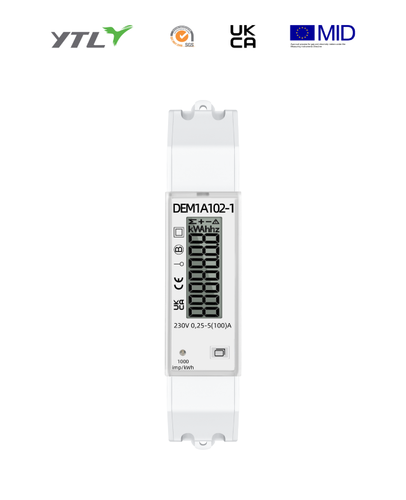
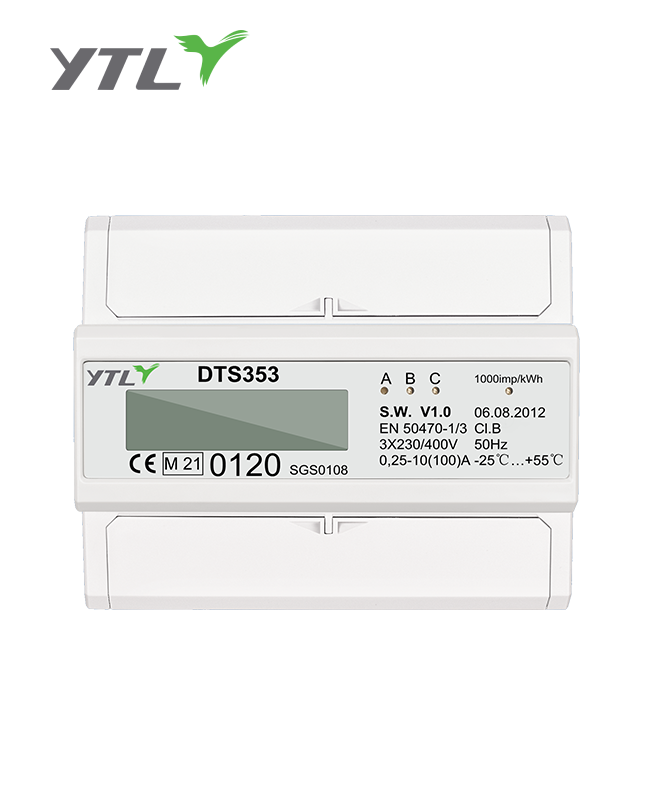
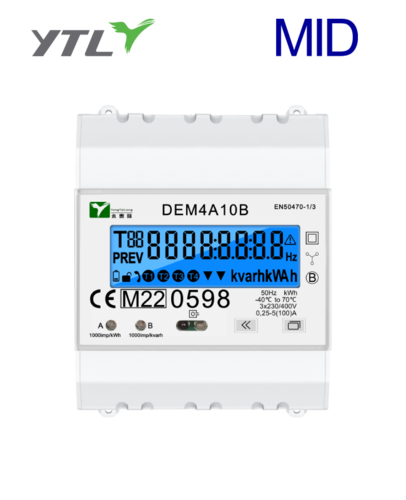
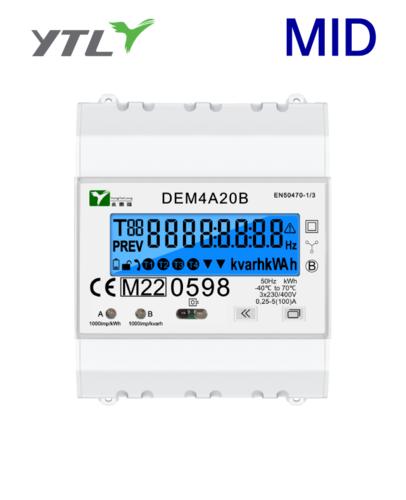
.jpg?imageView2/2/w/500/h/500/format/png/q/100 "YTL Company DTS353C DIN Rail 3P 4 Model Electricity Meter MID")
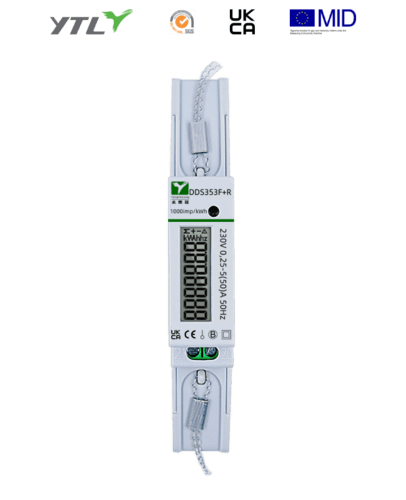
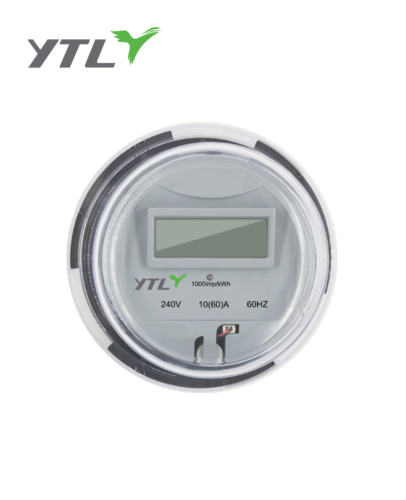
.png?imageView2/2/w/500/h/500/format/png/q/100 "YTL Single Phase Active Electronic Electricity Meter")