
 English
 简体中文
简体中文



As a key device for recording household and enterprise electricity consumption, the accuracy and stability of the energy meter directly affect the fairness and safety of electricity measurement. Many people may be curious whether an energy meter needs to be replaced only when it is damaged? In fact, there is a reasonable replacement cycle for electric energy meters, which takes into account both the service life of the equipment and the needs of technological progress and safety assurance. Understanding the replacement cycle of energy meters can help users better cooperate with the power department and ensure the accuracy and reliability of electricity metering.
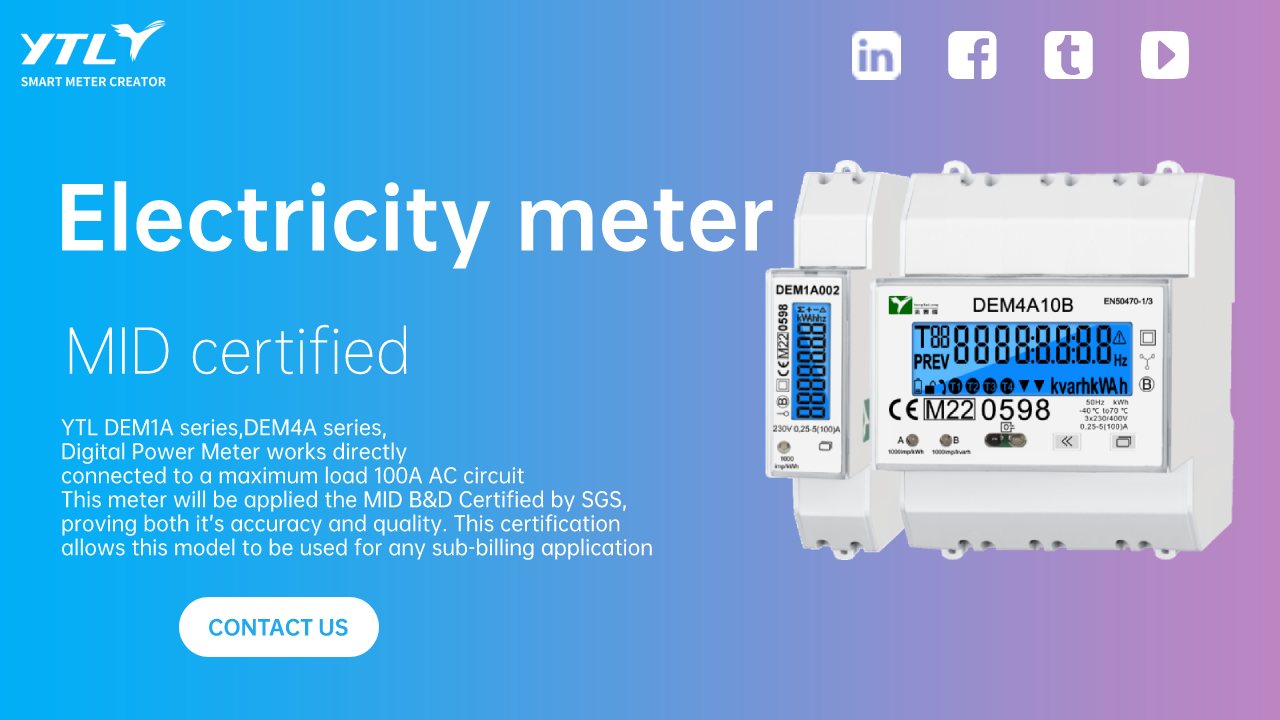
Standard replacement cycle for different types of electric energy meters
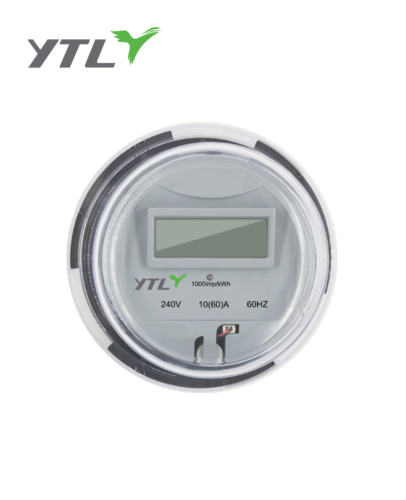
The replacement cycle of an electric energy meter is not uniform, but varies depending on its type and usage scenario. Early mechanical induction energy meters had relatively short replacement cycles due to the presence of mechanical components such as gears and turntables, which could lead to a decrease in measurement accuracy due to wear and tear after long-term use. Generally speaking, the replacement cycle for such mechanical energy meters is around 6 to 10 years, and the specific time will be adjusted according to the stability of the usage environment and the quality of the equipment.
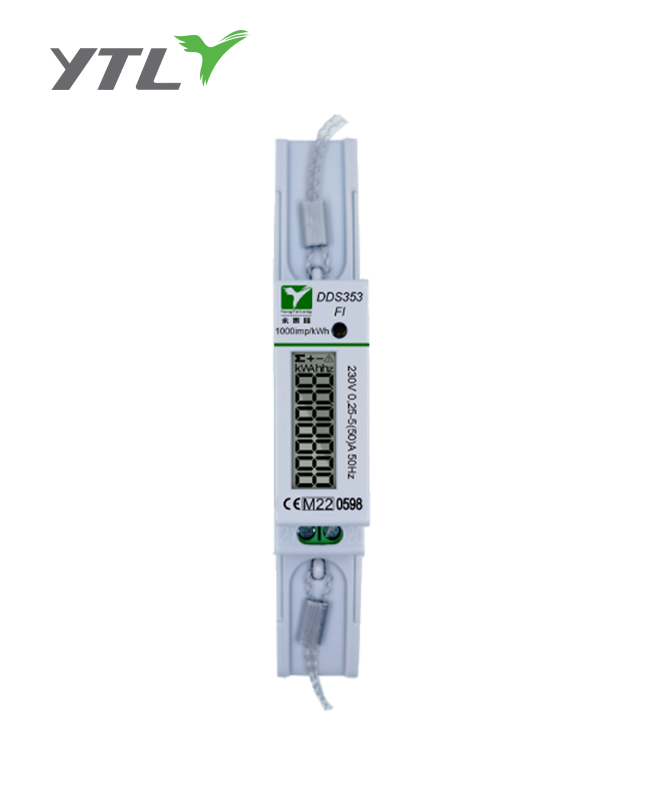
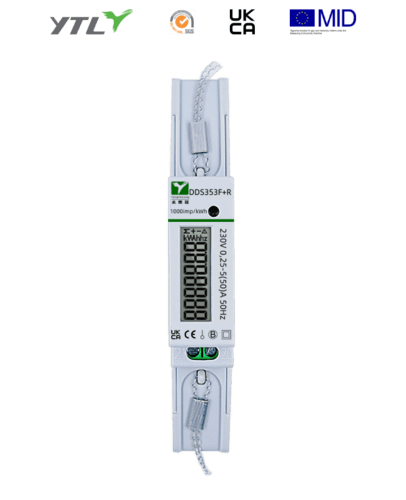
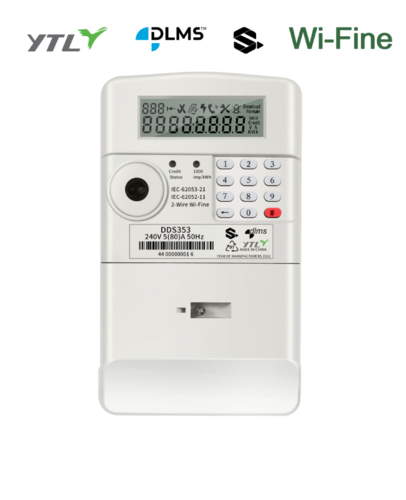
With the development of technology, smart energy meters have gradually replaced traditional mechanical meters and become mainstream. Smart energy meters use electronic components for measurement, reducing the impact of mechanical wear and tear, and have a relatively longer service life. Normally, the replacement cycle for smart energy meters is between 8 and 12 years. The setting of this cycle takes into account the aging speed of electronic components, the stability of performance after long-term use, and the pace of technological updates, ensuring measurement accuracy while allowing users to enjoy the convenience brought by technological progress.
Factors affecting the replacement cycle of electric energy meters
In addition to type differences, there are also some factors that can affect the actual replacement time of the energy meter. Firstly, the usage environment. If the electric energy meter is installed in an environment with high temperature, humidity, high dust, or strong electromagnetic interference, the aging rate of its internal components will accelerate and may need to be replaced in advance. On the contrary, an electric energy meter installed in a dry, ventilated, and temperature suitable environment can often be closer to its theoretical service life.
Next is the daily maintenance situation. Although electric energy meters usually do not require complex maintenance by users, keeping the surrounding environment clean, avoiding external collisions or unauthorized disassembly can effectively extend their normal working time. If the electric energy meter is physically damaged or artificially modified, it needs to be replaced in a timely manner to ensure accurate measurement, even if it has not reached the specified period.
In addition, the update of power technology is also an important factor in promoting the replacement of energy meters. With the construction of smart grids, old energy meters may not be able to support new functions such as remote meter reading and real-time transmission of electricity data. In order to achieve more efficient electricity management, the power department will gradually replace these energy meters that are not suitable for new technologies, allowing users to enjoy more convenient electricity services.
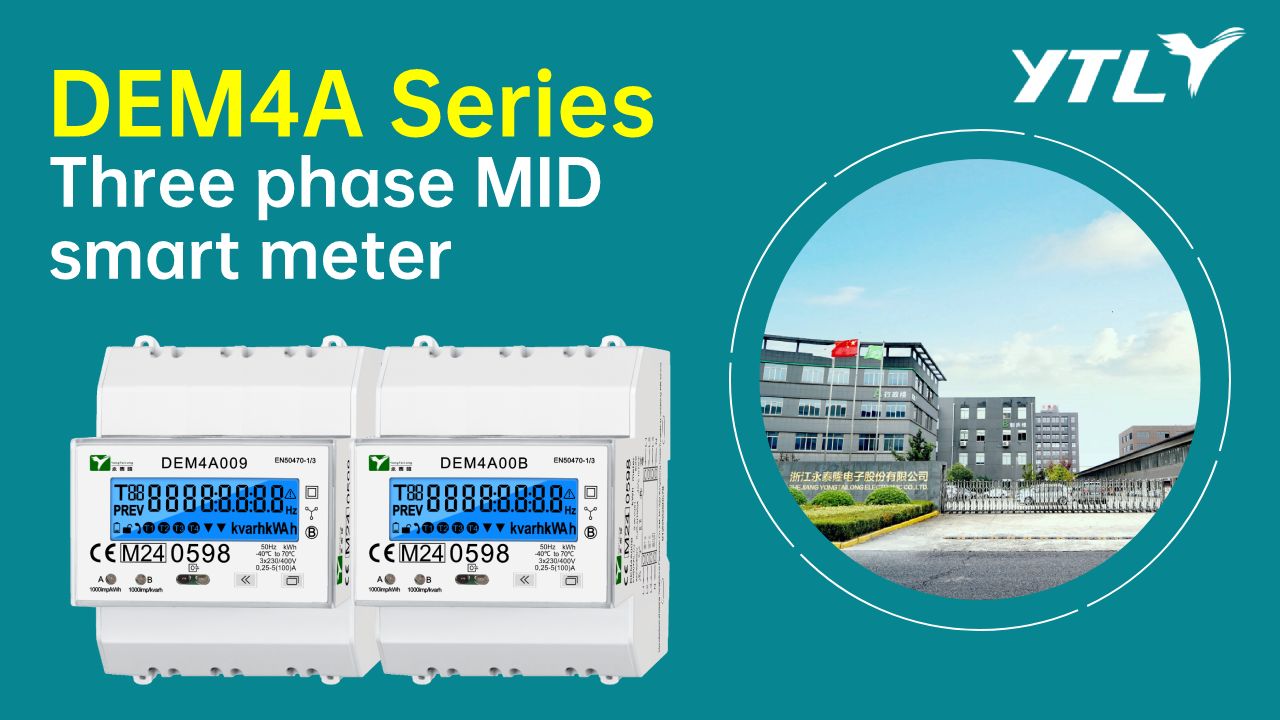
Signal for replacing the electric energy meter
Although there is a clear replacement cycle, in actual use, the energy meter may show signals that need to be replaced in advance. Users can pay attention to these signs and contact the power department in a timely manner for handling. The common signal is abnormal measurement, such as sudden and significant fluctuations in electricity consumption, and excluding changes in electrical usage, this may be due to inaccurate measurement caused by internal component failures in the energy meter, requiring professional personnel to detect and consider replacement.
Secondly, there are abnormalities in the appearance or operating status of the equipment, such as damage to the outer shell of the energy meter, blurry digits on the dial, flashing or black screen on the display screen, and abnormal noises during operation. These situations not only affect the accuracy of measurement, but may also pose safety hazards, and replacement should be applied for as soon as possible.
In addition, when the power sector upgrades the power grid or renovates regional electricity usage, a batch of energy meters may be replaced uniformly to adapt to the new power grid system. In this case, even if the energy meter is still in normal use, it will be replaced according to the plan to ensure the coordinated operation of the entire power grid system.
The benefits of regularly replacing the energy meter
Regular replacement of energy meters has many benefits for both users and the power system. For users, the new energy meter has higher measurement accuracy, which can avoid electricity disputes caused by errors in the old meter and ensure the fairness of electricity costs. At the same time, new energy meters often have more intelligent functions, such as real-time display of electricity consumption, support for online payment, etc., to enhance users' electricity experience.
For the power system, regularly replacing energy meters can help improve the management efficiency of the power grid. The remote meter reading function of the new meter reduces the cost and error of manual meter reading, and real-time data transmission enables the power department to more accurately grasp the electricity load, optimize power grid scheduling, and ensure the stability of power supply. In addition, phasing out old energy meters can reduce the risk of power outages caused by equipment failures and enhance the safety of the entire power system.
The replacement cycle of electric energy meters is a scientific standard formulated after considering equipment performance, usage environment, and technological development. Mechanical meters are usually 6 to 10 years, and smart meters are 8 to 12 years. However, the actual replacement time may be adjusted due to environmental factors, equipment status, or power grid upgrades. If users discover abnormal measurement or equipment damage during use, they should promptly contact the power department for handling. Regularly replacing the energy meter not only ensures accurate measurement, but also improves electrical safety and convenience, which is an important link in ensuring the efficient operation of the power system.
.jpg?imageView2/2/w/500/h/500/format/png/q/100 "YTL Company DTS353C DIN Rail 3P 4 Model Electricity Meter MID")
.png?imageView2/2/w/500/h/500/format/png/q/100 "YTL China Single Phase IC card Prepayment Electricity Meter")