
 English
 简体中文
简体中文



The energy management of long-term rental apartments has long faced two core challenges: tenant electricity disputes and high operating costs. Under the traditional postpaid model, manual meter reading is inefficient, tenant arrears collection is time-consuming and labor-intensive, and the lack of transparency in the allocation of electricity in public areas often leads to conflicts. The introduction of prepaid electricity meters, through a closed-loop management model of "pay first, use later", not only reconstructs the electricity fee recovery logic of apartment owners, but also becomes a key infrastructure for improving operational efficiency and tenant satisfaction through data transparency and intelligent control. Its technological value and implementation logic revolve around three dimensions: precision metering of household prepaid electricity meters, automation of management processes, and optimization of energy consumption behavior.
1、 Technical architecture and core functions
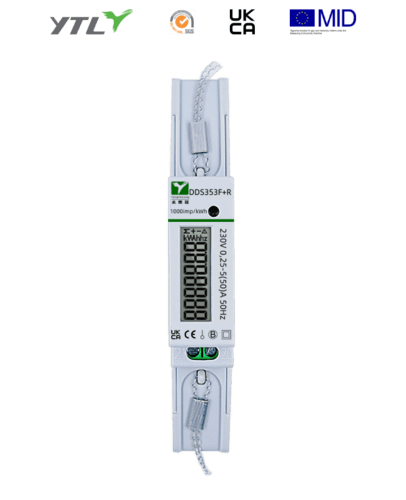
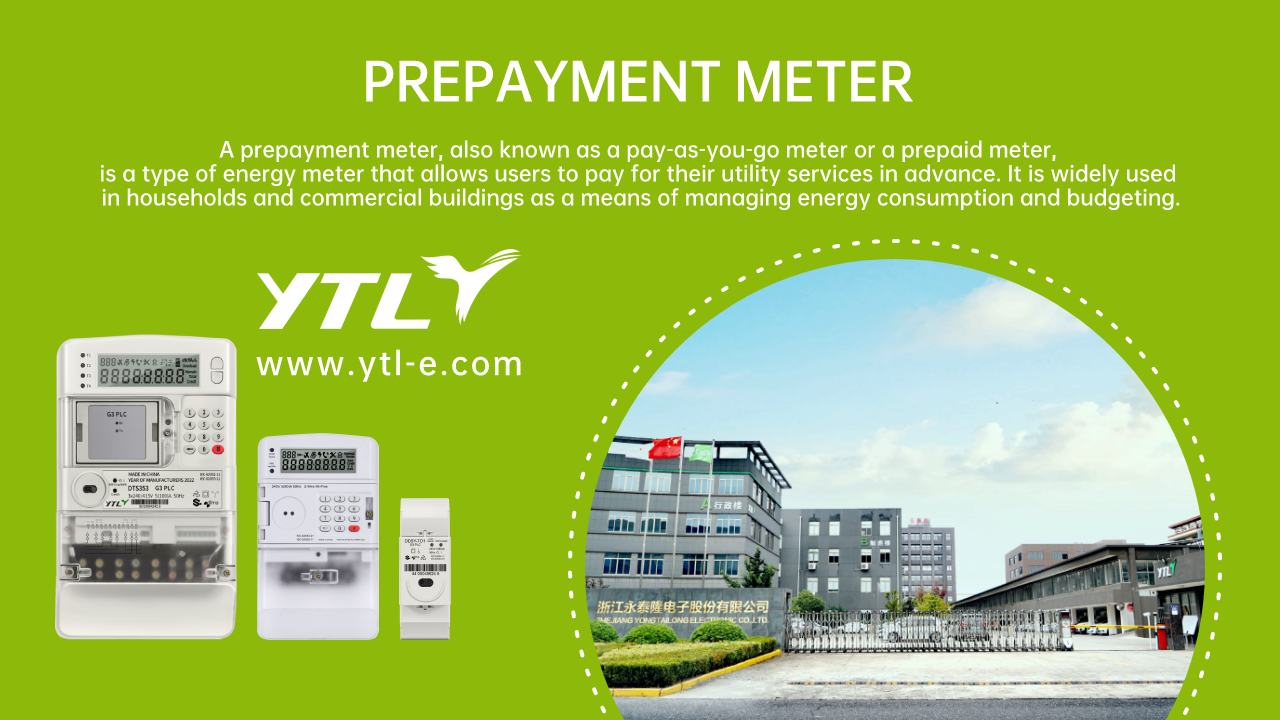
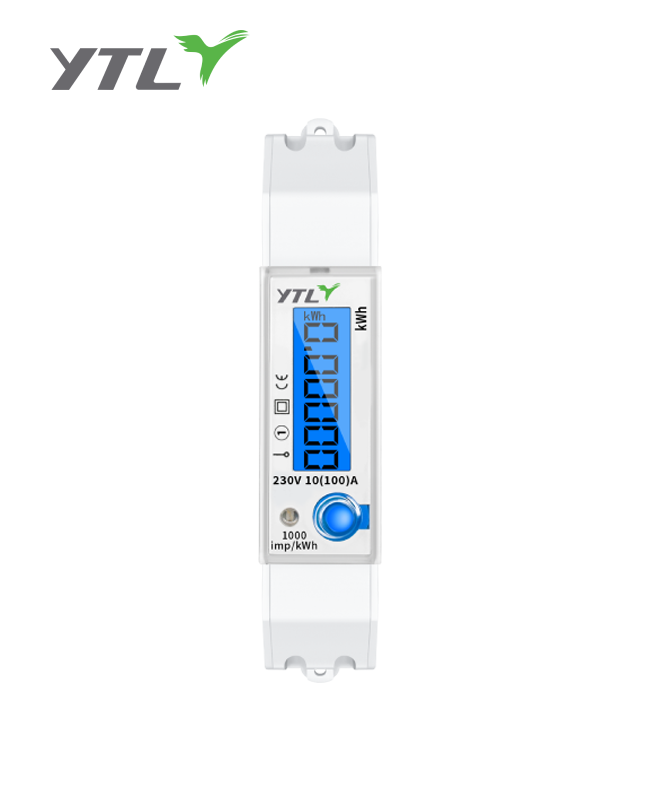
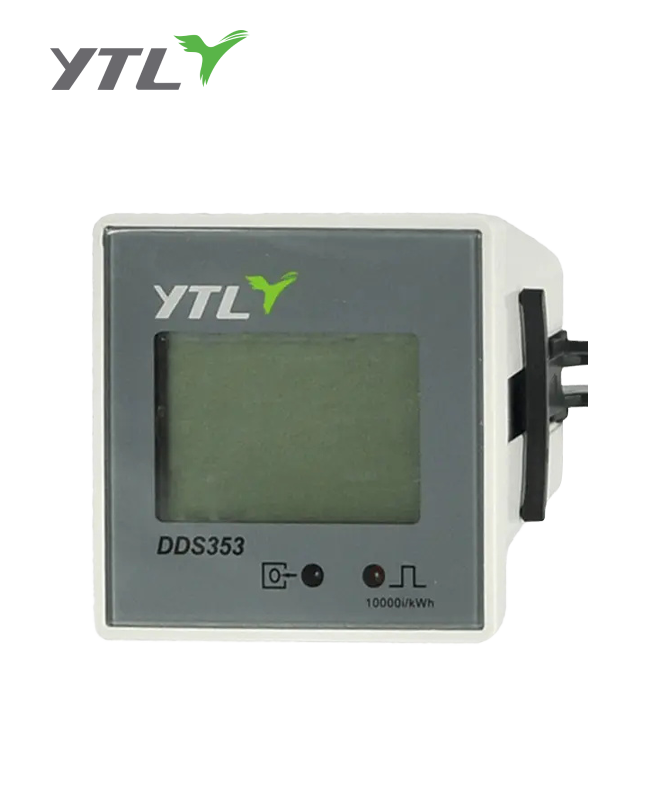
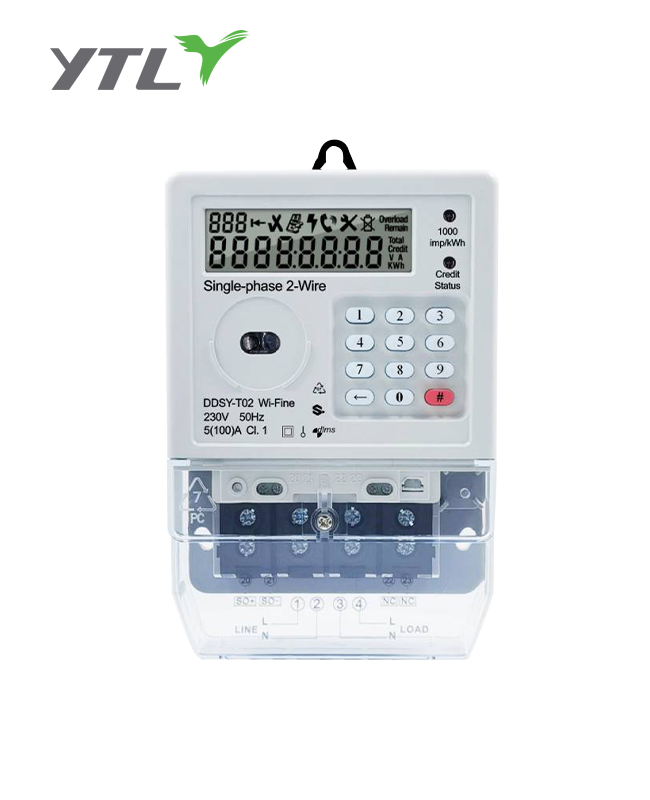
The technical core of the prepaid electricity meter system consists of hardware terminals, communication networks, and management platforms. At the hardware level, single-phase prepaid electricity meters need to support independent metering for each household, with a measurement accuracy of level 1 (IEC 62053-21 standard), and integrate magnetic holding relays to achieve remote power interruption and restoration control. The communication module adopts NB IoT or LoRaWAN wireless technology to ensure stable data transmission in complex structures of apartment buildings, and can still complete recharge operations through local Bluetooth or IC cards when the network is disconnected. The management platform provides functions such as multi tenant account management, expense settlement, and energy consumption analysis, and supports API docking with the apartment management system (PMS) to achieve real-time synchronization of lease status and prepaid electricity meter usage permissions.
The core functional design of prepaid electricity meters needs to be targeted to address pain points in long-term rental scenarios:
Dynamic credit management: Set an initial credit limit for prepaid electricity meters for new tenants to avoid having no electricity available on the day of check-in;
Balance warning and graded power outage: When the balance of the prepaid electricity meter account is below the threshold, reminders will be sent through SMS and APP, and the load power will be limited in stages after the arrears;
Intelligent allocation of public energy consumption: Public electricity is allocated to prepaid electricity meters of each household according to rules, and the data can be checked in real time;
Multi payment channel integration: supports direct connection of mobile payments to prepaid electricity meter accounts, reducing payment thresholds.
2、 Path to improving operational efficiency
The deployment of prepaid electricity meters significantly optimizes the apartment management process. In the traditional mode, meter readers need to record data household by household every month, with a manual error rate of about 3% -5%. After the launch of the prepaid electricity meter system, the automatic data collection and bill generation will reduce manual intervention by more than 90%, and the arrears rate will decrease from the industry average of 8% -12% to within 2%. More importantly, the linkage between prepaid electricity meter data and door lock systems can identify abnormal electricity usage behavior (such as group rental private connections). For example, a certain apartment analyzed the prepaid electricity meter curve and found that a certain household had sustained high loads at night. Combined with access control records, it was found that there was a violation of subletting.
For tenants, the prepaid meter model grants them autonomy in their electricity usage. Real time query of prepaid meter readings, historical bills, and allocation details through the mobile app, and independent selection of recharge amounts. The system can also provide energy-saving suggestions based on prepaid electricity meter data, such as comparing the average electricity consumption level of the same unit to help tenants reduce energy consumption costs. This transparent design increases tenant satisfaction with the prepaid electricity meter system by over 40%.
3、 Technological Deepening and Future Evolution
The capability boundary of the current prepaid electricity meter system is being further expanded:
Energy space integration: Pre paid electricity meter data is linked with smart door locks, and when the room has been using electricity for several consecutive days, it automatically notifies operation and maintenance personnel to check for vacancy;
Dynamic electricity price response: In the pilot area of the electricity market, the prepaid meter platform adjusts the public area electricity consumption strategy based on real-time electricity prices;
Carbon footprint tracking: Connect to grid carbon intensity data to generate monthly carbon emission reports for each prepaid meter.
In the future, prepaid electricity meters for apartments will be deeply coupled with virtual power plants (VPPs). The photovoltaic system and energy storage equipment of buildings can be aggregated into distributed resources through prepaid meter systems to participate in grid demand response. Tenants who actively reduce their electricity load during peak electricity price periods can receive point rewards through prepaid meter accounts.
4、 Implementation considerations and long-term value
The core considerations for deploying a prepaid electricity meter system include:
Hardware selection: Old apartments need to be compatible with existing lines, and new apartments should be pre installed with intelligent prepaid electricity meters with HPLC communication;
System compatibility: The management platform needs to support multi brand prepaid meter access;
Compliance and Privacy: Encrypt and store prepaid meter information in accordance with data regulations.
The initial investment covers prepaid meter hardware and software platforms, which can usually be recovered within 12-24 months through cost savings in management. Long term accumulation of prepaid electricity meter data can empower precise marketing (such as promoting energy-saving packages to high energy consuming tenants), and even become a strategic asset for apartment operators to enter energy services.
conclusion
The implementation of prepaid electricity meters in long-term rental apartments goes far beyond improving the efficiency of electricity collection. When electricity usage is accurately measured and analyzed by prepaid meters, operators can focus on service upgrades; Tenants obtain energy autonomy through a prepaid electricity meter app. The continuous evolution of this technology is redefining the energy management paradigm of the long-term rental industry.
.png?imageView2/2/w/500/h/500/format/png/q/100 "YTL Single Phase Active Electronic Electricity Meter")