
 English
 简体中文
简体中文



1. Introduction to Smart Meters
What are smart meters?
Smart meters are advanced electronic devices that digitally measure and record a home's or business's electricity, gas, or water consumption. Unlike traditional analog meters that require a utility worker to manually read the dial, a smart meter uses two-way communication to automatically and securely send consumption data to the utility company. This technology is a key component of the Advanced Metering Infrastructure (AMI), which provides a foundation for building a smarter, more efficient energy grid.
Brief history and evolution from traditional meters
The journey of metering technology has evolved significantly over more than a century.
- Electromechanical Meters: For over a hundred years, traditional meters were the standard. These devices used a spinning metal disc and a series of gears and dials to measure energy use. They were durable but offered no real-time data, requiring a person to visit the location each month to get a reading.
- Electronic Meters: Starting in the late 20th century, electronic meters began to appear. These meters used microprocessors to measure and display energy consumption on a digital screen, improving accuracy and making them easier to read. However, they still largely required manual reading.
- Smart Meters: The real revolution came with the integration of communication technology. The development of a digital monitoring system by Ted Paraskevakos in the 1970s was a significant step toward modern smart meters. These devices, which became widespread in the early 21st century, combine the accurate digital measurement of electronic meters with wireless communication capabilities, transforming a one-way street of energy delivery into a dynamic, two-way exchange of information.
Why the shift to smart meters?
The move from traditional to smart meters is driven by a desire for greater efficiency, transparency, and control for both consumers and utilities. The key reasons for this transition are:
- Real-time Data and Informed Decisions: Smart meters provide consumers with detailed, real-time insights into their energy usage. This empowers them to make conscious decisions about their consumption habits, potentially leading to significant cost savings.
- Improved Utility Operations: For utility companies, smart meters eliminate the need for manual meter readings, reducing operational costs and human error. They also enable faster outage detection and restoration, and improve grid management by providing a clear picture of energy demand in real time.
- Enabling the Smart Grid: Smart meters are a foundational element of the smart grid, a modernized electrical grid that uses digital technology to enhance reliability, efficiency, and sustainability. They facilitate the integration of renewable energy sources and support demand response programs, which encourage consumers to reduce energy use during peak hours.
To illustrate the stark differences, here's a quick comparison:
| Feature | Traditional Meter | Smart Meter |
|---|---|---|
| Data Collection | Manual reading by a utility worker | Automatic, remote transmission |
| Data Frequency | Monthly | Hourly, or even in 15-minute intervals |
| Billing | Based on manual readings or estimates | Based on actual, up-to-the-minute usage |
| Outage Detection | Dependent on customer reports | Automatic, real-time alerts to the utility |
| Consumer Insights | Limited to monthly totals | Detailed, real-time usage data |
2. How Smart Meters Work: The Technical Details
Components of a smart meter
A modern smart meter is a sophisticated piece of technology, containing several key components that work together to measure and transmit energy data. The main parts of a smart meter include:
- Metering Chip: This is the "brain" of the device. It's an integrated circuit that precisely measures electricity, gas, or water consumption.
- Microcontroller/Processor: This component processes the data from the metering chip, manages communication, and stores data.
- Communication Module: This module is responsible for sending and receiving data. It contains the necessary hardware for a specific communication technology, such as cellular or radio frequency.
- On-board Memory: This stores consumption data, so if communication is temporarily lost, no data is missed. It also logs events like power outages or tampering attempts.
- Display Screen: A digital screen shows real-time consumption data, error codes, and other useful information to the consumer.
Energy Measurement: How smart meters accurately measure electricity, gas, or water consumption.
Smart meters measure energy consumption with high precision. While traditional meters used a mechanical disc, smart meters use solid-state electronics. For electricity, they measure the voltage and current multiple times per second and use this data to calculate kilowatt-hours (kWh) consumed. This process is fully automated and much more accurate than the old electromechanical method. Similarly, smart meters for gas and water use ultrasonic or other advanced sensors to accurately measure flow, providing highly detailed usage data that was previously unavailable.
Communication Technology:
- Explanation of various communication technologies used (e.g., Zigbee, Wi-Fi, cellular)
Smart meters rely on various communication technologies to transmit data to the utility company and, in some cases, to devices within the home. The choice of technology depends on factors like range, data requirements, and cost.
-
Cellular (3G/4G/5G): This is a very common technology for smart meters, especially in areas with good cell coverage. It's reliable and secure, and it doesn't require a new communication network to be built, as it uses the existing cellular infrastructure.
-
RF Mesh Networks (e.g., Zigbee): In these networks, each smart meter acts as a node, and data hops from one meter to the next until it reaches a central hub or data collector. This is a cost-effective solution for dense urban areas because it creates a robust, self-healing network.
-
Power Line Communication (PLC): This technology sends data over the existing power lines. It's a convenient option for some utilities since it doesn't require separate communication lines, but it can be affected by line noise.
-
Wi-Fi: While less common for the utility-to-meter connection due to range and security concerns, Wi-Fi is often used for communication within the home, allowing smart meters to connect with a consumer's in-home display (IHD) or smart appliances.
-
How data is transmitted to utilities
The process of data transmission is a multi-step, automated process.
- Measurement: The smart meter's internal components continuously measure energy usage.
- Data Logging: This data is time-stamped and logged in the meter's on-board memory at regular intervals (e.g., every 15 minutes or every hour).
- Transmission: The communication module in the smart meter periodically sends the logged data to a utility data concentrator. This can happen over a cellular network, a mesh network, or another designated communication channel.
- Collection and Processing: The data concentrator collects data from thousands of meters and sends it to the utility's central data management system, also known as the Advanced Metering Infrastructure (AMI) head-end system.
- Usage Insights: The utility processes this data for billing, grid management, and to provide detailed usage reports to consumers via online portals or mobile apps.
This automated process eliminates the need for manual readings and provides a continuous flow of data that is crucial for a modern energy grid.
Data Storage: On-board memory and data logging
Smart meters are designed with built-in memory to ensure data integrity. They store usage information on a schedule, creating a detailed log of a customer's consumption patterns. This on-board storage is a critical backup; if the communication network is down, the meter can continue to measure and store data for several months. Once the connection is re-established, the stored data is automatically uploaded to the utility. This feature ensures that no usage information is ever lost, guaranteeing accurate billing even during communication outages.
3. Benefits of Smart Meters
Smart meters are more than just a replacement for old technology; they are a gateway to a more efficient, cost-effective, and sustainable energy ecosystem. The advantages extend to everyone involved—from the individual consumer to the utility company and the environment as a whole.
For Consumers:
Smart meters empower consumers with unprecedented control and insight into their energy use.
- Real-time energy monitoring and usage insights: With a smart meter and an accompanying in-home display or mobile app, you can see exactly how much energy you're using in real time. This visibility allows you to identify which appliances are consuming the most power and at what times of day.
- Potential for cost savings through informed consumption: By understanding your usage patterns, you can make smarter decisions to reduce consumption. For example, you might decide to run the dishwasher late at night or adjust your thermostat settings, directly translating to lower energy bills.
- Access to time-of-use tariffs and demand response programs: Smart meters make it possible for utilities to offer special pricing plans where the cost of electricity changes throughout the day. Under a time-of-use (TOU) tariff, energy is cheaper during off-peak hours (e.g., at night) and more expensive during peak hours (e.g., late afternoon). This incentivizes you to shift your energy-intensive activities to cheaper times, saving money and helping to balance the grid. Smart meters also enable participation in demand response programs, where you can voluntarily reduce your energy use during times of high grid stress in exchange for a rebate or credit.
For Utilities:
The benefits for utility companies are transformative, leading to more reliable and efficient operations.
- Improved grid management and reliability: With real-time data from a wide network of smart meters, utilities have a clear picture of energy demand across their service area. This helps them manage the grid more effectively, predict peak loads, and prevent overloads, which leads to fewer blackouts and a more stable power supply.
- Remote meter reading and reduced operational costs: Smart meters automatically send data, eliminating the need for a technician to physically visit each home to read the meter. This significantly reduces labor costs, vehicle emissions, and the potential for human error in billing.
- Better outage detection and faster restoration: When a power outage occurs, smart meters can instantly alert the utility, pinpointing the exact location and scope of the problem. This allows utility companies to dispatch crews and restore power much faster than when they had to rely on customer calls.
Environmental Benefits:
The widespread adoption of smart meters also contributes to a cleaner, more sustainable future.
- Reduced energy waste and carbon emissions: By providing consumers with detailed usage data, smart meters help reduce overall energy consumption. When people are more aware of their energy use, they are more likely to conserve, which directly leads to lower carbon emissions from power plants.
- Support for renewable energy integration: Smart meters are crucial for a grid that incorporates a high percentage of renewable energy sources like solar and wind. They help manage the variable nature of these sources by providing the real-time data needed to balance supply and demand. For example, a home with rooftop solar panels and a smart meter can sell excess energy back to the grid and be accurately credited for it, encouraging the adoption of home renewable systems.
4. Potential Concerns and Challenges
While the benefits of smart meters are significant, their widespread adoption has also raised a number of important concerns and challenges that need to be addressed.
Privacy Issues:
Smart meters collect highly detailed data on a home's energy consumption. This has led to concerns about data security and consumer privacy.
- Data security and potential misuse of energy consumption data: The data collected by smart meters can reveal a lot about your daily habits. For example, it can show when you are home or away, when you sleep, or even what appliances you use. This data, if it falls into the wrong hands, could be a target for hackers or be misused for purposes like targeted marketing.
- Measures to protect consumer privacy: To mitigate these risks, utilities and smart meter manufacturers are implementing robust security protocols. This includes encrypting data during transmission, anonymizing data where possible, and using strong authentication methods. Regulations like the European Union's GDPR and other regional data protection laws also provide a legal framework to protect consumer data and hold companies accountable for its security.
Health Concerns:
Some people have raised questions about the potential health effects of smart meters.
- EMF (electromagnetic field) emissions and related health debates: Smart meters use radio frequency (RF) waves to communicate, which are a form of electromagnetic field (EMF) radiation. The concern is that long-term exposure to these waves could be harmful.
- Scientific evidence and safety standards: Major health organizations like the World Health Organization (WHO) and the U.S. Federal Communications Commission (FCC) have conducted extensive research on the matter. They have concluded that the RF emissions from smart meters are well below the established international safety limits and are comparable to other common household devices like Wi-Fi routers or cell phones. The scientific consensus is that smart meter emissions pose no known public health risk.
Cost and Installation:
The transition to smart meters is a major infrastructure project with significant financial and logistical challenges.
- Initial investment costs for smart meter deployment: The initial cost of manufacturing and installing millions of smart meters is substantial. These costs are often passed on to consumers through a slight increase in utility rates, although the long-term savings from improved efficiency are expected to outweigh this initial investment.
- Installation process and potential disruptions: Installing a new meter requires a brief power outage at each location. While this process is typically quick (often less than an hour), it can cause minor disruptions for customers. Utilities must also manage the logistical complexity of scheduling and carrying out millions of individual installations.
Accuracy and Reliability:
Ensuring that smart meters are accurate and reliable is crucial for maintaining consumer trust.
- Ensuring the accuracy of smart meter readings: Although smart meters are generally more accurate than their mechanical predecessors, there have been a handful of reports of meters providing inaccurate readings, often due to technical glitches or improper installation.
- Addressing potential technical glitches and malfunctions: To address this, smart meter manufacturers and utilities adhere to strict national and international standards for accuracy and performance. Regular testing and calibration are required to ensure the meters function correctly. Additionally, the remote communication capability of smart meters allows for real-time monitoring of their performance, enabling utilities to detect and resolve potential issues quickly.
| Concern Area | Description of Challenge | Mitigation Measures |
|---|---|---|
| Privacy | Detailed data on energy use can be a security risk. | Data encryption, anonymization, and adherence to privacy laws. |
| Health | Low-level EMF emissions from radio frequency communication. | Emissions are well below safety limits set by international health organizations. |
| Cost | High initial investment for mass deployment. | Long-term operational savings and improved efficiency offset initial costs. |
| Accuracy | Risk of technical glitches leading to incorrect readings. | Strict adherence to accuracy standards, regular testing, and remote diagnostics. |
5. Smart Meters and the Smart Grid
The ultimate purpose of smart meters extends far beyond simple energy measurement; they are the fundamental building blocks of the smart grid. A smart grid is an intelligent, modernized electricity network that uses digital technology to monitor, control, and manage the flow of electricity from all generation sources to meet the varying electricity demands of end users.
Role of smart meters in enabling a smart grid
Smart meters are the eyes and ears of the smart grid. They provide the real-time, two-way communication that traditional grids lacked. Here's how they enable a smarter, more dynamic energy system:
- Real-time Visibility: Smart meters give utilities a granular view of energy consumption across their entire network. This real-time data allows them to predict and respond to demand fluctuations more effectively, preventing overloads and blackouts.
- Decentralized Energy Management: In the past, electricity flowed in one direction: from a power plant to a home. Smart meters change this by enabling a two-way flow of both energy and information. This is critical for a grid that is increasingly powered by decentralized, residential sources like rooftop solar panels and home batteries.
- Automated Grid Operations: Smart meters can be remotely controlled by the utility. This allows for automated actions such as remotely connecting or disconnecting service, which reduces the need for manual field visits and streamlines operations.
Integration with other smart grid technologies (e.g., smart appliances, energy storage)
The true power of the smart grid lies in its ability to connect with other intelligent technologies, with the smart meter acting as the central communication hub.
- Smart Appliances: Smart meters can communicate with smart appliances in the home, such as a smart thermostat or a smart dishwasher. This allows these devices to automatically adjust their energy consumption based on grid conditions or time-of-use tariffs. For example, your smart washing machine might automatically run during off-peak hours when electricity is cheaper, helping you save money.
- Energy Storage Systems: Smart meters are essential for managing home energy storage solutions, like batteries. They can help optimize when the battery charges (e.g., during off-peak hours) and when it discharges (e.g., during peak hours), ensuring the most efficient use of stored energy.
- Electric Vehicles (EVs): As EVs become more common, smart meters will play a crucial role in managing their charging. By communicating with an EV's charging station, the smart meter can ensure the vehicle charges during periods of low demand, preventing strain on the grid.
The future of energy management and smart homes
The integration of smart meters is laying the groundwork for the energy system of the future—a system that is more resilient, efficient, and interactive. Looking ahead, the smart grid will create opportunities for:
- Widespread Demand Response: More homes will be able to participate in programs that automatically adjust energy use to balance the grid, creating a more stable and reliable energy supply for everyone.
- Advanced Data Analytics: The immense amount of data collected by smart meters will be used to develop highly sophisticated models for grid forecasting, maintenance, and planning.
- Enhanced Consumer Services: Utilities will be able to offer new services based on detailed consumption data, from personalized energy-saving tips to predictive maintenance alerts for home systems.
In essence, smart meters are the crucial link that connects individual consumers to the larger, interconnected smart grid, making the entire energy system more dynamic, sustainable, and responsive to our needs.
| Technology | Role in the Smart Grid | How it Integrates with Smart Meters |
|---|---|---|
| Smart Appliances | Automatically adjust energy use for efficiency and savings. | Smart meters provide real-time pricing signals that appliances can react to. |
| Home Energy Storage | Store excess energy for later use. | Smart meters provide data to optimize charging and discharging cycles. |
| Electric Vehicles (EVs) | Mobile energy storage and potential grid resource. | Smart meters manage EV charging to avoid grid overload during peak times. |
| Distributed Renewables | Provide clean energy directly to the grid. | Smart meters accurately track and credit energy from sources like rooftop solar panels. |
6. Smart Meter Products
The smart meter market is a dynamic and growing industry, with a number of manufacturers offering a wide range of products tailored to different needs and utility requirements. Choosing the right smart meter involves considering factors like features, accuracy, communication protocols, and support services.
Top smart meter brands and models.
The smart meter landscape is dominated by a few key global players known for their technology, reliability, and market share.
- Landis+Gyr: A global leader in smart metering and grid management solutions, Landis+Gyr offers a broad portfolio of smart electricity, gas, and water meters. Their Gridstream® platform is a popular choice for utilities, providing a comprehensive solution for data collection and grid management.
- Itron: Another major player, Itron provides solutions for energy and water resource management. Their smart meters are known for their advanced security features and ability to integrate into various communication networks. Itron's product line includes residential, commercial, and industrial meters.
- Honeywell (Elster): Honeywell's smart energy business, which includes the former Elster brand, produces a variety of smart meters and communication systems. Their meters are often recognized for their robust design and long-term reliability.
- Siemens: A technology giant with a strong presence in the energy sector, Siemens manufactures smart meters as part of its larger smart grid and energy management portfolio. Their meters are designed to be highly interoperable with other grid technologies.
- Sensus (a Xylem brand): Sensus is a well-known provider of smart metering solutions for water, gas, and electricity. Their meters are often part of a complete system that includes communication networks and software, offering a comprehensive solution for utilities.
Comparison of features, accuracy, and communication protocols.
Smart meters are not one-size-fits-all. They differ in their technical specifications and capabilities. When comparing different models, key features to look at include:
- Accuracy Class: This is a crucial metric, defining the maximum permissible error in measurement. Smart meters must adhere to international standards (e.g., ANSI C12.20 or IEC 62053-22) and are typically far more accurate than older mechanical meters.
- Communication Protocols: As discussed earlier, meters can use cellular, RF mesh, or power line communication. The choice of protocol is often dictated by the utility's existing infrastructure and geographical area. Some meters are designed to be "multi-protocol," offering flexibility.
- Tamper Detection: Advanced smart meters include features to detect and log any attempts at tampering or fraud, such as opening the meter's case or reversing the connections.
- Data Storage and Logging: The amount of on-board memory and the frequency of data logging vary between models. Meters with more storage can retain detailed usage data for longer periods, which is useful if communication is interrupted.
- Load Control Features: Some meters have built-in relays that allow the utility to remotely connect or disconnect service, or to manage the load during peak demand periods.
| Brand/Model Example | Communication Protocol | Key Features |
|---|---|---|
| Landis+Gyr E450 | RF Mesh, Cellular | Advanced load profile logging, remote firmware updates, tamper detection. |
| Itron OpenWay Riva | RF Mesh, Power Line Communication (PLC) | Self-healing mesh network, advanced analytics at the meter level. |
| Honeywell Elster REX2 | Cellular, RF | High accuracy, long service life, flexible communication options. |
| Siemens AMIS | PLC, Cellular | Integration with demand response programs, robust security features. |
| Sensus i-N-Telligent™ | RF Mesh | Smart water, gas, and electric meter integration, remote disconnect. |
Installation services and customer support.
For manufacturers, the sales process doesn't end with the product. Providing comprehensive installation services and ongoing customer support is critical for successful smart meter deployment. This includes:
- Project Management: Planning and managing the large-scale rollout of millions of meters, ensuring minimal disruption to consumers.
- Installer Training: Providing training for utility technicians to ensure meters are installed correctly and safely.
- Software Integration: Helping utilities integrate the smart meter data into their existing billing and grid management software systems.
- Ongoing Support: Offering technical support for any issues that may arise with the meters or the communication network after installation.
As a smart meter manufacturer, focusing on a high-quality product is essential, but equally important is providing the support that ensures a smooth and effective transition to a smarter grid.
Conclusion
The transition to smart meters is a monumental shift in how we manage and consume energy. By moving beyond a century-old mechanical system, we are embracing a future that is more intelligent, efficient, and sustainable. This revolution is not just about replacing hardware; it is about building a new, more dynamic relationship between consumers, utilities, and the energy grid itself.
Recap of the benefits and challenges of smart meters
As we have explored, the advantages of smart meters are multifaceted. For consumers, they offer unprecedented transparency and control over energy usage, leading to potential cost savings and a more informed approach to consumption. For utilities, they provide a wealth of real-time data that enhances grid management, improves reliability, and reduces operational costs. Environmentally, smart meters are a critical tool for promoting energy conservation and supporting the integration of renewable energy sources.
However, this technological leap is not without its challenges. Concerns around privacy and data security, although mitigated by advanced encryption and robust protocols, remain a key consideration. The debate over EMF emissions has been addressed by scientific bodies, with a consensus that emissions are well within safety standards. Finally, the significant initial costs and logistical hurdles of large-scale deployment are challenges that utilities and governments must navigate effectively.
The evolving role of smart meters in a sustainable energy future
Smart meters are the connective tissue of the future energy grid. They are no longer just simple measurement devices; they are a critical component of a fully integrated ecosystem. Their ability to communicate with smart appliances, electric vehicles, and home energy storage systems is fundamental to building a more resilient and responsive grid. As we continue to decentralize energy production with more solar panels and wind turbines, smart meters will be essential for balancing supply and demand in real time, ensuring that the grid can handle a diverse mix of energy sources.
Final thoughts on adopting smart meter technology
The adoption of smart meter technology is an investment in a smarter, more sustainable world. While the transition may have its complexities, the long-term benefits for efficiency, reliability, and environmental stewardship are clear. For us as a smart meter manufacturing company, our goal is to not only produce high-quality, accurate, and secure devices but also to be a partner in this transition, providing the technology and support necessary to build the energy system of tomorrow. The smart meter revolution is here, and it is poised to transform the way we think about and interact with energy.
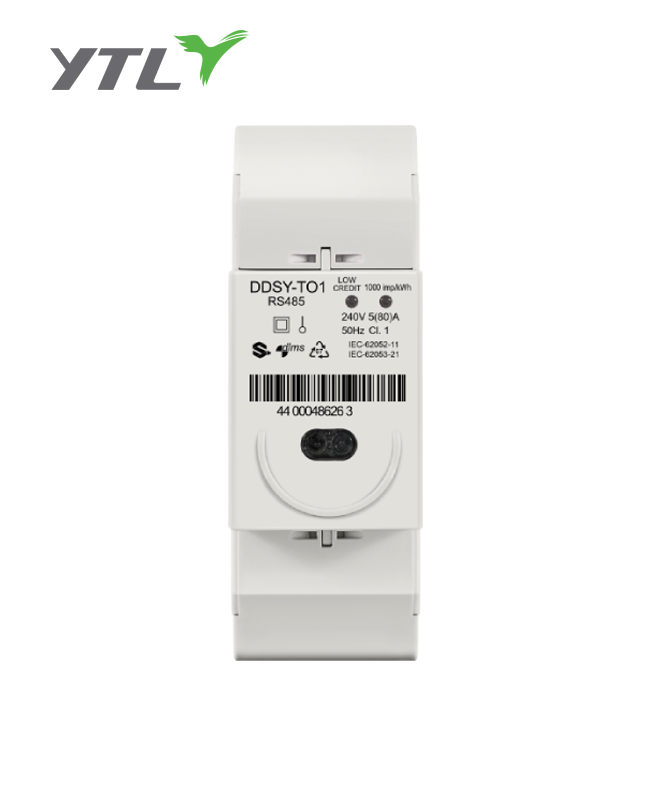
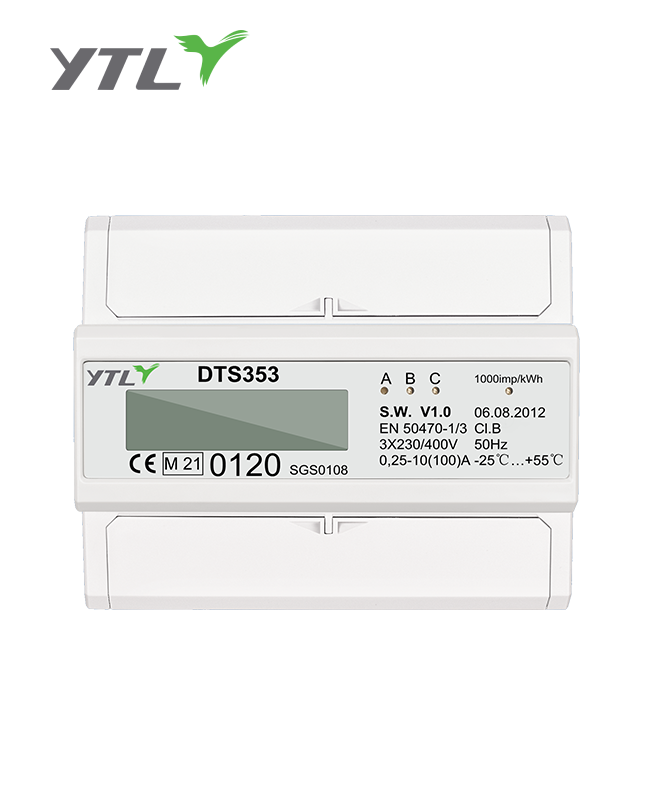
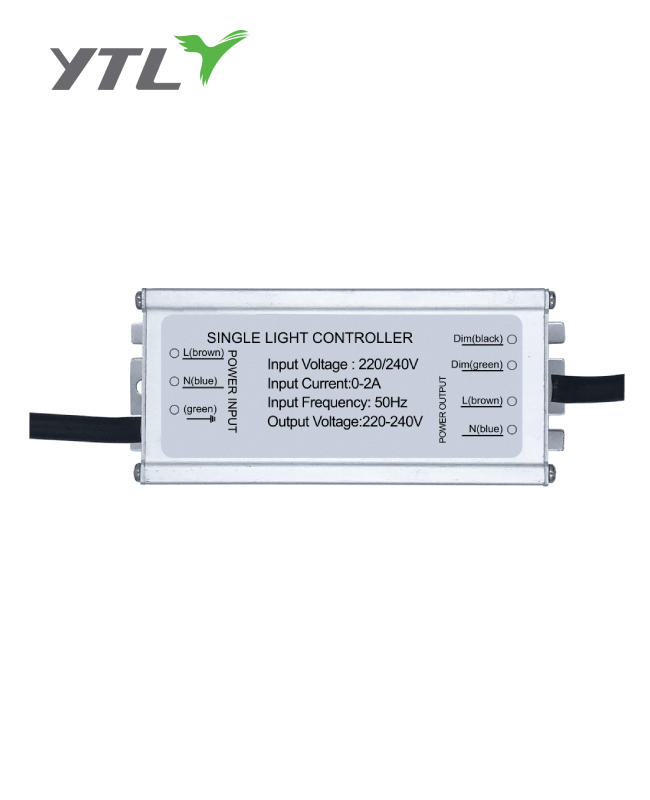
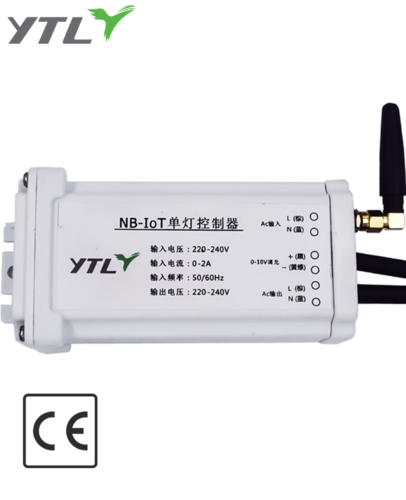
.jpg?imageView2/2/w/500/h/500/format/png/q/100 "YTL Company DTS353C DIN Rail 3P 4 Model Electricity Meter MID")
.png?imageView2/2/w/500/h/500/format/png/q/100 "YTL Two Phase Three Wire LCD Shunt sampling Energy Meter")