
 English
 简体中文
简体中文



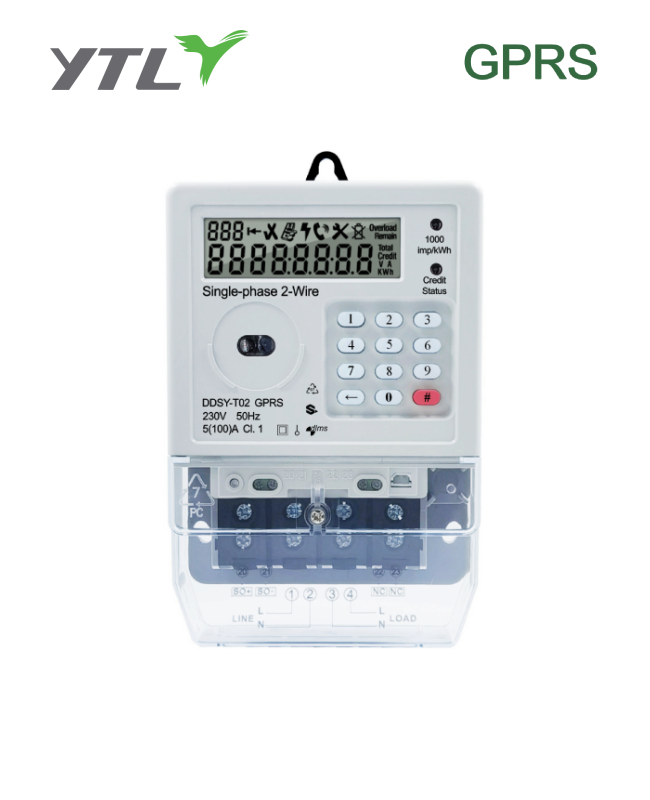
(Note: "Bidirectional metering smart electricity meter" refers to a specialized subset of smart energy meters, with the key distinction of measuring both incoming and outgoing electrical energy. While "smart energy meter" is an umbrella term for all intelligent energy-monitoring devices, this article focuses on the bidirectional metering type—an indispensable component for modern distributed energy systems.)
Against the backdrop of distributed energy popularization and electricity market liberalization, enterprises’ energy consumption models are shifting from one-way consumption to "production-consumption integration." Traditional electricity meters, which only record electricity input from the power grid, can no longer adapt to new energy scenarios such as photovoltaic (PV) self-consumption, surplus power feed-in to the grid, and energy storage for peak shaving. As a core category of smart energy meters, bidirectional metering smart electricity meters redefine energy metering by integrating current direction identification and multi-dimensional data collection, enabling enterprises to build a comprehensive visual map of energy flow.
I. Core Technology for Current Direction Identification: The Technical Foundation of Bidirectional Smart Energy Meters
The fundamental breakthrough of bidirectional metering lies in accurately determining energy flow direction—a capability that differentiates this smart energy meter from conventional models. Inside the meter, vector analysis technology is employed to automatically identify the direction of energy transmission by real-time tracking the phase relationship between voltage and current:
- When the current vector is in phase with the voltage vector, it is marked as electrical energy input from the power grid;
- When the current vector is 180° out of phase (reverse), it is determined as electrical energy output to the power grid.
Equipped with a 0.5S-class metering chip, this smart energy meter processes signals at the millisecond level, ensuring that the measurement error of both forward and reverse electrical energy is controlled within ±0.2%. Its wide-range design covers the spectrum from 0.5% of the rated current to 120% overload—whether it is the weak PV output under dawn light or full-load power feed-in to the grid at noon, linear and accurate metering is consistently achieved. This level of precision makes it the cornerstone of trust for energy trade settlement, a key performance requirement for any high-quality smart energy meter.
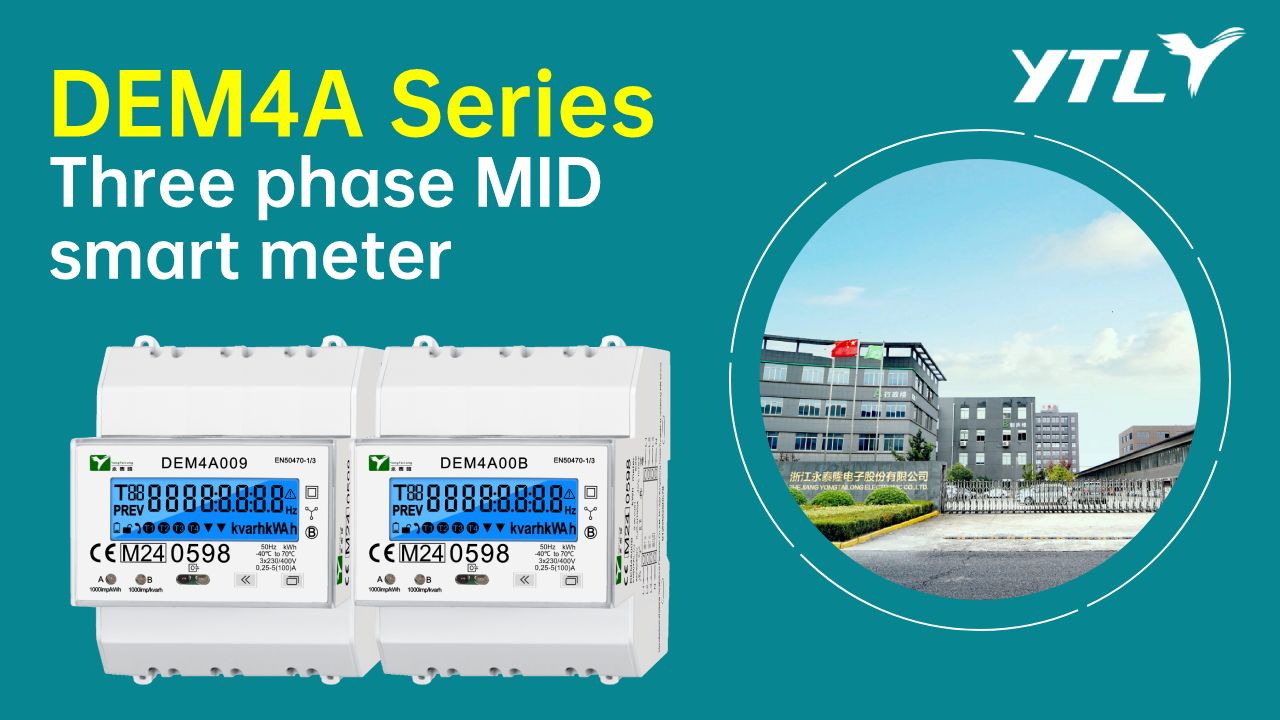
II. Ability to Analyze Complex Tariff Structures: A Core Advantage of Modern Smart Energy Meters
Modern enterprises’ electricity fees encompass multiple cost items arising from bidirectional energy flow. As an advanced smart energy meter, it achieves refined settlement through a built-in algorithm engine:
- It automatically separates electricity used for self-consumption (e.g., from on-site PV systems) and electricity purchased from the grid, providing reliable data support for evaluating PV benefits;
- It independently accumulates the input and output electricity volumes during peak, flat, and valley tariff periods, empowering enterprises to optimize tariff arbitrage strategies;
- It calculates the real-time net power factor and dynamically adjusts reactive power output in linkage with inverters, helping enterprises avoid penalties related to power factor adjustment.
For users participating in demand response programs, this smart energy meter records load reduction volumes and generates verifiable reports, converting energy savings into tangible economic benefits. This multi-dimensional data integration capability allows enterprises to shift from passive electricity payment to active energy management—an essential value proposition of advanced smart energy meters.
III. Closed-Loop Energy Efficiency Management: A Key Application of Bidirectional Smart Energy Meters
Data generated by bidirectional metering smart energy meters serves as the decision-making core for energy efficiency optimization. This device unlocks management value through three key functions:
- It displays the real-time ratio of power generation, consumption, and energy storage, enabling the optimization of energy scheduling strategies;
- It plots 24-hour net power curves, facilitating the identification of time periods with mismatches between energy supply and demand;
- It calculates the system’s self-sufficiency rate and energy efficiency ratio, quantifying the effectiveness of energy transition initiatives.
When an energy storage system charges during valley tariff periods and discharges during peak periods, this smart energy meter accurately records the charge-discharge loss rate and evaluates the actual economic efficiency of the energy storage equipment. The collected data is visually presented through an energy management system, driving enterprises to continuously improve their energy consumption models—fully leveraging the monitoring and analytical capabilities of smart energy meters.
IV. Collaborative Grid Security Protection: An Undervalued Role of Bidirectional Smart Energy Meters
As the interface connecting end-users and the power grid, bidirectional metering smart energy meters assume critical security protection responsibilities, supported by a three-layer protection system:
- A harmonic monitoring module captures high-order harmonics (up to the 63rd order) generated by the switching frequency of inverters, and triggers governance equipment when harmonic levels exceed standard limits;
- An anti-backflow function monitors the power at the grid-connection point in real time, and automatically reduces load when the reverse power exceeds preset thresholds;
- A voltage disturbance recording function (compliant with the IEC 61000-4-30 standard) captures voltage sag events, providing credible evidence for equipment failure claims.
These protection mechanisms not only safeguard the safety of users’ equipment but also maintain the stable operation of the regional power grid—extending the role of smart energy meters beyond pure metering to active grid security collaboration.
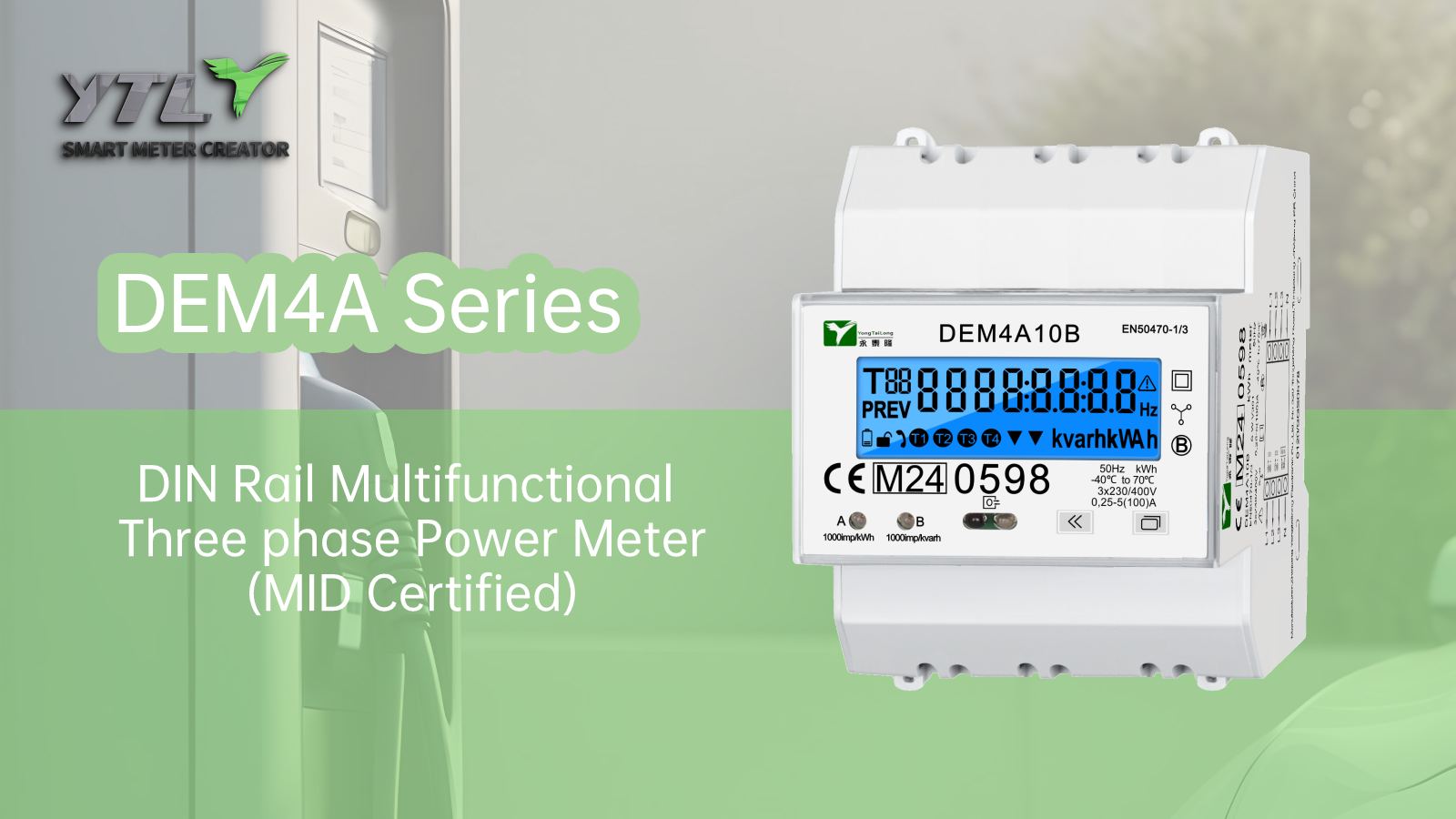
V. Future-Oriented Expandable Architecture: Evolving Smart Energy Meters into IoT Nodes
The next generation of bidirectional metering smart energy meters is evolving into energy Internet of Things (IoT) gateways, with enhanced capabilities to meet future energy system demands:
- It supports the DLMS/COSEM protocol, enabling seamless cross-platform data interconnection—a standard feature for interconnected smart energy meters in modern grids;
- It is equipped with a built-in edge computing unit, which can locally execute tariff strategy optimization and reduce reliance on cloud-based systems;
- It reserves interfaces for temperature and humidity sensors, expanding its functionality to environmental monitoring and moving beyond traditional energy metering.
In virtual power plant (VPP) scenarios, this advanced smart energy meter acts as a basic unit for load aggregation. It adjusts energy consumption behavior through remote commands and participates in grid balance regulation, playing a pivotal role in maintaining grid stability. This evolution upgrades smart energy meters from simple metering terminals to intelligent nodes in the broader energy ecosystem.
When the current direction is accurately analyzed by the meter’s chip, enterprises witness more than just changes in electricity bills—they experience a fundamental transformation in their energy role, shifting from passive consumers to active energy managers. As a specialized type of smart energy meter, the bidirectional metering variant functions like a precision flowmeter embedded in the energy network: it turns every kilowatt-hour of self-generated electricity into tangible benefits, converts every effort in energy conservation into measurable data, and grounds every electricity transaction on a foundation of transparency. Amid the global tide of energy transformation, this compact yet powerful smart energy meter is emerging as the core tool for enterprises to navigate and thrive in the future of energy.