
 English
 简体中文
简体中文



1 Introduction to Electric Power Meters
An electric power meter, also commonly known as an electricity meter or power meter, is a device that measures the amount of electrical energy consumed by a residence, business, or an electrically powered device. Its primary function is to accurately record your electricity usage, allowing utility companies to bill you for the energy you've consumed.
These meters are vital in modern society for several key reasons:
-
Accurate Billing: They provide the precise data needed for fair and accurate billing, ensuring you pay only for the electricity you use.
-
Energy Management: By tracking consumption, meters empower consumers to understand their usage patterns, identify areas for improvement, and implement energy-saving strategies.
-
Grid Stability: For utility companies, meters are crucial for monitoring grid load, managing supply and demand, and maintaining overall grid stability.
-
Promoting Efficiency: The data collected by meters can help drive initiatives for energy conservation and the adoption of more energy-efficient technologies.
Understanding your electric power meter is the first step toward taking control of your energy consumption and potentially saving money on your electricity bill.
2 How Electric Power Meters Work
At its core, an electric power meter is designed to measure the amount of electrical energy that flows through it over a period. Think of it like an odometer in a car, but instead of miles, it's tracking kilowatt-hours (kWh)—the standard unit for billing electricity.
The fundamental principle behind how electric meters work involves measuring both the voltage (the "pressure" of the electricity) and the current (the "flow" of electricity) passing through a circuit, and then calculating the power consumed over time.
Here's a simplified breakdown of the internal components and their roles in a common electric meter:
|
Component |
Function |
|
Current Coils/Sensors |
Detect the flow of electricity (current) being drawn by your home. |
|
Voltage Coils/Sensors |
Measure the electrical "pressure" (voltage) supplied to your home. |
|
Measuring Element |
This is the heart of the meter. In older analog meters, it's a rotating aluminum disc; in modern digital meters, it's an electronic circuit that processes the voltage and current signals. |
|
Register/Display |
Records and displays the cumulative amount of electricity consumed. This can be a series of dials (analog) or a digital screen. |
The meter continuously integrates the power used over time. When you turn on an appliance, it draws power, and the meter begins to register that usage. The longer an appliance is on and the more power it consumes, the more kWh will be recorded.
To give you a clearer picture of what a kilowatt-hour represents, consider this:
|
Appliance Example |
Approximate Power (Watts) |
Time to Consume 1 kWh |
|
100-watt Light Bulb |
100 W |
10 hours |
|
Energy-efficient Refrigerator |
150-300 W |
3-6 hours |
|
Microwave Oven (high power) |
1000 W |
1 hour |
3 Types of Electric Power Meters
The evolution of electric power meters mirrors the advancements in technology itself. From spinning discs to smart communication devices, meters have become increasingly sophisticated in how they measure and report energy usage. Let's explore the main types you'll encounter:
Analog/Electromechanical Meters
These are the traditional, older-style meters many people picture when thinking about electricity measurement.
-
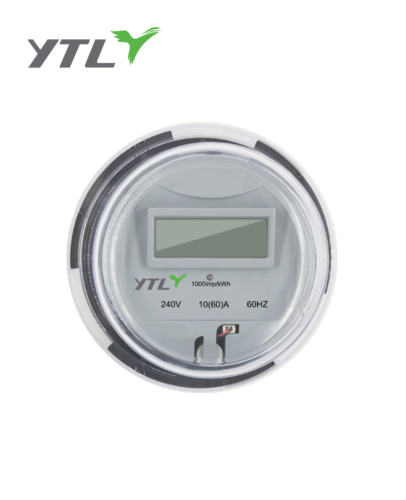
How They Work: Analog meters operate on electromechanical principles. When electricity flows through the meter, it creates magnetic fields that cause a small aluminum disc to rotate. The speed of rotation is directly proportional to the amount of power being consumed. This disc is connected to a series of gears that drive a set of dials (typically four or five) which accumulate the total kilowatt-hours used. The dials essentially act like odometers, moving forward as more electricity is consumed.
-
Advantages and Disadvantages:
Advantages
Disadvantages
Simple, robust design.
Requires manual reading by utility personnel.
Long lifespan, often decades.
Prone to human error in reading.
Less susceptible to electronic interference.
Provides only cumulative consumption data, no real-time insights.
No data communication capabilities.
Cannot easily support complex billing structures (e.g., time-of-use).
Digital Meters
Digital meters represent a significant leap forward, replacing mechanical components with electronic ones.
-
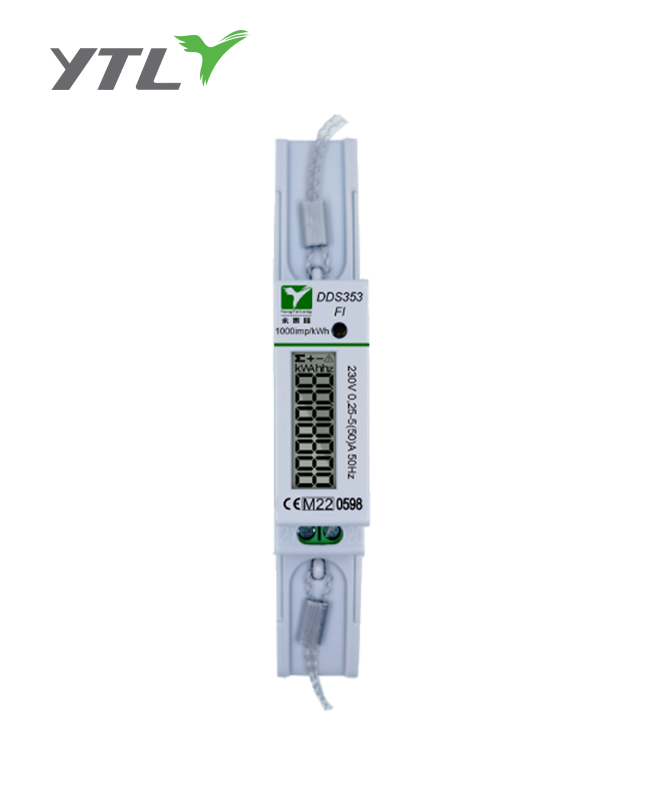
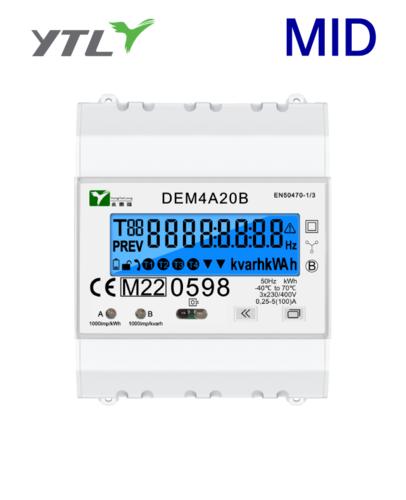
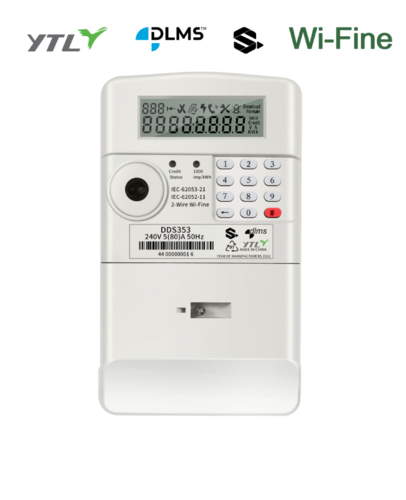
How They Work: Instead of a spinning disc, digital meters use electronic sensors (current transformers and potential transformers) to measure the voltage and current. These measurements are then converted into digital signals by an analog-to-digital converter. A microprocessor inside the meter calculates the energy consumption in kilowatt-hours and displays it on a digital screen (LCD or LED).
-
Advantages and Disadvantages:
Advantages
Disadvantages
Highly accurate measurements.
Susceptible to electromagnetic interference (though usually minimal).
Easy to read digital display.
Can be more complex to troubleshoot for some issues.
More compact and lighter.
Generally requires manual reading, similar to analog meters (unless equipped for remote reading).
Can store some historical consumption data.
Smart Meters
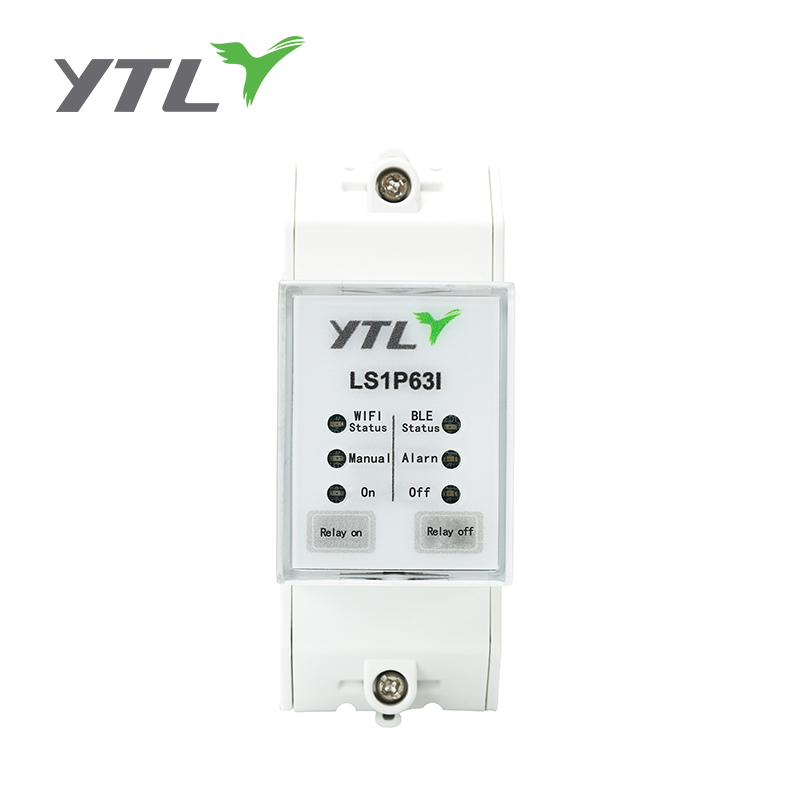
Smart meters are the latest generation of electric meters, often seen as a cornerstone of the modern electrical grid. They build upon the digital meter's capabilities by adding advanced communication features.
-
Advanced Features:
-
Remote Reading: Utility companies can read meters remotely, eliminating the need for manual visits.
-
Two-Way Communication: They can send data back to the utility and receive commands, such as disconnection/reconnection signals.
-
Time-of-Use (TOU) Pricing: Smart meters can record consumption at different times of the day, enabling utilities to implement varied pricing based on peak and off-peak hours.
-
Real-time Data: Some smart meters provide near real-time consumption data to consumers, often accessible via online portals or in-home displays.
-
Outage Detection: They can automatically report power outages, helping utilities respond faster.
-
-
Benefits for Consumers and Utility Companies:
For Consumers
For Utility Companies
More accurate bills due to automated readings.
Reduced operational costs from manual readings.
Ability to monitor energy usage in more detail.
Improved grid management and load balancing.
Potential to save money through TOU rates.
Faster outage detection and restoration.
Supports integration with smart home devices.
Better data for planning infrastructure upgrades.
Enhanced privacy through reduced physical meter access.
Reduced energy theft.
Discussion of Potential Privacy Concerns: While offering many benefits, the advanced data collection capabilities of smart meters have raised some privacy questions. Concerns often revolve around:
-
Granular Data: The ability to collect highly detailed, frequent consumption data could potentially reveal patterns of activity within a home (e.g., when residents are home, when certain appliances are used).
-
Data Security: The protection of this transmitted data from cyber threats and unauthorized access is paramount.
-
Data Usage: How utility companies and third parties might use this collected data.
Utilities typically emphasize strong data encryption and strict privacy policies to address these concerns, focusing on anonymized and aggregated data for grid management rather than individual household surveillance. Consumers are encouraged to understand their utility's privacy policies regarding smart meter data.
-
-
4 Reading Your Electric Power Meter
Understanding how to read your electric power meter is a valuable skill that empowers you to track your energy consumption independently and verify your utility bills. The process varies slightly depending on whether you have an analog, digital, or smart meter.
Step-by-Step Guide on How to Read Different Types of Meters
Reading an Analog/Electromechanical Meter (Dial Meter)
Analog meters have several small dials, usually four or five, that look like tiny clocks. Each dial represents a digit in your electricity usage reading.
-
Locate the Dials: You'll see a series of dials, typically alternating between clockwise and counter-clockwise numbering.
-
Read from Right to Left (or Left to Right): Some meters are designed to be read from right to left (like reading an odometer), while others are read left to right. Confirm your meter's specific design. The most common method is to read from left to right.
-
Note the Pointer Position: For each dial, read the number that the pointer hasjust passed. If the pointer is directly on a number, look at the next dial to the right. If that dial's pointer has passed zero, then the number on the current dial is the one to record. If it hasn't passed zero, record the lower number.
-
Alternating Directions: Pay close attention to the numbers on the dials. Some run clockwise (0-9), and others run counter-clockwise (9-0). Always read the number the pointer has passed.
-
Record Your Reading: Write down the numbers from left to right to get your total kWh reading.
Here's a simplified example of how to read the dials:
|
Dial Position |
Reading |
|
Pointer between 1 and 2 |
1 |
|
Pointer between 7 and 8 |
7 |
|
Pointer directly on 5, and the next dial is past 0 |
5 |
|
Pointer directly on 5, and the next dial is not yet past 0 |
4 |
Reading a Digital Meter
Digital meters are much simpler to read as they display the consumption directly on an electronic screen.
-
Locate the Display: The meter will have an LCD or LED screen.
-
Wait for the Reading: The display typically cycles through various pieces of information (like date, time, meter number, etc.). Wait until you see the kWh reading. This is usually clearly labeled with "kWh" or a similar indicator.
-
Record the Number: Simply write down the number displayed. Digital meters often show more digits than analog ones, and may include decimal points.
How to Read a Smart Meter Display
Smart meters also have a digital display, but they often present more information than just the cumulative kWh.
-
Navigate the Display: Many smart meters have a button (sometimes labeled "Display" or a similar icon) that you can press to cycle through different screens.
-
Identify Key Information: Look for the "kWh" reading, which represents your total electricity consumption.
-
Other Readings: You might also see:
-
Real-time Power (kW): This shows how much electricity your home is currently using at that exact moment.
-
Peak/Off-Peak Usage: If your utility uses Time-of-Use (TOU) pricing, the meter might display separate kWh readings for different periods (e.g., "T1" for On-Peak, "T2" for Off-Peak).
-
Date and Time: Current date and time.
-
Meter Number/ID: Unique identifier for your meter.
-
Status Codes: Indications of meter status or errors.
-
Common Symbols and Units Found on Electric Meters
-
kWh: Kilowatt-hour, the standard unit of electrical energy consumption. This is the most important unit for billing.
-
kW: Kilowatt, a unit of power, indicating the rate at which electricity is being consumed. You might see this on smart meters for real-time usage.
-
V: Volts, a unit of electrical potential difference (voltage).
-
A: Amps, a unit of electrical current.
-
Hz: Hertz, a unit of frequency (for AC power).
-
CL: Current Limiting (sometimes indicates meter class or current rating).
-
TA: Test Amps.
-
Kh: Meter Constant (used by meter readers for calibration, not for consumers).
-
Imp/kWh: Impulses per kilowatt-hour, especially on digital meters, indicating how many pulses (often a flashing LED) represent one kWh.
Tips for Accurate Meter Reading and Avoiding Errors
-
Read Regularly: Reading your meter at the same time each day or week helps you understand your consumption patterns and spot anomalies.
-
Take Photos: If you're unsure about a reading, take a clear photo of the meter display. This is especially helpful for analog dials.
-
Compare Readings: To calculate your consumption for a period (e.g., a month), subtract your previous meter reading from your current reading.
-
Current Reading - Previous Reading = kWh Consumed
-
-
Double-Check: For analog meters, carefully re-read the dials, ensuring you've correctly interpreted the pointer positions and alternating directions.
-
Understand Display Cycles: For digital and smart meters, be patient and allow the display to cycle through all its information until you find the kWh reading.
-
Contact Your Utility: If you're consistently confused or believe there's a discrepancy, don't hesitate to contact your electricity provider for guidance or to request a meter check.
Knowing how to read your meter puts the power of monitoring your energy usage directly into your hands!
5 Understanding Your Electricity Bill
Your electricity bill is more than just a request for payment; it's a detailed summary of your energy consumption and the costs associated with delivering that power to your home or business. Learning to decipher its components can help you understand where your money is going and identify opportunities to save.
Breakdown of the Components of an Electricity Bill
While the exact layout and terminology can vary slightly between utility providers, most electricity bills share common sections and charges. Here’s a typical breakdown:
|
Bill Component |
Description |
What It Covers |
|
Account Information |
Your unique customer ID, account number, billing period, and due date. |
Administrative details for your service. |
|
Previous Balance |
Any outstanding amount from your last bill. |
Unpaid charges carried over. |
|
New Charges / Current Charges |
The total amount owed for the current billing period. |
All charges for the current period, including energy usage, delivery, and taxes. |
|
Energy Charges / Consumption Charges |
This is the core cost based on the kilowatt-hours (kWh) of electricity you've used during the billing cycle. |
The cost of the actual electricity generated and supplied to you. This is usually the largest portion of your bill. |
|
Delivery Charges / Transmission & Distribution Charges |
Fees for maintaining and operating the poles, wires, transformers, and other infrastructure that delivers electricity to your property. |
The cost of getting electricity from the power plant to your home. These are often fixed charges or per-kWh charges. |
|
Basic Service Charge / Customer Charge |
A fixed monthly fee to cover general administrative costs, meter reading, and customer service, regardless of how much electricity you use. |
Operational costs that don't vary with consumption. |
|
Taxes, Fees, & Surcharges |
Various government taxes (e.g., sales tax, utility tax) and other regulatory fees or environmental surcharges. |
Mandatory charges levied by local, state, or federal authorities, or specific utility programs. |
|
Adjustments / Credits |
Any rebates, discounts, or corrections applied to your account. |
Special programs, overpayments, or billing corrections. |
|
Usage History / Consumption Graph |
A chart or table showing your electricity usage over several past months or years. |
Visual representation of your energy consumption trends over time, helping you compare current usage with past patterns. |
|
Meter Readings |
Details of your meter's reading at the beginning and end of the billing period. |
Documentation of how your consumption was measured. |
How Your Consumption is Calculated and Billed
Your electricity consumption is calculated based on the difference between your meter reading at the beginning of the billing cycle and the reading at the end.
-
Current Meter Reading (kWh) - Previous Meter Reading (kWh) = Total kWh Consumed for the Billing Period
Once your total kWh consumption is determined, it's multiplied by the energy rate (or rates, if you're on a time-of-use plan) set by your utility company. This gives you the core energy charge. Then, all other applicable delivery charges, fixed fees, and taxes are added to arrive at your total bill.
Impact of Peak and Off-Peak Hours on Your Bill (If Applicable)
Some utility companies, especially those with smart meter deployments, use Time-of-Use (TOU) pricing. This means the price you pay per kilowatt-hour varies depending on the time of day and sometimes the season.
-
Peak Hours: These are typically periods when electricity demand is highest (e.g., late afternoon/early evening on weekdays). Electricity consumed during peak hours is more expensive per kWh.
-
Off-Peak Hours: These are periods of lower demand (e.g., overnight, weekends, and holidays). Electricity consumed during off-peak hours is less expensive per kWh.
If you are on a TOU plan, understanding these periods is critical. Shifting energy-intensive activities (like running the dishwasher, laundry, or charging electric vehicles) to off-peak hours can significantly reduce your overall electricity costs, even if your total kWh consumption remains the same. Your bill will often show separate line items or sections detailing your consumption during each rate period.
Regularly reviewing your electricity bill is a proactive step toward managing your energy budget and identifying opportunities for greater efficiency.
6 Factors Affecting Your Electricity Consumption
Understanding what influences your electricity usage is key to gaining control over your bill. Many factors, from the appliances you use to the changing seasons, play a significant role in how much power your home consumes.
Common Household Appliances and Their Energy Consumption
Nearly every electrical device in your home contributes to your energy bill. However, some appliances are far more energy-intensive than others. It's helpful to be aware of the typical power hungry culprits:
|
Appliance Category |
Typical High-Consumption Appliances |
General Characteristics |
|
Heating & Cooling |
HVAC systems (furnaces, air conditioners, heat pumps), electric water heaters, space heaters |
Often the largest energy users, especially in extreme temperatures. Run for extended periods. |
|
Kitchen |
Electric ovens/stoves, refrigerators, dishwashers, microwaves |
Frequently used; some (like refrigerators) run continuously, others (ovens) draw high power when active. |
|
Laundry |
Electric clothes dryers, washing machines (especially with hot water cycles) |
Dryers use a lot of heat, thus high power. Washing machines use energy for motor and water heating. |
|
Electronics & Entertainment |
Large screen TVs, gaming consoles, desktop computers, home theater systems |
Can draw significant power, especially when used for many hours or left in "standby" mode. |
|
Lighting |
Incandescent bulbs, older fluorescent fixtures |
Energy consumption depends on bulb type, wattage, and how long lights are on. |
Remember, the actual energy consumed by any appliance depends on its wattage (how much power it needs to operate) and how long it's used. A high-wattage appliance used briefly might consume less overall energy than a lower-wattage appliance that runs continuously (like a refrigerator).
Seasonal Variations in Energy Usage
Your electricity consumption is rarely static throughout the year. It often fluctuates significantly with the seasons due to changes in weather and corresponding heating and cooling demands.
-
Summer: Typically sees a sharp increase in electricity usage due to air conditioning. As temperatures rise, AC units work harder and run longer, consuming substantial amounts of electricity.
-
Winter: Can also lead to higher bills if you use electric heating (furnaces, heat pumps, space heaters). While heating often relies more on natural gas, electric heating can be a major power consumer. Shorter daylight hours also mean more reliance on artificial lighting.
-
Spring & Fall: These are often the "shoulder seasons" where electricity consumption is at its lowest. Mild temperatures reduce the need for extensive heating or cooling, leading to more moderate bills.
Understanding these seasonal trends can help you anticipate higher bills and plan your energy-saving efforts accordingly.
Tips for Identifying Energy-Hogging Appliances
If your electricity bill seems unusually high, identifying which appliances are the biggest culprits can guide your efforts to reduce consumption.
-
Review Your Bill's Usage History: Many bills include a graph or table showing your monthly kWh consumption over the past year. Look for spikes in usage that correlate with certain seasons or changes in your appliance use.
-
Unplug "Vampire" Loads: Many electronics consume a small amount of power even when turned off or in standby mode (known as "vampire load" or "phantom load"). Examples include phone chargers, TVs, game consoles, and computer peripherals. Unplugging these or using smart power strips can add up to savings.
-
Use a Kill-A-Watt Meter: For individual appliances, a Kill-A-Watt meter (or similar plug-in energy meter) is an excellent tool. You simply plug the appliance into the meter, and the meter into the wall. It will then display the exact wattage being used and can calculate the kWh consumed over time, giving you a precise understanding of that appliance's true energy appetite.
-
Check Appliance Age: Older appliances, especially refrigerators, freezers, and HVAC systems, are often far less energy-efficient than newer, ENERGY STAR® rated models. If an appliance is particularly old, it might be an energy hog even if it seems to be working fine.
-
Listen and Feel: Some high-consumption appliances, like refrigerators or freezers, might run excessively if their seals are leaky or they're working inefficiently. Feel for drafts around refrigerator doors, or listen to how often your HVAC unit cycles.
By being aware of these factors and actively investigating your appliance usage, you can pinpoint where your electricity is being consumed most and take targeted steps to reduce it.
7 Tips for Reducing Your Electricity Consumption
Once you understand how your electricity meter works and what factors influence your energy usage, the next logical step is to find ways to reduce your consumption. Even small changes can add up to significant savings on your electricity bill and contribute to a more sustainable lifestyle.
Practical Tips for Saving Energy at Home
Implementing simple habits and making smart choices around your home can dramatically lower your energy footprint:
-
Turn Off Lights and Electronics: It sounds obvious, but consistently turning off lights when you leave a room and powering down electronics when not in use is a fundamental step. Don't forget to switch off power strips too, as they can still draw power.
-
Unplug "Vampire" Devices: Many electronics, like phone chargers, TVs, coffee makers, and computers, consume standby power even when turned off or idle. Unplugging them or using smart power strips that cut power to idle devices can eliminate these "phantom loads."
-
Maximize Natural Light: Open curtains and blinds during the day to let in natural light, reducing the need for artificial lighting.
-
Adjust Thermostat Settings: Set your thermostat a few degrees higher in summer and a few degrees lower in winter, if comfortable. Even a small adjustment can make a difference.
-
Regularly Clean/Replace HVAC Filters: Dirty air filters force your heating and cooling systems to work harder, consuming more energy. Clean or replace them monthly during peak usage seasons.
-
Seal Drafts: Use caulk and weatherstripping to seal leaks around windows, doors, and other openings. Preventing air leaks keeps conditioned air in and unconditioned air out.
-
Full Loads for Appliances: Run dishwashers and washing machines only when they are full. This maximizes efficiency for the energy and water used per cycle.
-
Air Dry Clothes: Whenever possible, air dry your clothes instead of using an electric dryer, especially during warmer months.
-
Use Cold Water for Laundry: Most of the energy used by washing machines goes towards heating water. Using cold water cycles whenever appropriate can save a lot of energy.
-
Cook Smart: Use microwave ovens or toaster ovens for smaller meals instead of a large electric oven, which consumes more energy. Keep lids on pots to retain heat while cooking.
Importance of Energy-Efficient Appliances
When it's time to replace old appliances, investing in energy-efficient models is one of the most impactful ways to reduce long-term electricity consumption.
-
Look for ENERGY STAR® Labels: Products with the ENERGY STAR® label meet strict energy efficiency guidelines set by government agencies. They are designed to save energy without compromising performance.
-
Consider Your Needs: Match the appliance size and features to your actual needs. A too-large refrigerator or washing machine will consume more energy than necessary.
-
Long-Term Savings: While energy-efficient appliances might have a higher upfront cost, their lower operating costs often lead to significant savings on your electricity bill over their lifespan, quickly offsetting the initial investment.
Using Programmable Thermostats and Smart Home Devices
Technology offers powerful tools for optimizing your energy usage:
-
Programmable Thermostats: These allow you to set different temperatures for various times of day or days of the week. For example, you can program your heating or cooling to reduce when you're away at work and increase just before you return home. This avoids wasting energy heating or cooling an empty house.
-
Smart Thermostats: Taking it a step further, smart thermostats learn your habits, adjust to local weather, and can be controlled remotely via smartphone apps. Many even offer energy usage reports, giving you insights into your heating and cooling patterns.
-
Smart Plugs and Outlets: These devices allow you to remotely control and schedule when appliances receive power. They can also monitor the energy consumption of individual devices, helping you identify energy hogs and eliminate phantom loads.
-
Smart Lighting: LED smart bulbs can be dimmed, scheduled, and controlled remotely, giving you precise control over your lighting energy usage.
Optimizing Lighting and HVAC Systems
These two areas are often the biggest energy consumers in a home, making their optimization crucial:
-
Upgrade to LED Lighting: If you still have incandescent or older fluorescent bulbs, switching to LED (Light Emitting Diode) bulbs is perhaps the easiest and most cost-effective energy-saving upgrade. LEDs use significantly less energy, last much longer, and provide comparable or better light quality.
-
HVAC System Maintenance: Regular professional maintenance of your heating, ventilation, and air conditioning (HVAC) system ensures it runs at peak efficiency. This includes cleaning coils, checking refrigerant levels, and inspecting ducts for leaks.
-
Insulation and Air Sealing: Properly insulating your attic, walls, and floors, along with sealing air leaks throughout your home, significantly reduces the workload on your HVAC system, as conditioned air stays inside and outside air stays out. This is a foundational step for energy efficiency.
-
Strategic Landscaping: Planting trees and shrubs strategically around your home can provide shade in summer (reducing cooling needs) and act as windbreaks in winter (reducing heating needs).
By adopting these tips and considering energy efficiency in your home maintenance and appliance purchases, you can make a tangible impact on your electricity consumption and contribute to both your budget and environmental sustainability.
8 The Future of Electric Power Meters
The electric power meter, once a simple device for billing, is rapidly evolving into a sophisticated component of a modern, intelligent energy ecosystem. The future of these meters is deeply intertwined with the broader trends of grid modernization, renewable energy integration, and increasing consumer engagement.
Trends in Smart Meter Technology and Grid Modernization
The development of smart meter technology is moving towards even greater connectivity, data processing capabilities, and integration with other systems.
-
Enhanced Connectivity: Future smart meters will feature more robust and diverse communication pathways, including advanced cellular, radio frequency, and even satellite links, ensuring reliable data transmission even in challenging environments.
-
Edge Computing and AI: Meters are becoming "smarter" themselves, incorporating more processing power to perform basic data analysis at the meter level (edge computing) before sending it to the utility. This could involve identifying anomalies, detecting power quality issues, or even processing data for local energy management systems using artificial intelligence (AI).
-
Interoperability: A major focus is on ensuring smart meters can seamlessly communicate not just with the utility, but also with various smart home devices, electric vehicle (EV) charging stations, and distributed energy resources like rooftop solar panels. This interoperability is key to creating a truly integrated home energy management system.
-
Cybersecurity: As meters become more connected, cybersecurity will remain a paramount concern. Future meters will incorporate even more advanced encryption and security protocols to protect sensitive energy data and prevent unauthorized access or manipulation.
-
Demand Response Integration: Smart meters are crucial for advanced demand response programs, where consumers can opt-in to reduce energy consumption during peak periods in exchange for incentives. Future meters will facilitate more dynamic and automated participation in these programs.
Potential Benefits of Advanced Metering Infrastructure (AMI)
The widespread deployment of smart meters forms the backbone of an Advanced Metering Infrastructure (AMI). AMI is not just about meters; it's a comprehensive system that includes communication networks, data management systems, and software applications that allow utilities to gather and analyze energy usage data in near real-time.
The benefits of AMI extend far beyond basic billing:
|
Benefit Category |
Description |
Impact |
|
Operational Efficiency |
Automated meter reading, remote service connections/disconnections, and proactive outage detection reduce manual labor and response times. |
Lower utility operating costs, faster service restoration, improved reliability. |
|
Grid Management |
Real-time data on energy flow and demand across the grid enables utilities to balance loads, identify inefficiencies, and prevent overloads. |
Enhanced grid stability, more efficient power delivery, reduced need for costly infrastructure upgrades. |
|
Consumer Empowerment |
Provides consumers with detailed, timely information about their energy usage, often through online portals or in-home displays. |
Enables informed decision-making, promotes energy conservation, supports participation in demand response. |
|
Integration of Renewables |
Facilitates the seamless integration of distributed renewable energy sources (like rooftop solar) into the grid by providing necessary data for grid stability. |
Supports the transition to cleaner energy sources, reduces carbon footprint. |
|
Billing Accuracy & Flexibility |
Eliminates estimated bills and supports complex billing structures like time-of-use (TOU) rates, providing more transparent and flexible pricing. |
Fairer billing, opportunities for consumers to save by shifting usage. |
The Role of Electric Meters in Promoting Energy Conservation and Sustainability
Electric meters, particularly smart meters, are pivotal in driving energy conservation and sustainability efforts globally.
-
Behavioral Change: By providing granular and immediate feedback on energy consumption, smart meters empower consumers to understand the impact of their actions. Seeing real-time usage or daily consumption summaries can motivate individuals to adopt more energy-saving habits.
-
Informed Decision-Making: With access to detailed consumption data, consumers can make informed decisions about appliance purchases, home improvements (like insulation or window upgrades), and even lifestyle adjustments to reduce their environmental impact.
-
Support for Green Technologies: Smart meters are essential enablers for integrating and optimizing green technologies. They can help manage EV charging to occur during off-peak hours or when renewable energy is abundant. They also facilitate net metering for solar customers, accurately tracking excess energy sent back to the grid.
-
Grid Optimization for Renewables: As more intermittent renewable energy (solar, wind) comes online, utilities need highly dynamic grid management. AMI provides the data necessary to forecast demand more accurately, manage supply fluctuations, and ensure grid stability, thereby maximizing the utilization of clean energy.
-
Foundation for Smart Cities: In broader "smart city" initiatives, advanced metering infrastructure plays a fundamental role in managing resources efficiently, reducing urban carbon footprints, and creating more resilient and sustainable communities.
In essence, the electric power meter is transforming from a simple measuring device into an intelligent data hub, empowering both utilities and consumers to build a more efficient, resilient, and sustainable energy future.
Conclusion
Understanding your electric power meter is far more than just knowing how to read a dial or a digital display; it's about gaining control over one of your most significant household expenses and contributing to a more energy-efficient future. From the fundamental principles of how these devices measure energy to the advanced capabilities of modern smart meters, a deeper understanding empowers you as a consumer.
By familiarizing yourself with the different types of meters, learning to interpret your electricity bill, and recognizing the factors that drive your consumption, you're better equipped to make informed decisions. The insights gained from your meter readings, whether traditional or smart, provide the foundation for identifying areas where you can save energy and money.
We encourage you to actively monitor your energy consumption, explore the features of your specific meter, and adopt the energy-saving practices discussed. Every kilowatt-hour saved not only reduces your monthly bill but also contributes to greater energy independence and environmental sustainability. The future of electric power meters, with their growing intelligence and connectivity, promises even greater opportunities for efficiency and a more robust, responsive energy grid. Take charge of your energy usage today!
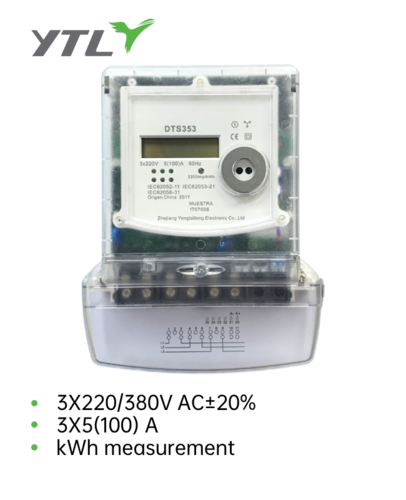
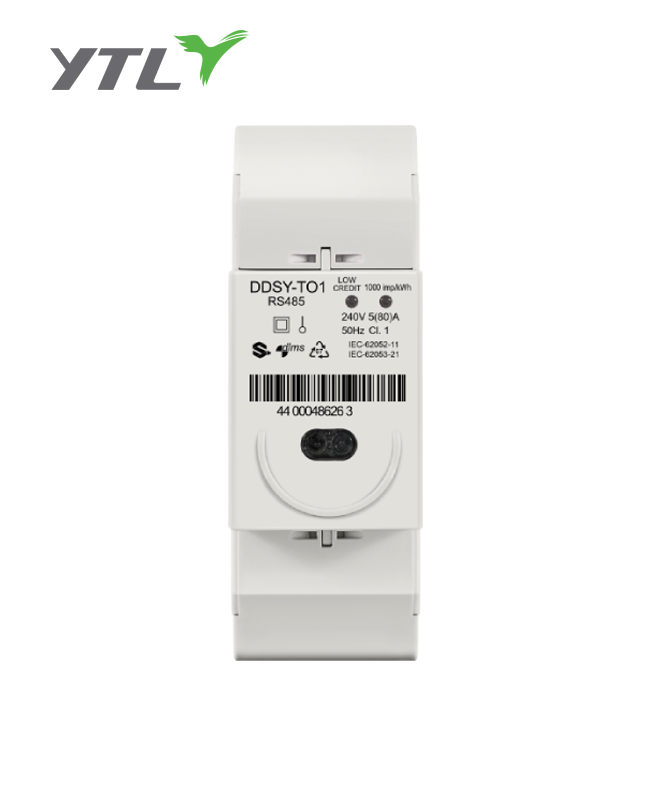
.png?imageView2/2/w/500/h/500/format/png/q/100 "YTL Two Phase Three Wire Big counter Electricity Meter")
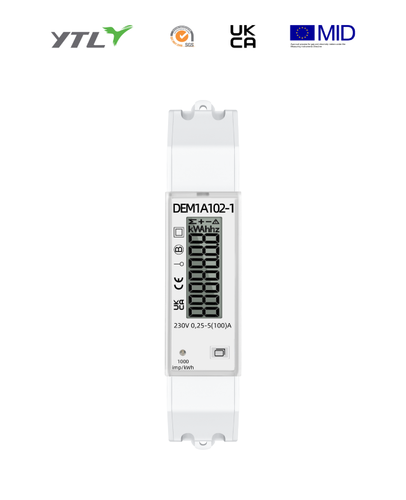
.png?imageView2/2/w/500/h/500/format/png/q/100 "YTL Single Phase Active Electronic Electricity Meter")