
 English
 简体中文
简体中文



In the era of accelerating transformation of the global energy structure towards cleanliness, digitization, and intelligence, smart meters, as the core sensing terminal for building a new type of power system, have increasingly highlighted their strategic value. Faced with significant differences in power grid standards, regulatory systems, and technological ecosystems among countries, meter companies are adopting a forward-looking global perspective, systematically breaking through geographical boundaries, and extending innovative technologies and service networks to the forefront of global energy transformation. This global layout is not only a requirement for market expansion, but also a comprehensive reflection of the technical strength, strategic determination, and cross-cultural operational capabilities of the electricity meter company, profoundly affecting the future pattern of global energy measurement and management.
1、 The core engine driving the globalization of electric meter companies: strategic necessity and opportunities of the times
Top electric meter companies are actively expanding globally, driven by the interweaving of multiple strategic motivations:
Capturing the global wave of smart grid upgrades: AMI systems in developed countries (Europe and America) have entered a large-scale update cycle, while emerging markets (Southeast Asia, Latin America, Africa) are in a period of explosive popularity of smart meters. The limited market capacity of a single country makes globalization a necessary path for meter companies to achieve sustained growth and achieve economies of scale. Sharp meter companies can accurately capture incremental dividends in different regions through global layout.
Sharing high R&D investment and realizing economies of scale: smart meters involve cutting-edge technologies such as metering chips, multi-mode communication (HPLC, RF, NB IoT), edge computing, and security encryption, with huge R&D investment and rapid iteration. Global meter companies effectively dilute research and development costs by serving a broader market, utilizing the advantages of large-scale production to reduce manufacturing costs, forming a virtuous cycle of "research and development scale reinvestment", and consolidating their technological leadership position.
Building a risk diversified and resilient supply chain: Overreliance on a single regional market is vulnerable to geopolitical, trade policy, or economic fluctuations. Mature electricity meter companies establish diversified production bases (such as factories in Southeast Asia, Eastern Europe, and Mexico) and supply chain networks through global layout, effectively avoiding tariff barriers (such as the impact of Sino US trade frictions), enhancing overall risk resistance and business continuity.
2、 The way to break through barriers: the core capability for electric meter companies to build global competitiveness
Successful globalization goes far beyond product exports, requiring meter companies to build a deep capability system that penetrates localization barriers:
Deep adaptation and certification capabilities of technical standards:
Accurate compliance with strict metrological regulations: Each country has mandatory requirements for metrological accuracy, type approval, and statutory verification (such as the EU MID Directive). Global meter companies must establish a strong local certification team to the completion of rigorous laboratory certifications (such as PTB) in their target markets, ensuring that their products become "legal measuring instruments".
High reliability design under working conditions: In response to challenges such as tropical humid heat, cold in cold regions, desert sand and dust, coastal salt spray, mountain thunderstorms, and large voltage fluctuations in the power grid, powerful meter companies strengthen component selection, structural protection (IP level), heat dissipation, and electromagnetic compatibility (EMC) in the product design stage to ensure stable operation in complex global environments.
Strategic construction of localized operation and service system:
Regional manufacturing and agile response: Establishing local factories or deep cooperative manufacturing bases in key markets or trade hubs is a key strategy for global meter companies. This move not only avoids tariffs and shortens delivery times, but also quickly responds to local customization needs, meeting the "localization content" policies of some countries.
Building a full lifecycle service system: Successful electricity meter companies establish local technical support centers, spare parts warehouses, and certified engineer teams in major global markets, providing 7x24 hour response, on-site fault diagnosis, remote software upgrades (FOTA), and professional training.
Cultivating a localized cooperation ecosystem: Establishing alliances with local integrators, software vendors, and engineering companies with strong channels, industry relationships, or complementary technologies in the target country is an efficient path for meter companies to quickly integrate into the local market and provide end-to-end AMI solutions.
Addressing the deep-seated challenges of safety and culture:
Deeply integrating into local business culture: understanding and respecting the decision-making processes, business practices, and communication styles of the target market (such as the European and American emphasis on contractual processes, and the emerging market emphasis on flexible relationships), forming a localized team with cross-cultural capabilities, is the foundation for electricity meter companies to establish long-term trust and cooperation.
3、 The core value of global layout of electric meter companies: empowering global customers and the future of the industry
The ultimate goal of the globalization strategy of the electric meter company is to create outstanding value for global customers and promote industry progress:
Creating outstanding value for global power companies:
Deliver globally validated mature technologies and products: Leading meter companies will combine their accumulated system stability and big data processing experience in developed countries with product reliability honed in emerging markets to provide customers with low-risk AMI deployment solutions.
Accelerate project implementation and benefit realization: With rich experience in deploying millions of meters and mature project management methods, global meter companies can efficiently assist customers in advancing projects, shorten investment payback periods, maximize line loss management, electricity bill recovery, customer service, and new energy consumption benefits.
Promote the collaborative evolution of global intelligent measurement technology and standards: Global electricity meter companies feed back the practices of different markets to the R&D end, promote the continuous innovation and integration of communication technology, edge computing applications, and security architecture, and actively participate in promoting interoperability standards, laying the foundation for the global ecological prosperity of AMI.
Promoting knowledge sharing for global smart energy transformation: Meter companies with a global perspective will implement successful models and experiences in demand response and distributed energy management in advanced markets such as Europe, and pass them on to emerging markets to accelerate the global low-carbon energy transformation process.
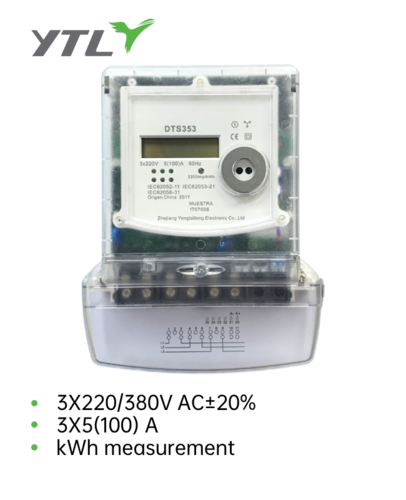
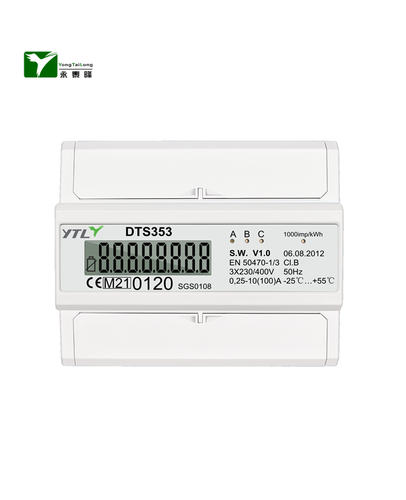
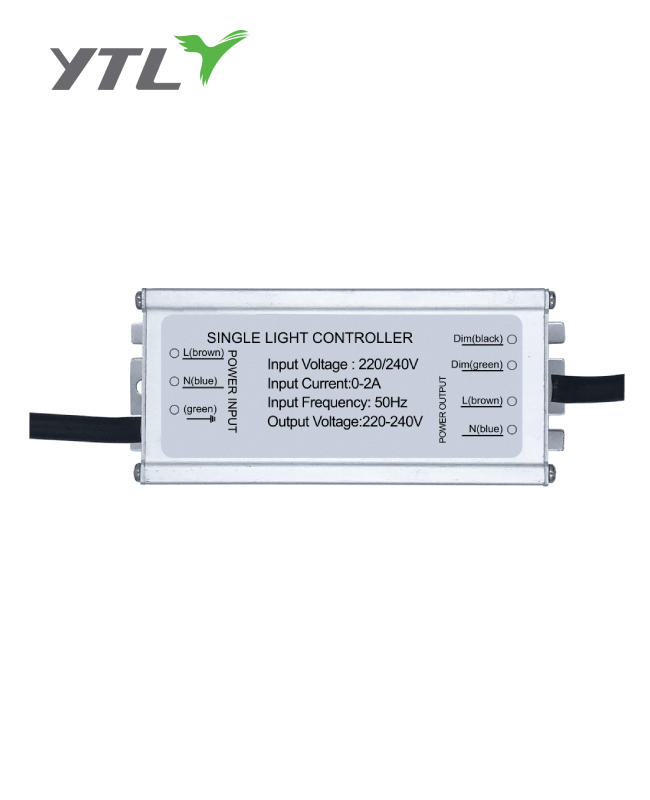
.png?imageView2/2/w/500/h/500/format/png/q/100 "YTL STS Prepaid Wi-Fine Energy Meter Single Phase Wall")
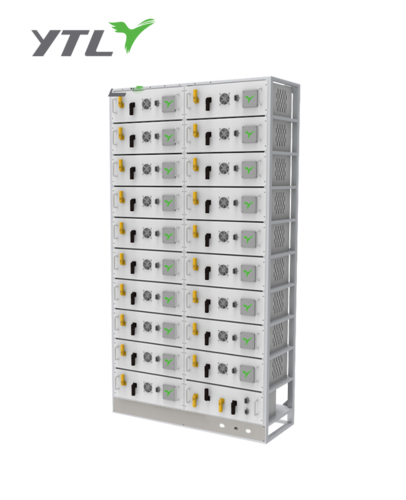
.png?imageView2/2/w/500/h/500/format/png/q/100 "YTL Two Phase Three Wire LCD Shunt sampling Energy Meter")
.png?imageView2/2/w/500/h/500/format/png/q/100 "YTL Two Phase Three Wire Big counter Electricity Meter")