
 English
 简体中文
简体中文



In today's rapidly developing industrial Internet of Things and smart grid, the boundaries of device classification are gradually becoming blurred. As an indispensable measuring device in the power system, the technological evolution of electric energy meters has sparked discussions about their ownership: whether they belong to data transmission units (DTUs) or remote terminal units (RTUs)? To answer this question, analysis needs to be conducted from three dimensions: technical essence, functional positioning, and industry standards.
1、 DTU and RTU: Differences in Functions and Scenarios
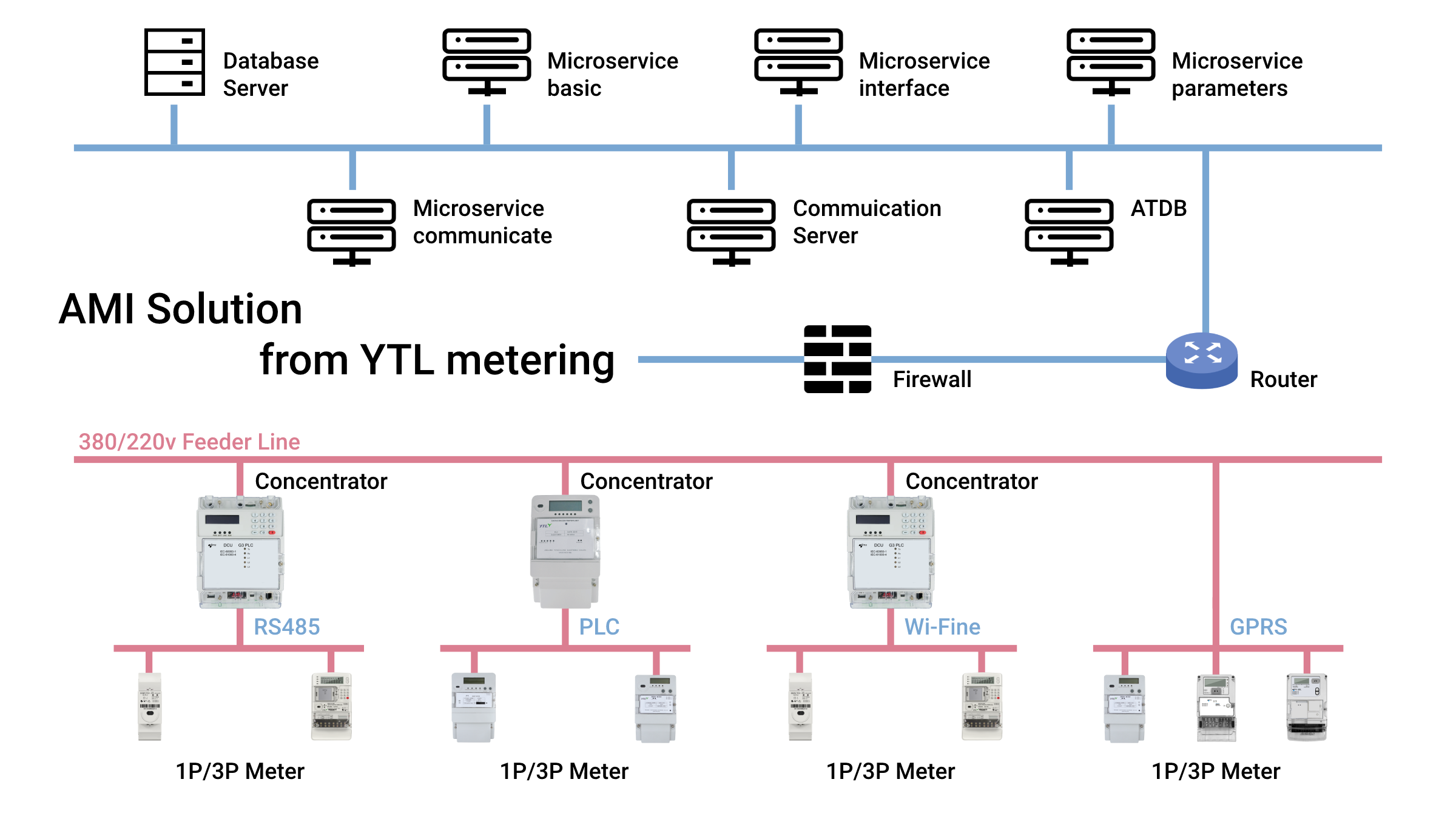
The core mission of DTU (Data Transfer Unit) is "data transfer". It is like a bridge, converting the serial data of on-site devices (such as sensor readings) into IP packets, and transmitting them to remote servers through wireless or wired networks such as 4G and LoRa. Its typical application scenarios include data transmission from environmental monitoring stations and remote monitoring of soil moisture in farmland. The hardware configuration of DTU is simple, with a communication module as the core, supporting protocols such as Modbus and MQTT, but lacking data processing capabilities.
RTU (Remote Terminal Unit) is the "control center" of industrial sites. It not only collects data, but also executes local logic judgments and remote control instructions. For example, in the power system, RTU can monitor the voltage and current parameters of substations in real time and trigger circuit breaker tripping in case of abnormalities; In water treatment plants, RTU can automatically adjust the operation status of water pumps based on water quality data. RTU hardware is complex, integrating CPU, analog signal input module, digital I/O interface, etc., and supporting edge computing and multi protocol compatibility.
2、 Intelligent energy meter: a leap from metering to data hub
Traditional energy meters only serve as "recorders of electricity", while smart energy meters have evolved into "hubs of energy data". Its technological upgrade is reflected in three major aspects:
Accurate measurement and multi parameter monitoring
Modern intelligent energy meters use digital sensors, which can not only accurately measure active/reactive energy, but also detect parameters such as voltage, current, power factor, and even have harmonic analysis functions. For example, a certain type of smart energy meter can monitor the 31st harmonic content, providing data support for power grid quality analysis.
Bidirectional communication and real-time interaction
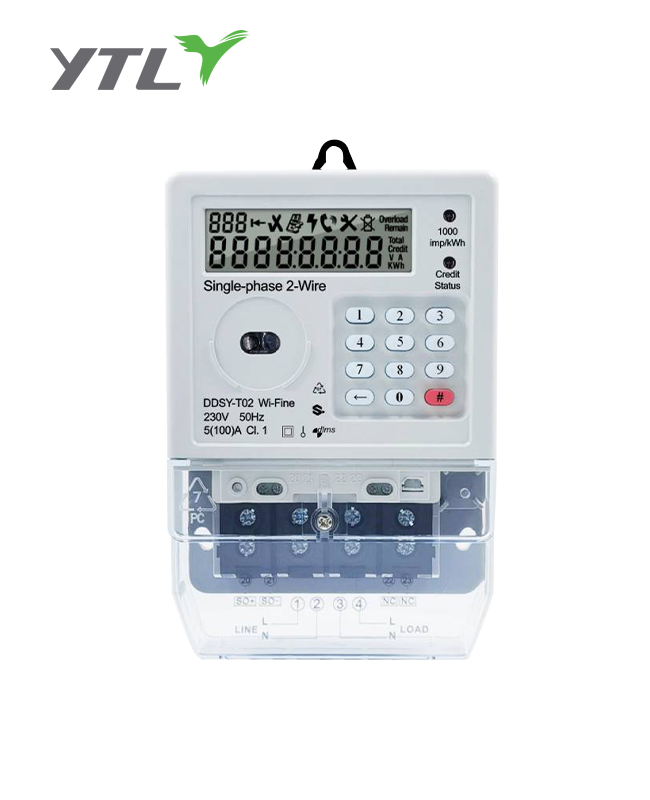
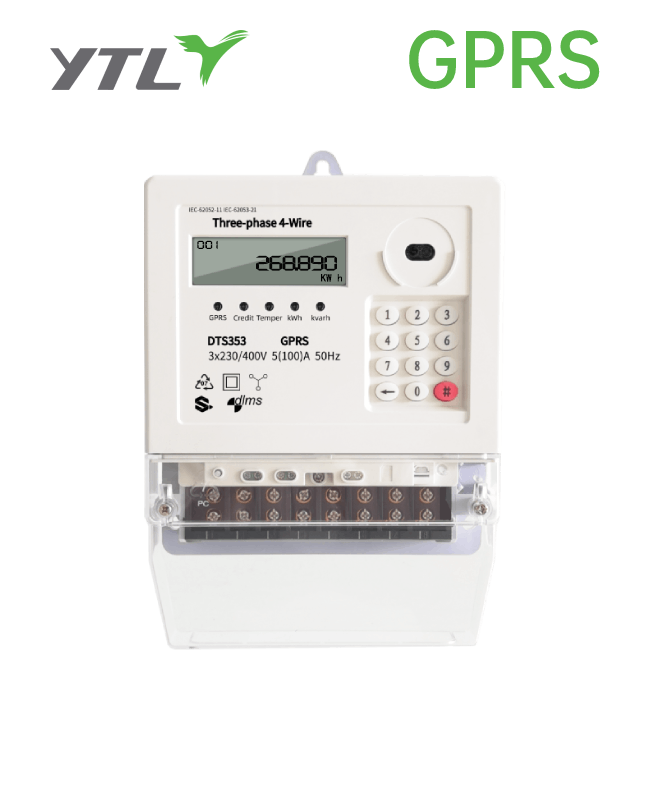
Through RS485 interface or wireless module (such as 4G, NB IoT), smart energy meters can upload data in real time to the cloud platform and receive remote commands. Users can view real-time electricity consumption data through a mobile app, while power grid companies can achieve remote meter reading and fault warning. This bidirectional communication capability is highly similar to the "transparent transmission mode" of DTU, but the communication protocol of smart energy meters (such as DL/T 645-2007) is more focused on the needs of the power industry.
Edge computing and control expansion
Some high-end smart energy meters integrate switch input/output interfaces, which can achieve "remote signaling" (such as switch status monitoring) and "remote control" (such as load control) functions. For example, when the user is overloaded with electricity, the energy meter can automatically cut off non core loads, which is close to the "control execution" capability of RTU. However, its control logic is usually pre-set within the device, lacking the flexible programming and multi device collaboration capabilities of RTU.
3、 Industry standard: Independent positioning of electric energy meters
From the perspective of power industry standards, smart energy meters are clearly classified as "electricity information collection terminals" rather than DTUs or RTUs. Its core positioning lies in:
Measurement accuracy: The primary task of smart meters is to ensure high accuracy in energy measurement, and international recommendations (such as IEC 62053) have strict requirements for their error rates.
Data security: Smart meters require encrypted transmission (such as AES algorithm) to ensure user data privacy, which is fundamentally different from the general data transmission of DTU/RTU.
System compatibility: Smart meters need to seamlessly integrate into the power company's main station system (such as SCADA), rather than a common platform in the industrial control field.
Smart energy meters overlap with DTU functions in data transmission and approach RTU in control expansion, but their technological evolution has always revolved around the core of "metering". It is more like a 'crossover':
Integration of DTU: Smart meters achieve remote transmission of energy data through integrated communication modules, but the transmission content focuses on power parameters and the protocol stack is more vertical.
Reference for RTU: the intelligent meter introduces switching value control and simple logic judgment, but the control ability is limited to a single device, lacking RTU's industrial level multi protocol processing and edge computing capabilities.
Ultimately, the attribution of smart energy meters should be based on their essential attributes - they are intelligent terminals with metering as the core, and both data transmission and basic control functions. In the architecture of industrial Internet of Things, it may exist as an upgraded version of DTU, but in terms of industry standards and functional positioning, it still belongs to the independent category of "electricity information collection devices".
With the deepening of the energy Internet, smart meters may further integrate distributed energy management, demand response and other functions. But no matter how technology evolves, its core values of "precise measurement, reliable transmission, and moderate control" will not change - this is my ultimate answer to the question of ownership of electric energy meters.
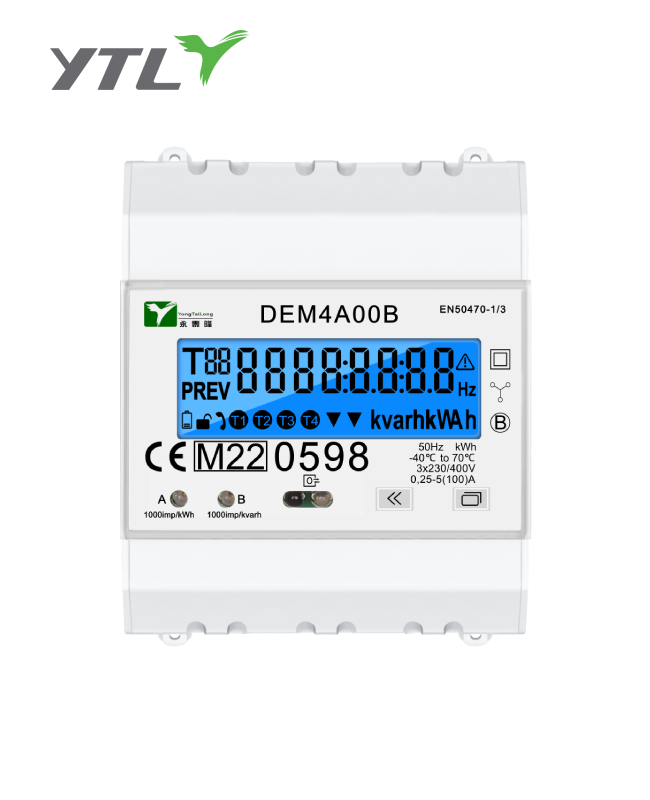
.jpg?imageView2/2/w/500/h/500/format/png/q/100 "YTL Company DTS353C DIN Rail 3P 4 Model Electricity Meter MID")
.png?imageView2/2/w/500/h/500/format/png/q/100 "YTL Two Phase Three Wire Big counter Electricity Meter")